The article discusses efforts by the Make America Healthy Again movement to reduce the consumption of processed foods containing seed oils, corn syrup, and food dyes, highlighting concerns about their impact on American health and the prevalence of ultra-processed foods in the diet, with expert insights on science and simple dietary improvements.

U.S. corn producers warn that President Trump's push for Coca-Cola to switch from corn syrup to cane sugar could harm American agricultural jobs and industry, despite Coca-Cola's ambiguous response. The move could increase demand for imported cane sugar, impacting domestic farmers and the broader industry, but experts suggest the overall effect on corn syrup demand might be limited due to its small share in the market. The debate is also influenced by political and trade considerations, including longstanding sugar tariffs and lobbying efforts.
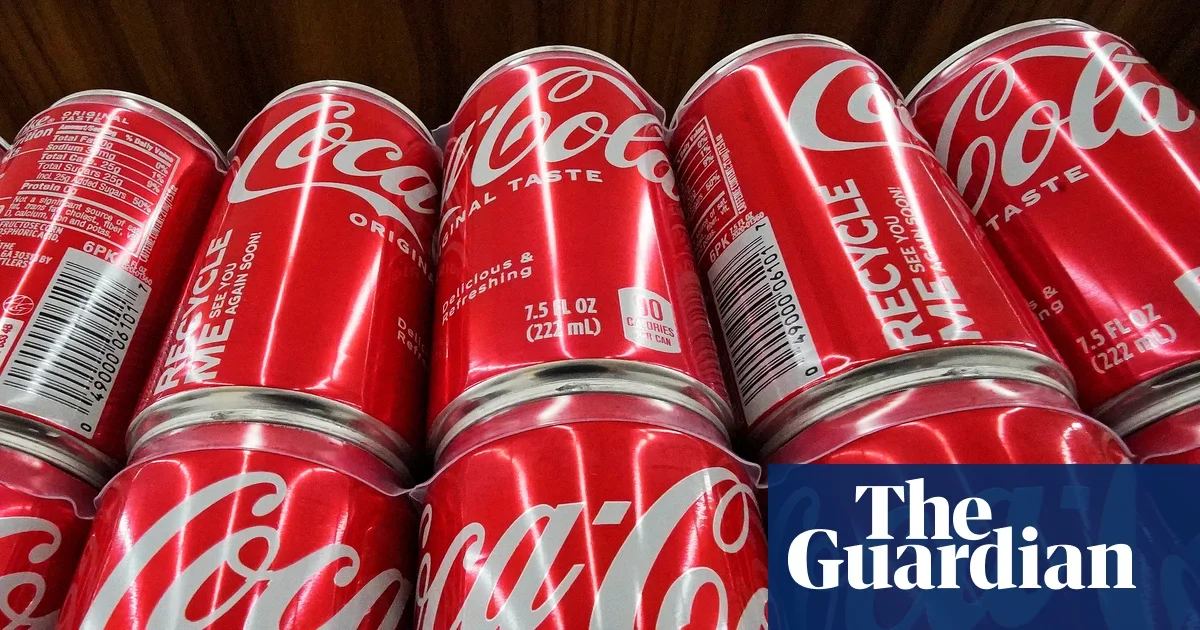
Coca-Cola defended its use of high-fructose corn syrup amid President Trump's claims of switching to cane sugar in US drinks, emphasizing the safety and similarity to sugar, while navigating potential market and health implications of such a change.
R.F.K. Jr. is campaigning against corn syrup, bringing his health-focused message to areas that strongly support former President Trump. His efforts highlight a push for public health awareness in regions where dietary habits are often influenced by economic and cultural factors.
Corn syrup, particularly the high-fructose variety, is a common ingredient found in numerous processed foods and beverages. While it enhances flavor and extends shelf life, overconsumption of corn syrup has been linked to health issues such as heart disease, type 2 diabetes, and obesity. Corn syrup is high in sugar and calories, and excess fructose can be converted into fat storage. It may also have negative effects on the liver and increase the risk of inflammatory-related conditions. The Dietary Guidelines for Americans recommend limiting all added sugars, including high fructose corn syrup, to no more than 50 grams per day. It is important to read food labels and be mindful of the amount of corn syrup and other added sugars consumed.
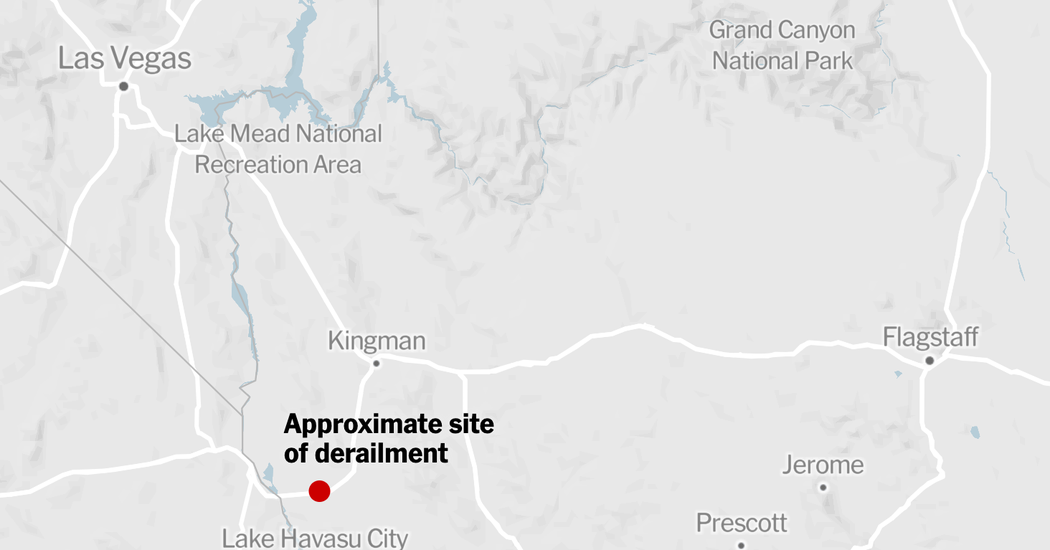
A BNSF Railway freight train carrying corn syrup derailed near Topock in western Arizona, close to the California border. There were no injuries as a result of the derailment and preliminary reports indicate there are no hazardous materials involved. The cause of the derailment of approximately eight cars is under investigation, and the main track is blocked. This incident comes amid heightened attention to rail safety nationwide following a string of derailments in several states.
A freight train carrying corn syrup derailed in western Arizona near the California and Nevada border. The train's operator, BNSF, confirmed that no hazardous materials were involved in the derailment. The cause of the accident, which involved around eight train cars, is under investigation. The incident occurred amid concerns about railroad safety following recent train derailments involving toxic chemicals in Ohio.