Tag

Miri

All articles tagged with #miri

science-and-exploration1 year ago

Webb Telescope Unveils Stunning Sombrero Galaxy Image

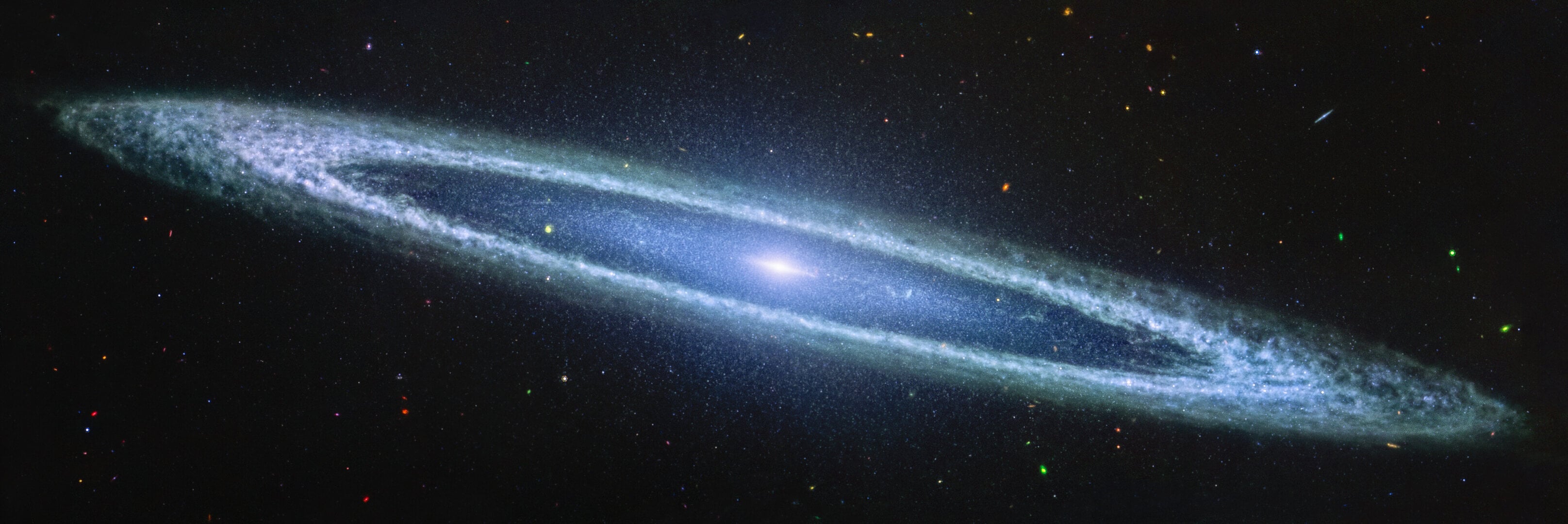
The James Webb Space Telescope has captured a new mid-infrared image of the Sombrero Galaxy, revealing a smooth inner disk and intricate clumps in its outer ring. These clumps, detected by Webb's MIRI, indicate young star-forming regions, although the galaxy itself is not a major site of star formation. The Sombrero Galaxy, located 30 million light-years away, contains a docile supermassive black hole and around 2000 globular clusters. The image also shows various background galaxies, providing insights into their properties.

astronomy1 year ago

"James Webb Telescope Uncovers Neutron Star Remnants of Supernova 1987A"

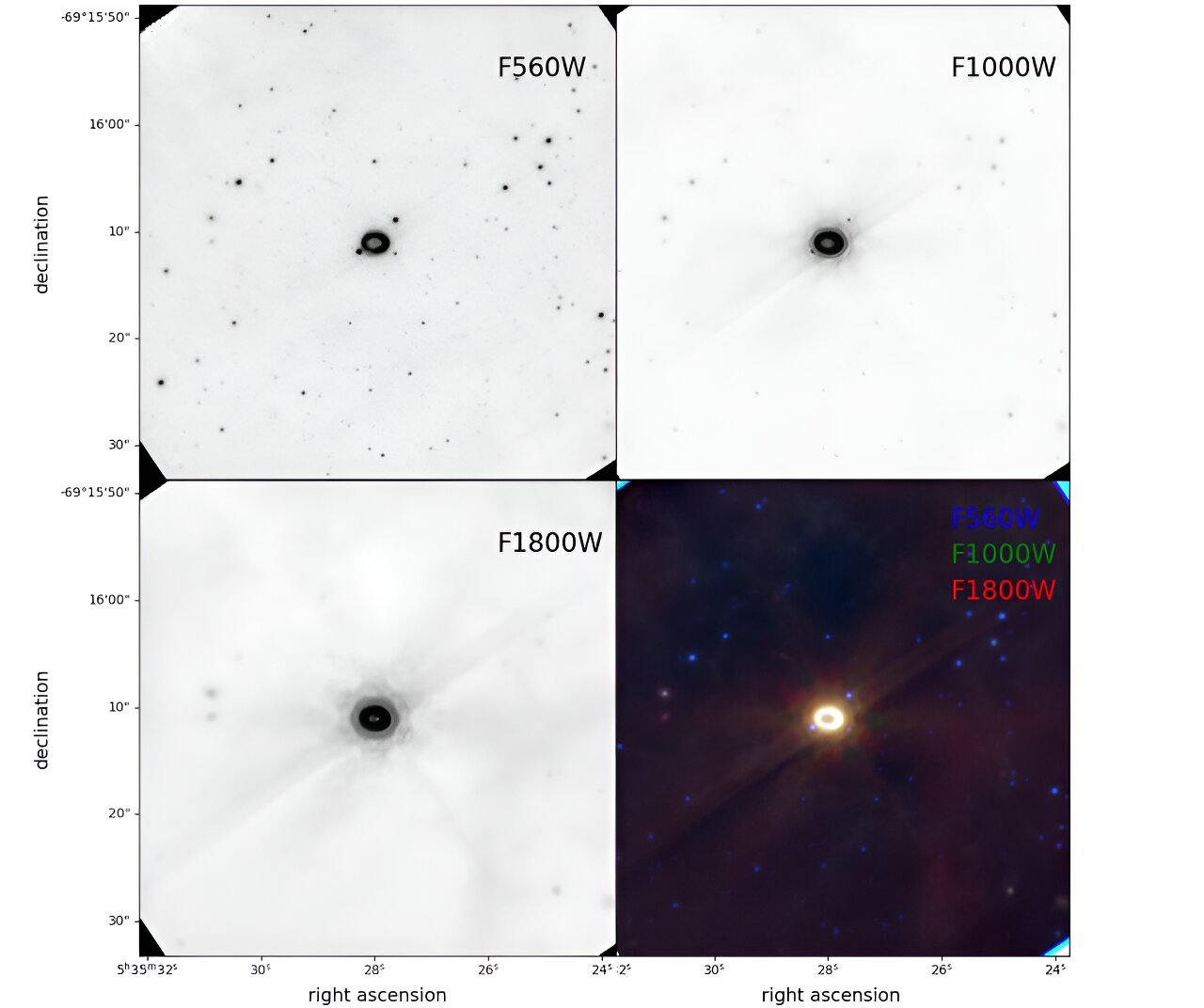
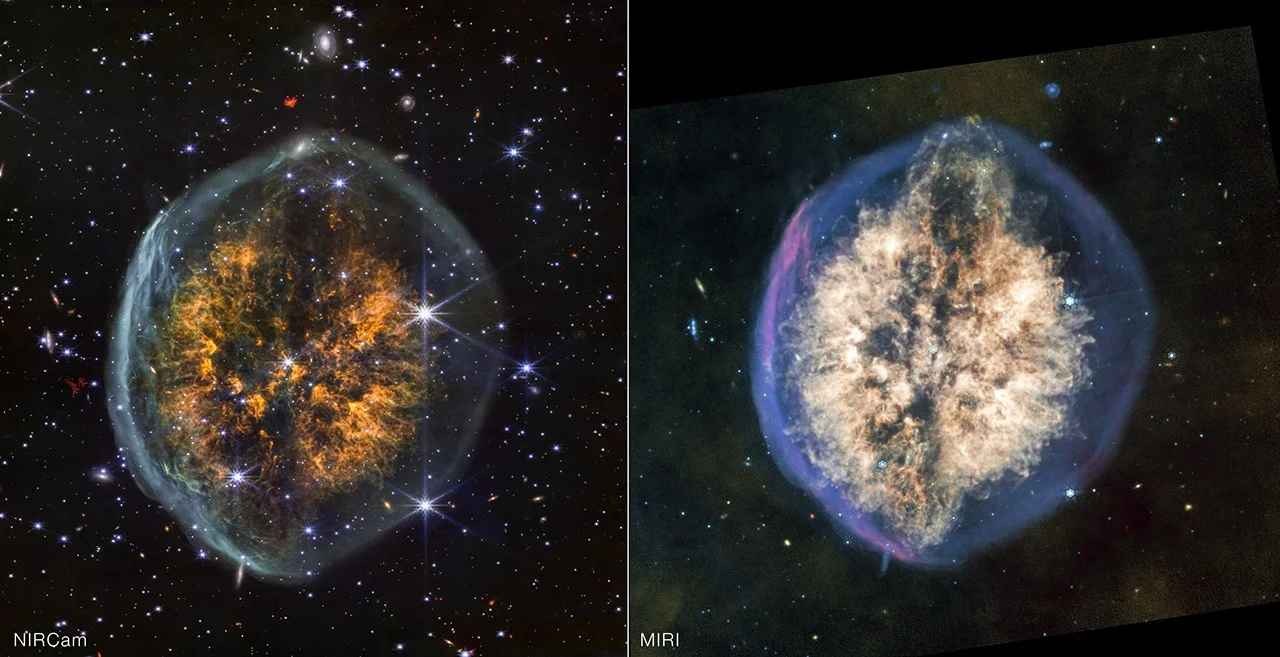
An international team of astronomers used the James Webb Space Telescope to conduct mid-infrared observations of the nearby supernova SN 1987A, shedding more light on its nature. The observations revealed the equatorial ring's morphology and composition, showing non-uniform dust temperatures and mass distribution. The data also suggested that the shock wave has affected the circumstellar medium on a larger scale. This study provides valuable insights into the evolution of supernovae and the processes involved in their transformation into supernova remnants.

astronomy2 years ago

"JWST Uncovers Surprising Second Disk Around Young Star Beta Pictoris"

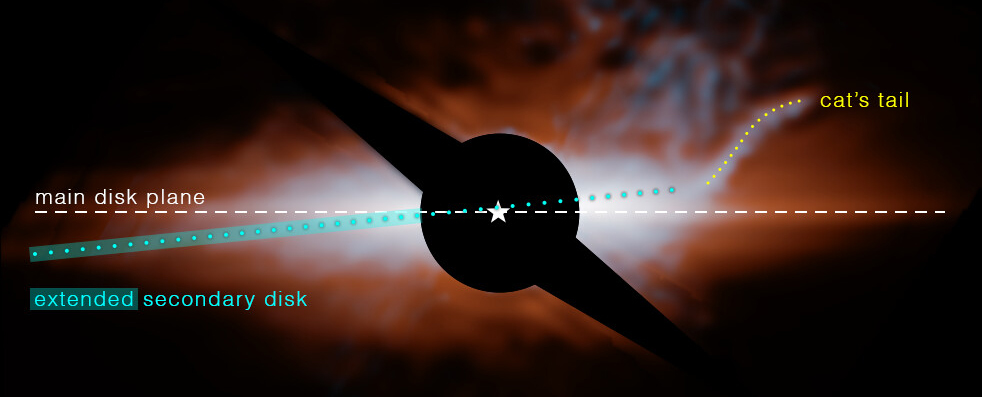
The James Webb Space Telescope has revealed a surprising second disk around the young star Beta Pictoris, which is different in temperature and composition from the previously known disk. The new structure, dubbed the "Cat's Tail," presents a mystery to scientists, who speculate that it may have been formed by a collision event within the disk. These findings highlight the potential for new discoveries even in well-studied celestial objects and call for further research to understand these unexpected features.

astronomy2 years ago

"Lifeless Sub-Earth: GJ 367b's Harsh Conditions Revealed"

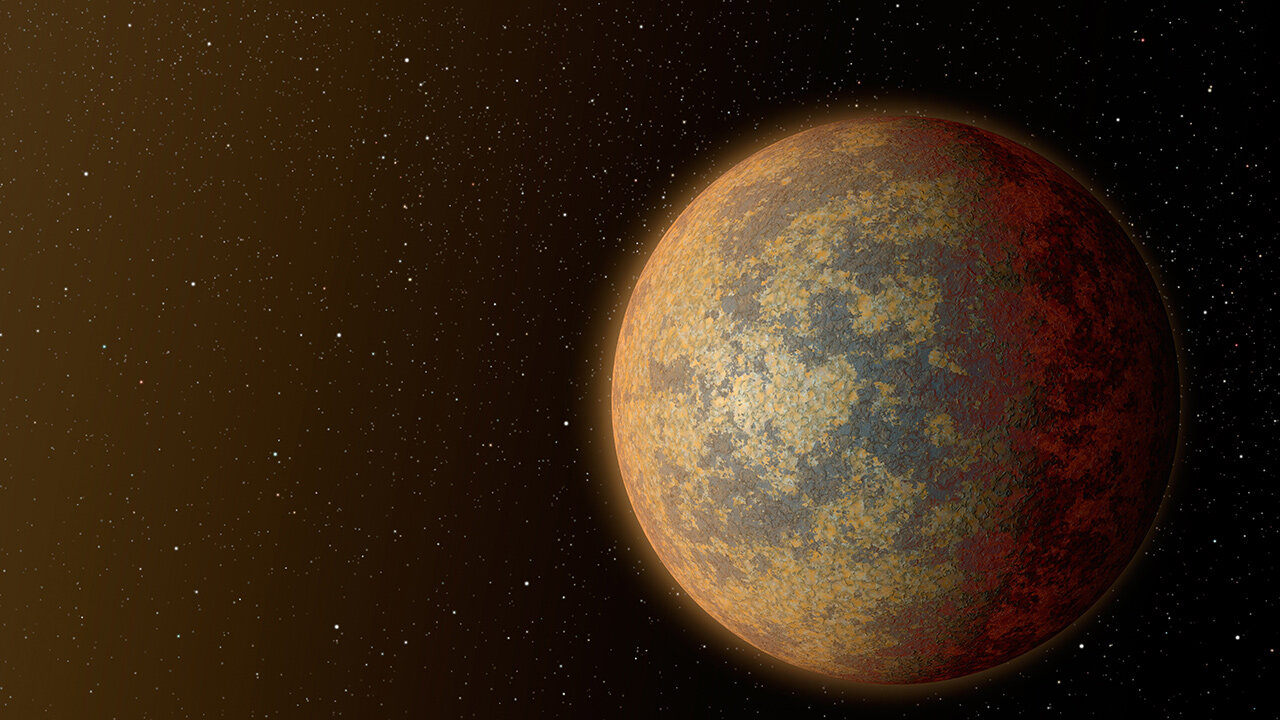
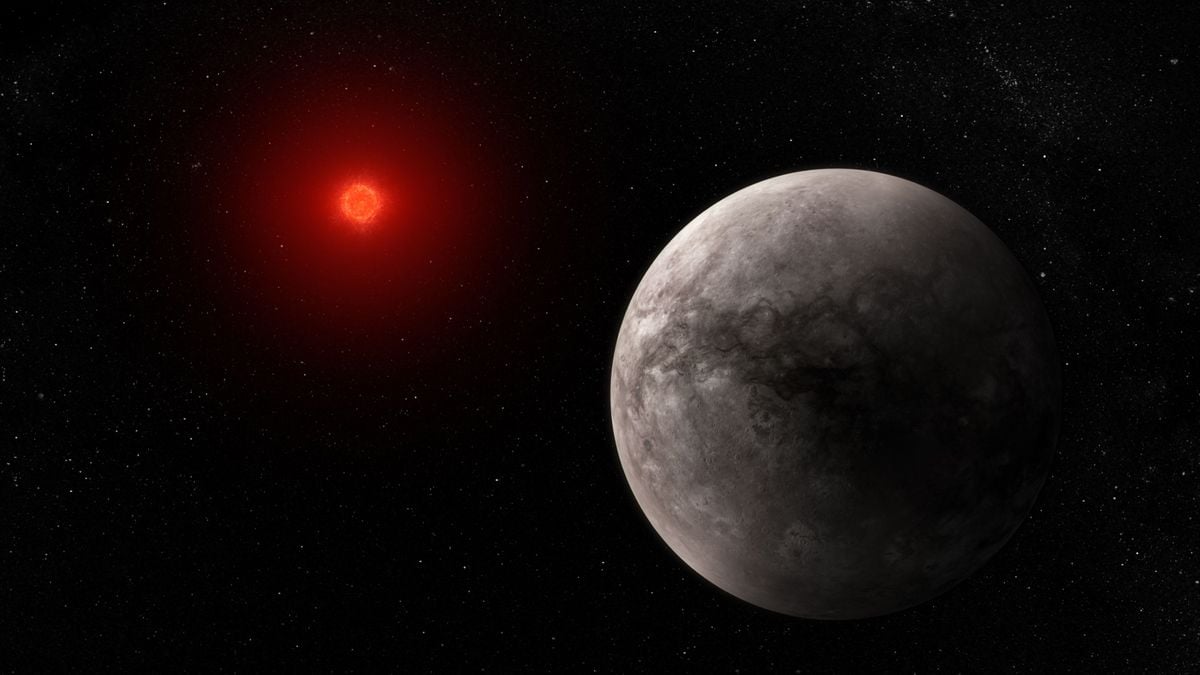
Astronomers using the James Webb Space Telescope have discovered that Gliese 367 b, a sub-Earth exoplanet, is dark, hot, and lacks a detectable atmosphere. The planet, located 31 light years away, has an equilibrium temperature of 1,367 K and orbits its parent star every 7.7 hours. Observations using JWST's Mid-Infrared Instrument revealed that Gliese 367 b has no atmosphere, no heat redistribution, and a dark surface with a dayside temperature of 1,728 K and a nightside temperature below 847 K. The lack of atmosphere suggests that the planet has considerably fewer volatiles compared to Earth, possibly due to intense stellar irradiation.

astronomy2 years ago

Unveiling the Hidden Dusty Secrets of Spiral Galaxies with JWST

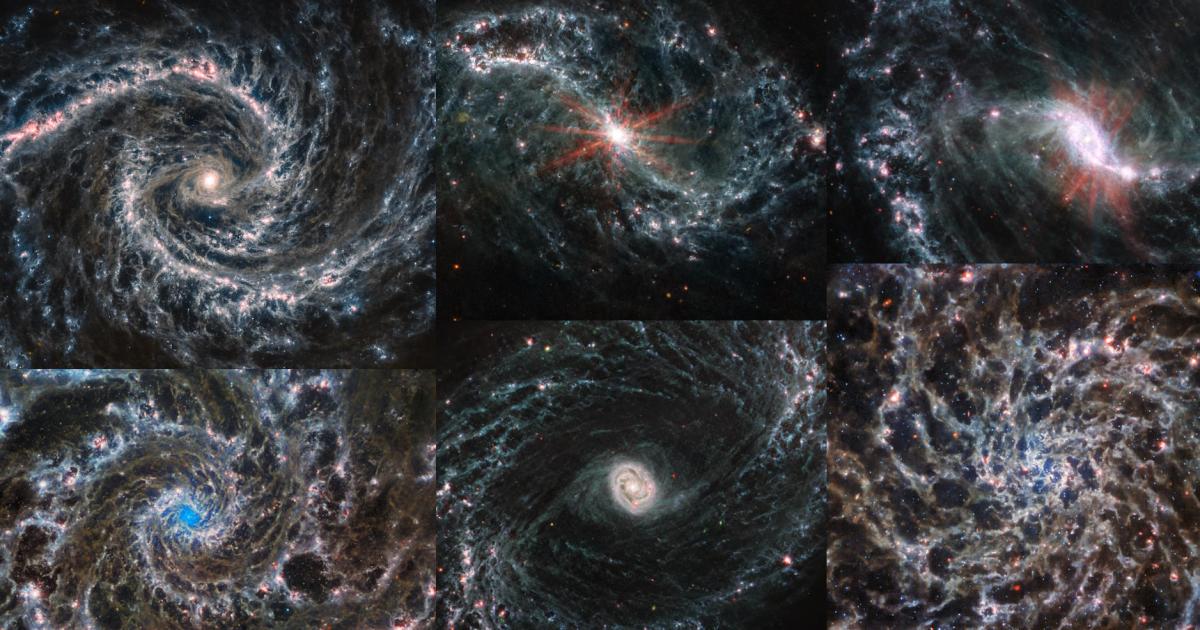
The James Webb Space Telescope (JWST) and its MIRI instrument have provided unprecedented views of dust within spiral galaxies, revealing the impact of dust on galactic evolution. Dust blocks the view of luminous sources inside galaxies, but with longer-wavelength light like mid-infrared, the dust appears luminous when heated. Multiwavelength observations are necessary to understand the role of dust in galaxy evolution. The PHANGS survey, which sampled 19 nearby spiral galaxies, along with JWST's MIRI instrument, has revealed the intricate structures and heating of dust in these galaxies. These observations shed light on the earliest stages of stellar life cycles and provide insights into the matter's entire galactic life cycle.

science-and-astronomy2 years ago

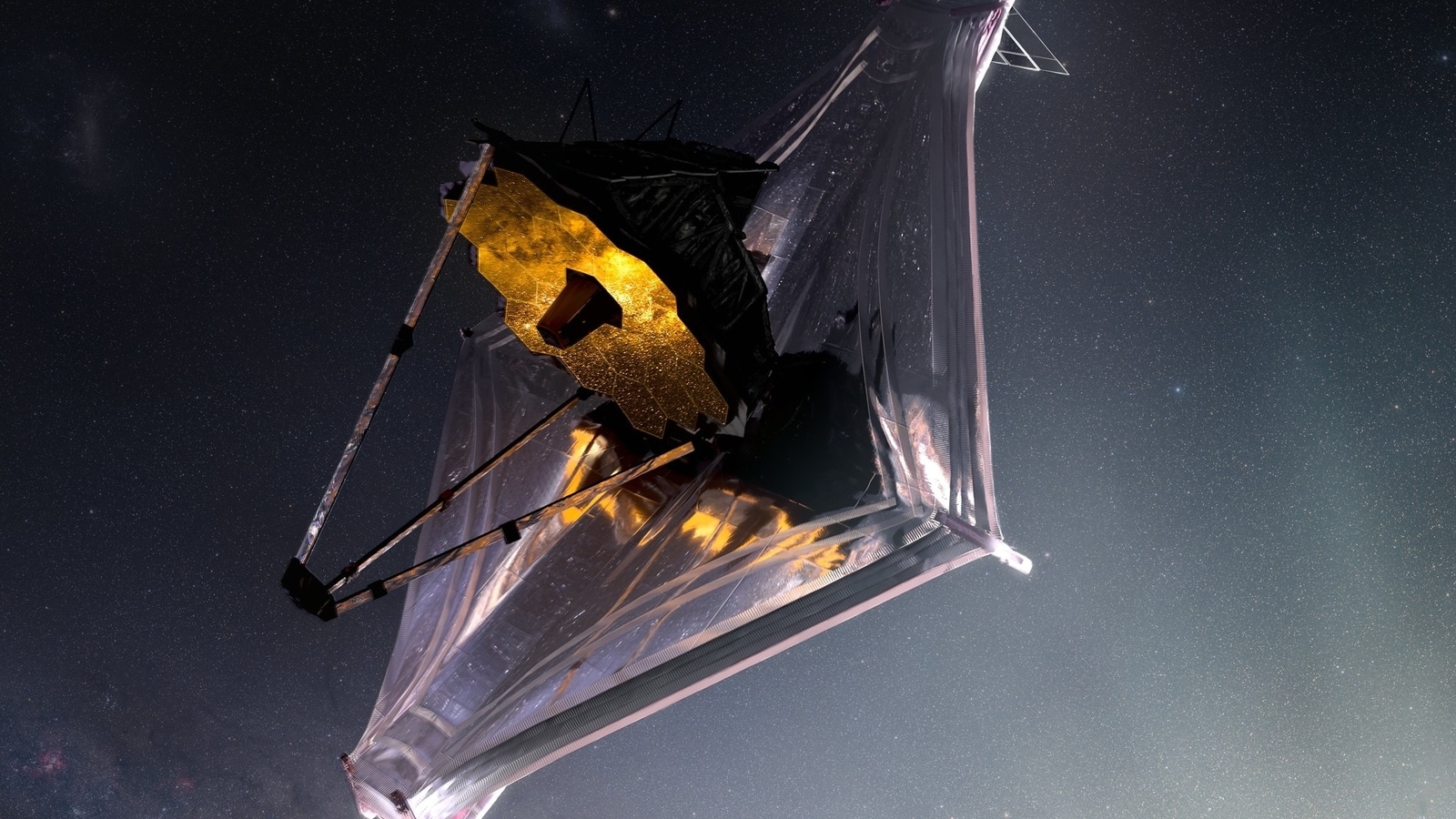
Glitch in James Webb Space Telescope instrument, but observatory remains healthy

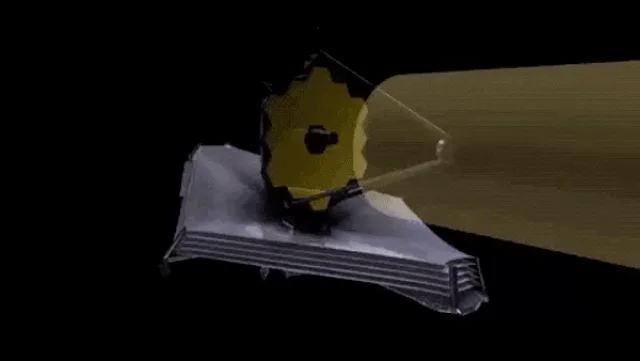
The James Webb Space Telescope's instrument, the Mid-Infrared Instrument (MIRI), has experienced an anomaly in one of its observing modes, but NASA assures that there is no risk to the instrument's science capabilities. The anomaly may affect the amount of exposure time needed in the affected mode, which specializes in obtaining infrared data from distant regions of the cosmos. However, the observatory remains in good health, and the other scientific instruments are unaffected.

space2 years ago

Glitch in James Webb Space Telescope instrument, but observatory remains healthy

The James Webb Space Telescope's instrument, the Mid-Infrared Instrument (MIRI), has experienced an anomaly in one of its observing modes, but NASA assures that there is no risk to the instrument's science capabilities. The anomaly may affect the amount of exposure time needed in the affected mode, but other modes of MIRI and the telescope's other scientific instruments remain unaffected. The observatory is in good health overall, and investigations are ongoing to address the issue.

space2 years ago

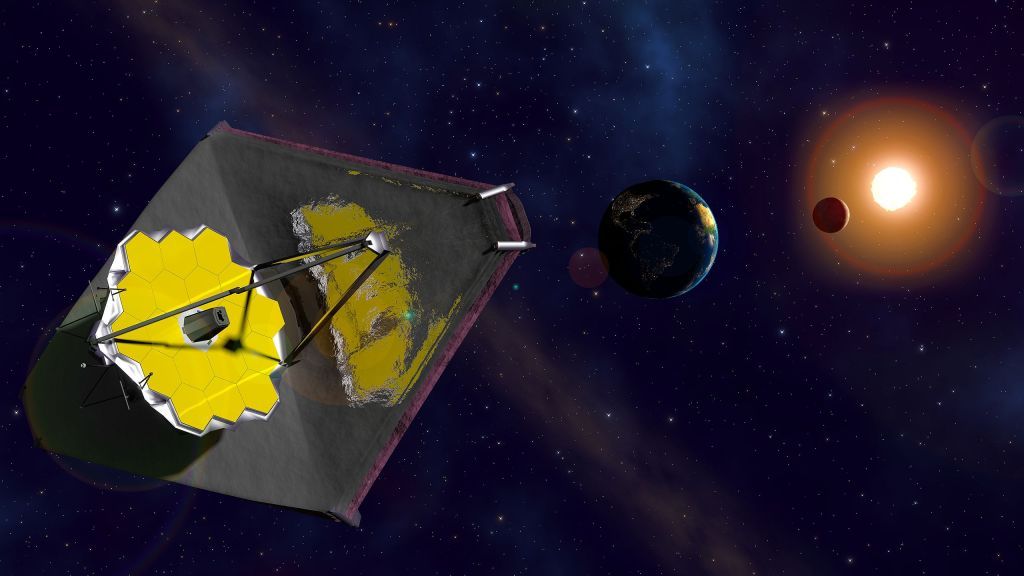
JWST's MIRI instrument experiences recurring issues.

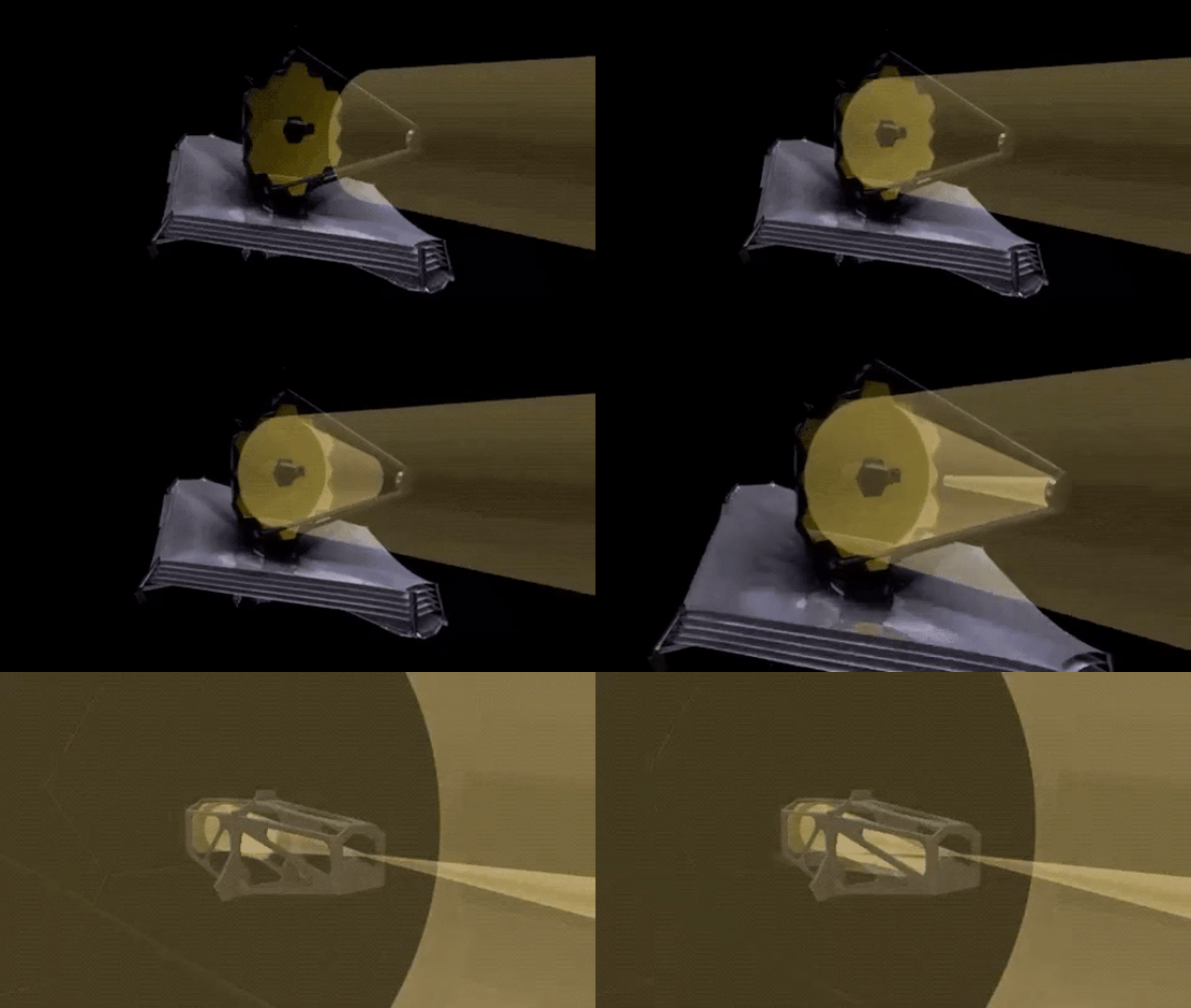
NASA has detected a sensor glitch associated with the James Webb Space Telescope's Mid-Infrared Instrument (MIRI) during regular calibration and monitoring. The glitch is related to MIRI's Medium Resolution Spectroscopy (MRS) mode, which is receiving less light than expected at the longest wavelengths. MIRI observations will continue as planned, and engineers are investigating the cause and exploring mitigations to improve performance. One possible work-around strategy includes taking slightly longer exposures when observing at the longer wavelengths to increase the signal to noise.

science-and-technology2 years ago

Mysterious Glitch Detected in James Webb Space Telescope by NASA

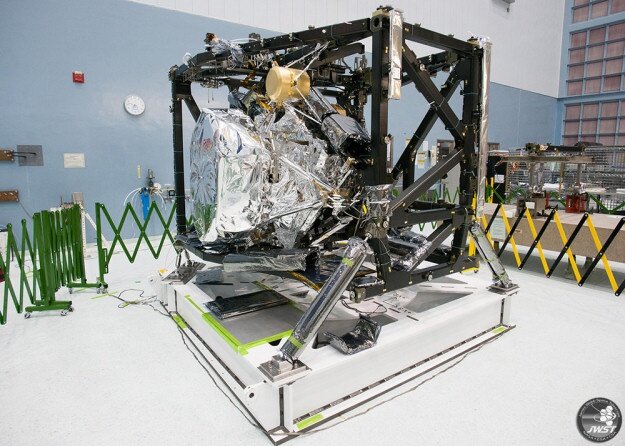
NASA's James Webb Space Telescope has encountered a sensor glitch in its Mid-Infrared Instrument (MIRI) during a routine performance monitoring and calibration procedure. MIRI is one of the two most important components of the telescope and plays an important role in the images it captures. The glitch is specifically more visible while capturing lights in longer wavelengths. NASA will be taking a systematic approach to solve the problem and continue MIRI observations as planned.

science-and-astronomy2 years ago

James Webb Space Telescope encounters sensor problems in space

The James Webb Space Telescope's Mid-Infrared Instrument (MIRI) is experiencing less sensor "throughput" at the longest wavelengths, but NASA officials say there is no risk to the instrument and all other observation modes remain unaffected. The agency is investigating the cause of the issue and developing a plan to address it. MIRI has a camera and a spectrograph to detect light from distant objects and can also image faint objects in our solar system. The $10 billion telescope has been operating well since its launch on Dec. 25, 2021, and could operate for at least 20 years in space.

astronomy2 years ago

James Webb Telescope Makes Groundbreaking Discovery of Atmosphere-Less Earth-Like Planet

NASA's James Webb Space Telescope has detected light from TRAPPIST-1b, a small, Earth-like planet that is almost certainly uninhabitable due to its scorching temperature of about 450 degrees Fahrenheit and lack of atmosphere. The discovery is a record-breaking first for the JWST, which used its mid-infrared camera, MIRI, to measure the planet's thermal emission. TRAPPIST-1b is one of seven rocky exoplanets orbiting the same star, known as TRAPPIST-1, which are about the size of Earth and located in their star's habitable zone.