Tag

Cancer Research Uk

All articles tagged with #cancer research uk

health1 year ago

Alarming Rise in Rare Cancer Among Young People Linked to Surprising Factor

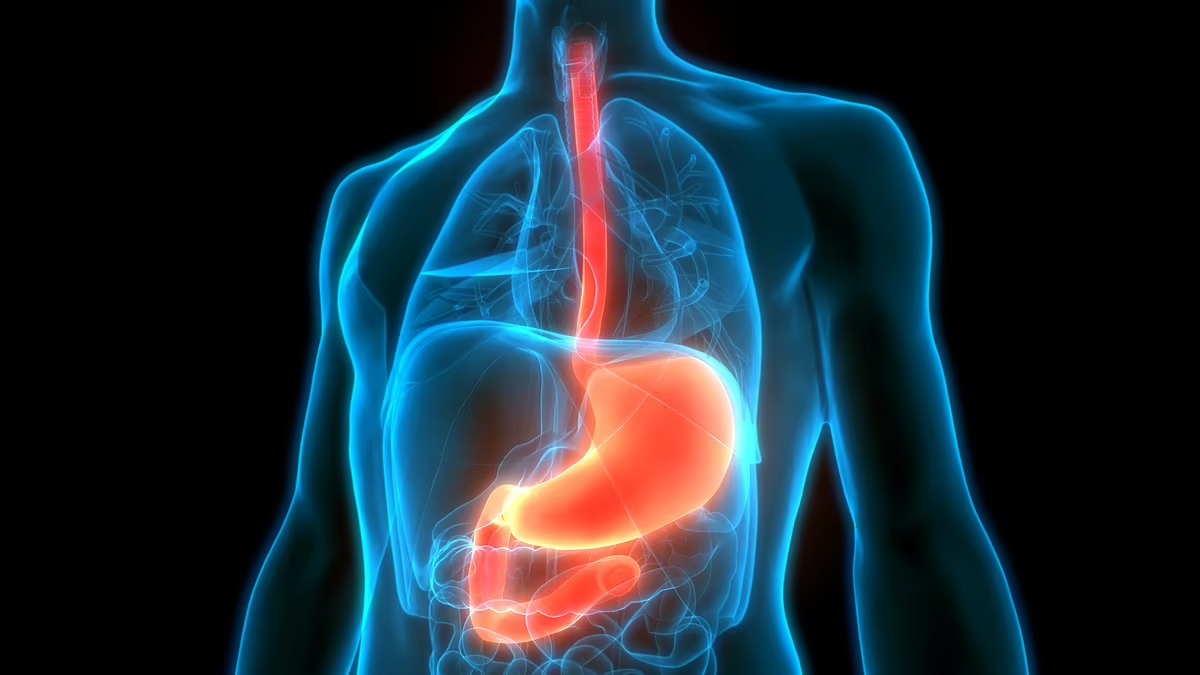
Gallbladder cancer cases have surged by 84% among Brits aged 24-49 since the early 90s, with experts suspecting modern diets high in ultra-processed foods may be altering gut microbiomes and increasing cancer risk. Despite the rise, actual case numbers remain small, with about 35 new cases annually in this age group. Factors like pollution, alcohol, and stress are also considered potential contributors, though pinpointing exact causes is challenging. Symptoms include jaundice and changes in urine and stool color, and survival rates remain low.

health-and-science1 year ago

Oxford Scientists Unveil Breakthrough in Early Cancer Detection

Oxford scientists have identified 618 proteins linked to 19 cancer types that can be detected up to seven years before diagnosis, potentially enabling earlier detection and prevention. This breakthrough in proteomics, funded by Cancer Research UK, analyzed over 300,000 cancer cases and aims to develop targeted therapies, shifting the focus from treatment to prevention. Further research is needed to understand the exact role of these proteins and develop reliable clinical tests and treatments.

health-medical-research1 year ago

"UK Scientists Develop Groundbreaking Lung Cancer Vaccine Using DNA Technology"

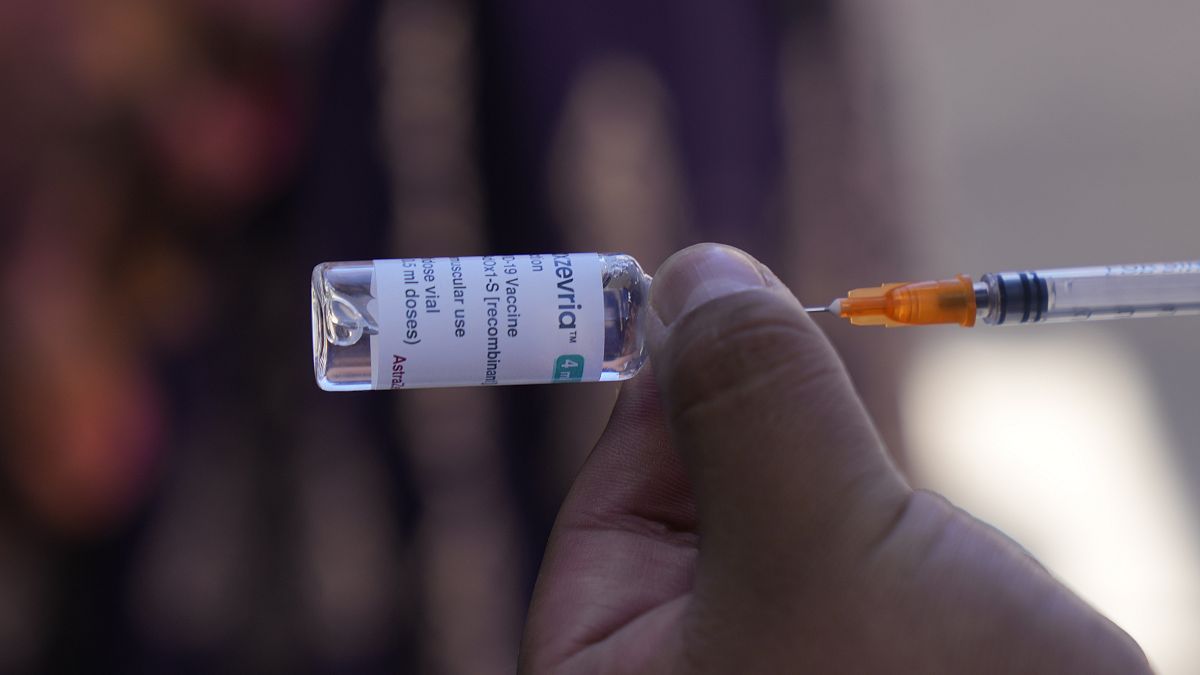
Scientists in the UK have been granted funding to develop the world's first lung cancer vaccine, called LungVax, using technology similar to the Oxford/AstraZeneca COVID vaccine. The vaccine aims to train the immune system to recognize and attack cancer cells, potentially saving thousands of lives. If successful, the project could lead to a significant advancement in preventing lung cancer, which is the leading cause of cancer death in the EU, with cigarette smoking being the largest risk factor.

good-news1 year ago

"UK Cancer Study: Falling Death Rates and Rising Cases Among Middle-Aged Brits"

This week's good news includes a significant drop in cancer death rates in the UK, a man surviving brain cancer after participating in an immunotherapy trial, improved air quality in Europe, the positive impact of "mini-Holland" traffic schemes, successful coral reef restoration, progress in rewilding efforts in Scotland, the return of bald eagles to Toronto, and the revelation of the world's "happiest" countries.

health1 year ago

"Slowing Progress: Cancer Survival Rates Stagnate in the UK"

A report by Cancer Research UK reveals that the rate of improvement in cancer survival has slowed significantly, with lack of sufficient funding for research largely to blame. While the likelihood of surviving a decade or more with cancer in the UK has risen to 49.8% in 2018, up from 47.9% in 2010-11, the report warns of a funding gap of over £1bn unless government spending levels for research are maintained. The report emphasizes the impact of screening programs and research on prevention, diagnosis, and treatment, but highlights the need for faster diagnosis and treatment, as well as more efforts in cancer prevention.

health2 years ago

"Urgent Action Needed to Prevent Needless Cancer Deaths in the UK"

A report by Cancer Research UK reveals that the UK has the worst survival rates for five out of seven forms of cancer compared to other countries such as Australia, Canada, Norway, Denmark, Ireland, and New Zealand. Slow and late diagnosis, coupled with treatment delays, contribute to needless deaths from cancer. The charity calls for a bold new plan, including the creation of a national cancer council accountable to the prime minister, to save around 20,000 lives annually by 2040. The report emphasizes the need for faster diagnosis, prompt treatment, and the recruitment of 16,000 additional full-time cancer staff by 2029. It also highlights the importance of investment in prevention, NHS staff, equipment, and facilities to address the inequalities in cancer outcomes and reduce the burden of the disease.

health2 years ago

"Charity Reveals Shocking Number of Preventable Cancer Deaths in the UK"

Cancer Research UK has stated that at least 20,000 cancer deaths in the UK could be prevented annually through increased investment in research and innovation, as well as addressing issues within the NHS. The charity has launched a manifesto outlining its priorities for the government, including the development of a 10-year cancer plan and the establishment of a National Cancer Council. With cancer rates predicted to rise due to an aging population, the charity emphasizes the importance of disease prevention, earlier diagnosis, improved tests and treatments, and a focus on lung and bowel cancer. Cancer Research UK urges political leaders to unite behind this mission to save lives.

health2 years ago

The Urgent Need for Lung Cancer Screening: Personal Stories Highlight the Consequences

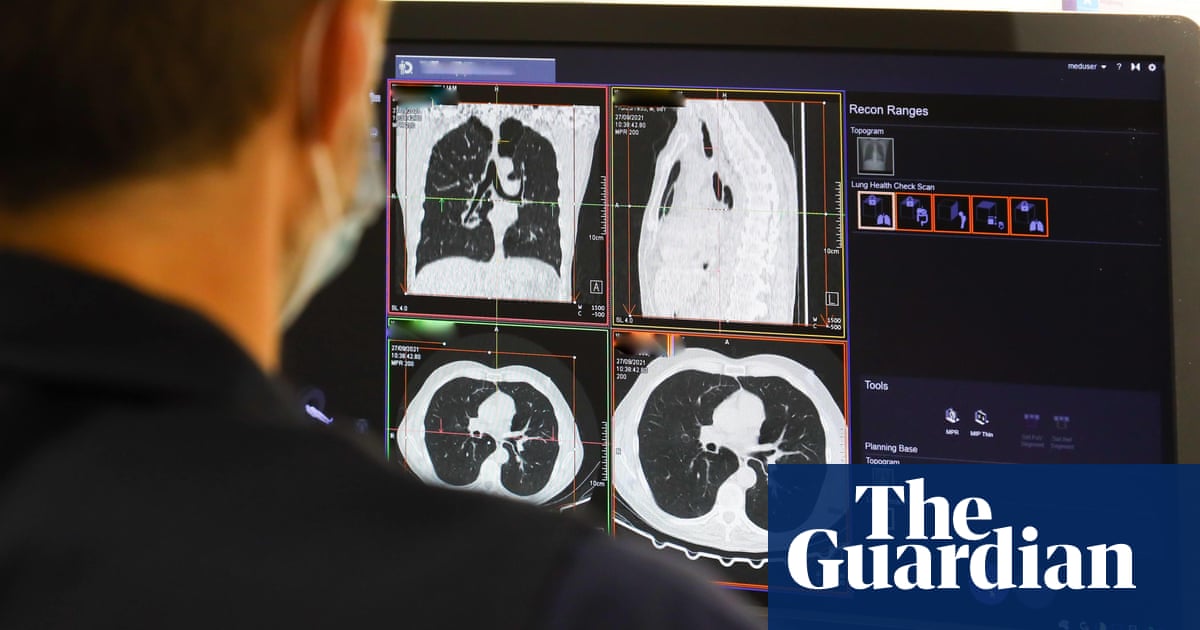
Kelsey Mackay, who lost her mother to lung cancer, is supporting calls for targeted screening to be introduced in Scotland. Cancer Research UK estimates that at least 2,300 lives could be saved over the next decade if screening is implemented for those at high risk. Currently, lung cancer remains the leading cause of cancer death in Scotland, with the death rate three times higher in deprived areas. Mackay hopes to see future generations grow up in a healthier Scotland where tobacco no longer claims lives. Cancer Research UK's chief executive will discuss the case for a lung cancer screening program with the Scottish Health Secretary.

health2 years ago

"Groundbreaking Trial Shows 35% Decrease in Cervical Cancer Deaths with Simple Intervention"

A British cervical cancer trial funded by Cancer Research UK has shown a 35% reduction in mortality rates by administering a chemotherapy drug at a specific time. The trial involved 500 female patients aged between 26 and 72, who were randomized into two groups. One group received chemoradiation therapy alone, while the other received induction chemotherapy followed by the same chemoradiation therapy. At the end of a 5-year follow-up, 80% of the women who received the combination treatment were still alive, with 73% showing no signs of cancer recurrence. The trial suggests that this combination of drugs and therapy should become the new standard of treatment for cervical cancer.

health2 years ago

"Groundbreaking Advances in Cervical Cancer Treatment Show Promise"

Scientists have made a major breakthrough in treating cervical cancer by using a course of existing, inexpensive drugs before radiotherapy treatment. The approach, which involved an intensive six-week course of chemotherapy followed by the standard treatment of radiotherapy, reduced the risk of death or cancer recurrence by 35%. The study, funded by Cancer Research UK, showed the biggest improvement in cervical cancer outcomes in over 20 years. The drugs used are cheap, accessible, and already approved for use, potentially making them a new standard of care. However, the treatment's effectiveness for women with more advanced disease is still uncertain, and side effects such as sickness, nausea, and hair loss can occur.

health2 years ago

Longer Survival Rates for Women with Early-Stage Breast Cancer

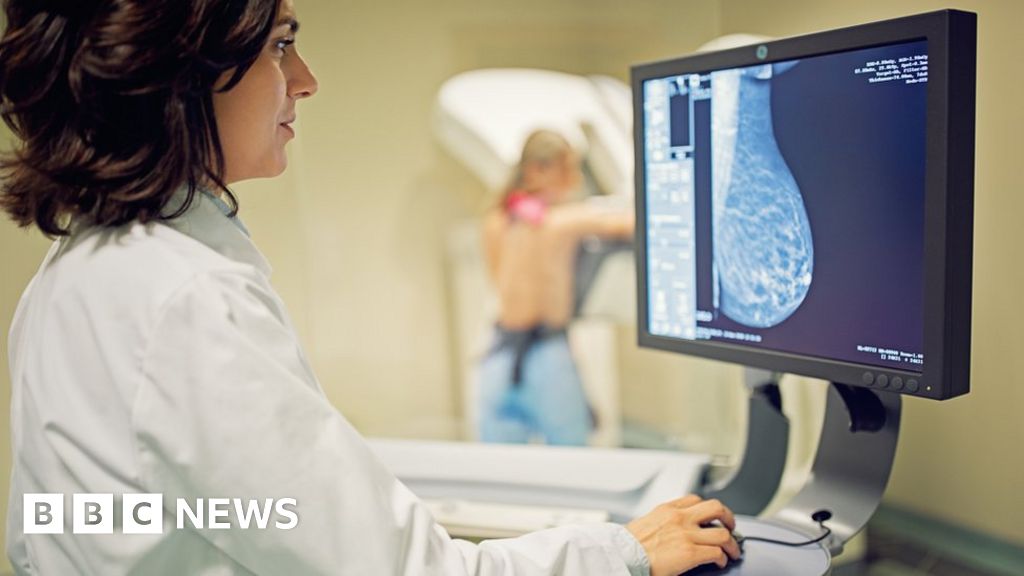
Women diagnosed with early-stage breast cancer in England are living longer than they would have 20 years ago, according to a new study by Cancer Research UK and the University of Oxford. The study found that over 90% of women diagnosed with early-stage breast cancer today will survive the disease for five years or more. The improved survival rates are attributed to better disease tracking, earlier diagnosis, increased breast cancer screening, and advancements in treatments such as surgery and radiotherapy. However, the study also found that for a few women, the risk of death remained "appreciable."

health2 years ago

Improved Survival Rates for Women with Early Breast Cancer

Most women with early breast cancer now beat the disease thanks to huge improvements in treatments in recent years, a BMJ analysis has found. Their risk of dying within five years of diagnosis is estimated to be around 5% - down from 14% in the 1990s. Cancer Research UK says this offers "reassurance" to many women but warns more highly-trained staff are needed to meet rising demand. A plan for NHS staffing in England has been repeatedly delayed.

health2 years ago

Longer Survival Rates for Women with Early-Stage Breast Cancer

Most women with early breast cancer now beat the disease thanks to huge improvements in treatments in recent years, a BMJ analysis has found. Their risk of dying within five years of diagnosis is estimated to be around 5% - down from 14% in the 1990s. Cancer Research UK says this offers "reassurance" to many women but warns more highly-trained staff are needed to meet rising demand. A plan for NHS staffing in England has been repeatedly delayed.

health2 years ago

Long-term survival rates high for early-stage breast cancer patients, study finds.

Women diagnosed with early breast cancer are 66% less likely to die from the disease than they were 20 years ago, and most can expect to become “long-term survivors”, according to the largest study of its kind. Research from the University of Oxford reveals that the risk of death within five years of diagnosis was 14.4% for women diagnosed between 1993 and 1999. This fell to 4.9% for women diagnosed between 2010 and 2015, according to the findings published in the BMJ.

health2 years ago

10 Warning Signs of Deadly Lung Cancer.

Night sweats can be a less common sign of lung cancer, along with other symptoms such as coughing, chest pain, and fatigue. Early detection is crucial for better prognosis, and patients are encouraged to stay hydrated and keep the room at a comfortable temperature to manage night sweats. Cancer Research UK warns of nine other common symptoms of the disease, including coughing up blood and losing weight.