Tag

Zwicky Transient Facility

All articles tagged with #zwicky transient facility

science1 year ago

Zwicky Transient Facility Catalogues 10,000+ Exploding Stars

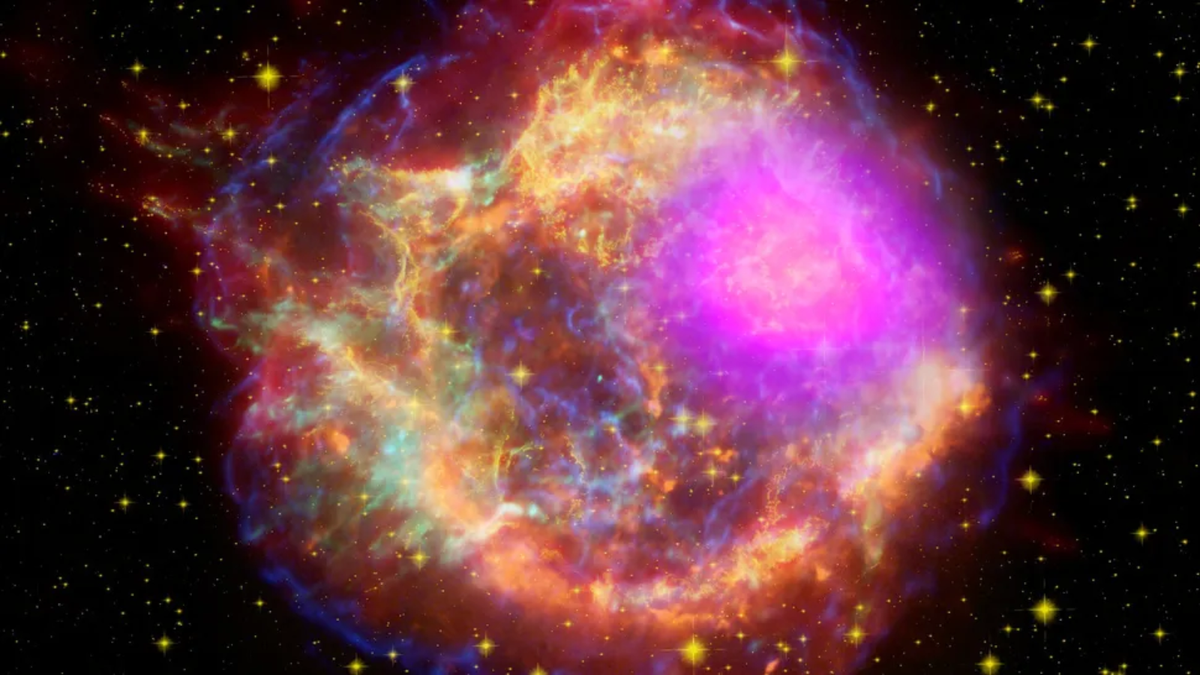
The Zwicky Transient Facility (ZTF) has classified over 10,000 supernovas, marking a significant achievement in the study of cosmic explosions. Operating since 2017, ZTF has become the largest supernova surveyor, responsible for nearly two-thirds of the supernovas discovered since 2012. The facility not only detects supernovas but also classifies them, providing valuable data for understanding stellar life cycles and phenomena like dark energy. Named after astronomer Fritz Zwicky, the ZTF continues his legacy of advancing supernova science.

science1 year ago

Assessing the Threat of the 'Doomsday' Asteroid Swarm

Recent research using the Zwicky Transient Facility telescope has found that the Taurid swarm, a stream of debris from comet Encke, poses a lower threat than previously thought, with fewer large asteroids present. This finding, presented at the American Astronomical Society's annual meeting, suggests a reduced risk of large asteroid impacts from the swarm, aiding planetary defense strategies and enhancing our understanding of comet and asteroid evolution.

astronomy1 year ago

"Newborn Black Hole Ignites Distant Galaxy with Stunning Brightness"

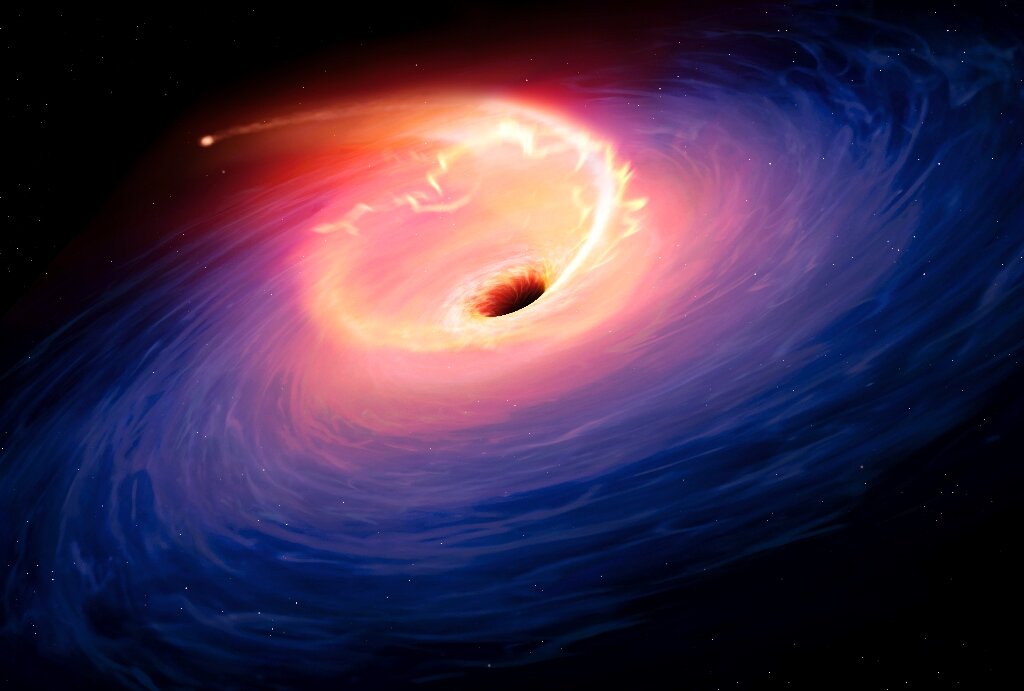
The galaxy SDSS1335+0728 has been observed undergoing dramatic brightness changes due to the activation of its central supermassive black hole, providing a rare opportunity to study the transition to an active galactic nucleus. This event, first detected by the Zwicky Transient Facility, offers valuable insights into the behavior of black holes and their impact on host galaxies, enhancing our understanding of galactic evolution.

astronomy2 years ago

"Astronomers Discover Rare Two-Faced Star Through Gravity Lens"

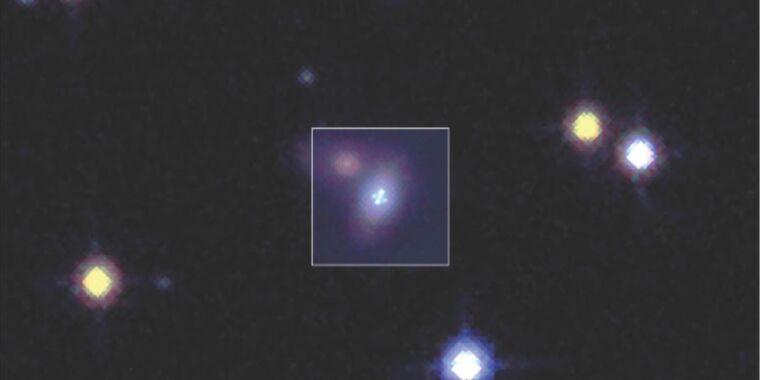
Astronomers have captured a rare image of a supernova, named SN Zwicky, appearing as multiple images due to gravitational lensing. This phenomenon occurs when the gravity of a dense object warps and intensifies the light of an object behind it. The observation, part of the largest supernova survey to date, contributes to understanding cosmic phenomena such as dark energy and provides insights into the amount and distribution of matter in galaxies. The discovery of SN Zwicky, classified as a Type Ia supernova, offers an opportunity to explore the nature of dark energy and uncover mysteries of the universe.

astronomy2 years ago

"Groundbreaking Discovery: Unveiling a New Eclipsing Cataclysmic Variable System"

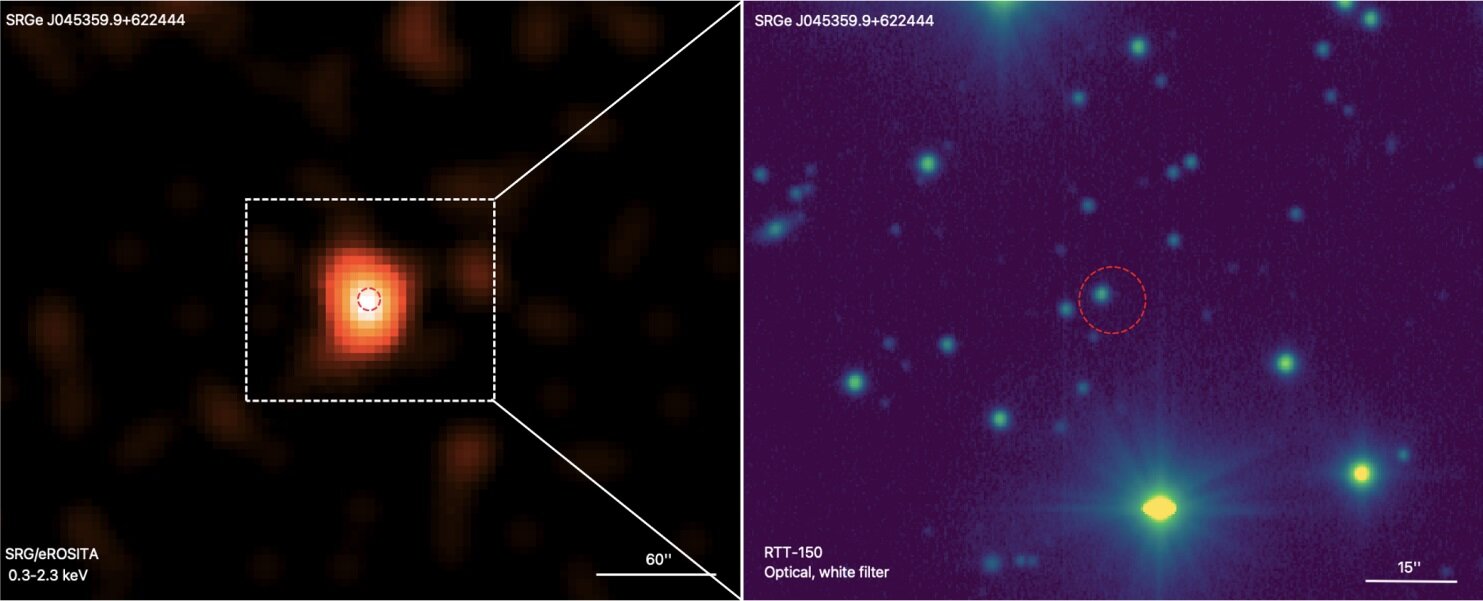
Astronomers using the Spektr-RG spacecraft and the Zwicky Transient Facility have discovered a new eclipsing cataclysmic variable system called SRGeJ0453. This system is an AM CVn system, which is a rare type of cataclysmic variable where a white dwarf accretes hydrogen-poor matter from a compact companion star. SRGeJ0453 has an orbital period of 55.08 minutes and is located about 780 light years away from Earth. The system exhibits deep eclipses in its optical light curves and shows a high X-ray to optical flux ratio. Further studies are needed to confirm its possible magnetic nature.

astronomy2 years ago

"Rare Gravitational Einstein Cross Unveils Four Copies of Distant Supernova, While a Bright Supernova Illuminates the Night Skies"

An international team of researchers has discovered a distant supernova, named SN Zwicky, using gravitational lensing. The supernova, located 4 billion light-years away, is a type Ia supernova, which is used as a "standard candle" to measure distances in space. The discovery was made at the Zwicky Transient Facility (ZTF) in California, and further observations at the Keck Observatory and the Hubble Space Telescope confirmed the presence of four distinct images of SN Zwicky. The arrival time of the four images at Earth was almost simultaneous, despite traveling along different gravitational paths. Future observations using NASA's James Webb Space Telescope are planned to gain a clearer view of this phenomenon.

astronomy2 years ago

"Rare Gravitational Einstein Cross Unveils Quadruple Image of Distant Supernova"

An international team of researchers has discovered a distant supernova, named SN Zwicky, using gravitational lensing. The supernova, located 4 billion light-years away, is a type Ia supernova, which is used as a "standard candle" to measure distances in space. The discovery was made at the Zwicky Transient Facility (ZTF) in California, and further observations at the Keck Observatory and the Hubble Space Telescope confirmed the presence of four distinct images of SN Zwicky. Future observations using NASA's James Webb Space Telescope are planned to gain a clearer view of this unusual phenomenon.

astronomy2 years ago

Astronomers capture rare and bright supernova explosion.

Astronomers have discovered a previously unknown supernova explosion more than 4 billion light-years away using gravitational lensing, which acts as a cosmic magnifying glass. The discovery was made using the Zwicky Transient Facility, a robotic camera attached to the Samuel Oschin telescope. The supernova, dubbed SN Zwicky, was confirmed to be a product of gravitational lensing using adaptive optics instruments at three other telescopes. Co-author Ariel Goobar described the find as "a significant step forward in our quest to understand the fundamental forces shaping our universe."

astronomy2 years ago

Astronomers Uncover Dozen New Long-Rising Type II Supernovae

Astronomers have discovered 12 new long-rising Type II supernovae as part of the Zwicky Transient Facility Census of the Local Universe, nearly doubling the number of known supernovae of this subclass. Type II supernovae are the result of the rapid collapse and violent explosion of massive stars, and are distinguished by the presence of hydrogen in their spectra. The newfound Type II supernovae have rise times ranging from 67 to 96 days and dome-shaped light curves in r-band photometry, and all have peak absolute magnitudes consistent with previous studies of the known long-rising Type II supernovae.

astronomy2 years ago

Astronomers witness unprecedented cosmic explosion.

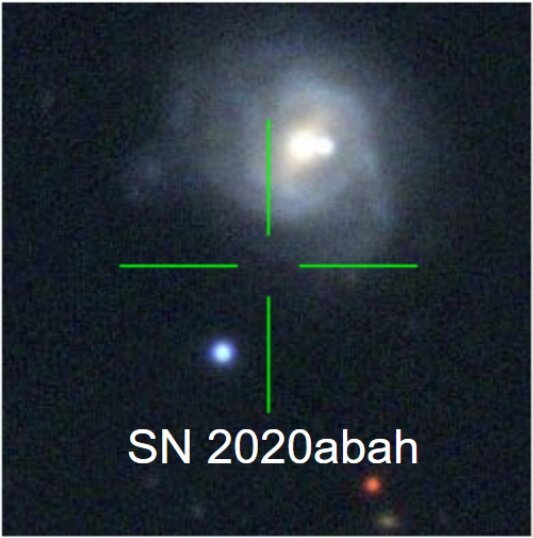
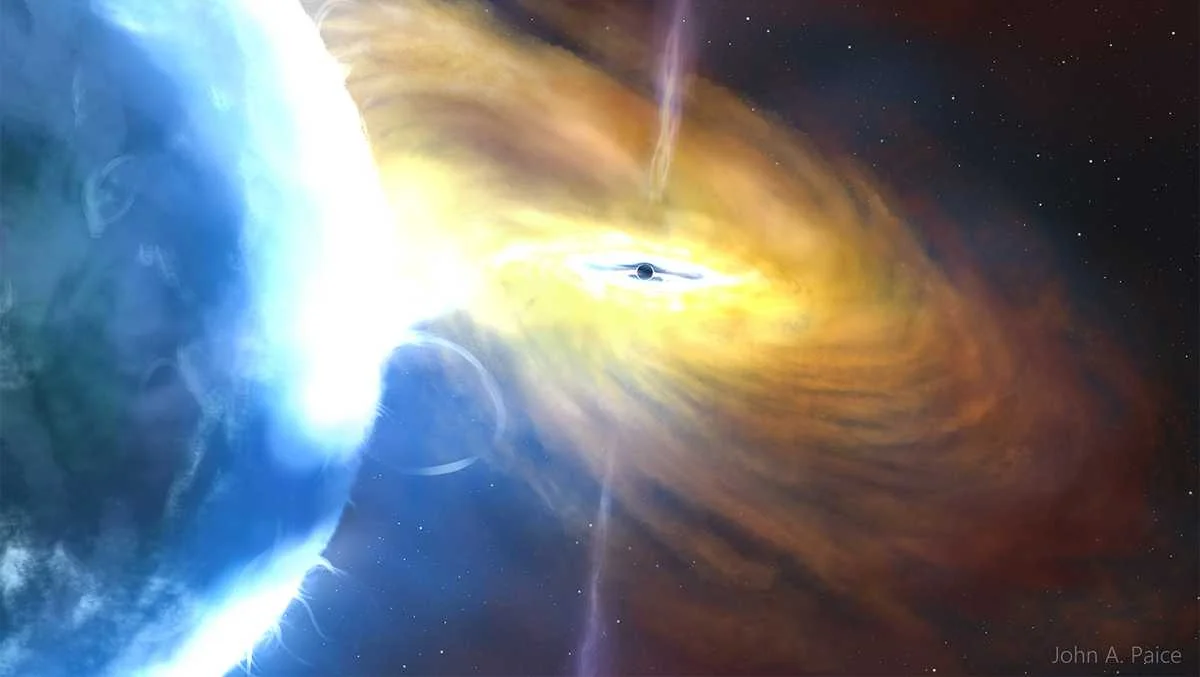
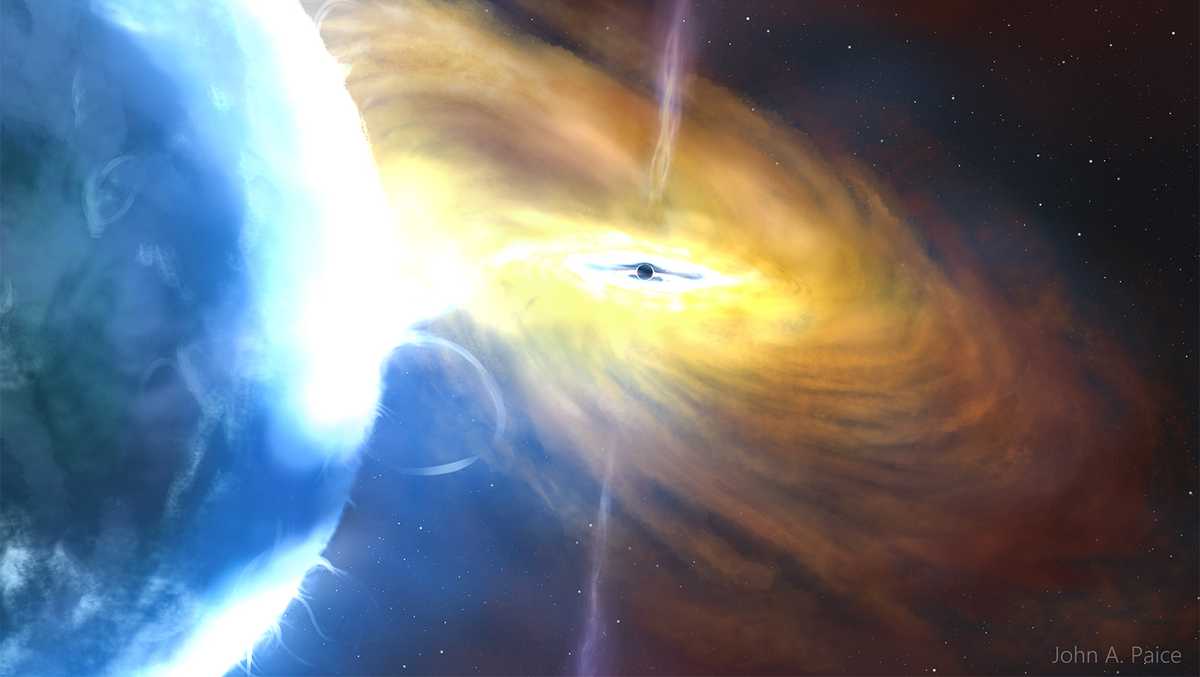
Astronomers have detected the largest cosmic explosion ever witnessed, called AT2021lwx, which is 10 times brighter than any known exploding star and has lasted for three years. The explosion occurred nearly 8 billion light-years away from Earth and is thought to have been triggered by a supermassive black hole disrupting a vast gas or dust cloud. The event dethrones gamma-ray burst GRB 221009A as the brightest recorded cosmic explosion. The research team wants to collect more data across different wavelengths of light to learn about the details of the event, including its temperature.

astronomy2 years ago

Astronomers witness largest cosmic explosion in history of universe.

Astronomers have detected the largest cosmic explosion ever witnessed, called AT2021lwx, which is 10 times brighter than any known exploding star and has lasted for three years. The explosion occurred nearly 8 billion light-years away from Earth and is thought to have been triggered by a supermassive black hole disrupting a vast gas or dust cloud. The event dethrones gamma-ray burst GRB 221009A as the brightest recorded cosmic explosion. The research team wants to collect more data across different wavelengths of light to learn about the details of the event, including its temperature.

astronomy2 years ago

Astronomers Witness Largest Cosmic Explosion in History

Astronomers have discovered the "largest" cosmic explosion ever observed, called AT2021lwx, which is 100 times the size of our Solar System and has been blazing in the distant universe for over three years. The explosion is estimated to be around two trillion times brighter than the Sun and is still blazing away. The most likely explanation for the explosion is that a massive, single cloud of gas is slowly being consumed by a supermassive black hole. However, more research is needed to understand the puzzling phenomenon.

astronomy2 years ago

Astronomers Discover Largest Cosmic Explosion Spewing Light for 3 Years

The largest cosmic explosion ever observed, known as AT2021lwx, has been discovered by a team of astronomers led by the University of Southampton. It is over ten times brighter than any previously-known supernova and three times brighter than the brightest tidal disruption event. Unlike most supernovae, which only remain visible for a few months, AT2021lwx has been visible for over three years. The explosion occurred nearly eight billion light years away and is still being monitored by a network of telescopes. The experts believe that AT2021lwx was likely caused by a vast cloud of gas, possibly thousands of times larger than our sun, which has been violently disrupted by a supermassive black hole.

astronomy2 years ago

Astronomers witness star consuming planet in groundbreaking discovery.

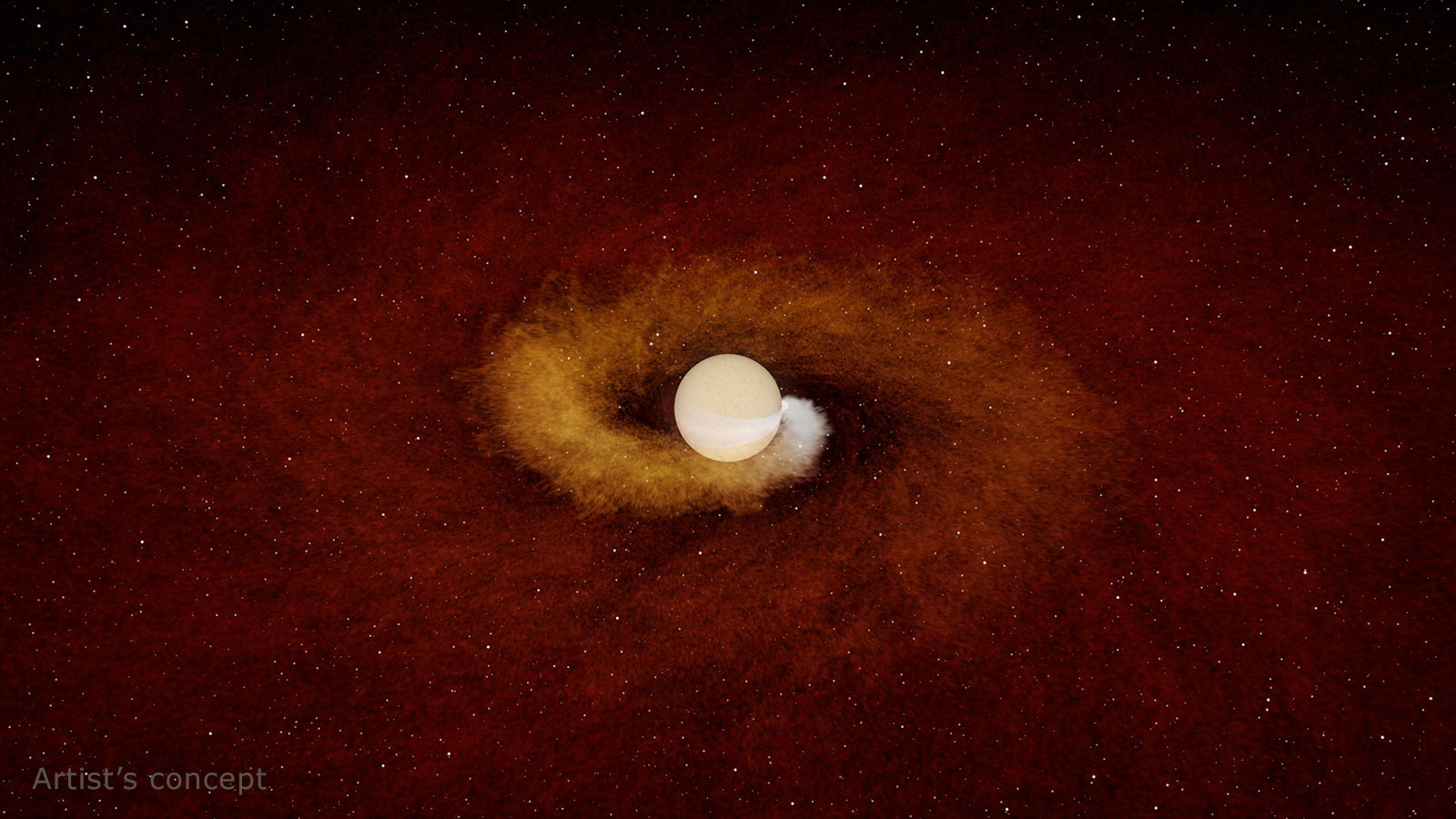
Using the Zwicky Transient Facility and NASA’s NEOWISE observatory, scientists have directly observed an aging red giant star destroying a planet within its own star system for the first time. The planet was roughly the same size as Jupiter and orbited much closer to its host star than Mercury orbits our Sun. The event will provide astronomers with a glimpse into what the future of our solar system may look like when our Sun eventually absorbs Mercury, Venus, and possibly Earth. The research will help create a template for future studies that plan to investigate the absorption and destruction of planets by red giants.