Tag

Neowise

All articles tagged with #neowise

science-and-technology1 year ago

NASA's NEOWISE Telescope Bows Out with Stunning Final Images

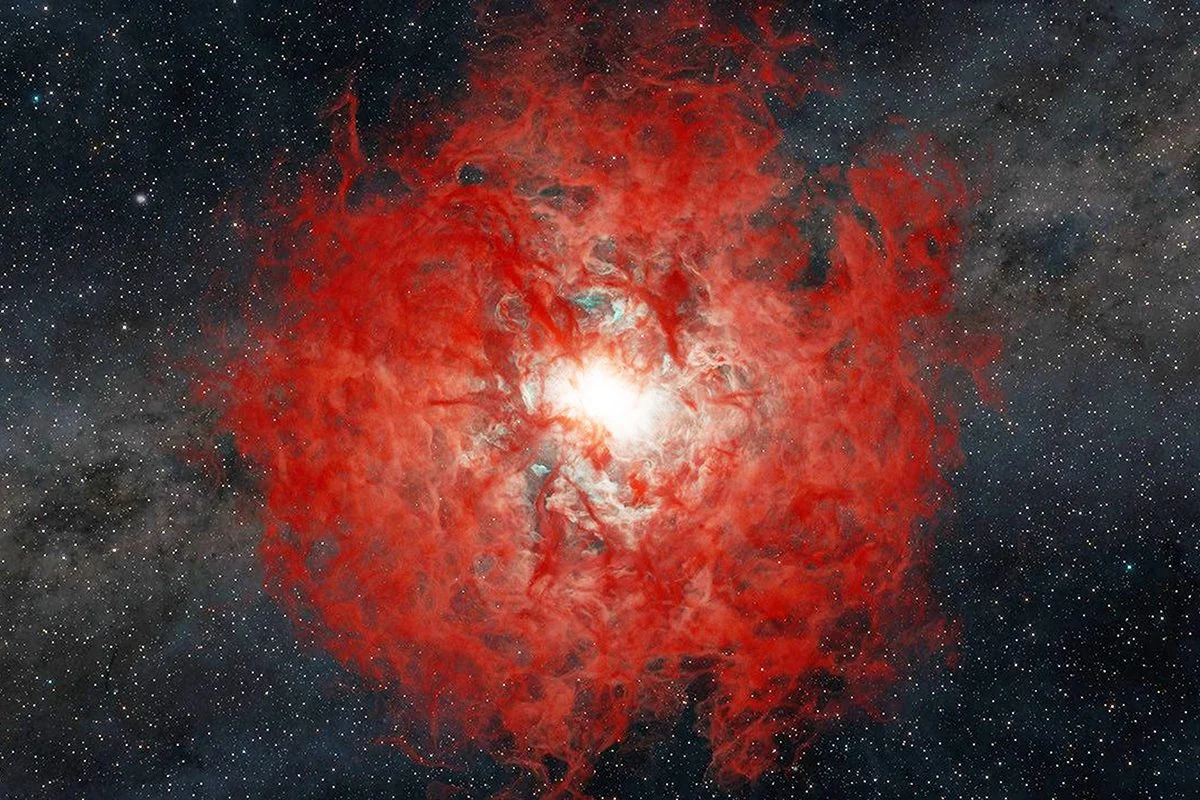
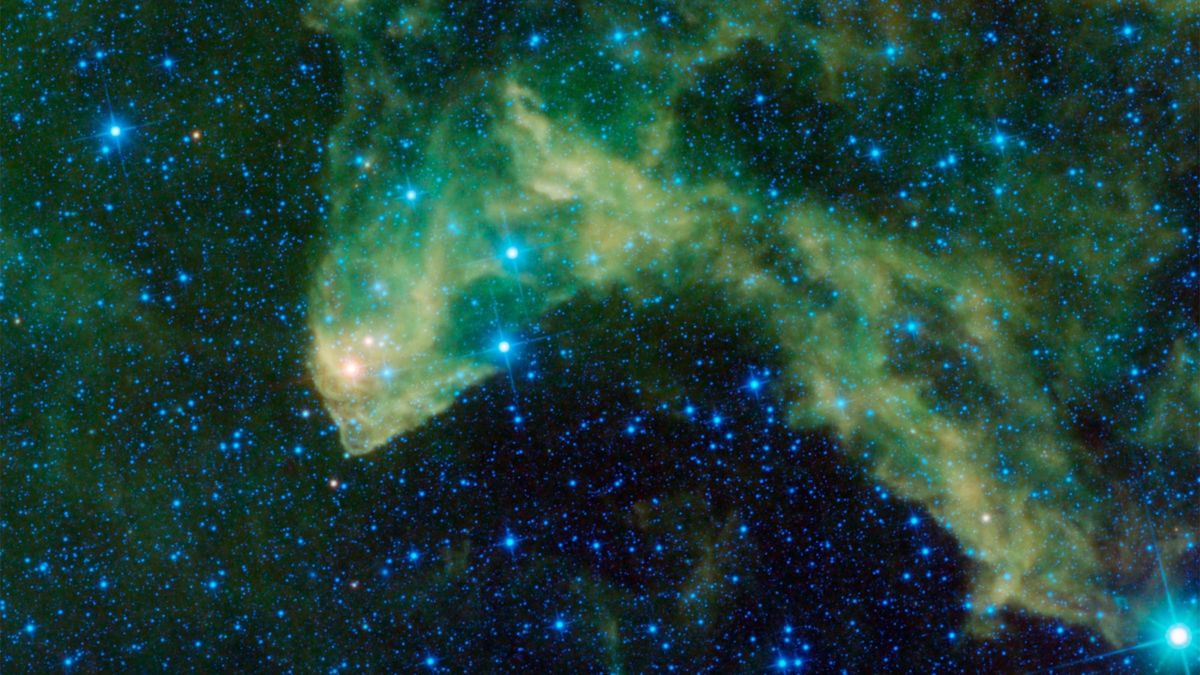
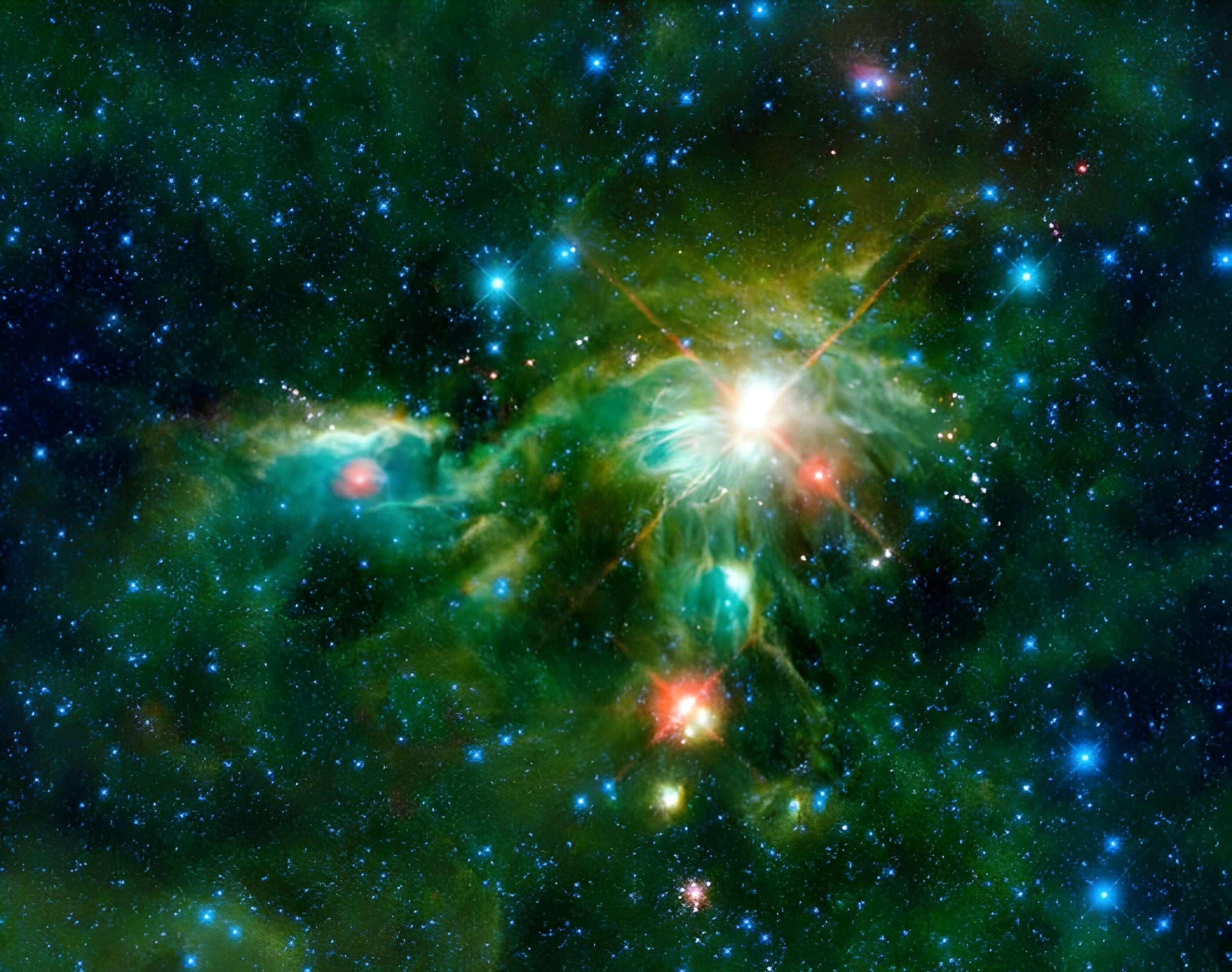
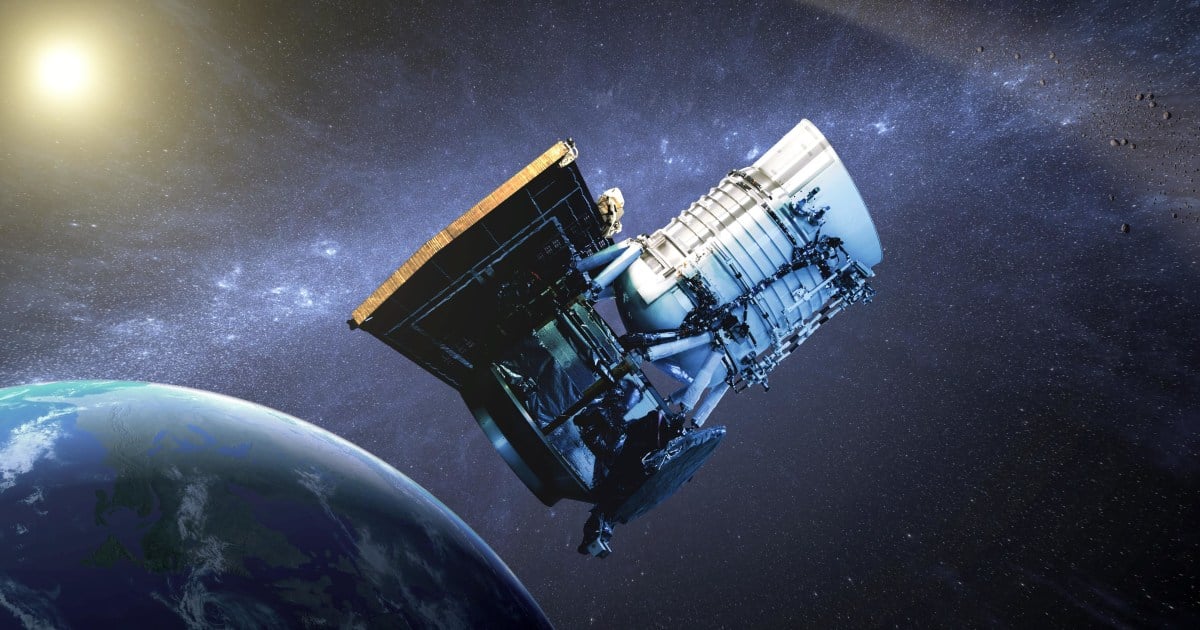
NASA's NEOWISE space telescope, originally launched as WISE in 2009, concluded its mission in July 2024 and reentered Earth's atmosphere in November, burning up. Before its end, NEOWISE conducted 21 sky surveys, capturing nearly 27 million images and studying over 3,000 near-Earth objects. The final data release includes never-before-seen images, offering insights into cosmic changes over time. The mission's legacy continues to impact time-domain science, providing valuable data for researchers and stunning images for the public.

science-and-technology1 year ago

Stunning New Space Images from Resilient NASA Telescope

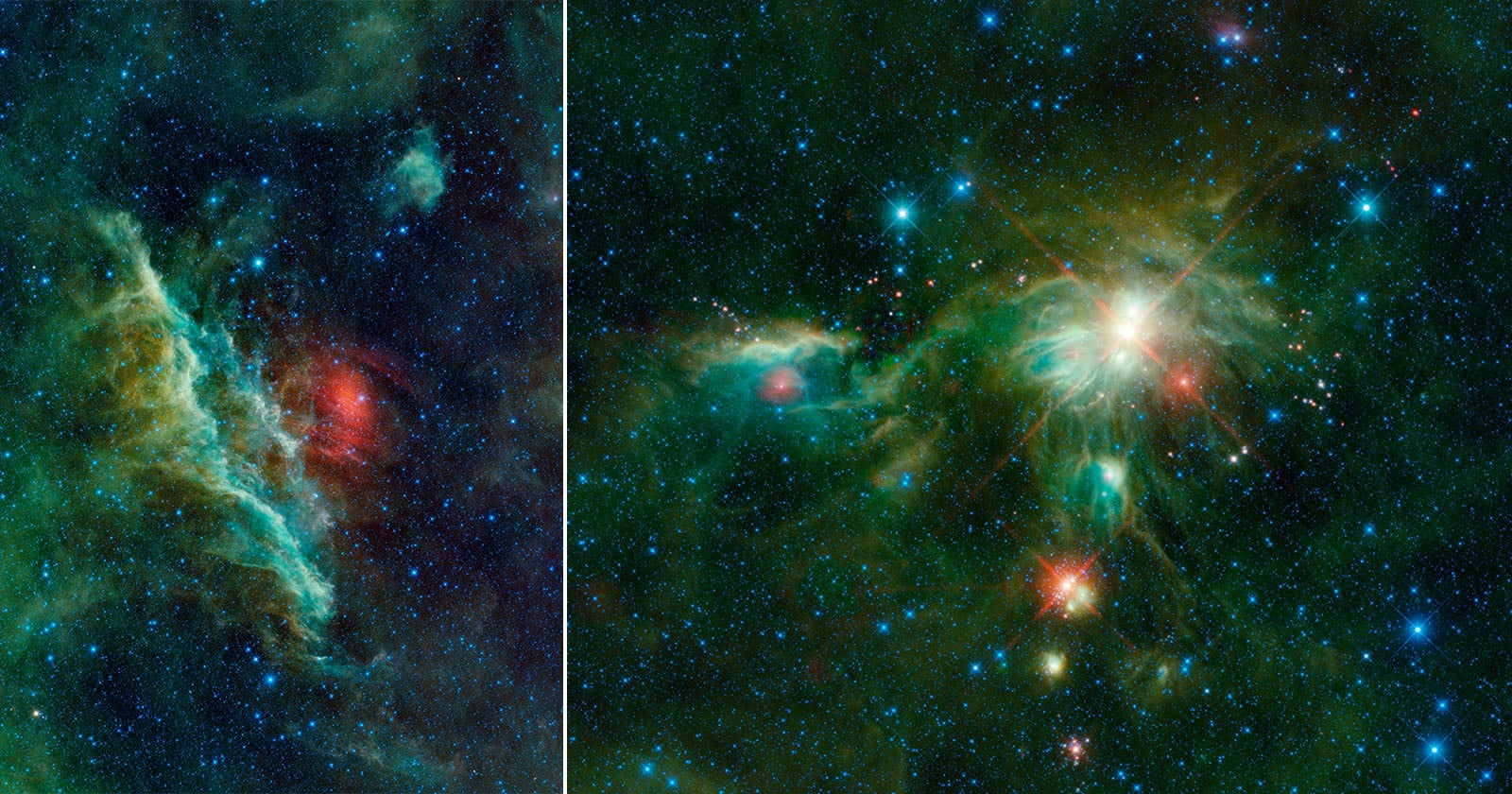
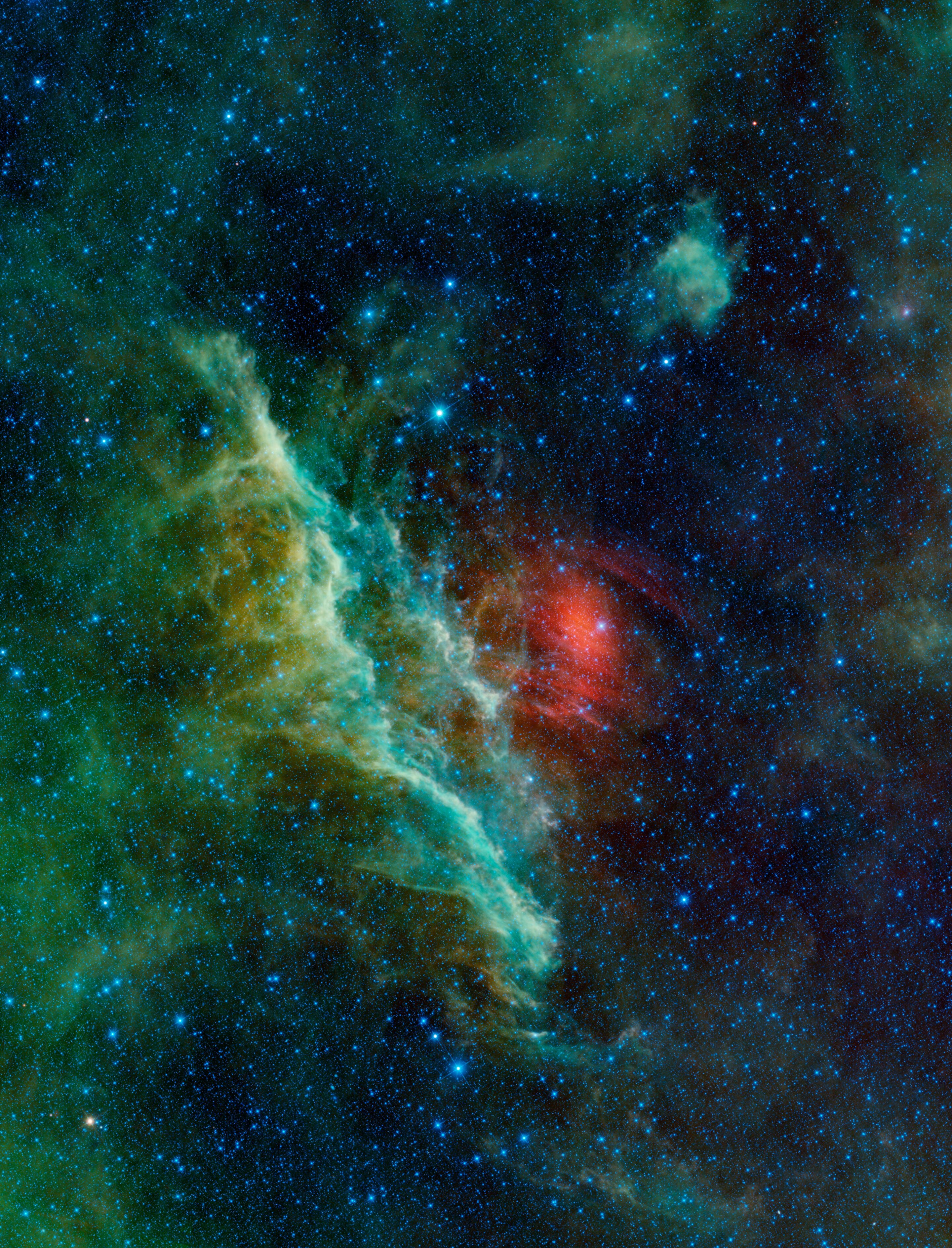
NASA's NEOWISE mission, originally the WISE spacecraft launched in 2009, has concluded after nearly 15 years of observing the night sky. The mission, which focused on tracking asteroids and comets, released its final data on November 14. To celebrate, six new images from the telescope's archives were unveiled, including stunning infrared views of the California Nebula and the Gecko Nebula. These images highlight the mission's contributions to time-domain science and the study of celestial objects.

science-and-technology1 year ago

NEOWISE Telescope's Final Photos Captivate with Stunning Detail

NASA's NEOWISE telescope, originally launched as WISE in 2009, has concluded its mission, leaving behind a rich legacy of data on near-Earth objects, comets, and celestial phenomena. Over 15 years, NEOWISE provided repeated observations of the same sky regions, enabling significant discoveries such as the characterization of over 3,000 near-Earth objects. The final data release includes stunning infrared images of regions like the California Nebula, highlighting the telescope's contributions to understanding the universe. The data will continue to aid future astronomical research.

science1 year ago

Unveiling Hidden Treasures: NEOWISE's Final Data and Images

NASA's NEOWISE mission, which concluded in 2024, has released its final data set, including over 26 million images and nearly 200 billion detected sources. Originally launched as WISE in 2009, the mission was reactivated in 2013 to focus on near-Earth objects. NEOWISE's extensive infrared data has been invaluable for studying asteroids, comets, and other celestial phenomena. The final release includes six new images, highlighting regions like the California Nebula, and underscores the mission's lasting impact on astronomy.

space1 year ago

NASA's NEOWISE Ends Mission with Fiery Re-Entry, Legacy Lives On

NASA's Near-Earth Object Wide-field Infrared Survey Explorer (NEOWISE) telescope has concluded its mission by burning up in Earth's atmosphere after over a decade of monitoring asteroids and comets. Originally launched as WISE in 2009, the telescope was repurposed in 2013 to focus on planetary defense, identifying 215 near-Earth objects. NEOWISE's end was due to increased solar activity affecting its orbit. Despite its demise, the mission laid the groundwork for future planetary defense efforts, with its successor, NEO Surveyor, planned for launch after 2027.

science-and-technology1 year ago

NEOWISE Asteroid Hunter Ends Mission in Fiery Reentry

NASA's NEOWISE spacecraft, originally launched as WISE in 2009, has ended its mission by burning up in Earth's atmosphere. The spacecraft, which surveyed 3,000 near-Earth objects, was repurposed in 2013 to focus on asteroid detection after its initial mission of observing the universe in infrared wavelengths. NEOWISE's demise was due to the solar maximum, which expanded Earth's atmosphere, causing the spacecraft to descend without propulsion. NASA plans to launch a successor, the NEO Surveyor, in 2027 to continue asteroid detection.

astronomy1 year ago

"Rare Sighting: 'Devil Comet' Photobombs Total Solar Eclipse"

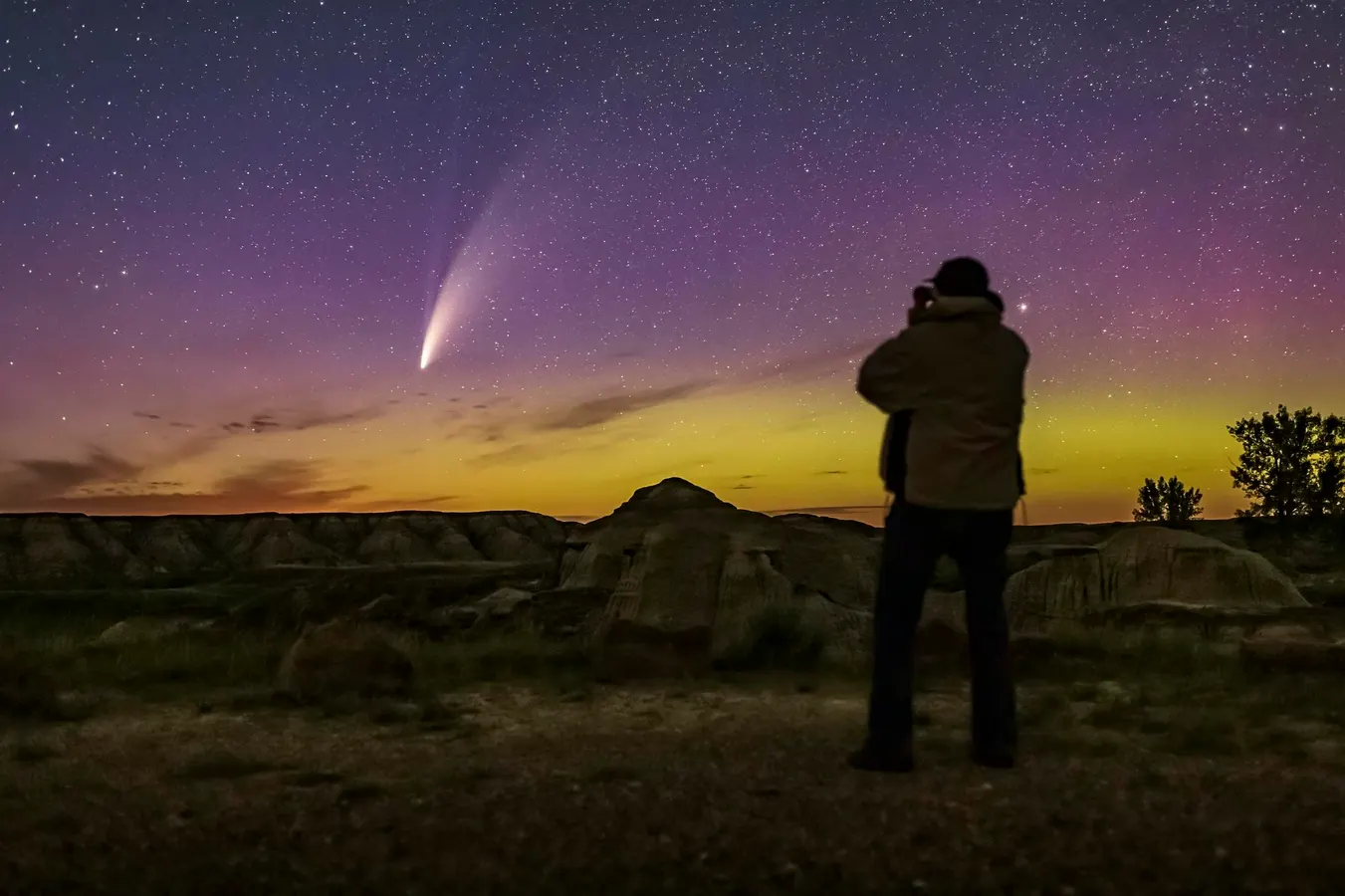
Comet 12P/Pons–Brooks, also known as the "Devil Comet," is currently visible in telescopes and binoculars in the western sky after sunset, and may become a naked eye object during the total solar eclipse on April 8. This "green comet," with a 71-year orbit around the sun, is currently at a magnitude of 5.9 and is best observed in early April when it's closest to the sun and Earth. Although it may be difficult to spot during the eclipse, it will be close to Jupiter and may be visible with binoculars or a small telescope.

science-and-technology1 year ago

"NASA's Controlled Demolition: The Science Behind Ending a Spacecraft's Mission"

NASA's NEOWISE spacecraft, which has been searching for near-Earth objects for over a decade, is nearing its end as it will drop into Earth's atmosphere and burn up due to increased solar activity affecting its low-Earth orbit. The spacecraft, originally the WISE mission, was repurposed in 2013 to search for near-Earth objects and has exceeded expectations. As NEOWISE prepares to go offline, the team is celebrating its accomplishments while also preparing for the launch of its successor, the NEO Surveyor mission.

space-science2 years ago

NASA's Asteroid-Hunting Telescope Faces Imminent Earthbound Fate

NASA's NEOWISE (Near-Earth Object Wide-field Infrared Survey Explorer) telescope, which has been instrumental in surveying near-Earth objects and detecting potential threats, is nearing its end as increased solar activity is causing it to gradually fall out of orbit. The Sun's heating of Earth's atmosphere is leading to increased atmospheric drag, pulling the telescope lower in Earth's atmosphere. NEOWISE is expected to become unusable in early 2025 and will eventually burn up in Earth's atmosphere. Despite its impending demise, the valuable data gathered by NEOWISE will continue to contribute to advancements in the study of the infrared universe.

space2 years ago

NASA's NEOWISE Mission: From Asteroid-Hunting to Earth's Atmosphere

NASA's NEOWISE mission, which has been hunting for asteroids and comets for over a decade, is expected to come to an end by 2025. The mission's space telescope, part of the WISE spacecraft, will be dragged out of orbit by solar activity and burn up in Earth's atmosphere. NEOWISE has made significant discoveries, including 215 asteroids and comets, but the rising phase of the solar cycle is causing the telescope to spiral back towards Earth with no means to keep it in orbit.

science-and-technology2 years ago

"NEOWISE: A Decade of Discovery Culminates in Final Mission"

NASA's NEOWISE (Near-Earth Object Wide-field Infrared Survey Explorer) space telescope, which has been instrumental in discovering comets, observing near-Earth objects, and supporting planetary defense strategies, is nearing the end of its mission. Solar activity is causing NEOWISE to fall out of orbit, and by early 2025, it is expected to drop low enough into Earth's atmosphere to become unusable. The spacecraft will eventually reenter the atmosphere and burn up. NEOWISE's legacy will be carried forward by NASA's upcoming NEO Surveyor, a next-generation infrared space telescope scheduled for launch in 2027.

science2 years ago

"NASA warns of multiple 'potentially hazardous' asteroids approaching Earth"

NASA is tracking an asteroid named "Asteroid 2018 KR" that is the size of a two-story house and is expected to make its closest approach to Earth today at a distance of about 2.4 million kilometres. The asteroid had previously approached Earth back in 1913 and is expected to come close to Earth again in 2043. NASA uses the NEOWISE telescope and Sentry II algorithm to predict potentially dangerous asteroids and take action in time.

science2 years ago

NASA warns of multiple asteroids approaching Earth at alarming speeds.

NASA's telescopes have detected an asteroid named 2017 UJ2, which is set to make an alarmingly close approach towards Earth on June 7 at a speed of 20261 kmph. The asteroid, almost the size of a car, will be just 1.26 million miles away from Earth, but poses no immediate threat as a potentially hazardous asteroid due to its size. NASA uses ground-based telescopes and its NEOWISE spacecraft to locate near-Earth celestial objects.

astronomy2 years ago

Astronomers witness star consuming planet in groundbreaking discovery.

Using the Zwicky Transient Facility and NASA’s NEOWISE observatory, scientists have directly observed an aging red giant star destroying a planet within its own star system for the first time. The planet was roughly the same size as Jupiter and orbited much closer to its host star than Mercury orbits our Sun. The event will provide astronomers with a glimpse into what the future of our solar system may look like when our Sun eventually absorbs Mercury, Venus, and possibly Earth. The research will help create a template for future studies that plan to investigate the absorption and destruction of planets by red giants.