Tag

At2021lwx

All articles tagged with #at2021lwx

astronomy2 years ago

Unprecedented Universe Explosion Observed by Astronomers.

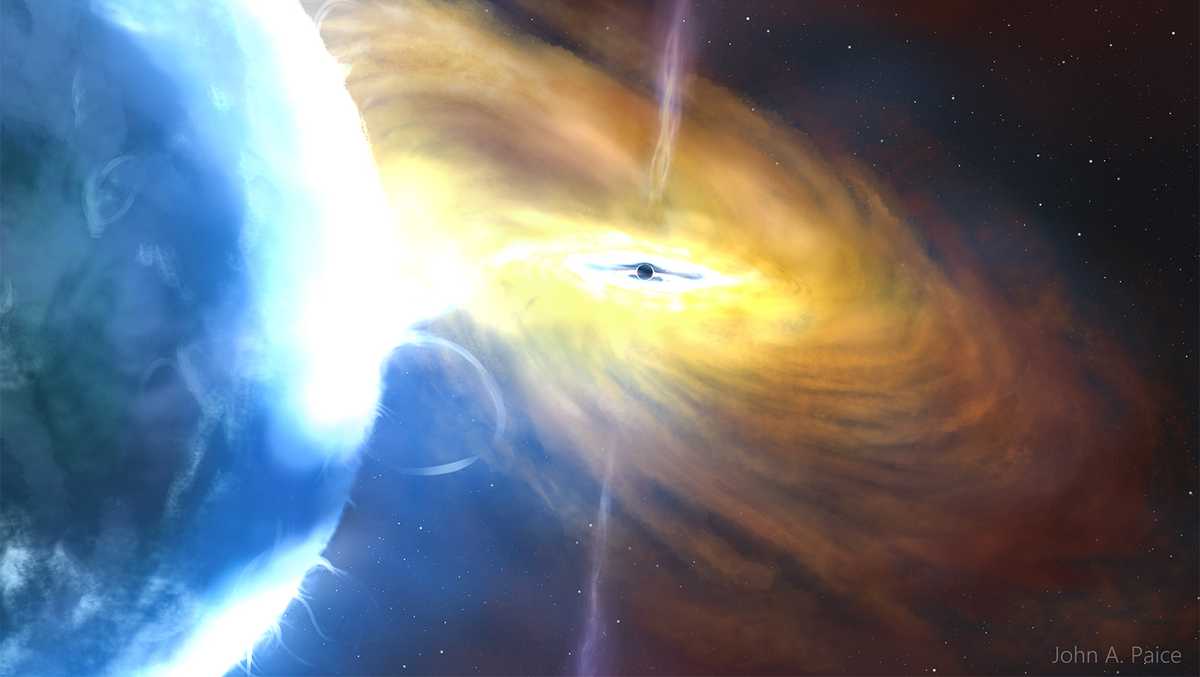
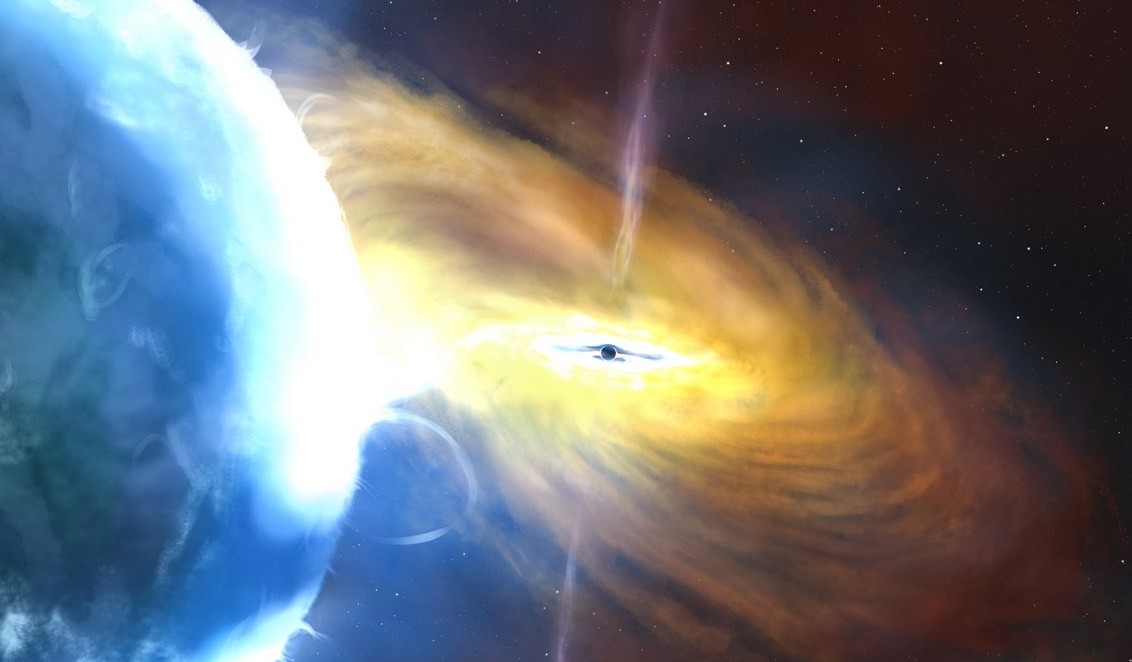
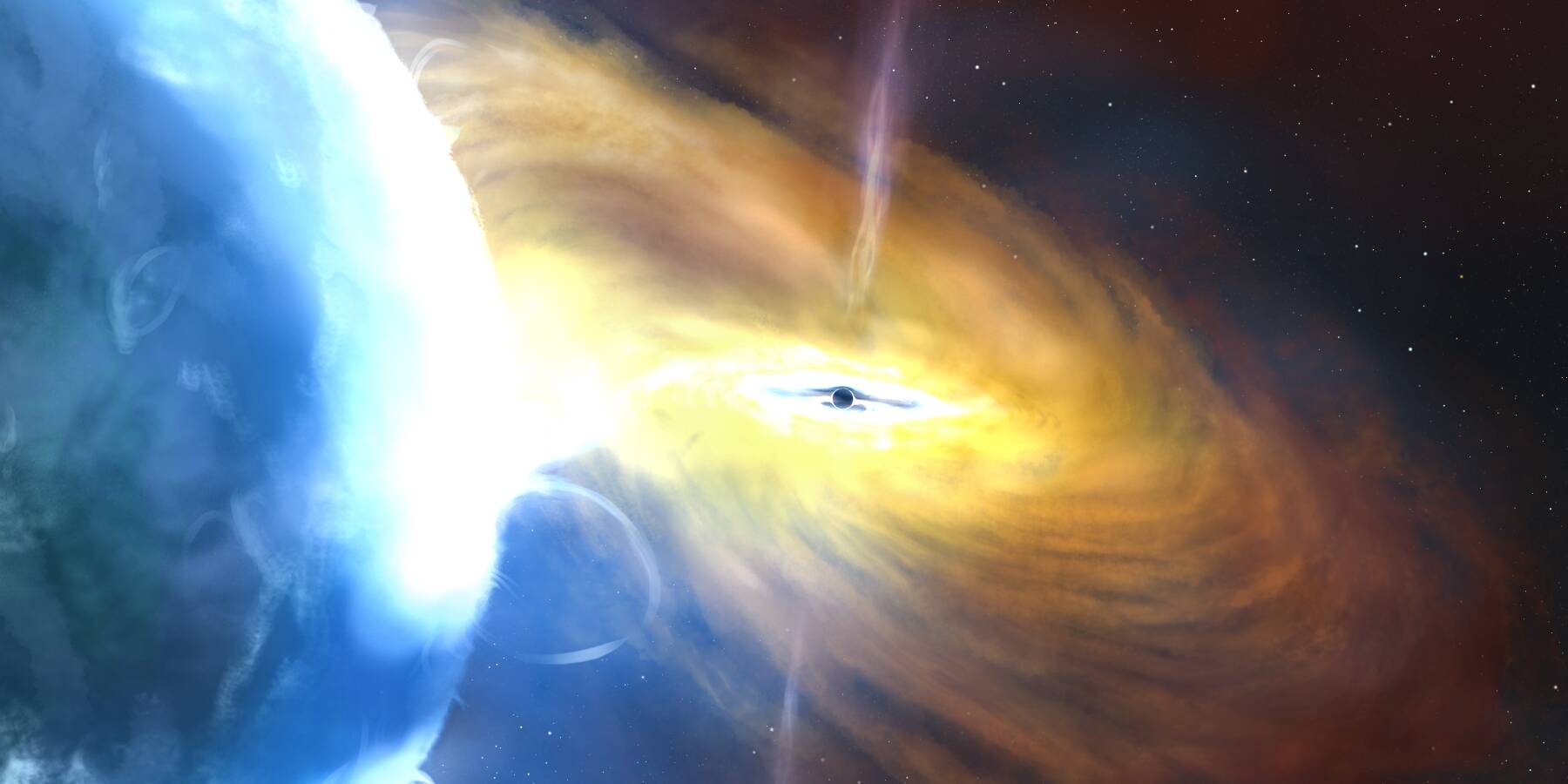
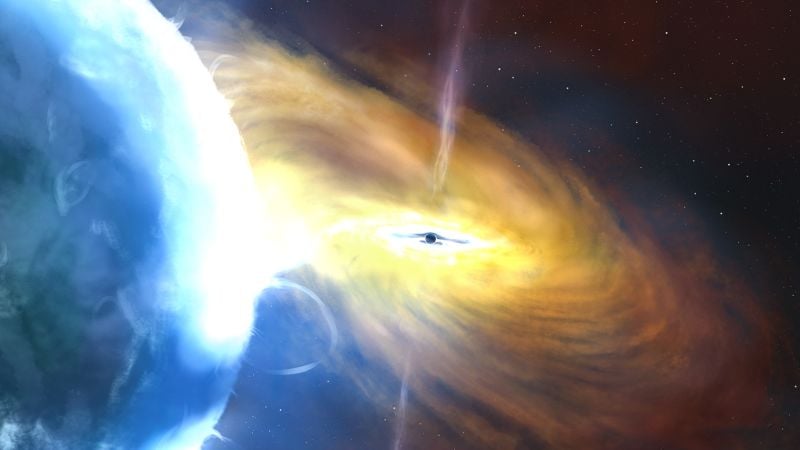
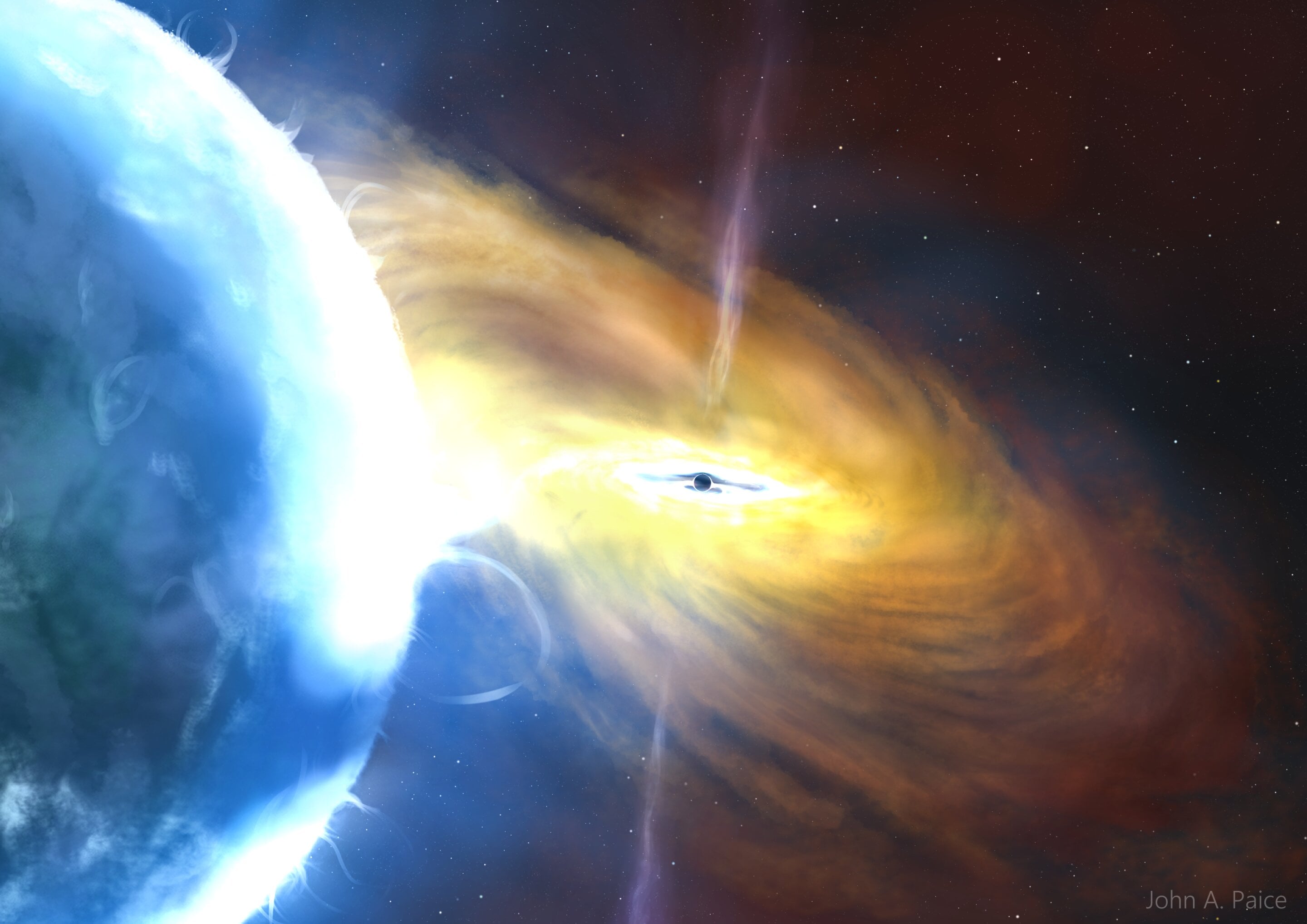
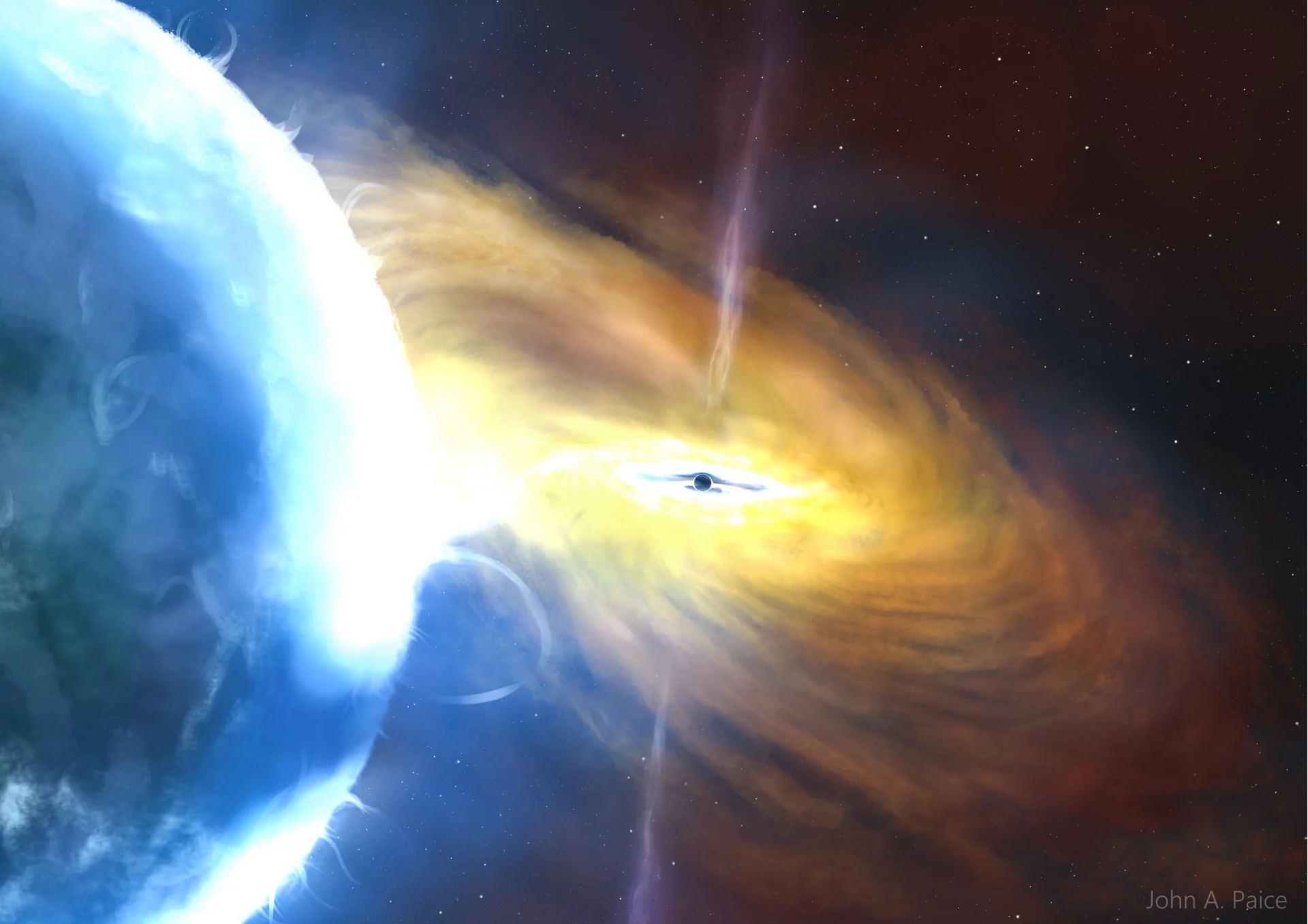
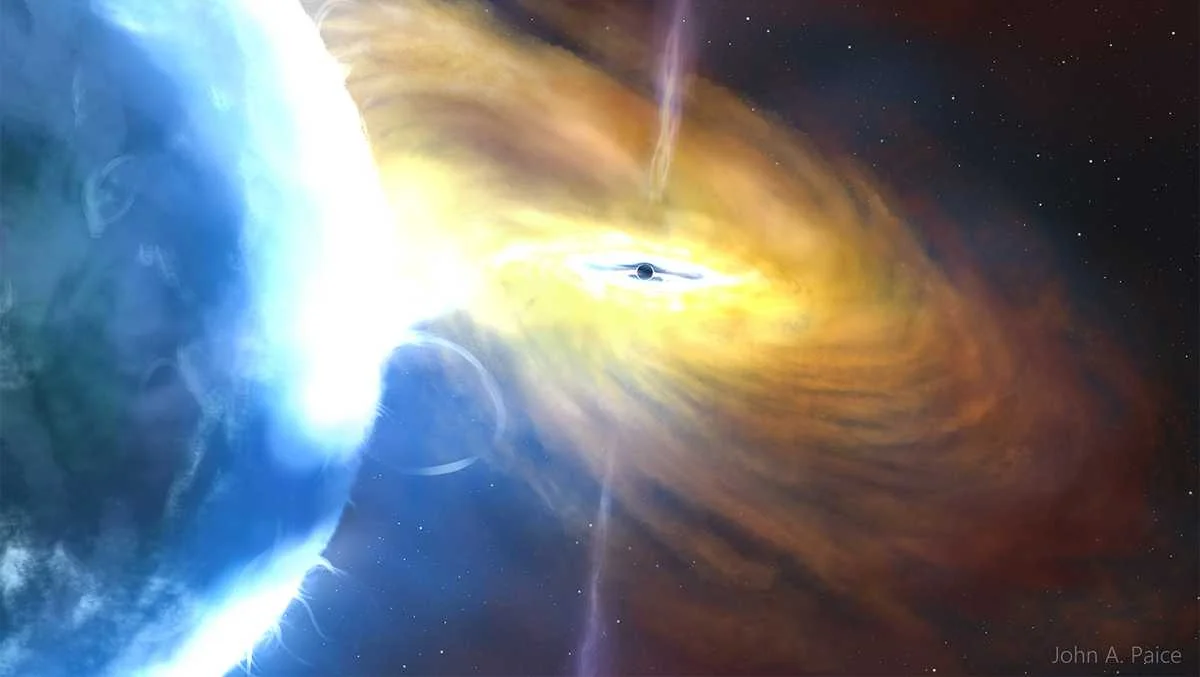
An international team of astronomers led by the University of Southampton has confirmed the most powerful cosmic explosion ever observed, AT2021lwx, which took place about 8 billion light-years away in the constellation Vulpecula. It was over ten times brighter than any supernova ever observed and 100 times brighter than all the stars in the Milky Way combined. The team believes the most likely explanation is that a supermassive black hole violently disrupted an extremely large cloud of gas or dust. The team hopes to collect more data on the explosion and run updated computer simulations to test their theory about what caused it.
space2 years ago

Record-breaking cosmic explosion detected by astronomers.

Astronomers have observed the largest explosion in space, called AT2021lwx, which has been ongoing for three years and is 10 times brighter than any known supernova. The explosion occurred 8 billion light-years away when the universe was 6 billion years old and is believed to be the result of a black hole violently disrupting a massive cloud of gas. The explosion's exceptional brightness is comparable only to quasars emitted by supermassive black holes. The researchers plan to study the explosion in different light wavelengths to understand its temperature and driving processes.

astronomy2 years ago

Astronomers witness unprecedented cosmic explosion.

Astronomers have detected the largest cosmic explosion ever witnessed, called AT2021lwx, which is 10 times brighter than any known exploding star and has lasted for three years. The explosion occurred nearly 8 billion light-years away from Earth and is thought to have been triggered by a supermassive black hole disrupting a vast gas or dust cloud. The event dethrones gamma-ray burst GRB 221009A as the brightest recorded cosmic explosion. The research team wants to collect more data across different wavelengths of light to learn about the details of the event, including its temperature.

astronomy2 years ago

Astronomers witness largest cosmic explosion in history of universe.

Astronomers have detected the largest cosmic explosion ever witnessed, called AT2021lwx, which is 10 times brighter than any known exploding star and has lasted for three years. The explosion occurred nearly 8 billion light-years away from Earth and is thought to have been triggered by a supermassive black hole disrupting a vast gas or dust cloud. The event dethrones gamma-ray burst GRB 221009A as the brightest recorded cosmic explosion. The research team wants to collect more data across different wavelengths of light to learn about the details of the event, including its temperature.

astronomy2 years ago

Astronomers Observe Largest Cosmic Explosion in History.

Astronomers have captured the largest explosion ever seen, known as AT2021lwx, which is more than 10 times brighter than any known supernova and three times brighter than the most radiant tidal disruption event. The explosion, which has lasted over three years, was caused by a vast cloud of gas thousands of times larger than our sun that fell into the jaws of a supermassive black hole. The overall energy released was far greater than initially thought, and the only things in the universe that can match it are quasars. The team is now setting out to collect more data on the explosion to understand how the centers of galaxies change over time.

astronomy2 years ago

Astronomers Witness Largest Cosmic Explosion in History

Astronomers have discovered the "largest" cosmic explosion ever observed, called AT2021lwx, which is 100 times the size of our Solar System and has been blazing in the distant universe for over three years. The explosion is estimated to be around two trillion times brighter than the Sun and is still blazing away. The most likely explanation for the explosion is that a massive, single cloud of gas is slowly being consumed by a supermassive black hole. However, more research is needed to understand the puzzling phenomenon.

astronomy2 years ago

Astronomers Discover Largest Cosmic Explosion Spewing Light for 3 Years

The largest cosmic explosion ever observed, known as AT2021lwx, has been discovered by a team of astronomers led by the University of Southampton. It is over ten times brighter than any previously-known supernova and three times brighter than the brightest tidal disruption event. Unlike most supernovae, which only remain visible for a few months, AT2021lwx has been visible for over three years. The explosion occurred nearly eight billion light years away and is still being monitored by a network of telescopes. The experts believe that AT2021lwx was likely caused by a vast cloud of gas, possibly thousands of times larger than our sun, which has been violently disrupted by a supermassive black hole.

astronomy2 years ago

Astronomers Witness Largest-Ever Cosmic Explosion and Explain Its Puzzling Nature.

Astronomers have observed the largest explosion yet in space, a years-long event involving a supermassive black hole estimated to be one billion times more massive than the Sun that continues to rage. The eruption, codenamed AT2021lwx, was first recorded by ground-based telescopes in 2020. The astronomer team believes this rare event has lasted so long because the supermassive black hole at the heart of it has been feeding on matter from a gigantic gas cloud, possibly thousands of times more massive than the Sun. The team will continue to study the explosion and is planning to observe it with spacecraft such as NASA's Hubble Space Telescope or the James Webb Space Telescope to try and hunt for the galaxy housing the supermassive black hole.

science2 years ago

Astrophysicists witness largest cosmic explosion in history

Scientists at Southampton University have discovered the largest explosion ever recorded in the cosmos, which they believe happened around 8bn years ago. The explosion, known as AT2021lwx, was caused by a giant gas cloud plummeting into a black hole, sending a shock 100 times the size of our solar system through the rest of the cloud. The discovery was accidental and only detectable from Earth due to the sheer magnitude of the explosion.

science2 years ago

Astronomers witness largest cosmic explosion in history.

Astronomers have detected the largest cosmic explosion ever witnessed, called AT2021lwx, which is 10 times brighter than any known exploding star. The explosion has lasted for three years, while most supernovas are only bright for a few months. The event occurred nearly 8 billion light-years away from Earth when the universe was about 6 billion years old. The explosion was triggered by a supermassive black hole disrupting a vast gas or dust cloud, potentially thousands of times larger than our sun. The findings were published in the Monthly Notices of the Royal Astronomical Society.

science2 years ago

Astronomers witness largest cosmic explosion on record.

Astronomers have identified the largest cosmic explosion ever observed, a fireball 100 times the size of our Solar System that suddenly began blazing in the distant universe more than three years ago. The explosion, known as AT2021lwx, has currently lasted more than three years, compared with most supernovae which are only visibly bright for a few months. Led by the University of Southampton, the astronomers believe the explosion is a result of a vast cloud of gas, possibly thousands of times larger than our sun, that has been violently disrupted by a supermassive black hole.

astronomy2 years ago

Astronomers witness largest explosion in the universe.

Astronomers from the University of Southampton have discovered the largest cosmic explosion ever seen, known as AT2021lwx, which is more than ten times brighter than any known supernova and three times brighter than the brightest tidal disruption event. The explosion has lasted over three years and is believed to be a result of a vast cloud of gas violently disrupted by a supermassive black hole. The explosion took place nearly 8 billion light years away and is still being detected by a network of telescopes.