Tag

Zoonotic Diseases

All articles tagged with #zoonotic diseases

health11 days ago

Map Highlights Countries Most Vulnerable to Disease Outbreaks

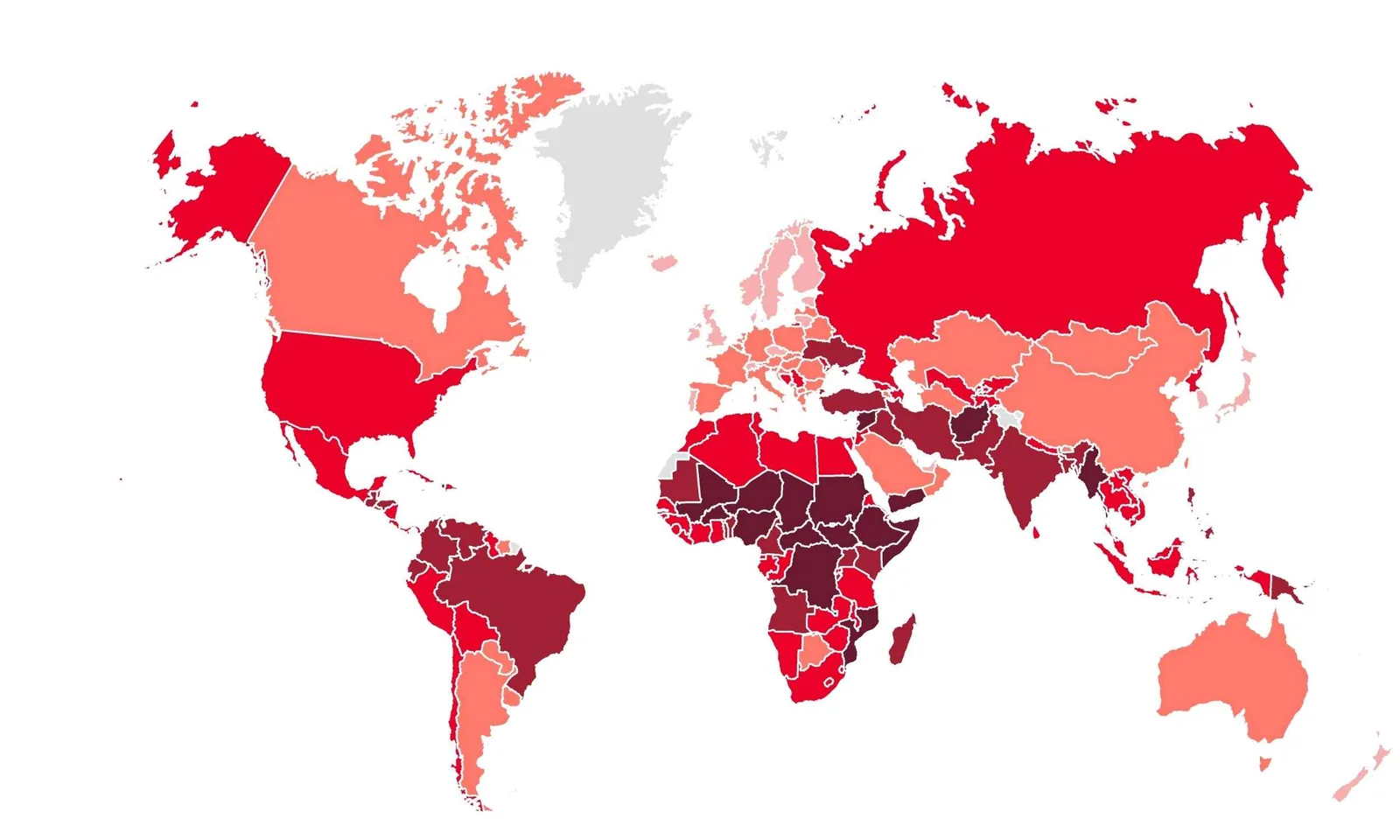
A new global risk map using machine learning and satellite data reveals that about 6.3% of land is highly vulnerable to disease outbreaks, especially in Latin America and Oceania, driven by climate change, land use, and population density, with varying levels of preparedness across countries. The map highlights the importance of early detection, response capacity, and international cooperation to prevent and manage outbreaks, particularly zoonotic diseases that jump from animals to humans.

environment1 year ago

Bobcats Return, Reducing Zoonotic Disease Risks

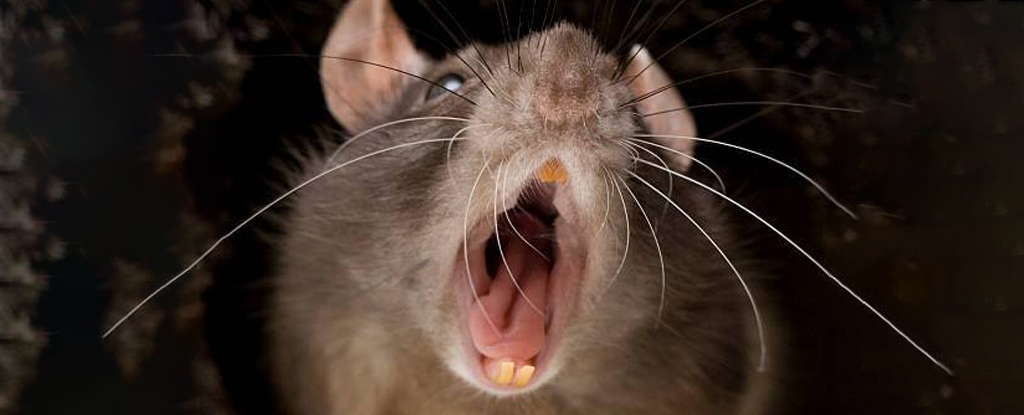
Bobcats have made a significant recovery across North America, playing a crucial role in controlling zoonotic diseases by preying on rodents that are efficient disease vectors. Despite facing threats from habitat loss, road traffic, and rodent poisons, bobcats help reduce the spread of diseases like Lyme by being poor disease hosts themselves. While hunting is legal in most U.S. states, California's potential reinstatement of bobcat hunting in 2025 raises concerns about the ecological impact and the importance of these wildcats in maintaining ecosystem health.

health-and-environment1 year ago

"Intensive Farming Linked to Higher Pandemic Risk, Study Finds"

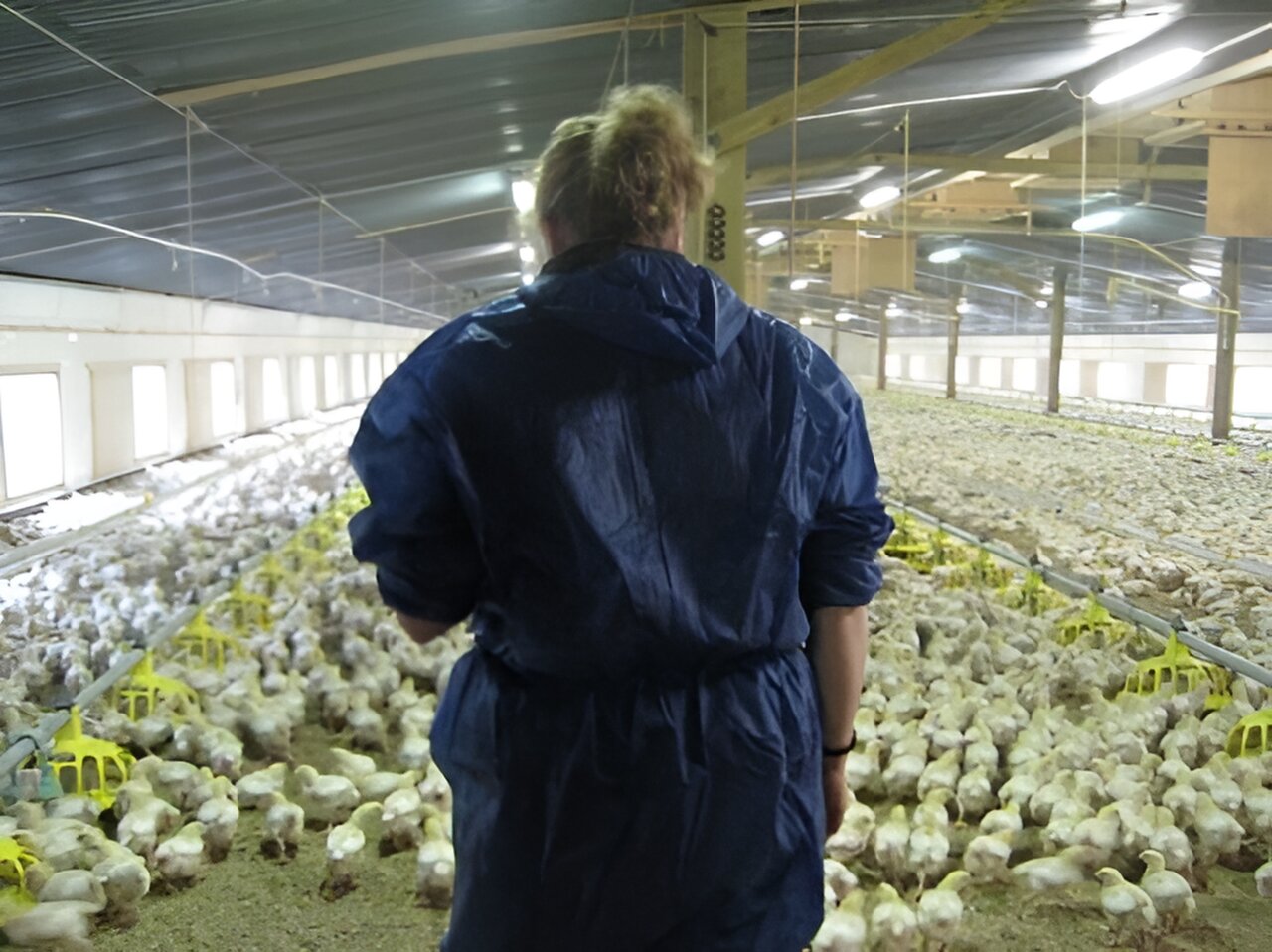
A study led by the University of Exeter warns that intensive farming may increase the risk of emerging infectious diseases (EIDs) due to social, economic, and political factors. While traditionally thought to reduce zoonotic disease risks through better control and biosecurity, the study highlights that real-world conditions, such as damaged infrastructure and wildlife intrusion, can undermine these measures. The research calls for a broader consideration of socio-cultural impacts on planetary health, environmental sustainability, and animal welfare.

health1 year ago

"New Model Reveals Complexity of Zoonotic Disease Transmission"

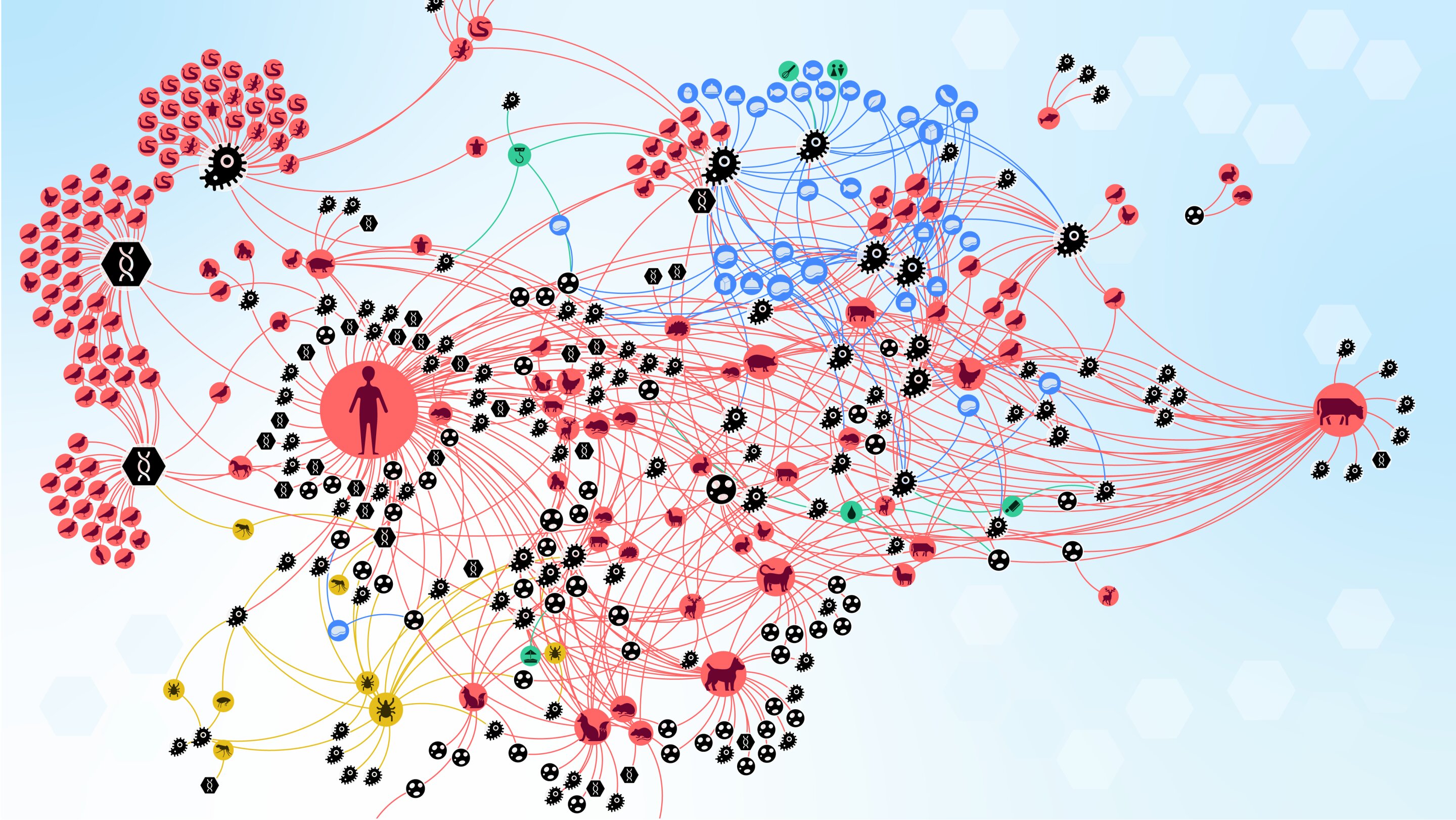
Researchers from the Complexity Science Hub and the University of Veterinary Medicine Vienna have developed a "zoonotic web" to map the complex interactions of zoonotic diseases in Austria, highlighting the importance of a holistic One Health approach. The study, published in Nature Communications, identifies key transmission routes and influential actors in zoonotic disease dynamics, emphasizing the need for public awareness and effective surveillance programs.

health1 year ago

Minnesota Warns Cat Owners of Rising Tularemia Cases

Minnesota health officials have issued a warning about a surge in tularemia infections, particularly advising cat owners to be cautious as the disease can be transmitted from pets to humans through bites or scratches. The state has already reported seven cases in 2024, and symptoms in animals include high fever, swelling, and skin sores. The Health Department recommends avoiding contact with wild animals, using tick repellent, and keeping pets indoors to prevent infection.

health1 year ago

First-Ever H5N1 Bird Flu Cases Detected in Alpacas

The USDA has confirmed the first cases of highly pathogenic avian influenza (H5N1) in alpacas on a farm in Idaho, where poultry had previously tested positive. The virus found in alpacas is closely related to the H5N1 strain circulating in dairy cattle. This development raises concerns about the virus's potential to infect a broader range of mammals and possibly humans, although no person-to-person transmission has been reported in the current US outbreak.

health1 year ago

"World Health Experts Warn of Inevitable Animal-to-Human Flu Pandemic"

Dr. Maria Van Kerkhove of the WHO has warned that Europe faces a high risk of a future flu pandemic, emphasizing that pandemics will continue to be a part of our lives. She highlighted the potential for influenza to jump from animals to humans and the need for robust preparedness systems. Experts, including Sir John Bell and Sir Jeremy Farrar, echoed these concerns, stressing the inevitability of future pandemics and the necessity for better global readiness.

health-science1 year ago

"Exploring Kitum Cave: Uncovering the Origins of Deadly Viruses"

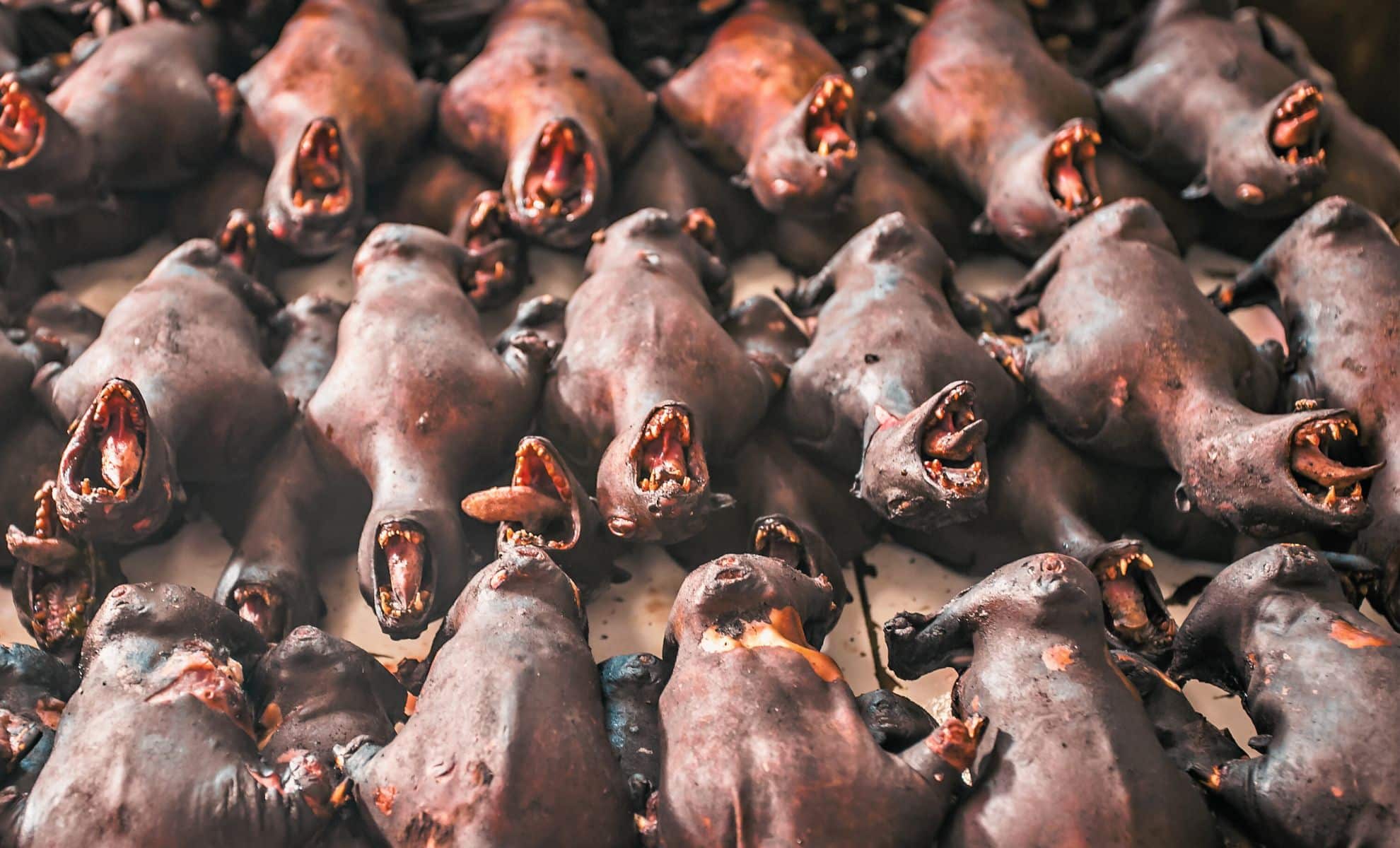
Kitum cave in Kenya, carved by elephants for salt, hosts some of the deadliest pathogens known to man, including the Marburg virus. The cave has been an incubator for zoonotic diseases, with bats carrying the deadly virus. Marburg virus, which can jump into humans from fruit bats, has been described as an epidemic-prone threat by the World Health Organization. There are no approved vaccines or treatments for the virus, and it can cause symptoms similar to Ebola and malaria, leading to bleeding from multiple orifices.

health1 year ago

"Rising Concerns: Avian Flu Spreads in Dairy Industry"

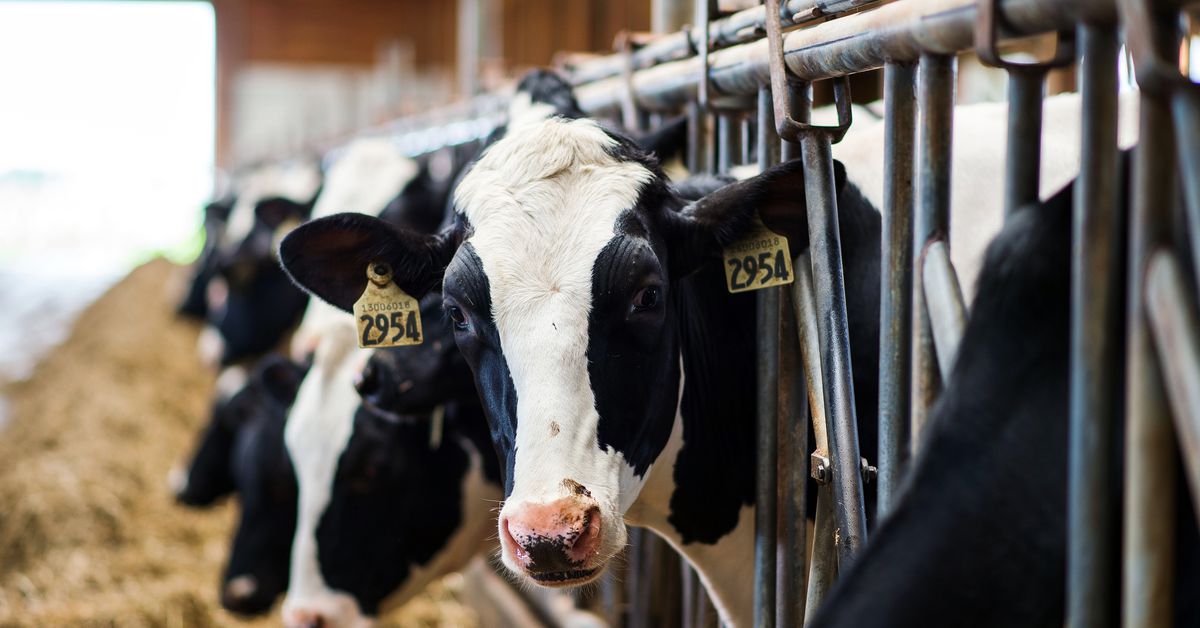
The highly virulent strain of avian flu, H5N1, has infected more than 20 dairy herds across eight states in the US, raising concerns about potential impacts on the food supply and human health. The American Association of Bovine Practitioners (AABP) has controversially suggested renaming the disease in cows as Bovine Influenza A Virus (BIAV) to maintain consumer confidence in beef and dairy products. The infectious disease trap model explains how animal agriculture contributes to zoonotic disease risk, and the rapid spread of bird flu in cows is attributed to long-distance transportation of animals, a hallmark of intensive animal agriculture systems. Efforts to contain the spread of the disease are underway, but experts argue that broader societal rethinking of the factory farm system is necessary to escape the infectious disease trap.

animal-welfare1 year ago

"Animal Protection Group Warns of High Risk of Zoonotic Diseases in China's Fur Farms"

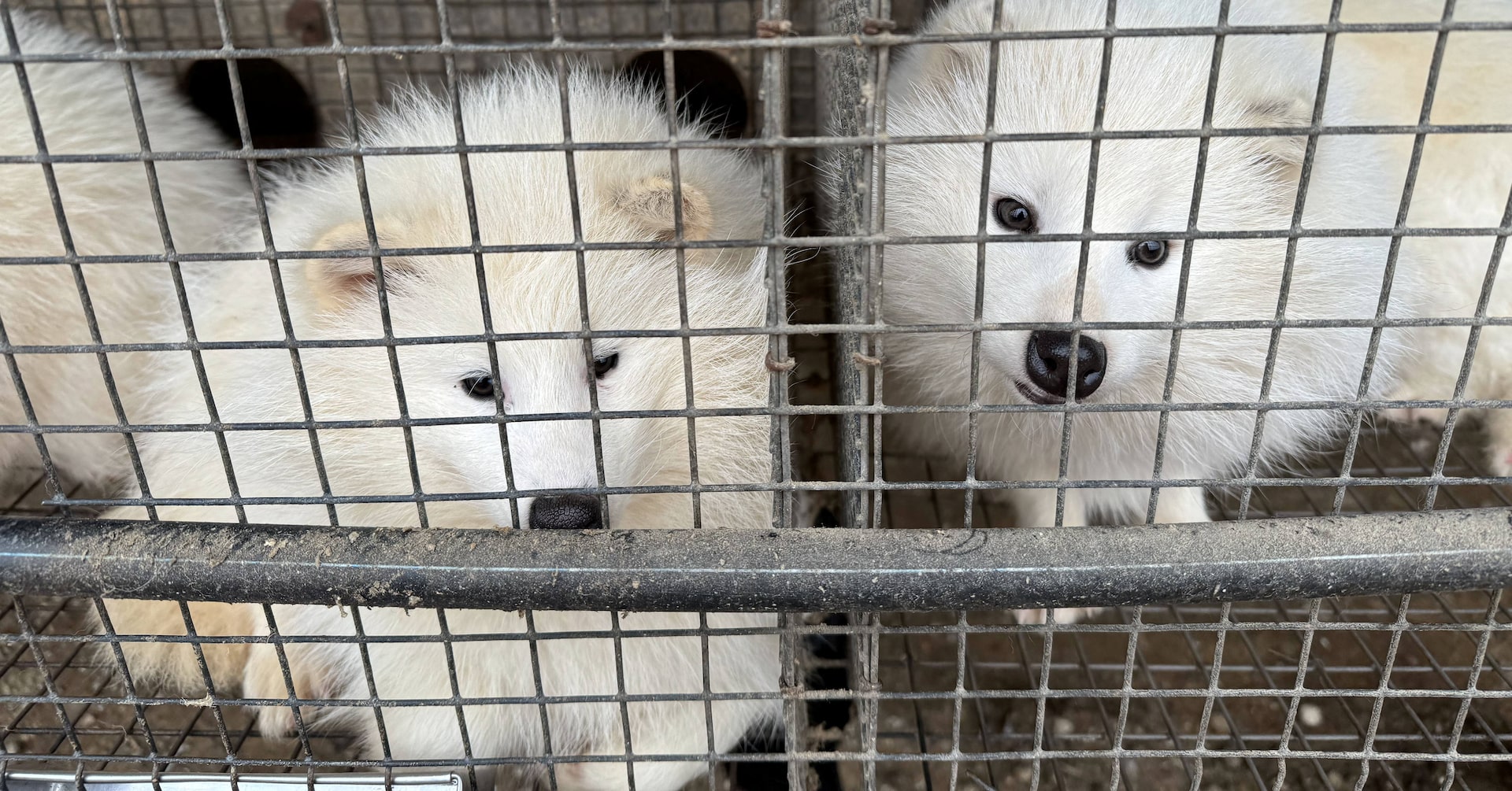
An investigation by Humane Society International found high risk of zoonotic diseases developing in Chinese fur farms due to intensive conditions and close proximity to poultry, raising concerns about potential transmission to humans. The high stocking density of animals facilitates rapid virus spread, with footage showing animals in distress and unsanitary conditions. Despite a decline in fur production, there is still robust demand for fur in China, as social media platforms continue to portray fur as desirable and practical for warmth.

health1 year ago

"Prevent Avian Flu: Cease Kissing Sick Birds Now"

A new study has found the avian flu virus, H5N1, present in at least some small fraction of New York City birds, highlighting the potential for zoonotic diseases to affect urban areas. The discovery serves as a reminder that urban spaces are not exempt from such threats, as there is an extensive interface between wild animals and humans in cities. While there is no reason to panic, it's important for New Yorkers to be aware of the presence of the virus and to keep a safe distance from sick or dead birds and animals.

science-and-environment1 year ago

"Human Transmission: The Leading Cause of Animal Viral Spread"

A new analysis of viral genomes reveals that humans pass on almost twice as many viruses to domestic and wild animals as we receive from them, posing a significant threat to other species. This is due to our large population size, global distribution, and behavior, which stress out the environment and make neighboring creatures more susceptible to viruses. The study also identifies features that could warn of a virus's ability to become zoonotic, emphasizing the importance of surveying and monitoring human-to-animal transmission of viruses for both human and animal health.

health1 year ago

"First Human Case of Avian Flu in Texas Raises Concerns About Contagion"

A person in Texas has tested positive for bird flu, contracted from a cow, marking the second case in the US in two years. The virus has caused widespread devastation among domestic flocks and wild animals, including marine mammals. While the risk to humans remains low, concerns arise as the virus spreads to different animals, including mammals. Scientists are monitoring the virus's evolution and its potential to pose a higher risk to humans. The outbreak underscores the need for close surveillance, potential vaccines, and significant changes to animal agriculture to prevent the spread of zoonotic diseases like bird flu.

health-science1 year ago

"Human Transmission: The Surprising Source of Animal Pandemic Threats"

A study from University College London suggests that humans pass on more viruses to animals than they catch from them, highlighting the potential for human-to-animal virus transmission to spark health crises. The research analyzed tens of thousands of viral genomes and found that almost two-thirds of the samples were transmitted to animals via humans. This human-to-animal virus transmission could pose a conservation threat to species and impact food security. The study emphasizes the need to monitor and understand viral evolution to better prepare for future outbreaks and epidemics. The origins of the Covid-19 virus remain a subject of debate, with theories ranging from natural origins at a Wuhan market to a potential lab leak.