After leaving the WHO, the Trump administration is weighing a domestic, $2 billion-a-year plan to recreate the global disease surveillance and outbreak-response functions the U.S. formerly accessed through the WHO, arguing it would be cheaper and keep these capabilities under U.S. control.
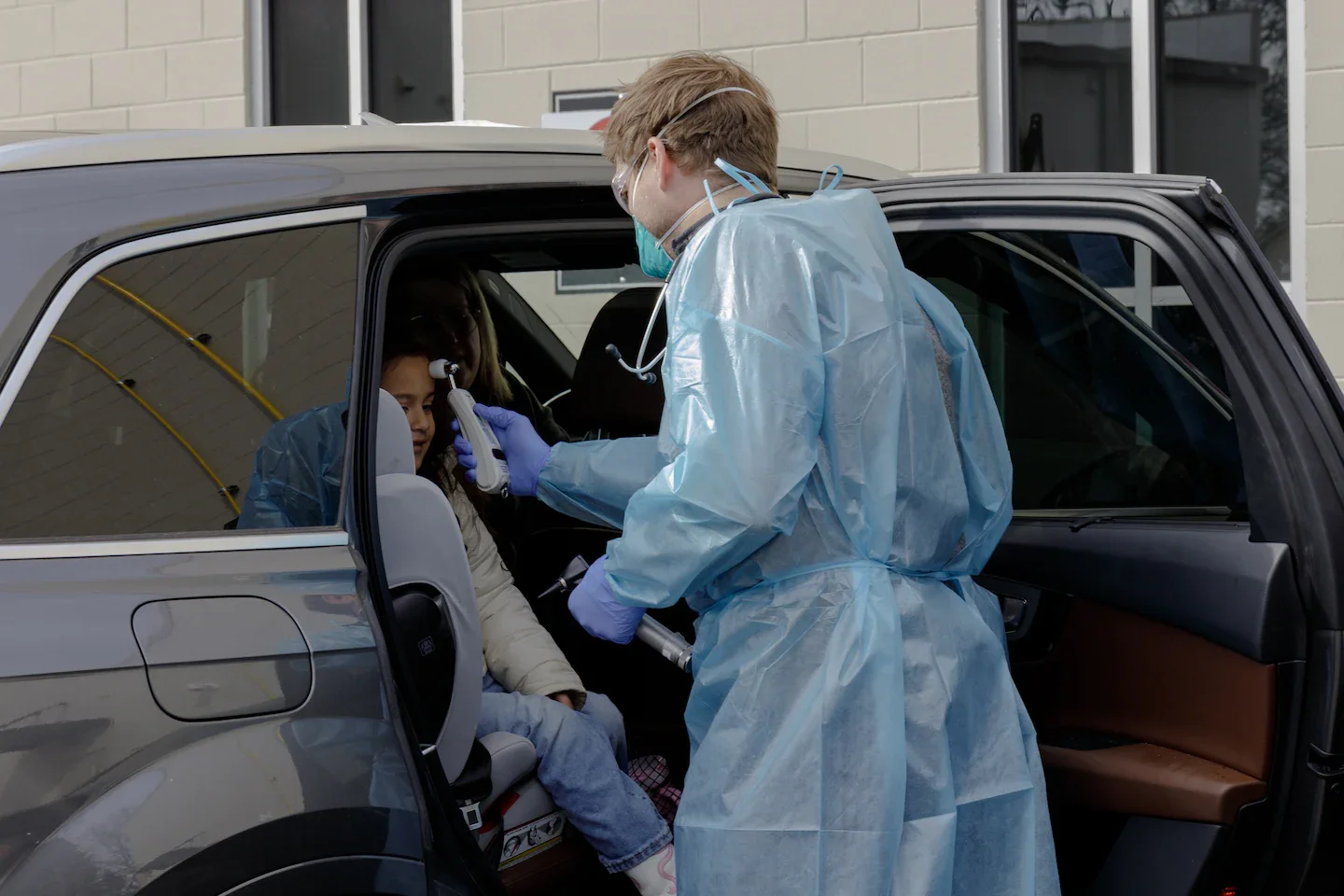
Virginia public health officials warn of possible measles exposure after a contagious passenger traveled through Dulles International Airport; authorities declined to release details about the individual, including age, vaccination status or condition.
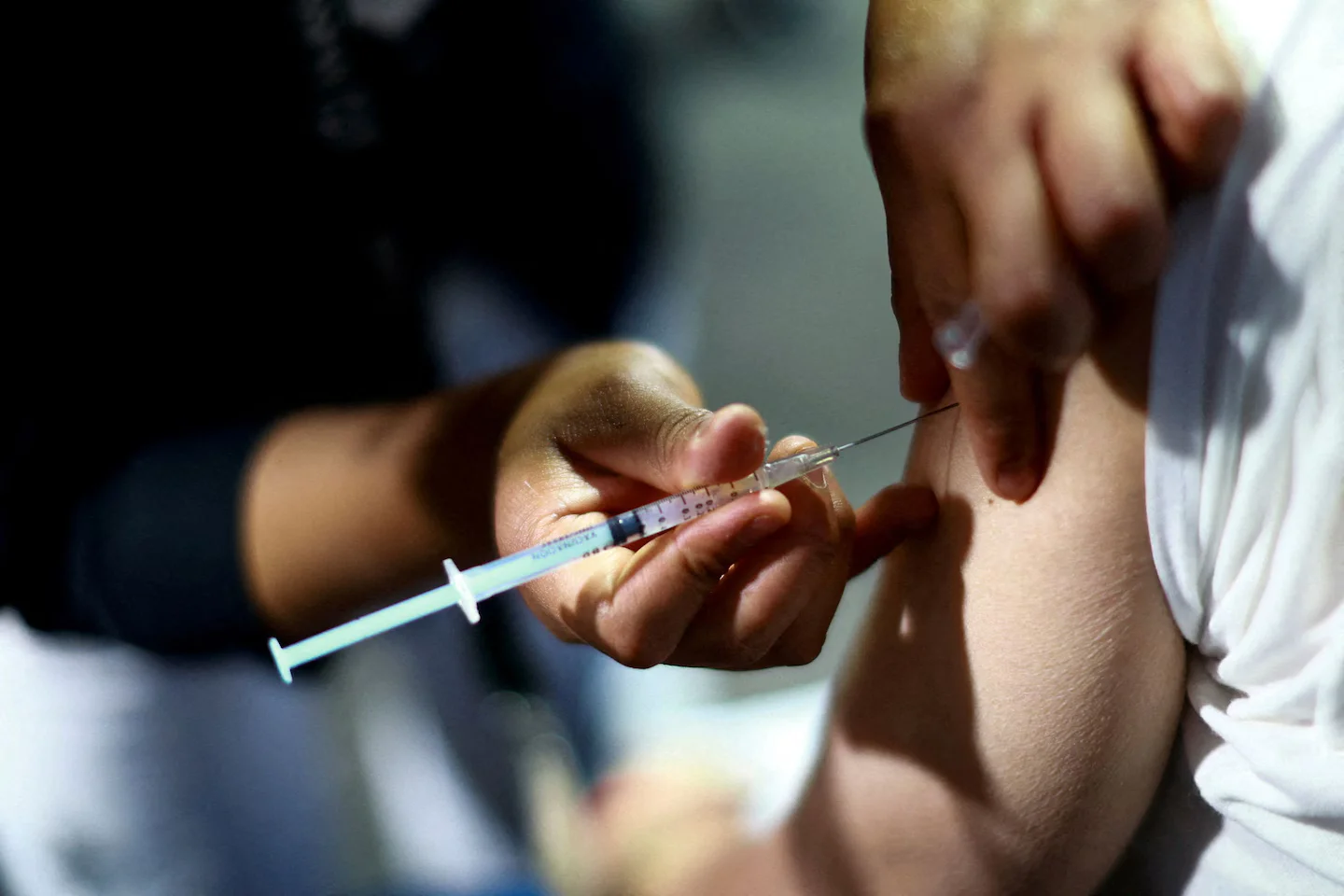
South Carolina is facing the country’s largest measles outbreak in decades, with more than 840 cases—mostly among unvaccinated individuals. The outbreak, which began in October in the Spartanburg area where vaccination coverage has slipped below what’s needed to stop transmission, underscores broader national trends of declining vaccination rates due to exemptions and rising clusters of susceptible people that enable the highly contagious virus to spread.
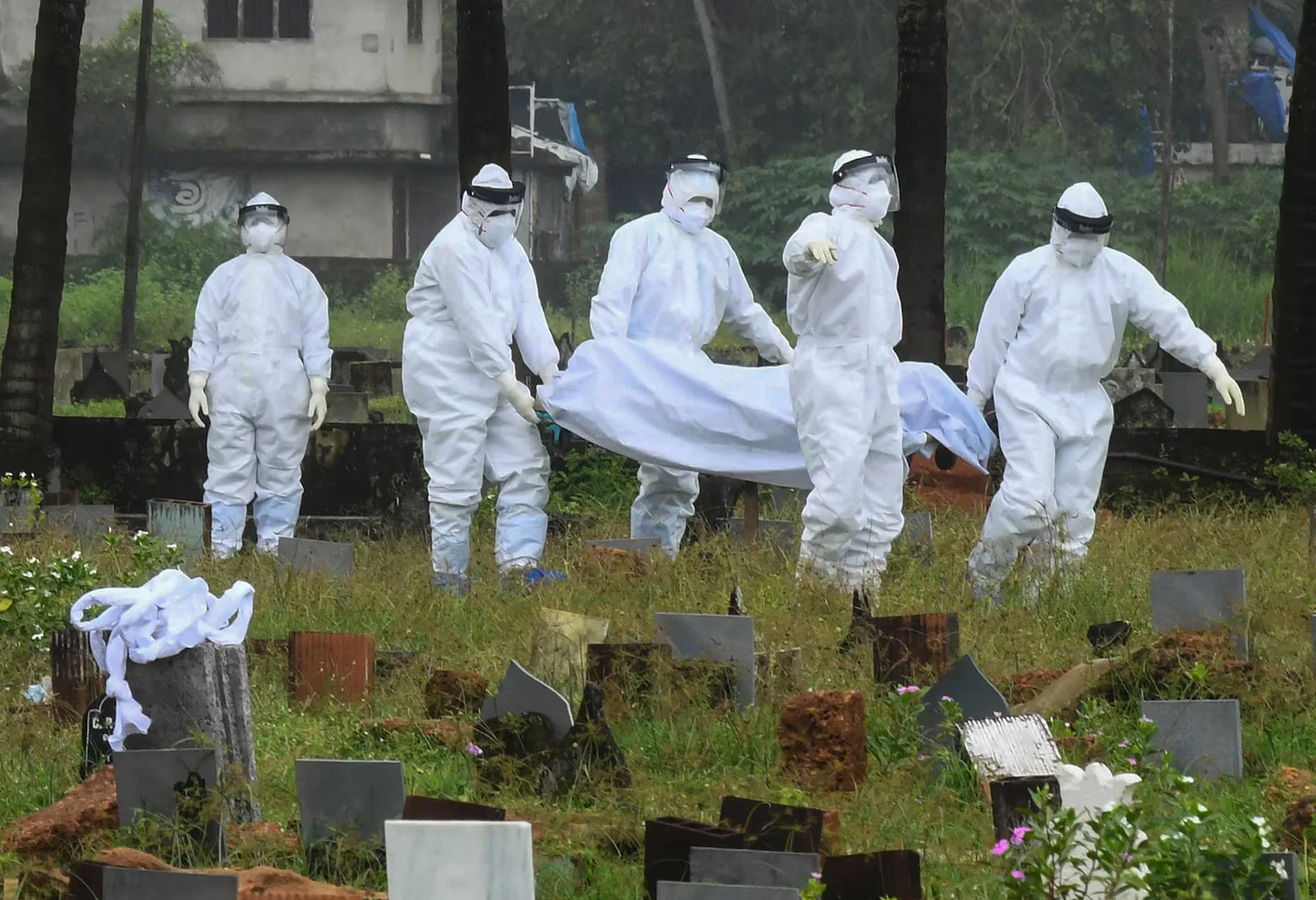
Airports in Asia are on alert as Nipah virus cases rise in West Bengal, India. With no cure available and outbreaks occurring nearly every year in South Asia, health authorities are boosting screenings (Thailand) and considering threat-status updates (Taiwan) as regional vigilance increases.
Oklahoma's Health Department refuses to share county-level measles data, citing privacy laws, unlike other states, which hampers community response and transparency during outbreaks, raising concerns among public health experts about the impact on disease mitigation efforts.
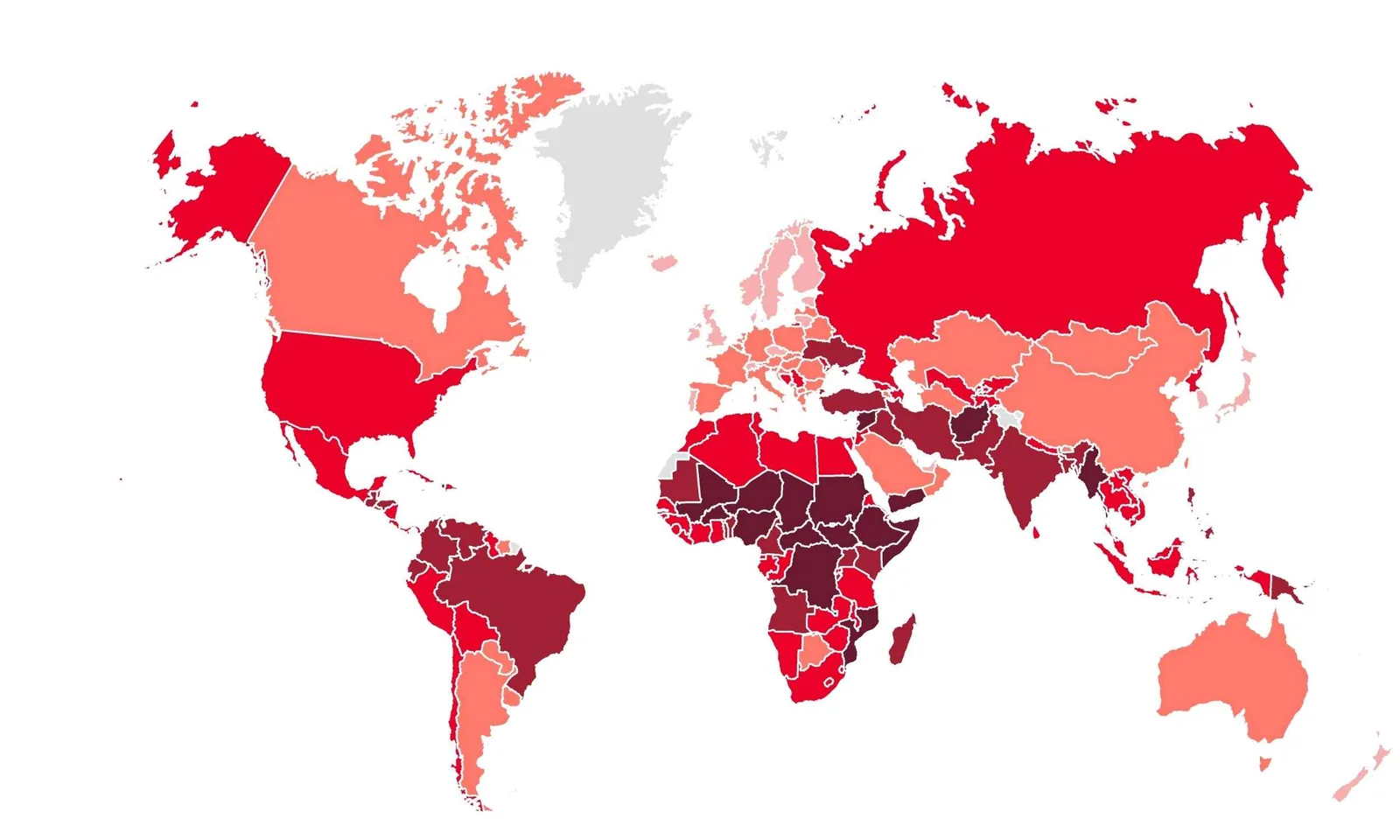
A new global risk map using machine learning and satellite data reveals that about 6.3% of land is highly vulnerable to disease outbreaks, especially in Latin America and Oceania, driven by climate change, land use, and population density, with varying levels of preparedness across countries. The map highlights the importance of early detection, response capacity, and international cooperation to prevent and manage outbreaks, particularly zoonotic diseases that jump from animals to humans.
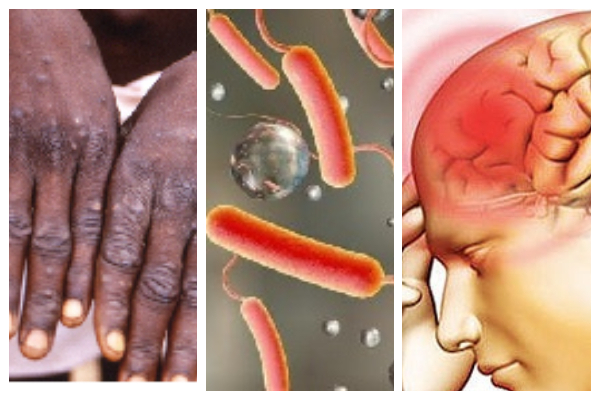
In 2025, Ghana faced multiple major disease outbreaks including Mpox, cholera, meningitis, and typhoid, prompting urgent public health responses across various regions to control the spread and mitigate impacts.
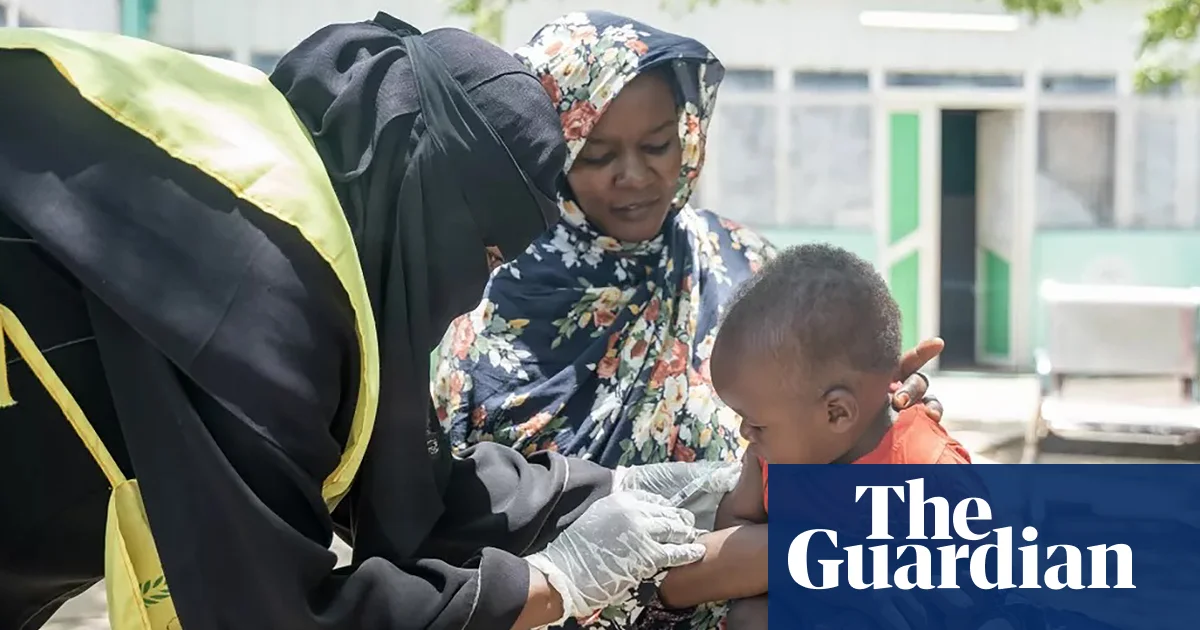
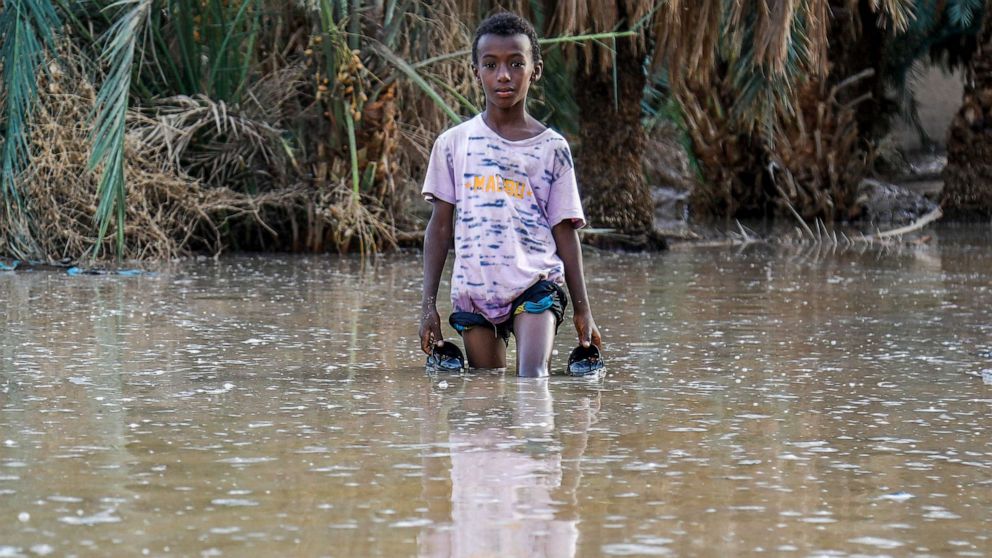
Children in Sudan face a severe decline in vaccination rates due to ongoing conflict, with coverage dropping from over 90% in 2022 to 48%, increasing their vulnerability to deadly infectious diseases amid a major humanitarian crisis.
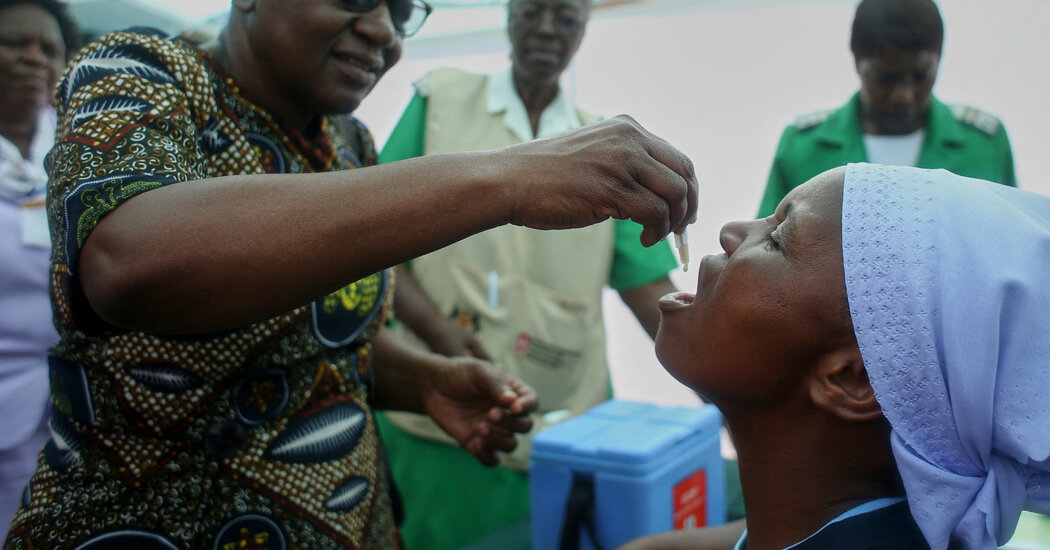
The global stockpile of cholera vaccine has been depleted as deadly outbreaks of the disease continue to spread, with three new vaccine makers working to replenish the stockpile. The only current vaccine producer is also expanding its production efforts, but the total global supply available this year is expected to be only a quarter of what is needed, as countries have already reported 79,300 cases and 1,100 deaths from cholera in 2024.
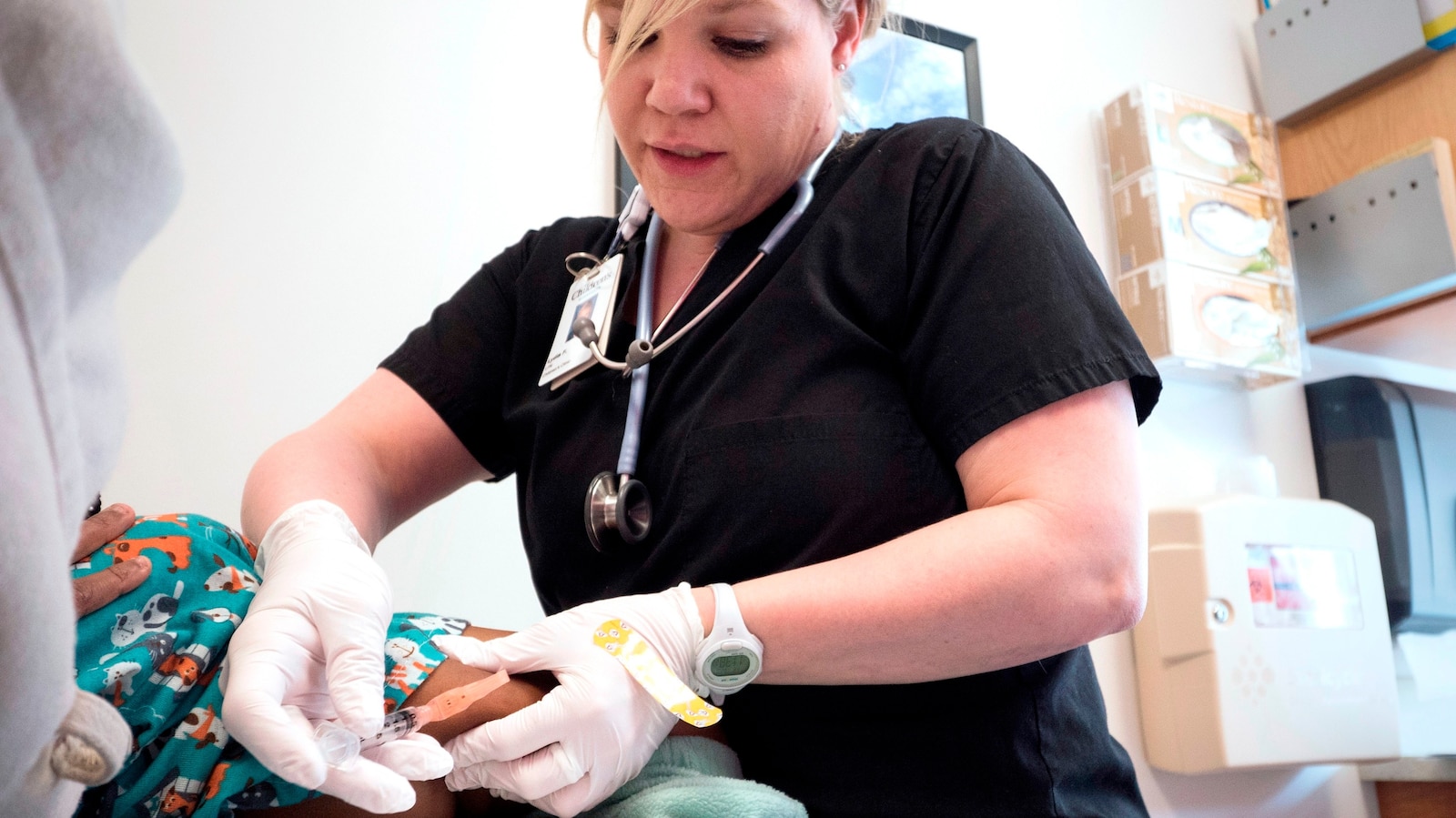
The CDC reports a 2% drop in national MMR vaccination coverage for kindergarteners, leaving approximately 250,000 children vulnerable to measles. This decline marks the third consecutive year of coverage below the 95% target. Exemptions for school vaccines are at an all-time high, with 10 states reporting exemptions exceeding 5%. Measles outbreaks in Florida and Philadelphia highlight the concerning trend, with 20 cases reported across 11 jurisdictions. Health experts emphasize the importance of vaccination to prevent further spread of the highly contagious disease.
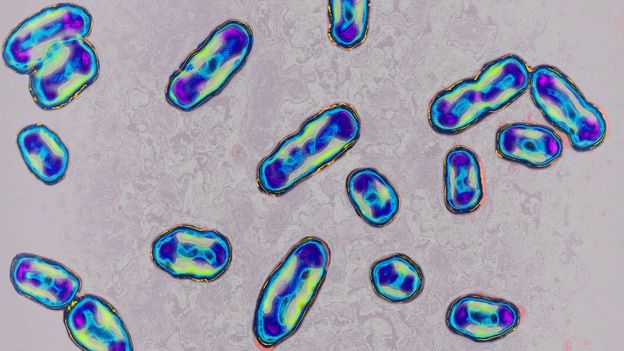
Bubonic plague, while now rare and treatable with antibiotics, has left a lasting impact on the human immune system. Recent genetic research suggests that survivors of the Black Death in the 14th century may have passed on genetic advantages that helped them combat the disease. Studies have identified specific genetic variants related to the human leukocyte antigen (HLA) system and the ERAP2 gene that may have provided protection against the plague. Understanding how the plague rewired the human immune system in the past can provide valuable insights for vaccine and drug development today.
Wastewater surveillance is increasingly being used to monitor disease outbreaks by studying pathogens in sewage, providing early warnings of infectious diseases and aiding in intervention efforts. This method has been traditionally used to track specific deadly pathogens, but now it's being expanded to monitor a wider variety of infectious diseases, including respiratory pathogens like influenza and SARS-CoV-2. New technology platforms are making data collection more efficient, and the impact of wastewater surveillance is likely to be significant in managing disease outbreaks in low-income nations. Additionally, this surveillance could help in predicting the evolution of common viruses, detecting antibiotic resistance genes, and potentially catching future epidemic outbreaks or pandemics in their earliest stages.
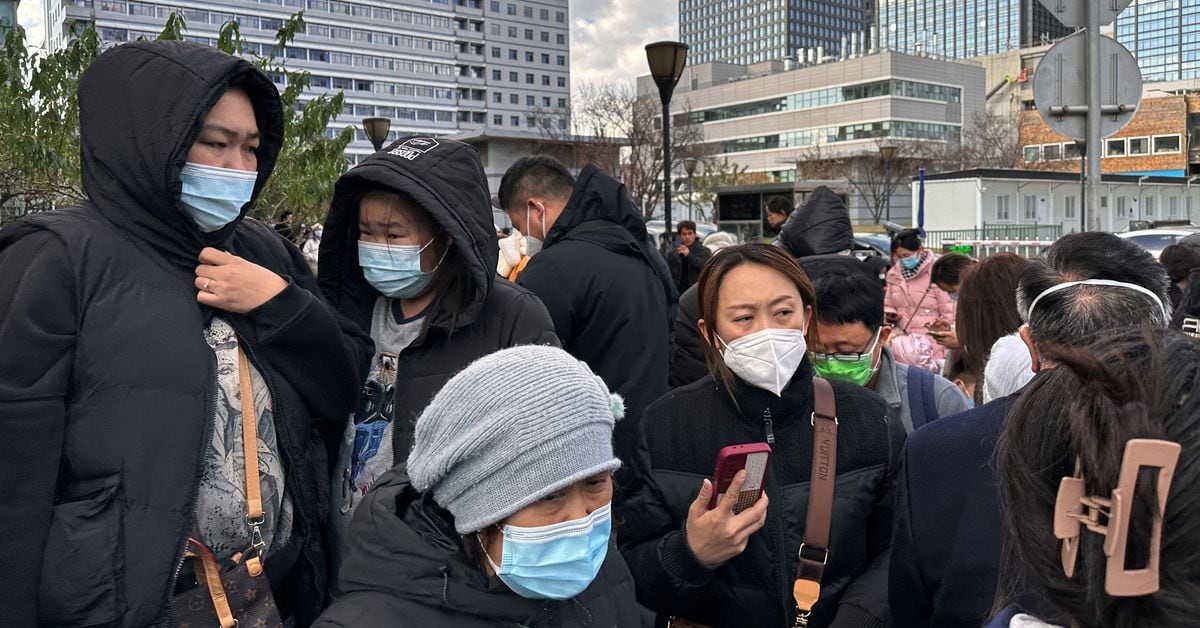
Taiwan's health ministry has advised the elderly, young children, and individuals with weak immune systems to avoid traveling to China due to the recent increase in respiratory illnesses. This advisory comes as a precautionary measure, given Taiwan's past experience with disease outbreaks originating from China. If travel to China is necessary, individuals are urged to receive flu and COVID vaccinations beforehand. China's Foreign Minister, Wang Yi, stated that the rise in respiratory illnesses is a common issue faced by all countries and that Chinese authorities have it under control.
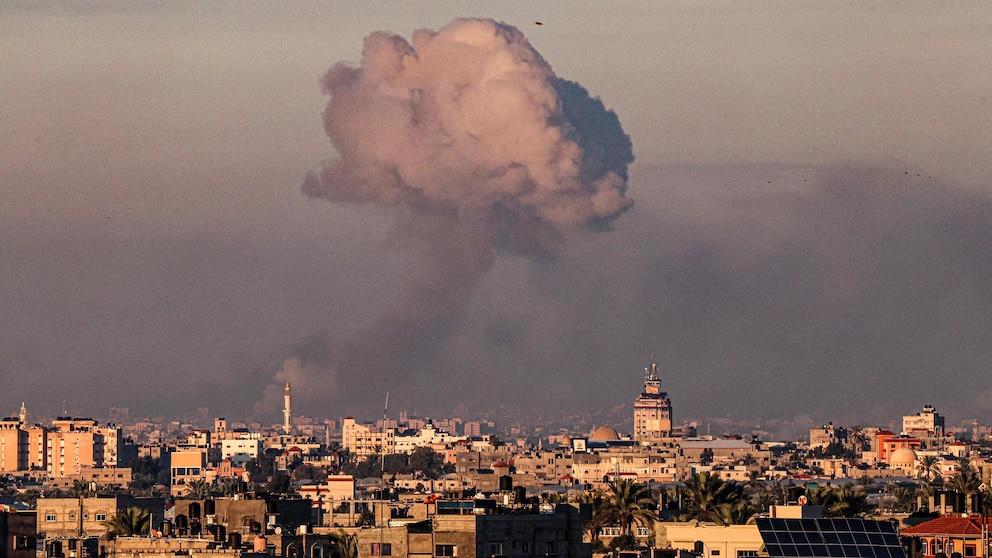
The ongoing conflict between Israel and Hamas in Gaza has resulted in limited access to essential supplies, including food, water, sanitation, and medical resources, putting hundreds of thousands of displaced civilians, particularly women and children, at high risk of life-threatening health conditions. Disease outbreaks, such as respiratory and diarrheal illnesses, are rapidly spreading, with over 33,551 reported cases of diarrhea and 55,000 cases of upper respiratory illnesses. Limited border crossings and attacks on hospitals have hindered the delivery of aid, exacerbating the crisis. Urgent humanitarian pauses and corridors are needed to address the dire situation in Gaza.
Sudan is facing the risk of major disease outbreaks as health conditions deteriorate, with thousands of decomposing corpses in the streets of Khartoum and morgues overwhelmed. The combination of rising corpses, severe water shortages, non-functioning hygiene and sanitation services creates a perfect environment for diseases like cholera. The healthcare system is on the brink of collapse due to power and water outages, shortages of health workers, and attacks on healthcare facilities. Malnutrition cases and disease outbreaks are increasing, with over 300 deaths reported, mostly among children. Hospitals are closing, lacking supplies and staff, while dialysis centers remain out of service. The conflict has led to at least 3,000 deaths and 4 million displaced.