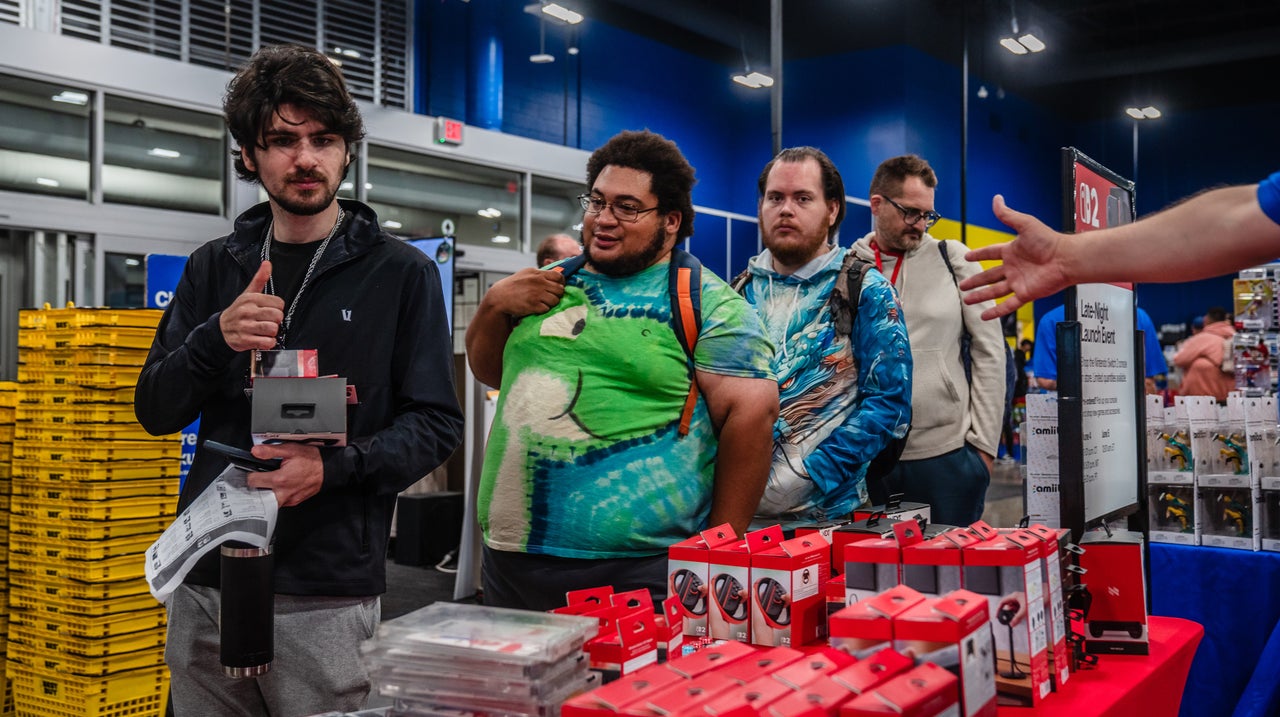
Young Americans are spending 25% less on video games this year compared to last, driven by economic challenges like unemployment and high credit delinquency, despite ongoing industry profits and upcoming game releases; the trend reflects broader declines in discretionary spending among this demographic amid industry layoffs and rising game costs.
Spending on video games among 18-24 year-olds in the US has dropped nearly 25% year-over-year, driven by economic pressures like job market challenges and debt, with the decline in gaming expenditure outpacing other tech-related spending, amid rising hardware and software costs in the industry.
A study suggests that practicing mindfulness and eating within an eight-hour window can reduce risk factors associated with the rising incidence of colon cancer among young Americans, especially those with obesity and high stress, by lowering inflammation, weight, and improving metabolic health.
Drug overdose deaths among Americans under 35 have significantly decreased, with a notable drop in fentanyl-related fatalities, attributed to increased awareness, harm reduction efforts, and possibly less risky drug use among youth, offering hope for continued progress in combating the fentanyl crisis.
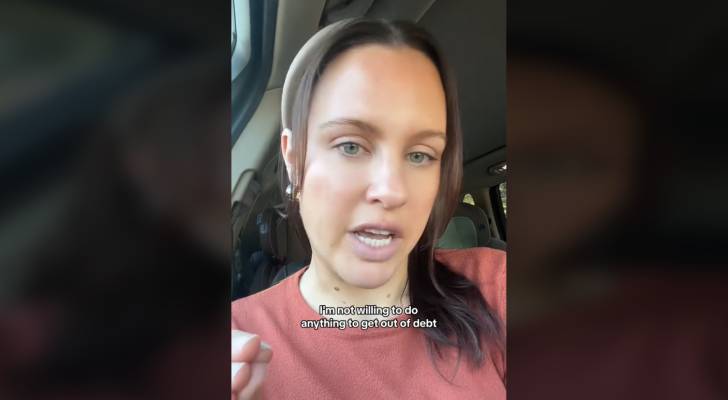
Young Americans are rejecting financial guru Dave Ramsey's advice to live frugally and prioritize paying off debt over small luxuries that bring them joy, citing the current cost-of-living crisis and mental well-being as more important. Social media users are criticizing Ramsey's out-of-touch advice with the hashtag #daveramseywouldntapprove, while some are finding alternative debt solutions that contradict Ramsey's teachings. Ramsey's snowball method of debt repayment is also being questioned, with experts debating its effectiveness.
The housing market in the US is facing an affordability crisis, making it increasingly difficult for young Americans to achieve the dream of homeownership. High mortgage rates, elevated home prices, and limited housing inventory have created a challenging environment for potential buyers. Many young people are struggling to save for a down payment, with some feeling that owning a home is out of reach. Solutions such as lower mortgage rates, incentives for first-time buyers, and considering alternative housing options are being proposed to address the issue.
The incidence of colorectal cancer among young Americans has been steadily rising over the past three decades, with no clear explanation for the trend. While progress has been made in lowering the overall death rate from cancer, deaths due to certain types of cancer, including colorectal cancer, have increased among individuals under the age of 50. Factors such as obesity, changes in gut bacteria, and lifestyle choices like poor diet and lack of exercise have been suggested as potential contributors, but many young patients have no obvious risk factors. The rise in early-onset colorectal cancer highlights the need for increased education and awareness about the disease among all age groups.
A recent poll conducted by Harvard-Harris polling revealed that 51% of Americans between the ages of 18 and 24 believe that Israel should "be ended and given to Hamas and the Palestinians," while only 32% support a two-state solution. The survey also found that 60% of young Americans believe that Israel is committing genocide against Palestinians, and 58% believe that Hamas would like to commit genocide against Jews in Israel. Additionally, 67% of 18-24 year olds believe that Jews should be treated as oppressors. These findings highlight a concerning trend of support for Hamas and anti-Israel sentiment among young Americans.
The suicide rate in the United States reached its highest point since 1941 in 2022, with a 3% increase from the previous year. However, suicide rates among young Americans decreased by 8.4%. The 65 and older population experienced the most severe increase in suicide rates, rising by 8.1%. Men had a disproportionately high suicide rate compared to women. Experts suggest five simple ways to improve mental health, including staying physically active, joining a group, starting a project, spending time outside, and reading interesting and uplifting books.
Polls conducted in the wake of the recent conflict between Israel and Hamas reveal a decline in support for Israel among young Americans, particularly Democrats. While overall support for Israel remains higher among older age groups, younger respondents are less likely to approve of Israel's response to the conflict. Concerns about antisemitism have also increased, with a significant portion of respondents viewing it as a serious problem. Additionally, polls indicate that Americans are wary of being drawn into a military conflict in the Middle East. Mixed opinions exist regarding President Biden's handling of the situation, with some supporting his stance while others call for a ceasefire and de-escalation of violence.
High-fat diets may be contributing to the increasing rates of colorectal cancer in young Americans, according to a study by researchers at the Salk Institute and the University of California, San Diego. The study found that high-fat diets alter gut bacteria and bile acids in mice, leading to inflammation and an increased risk of colorectal cancer. While the study was conducted in mice, it provides insight into the potential causes of the colorectal cancer epidemic in young people. Other factors such as sugar, C-sections, and fungal infections have also been suggested as possible causes.
Forbes has asked some of America's top advertising agencies to pitch ideas on behalf of capitalism, with the objective of destigmatizing the word among young adults. The challenge is to create a productive conversation about capitalism's future, as it has become increasingly unpopular among younger Americans. The agencies presented ideas that would deliver an "oh, I never thought of capitalism that way" reaction, with Goodby Silverstein & Partners and Whalar being the final two. Goodby's idea was to present both sides of the coin, hopelessness and hopefulness, while Whalar advocated for a "show not tell" strategy, reframing capitalism and capitalists by putting them in action. Forbes will put its promised $1 million in media towards Goodby's effort, starting immediately, the first effort in the launch of The Capitalism Campaign.
A new Pew survey shows that the percentage of Americans with a "very unfavourable" view of China has risen, with tensions between Taiwan and mainland China being deemed a "very serious" problem by the highest percentage of respondents in over a decade. However, younger Americans and Democrats are found to be more open to cooperation between the US and China.
Chinese apps such as TikTok and WeChat have become popular among young Americans due to their unique features and ability to connect users with a global audience. These apps offer a new form of social media that is more interactive and engaging than traditional platforms, and they have quickly gained a large following in the US. Despite concerns over data privacy and security, many young Americans continue to use these apps and enjoy the benefits they provide.