DOJ document dumps underscore that Jeffrey Epstein's legacy taints a who’s-who of global capitalism, driving resignations and renewed scrutiny of figures from Les Wexner to Bill Gates and Larry Summers.
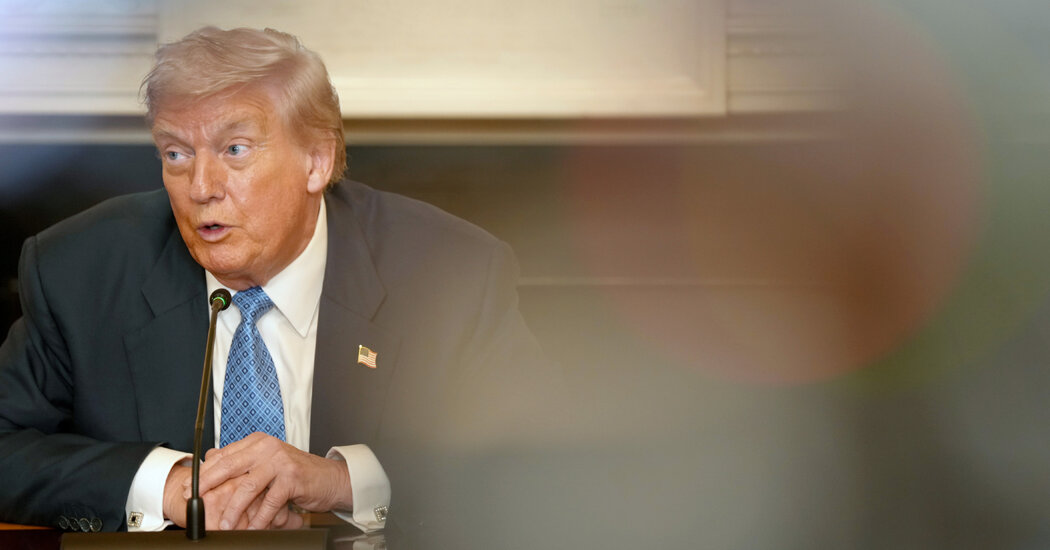
Fox News host Maria Bartiromo pressed President Donald Trump at Davos on his free-market claims, underscoring a tension between his self-described free-market capitalism and his reliance on government action to steer private companies—highlighting a core contradiction in his economic agenda.
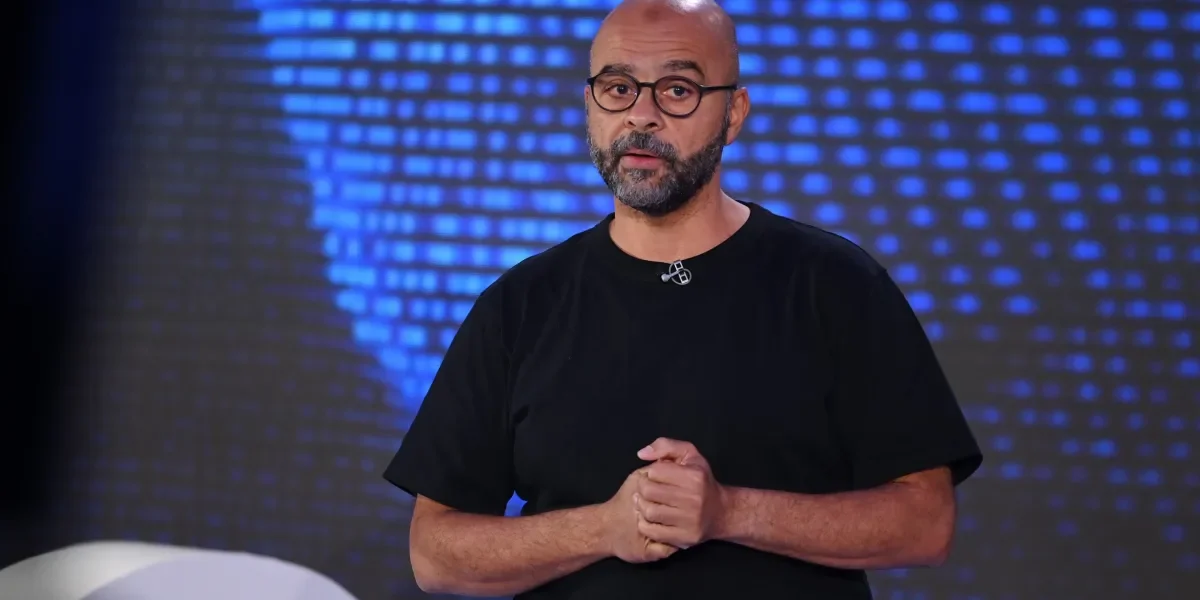
Geoffrey Hinton argues that AI will massively displace workers and boost profits for a few, a consequence he attributes to capitalism rather than the technology itself, while urging guardrails and noting potential gains—especially in healthcare.
Season 4 of Industry acts as a semi-reboot, shifting Harper’s world to the open market with Whit and Tender as new engines of ambition. The narrative tightens around disinformation, a tougher post-Pierpoint landscape, and the personal costs of wealth, while adding fresh cast members and expanded roles. The season maintains the show’s blunt critique of capitalism, delivers sharp performances (notably Minghella’s Whit and Shipka’s Haley), and sets up a bold path for future installments, earning an A-.
The Outer Worlds 2, developed by Obsidian and published by Xbox, continues its critique of capitalism and authoritarianism through a darker, more dialogue-driven narrative, but its humor often falls flat amid grim themes, with gameplay mechanics remaining solid but unoriginal, ultimately offering a less whimsical experience than its predecessor.
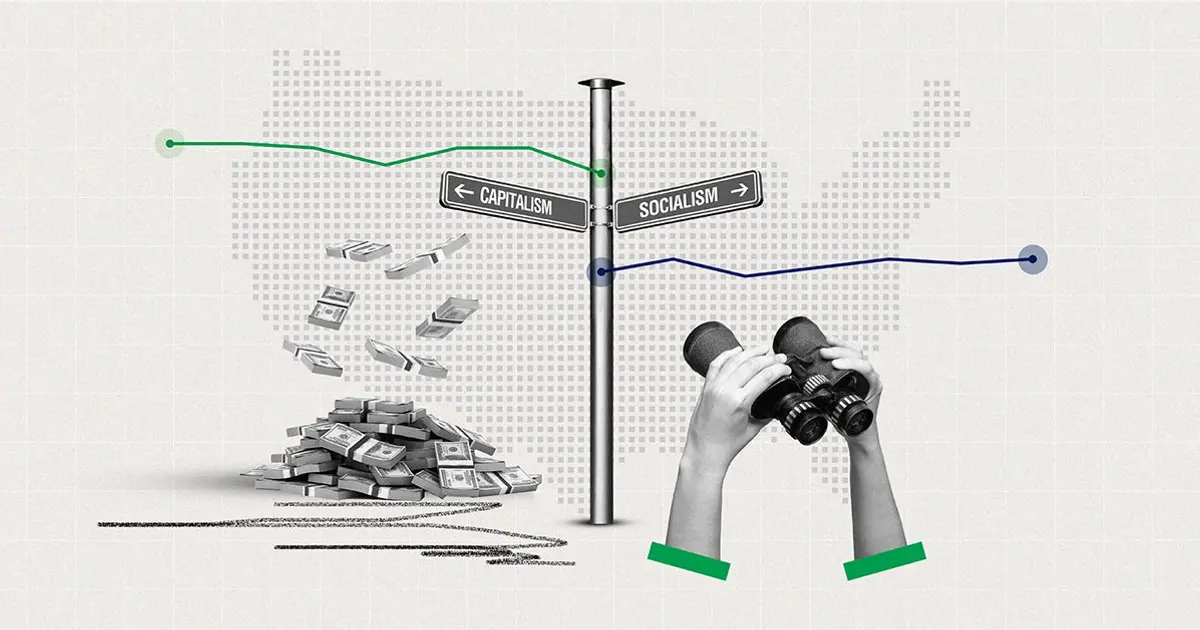
Americans' positive view of capitalism has declined to 54%, the lowest Gallup has recorded, while perceptions of socialism remain steady at 39%. Democrats are more favorable towards socialism than capitalism, with over two-thirds viewing socialism positively, contrasting with Republicans who overwhelmingly favor capitalism. Overall, Americans are more positive about small business and free enterprise than big business, which has seen a decline in positive ratings across all groups. Despite skepticism towards socialism, Democratic officials continue to advocate for expanded government roles in the economy.
Geoffrey Hinton, known as the 'godfather of AI,' warns that AI will lead to massive unemployment and increased profits, benefiting the wealthy while disadvantaging most workers, especially in mundane jobs, though healthcare may be an exception. He emphasizes the risks of AI manipulation and the need for regulation, while also acknowledging its potential benefits. Hinton left Google to retire and speak openly about AI's dangers.
President Trump has made a significant move by making the U.S. government the largest shareholder of Intel, a major American company, which could potentially reshape the approach to capitalism in the U.S. and mark one of the largest government interventions in a private company since the auto industry bailout in 2008.
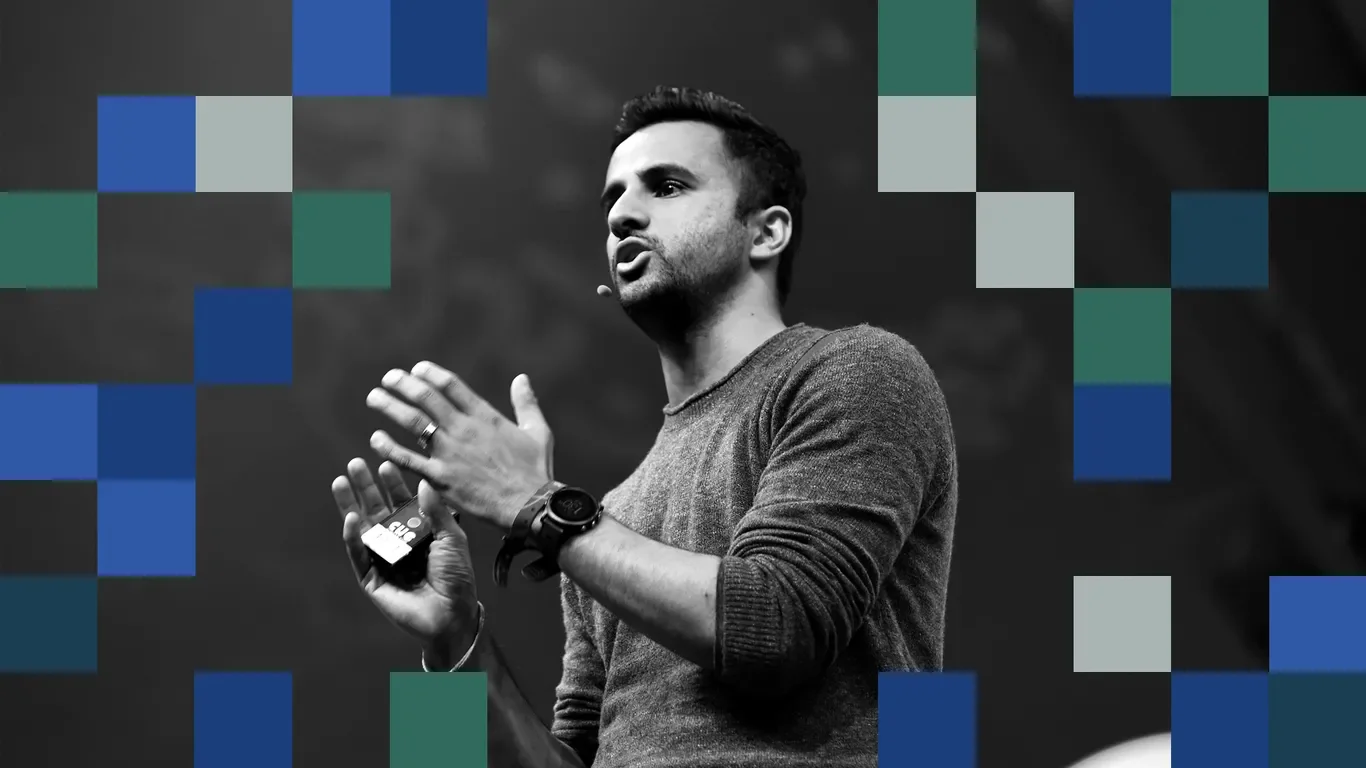
Tech entrepreneur Ethan Agarwal is entering the California governor race as a Democrat advocating for capitalism and reforming environmental regulations like CEQA, aiming to appeal to young, Indian American, and tech voters amid a crowded field with low name recognition.
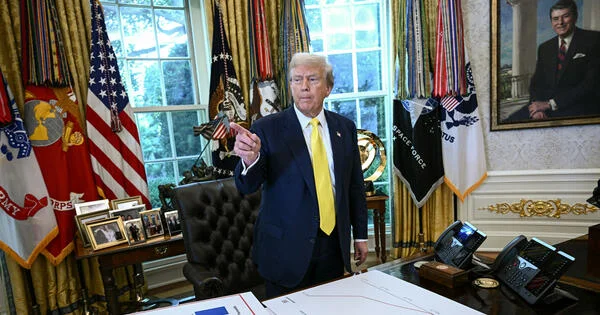
The article argues that the Trump administration's policies and actions are pushing the United States towards a form of state capitalism and authoritarian control that resembles Marxist or Maoist regimes, with increased government intervention in private enterprise, targeting business leaders, suppressing free expression, and weaponizing government powers, which threaten the foundations of free-market capitalism.
A former Google executive warns that AI will not only displace workers but also threaten to replace CEOs and world leaders, driven by capitalist motives, and emphasizes the need for AI regulation to prevent misuse and ensure moral leadership in the future.
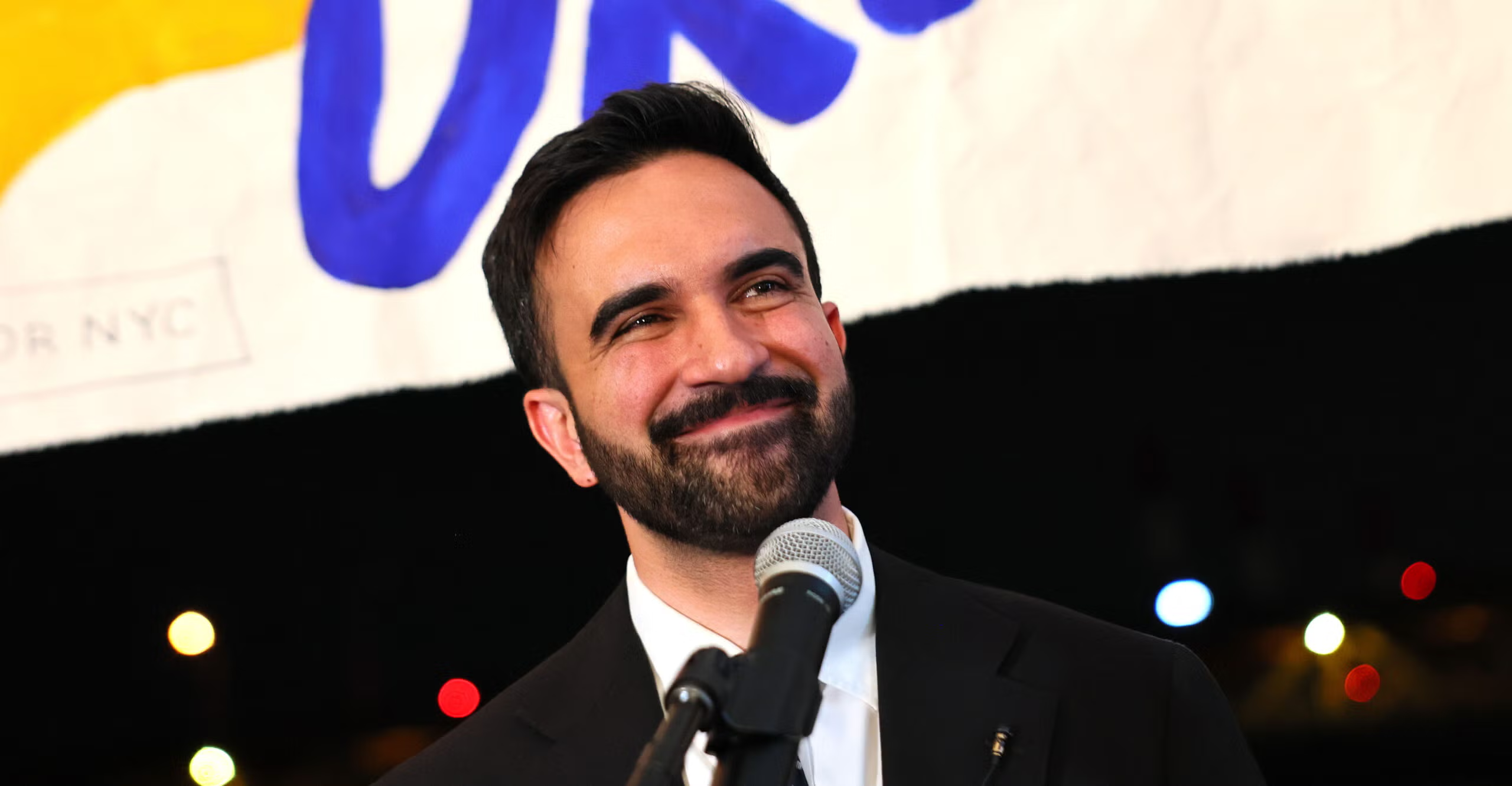
The article criticizes Zohran Mamdani's progressive policies and socialist rhetoric, warning that electing him as New York City mayor could lead to negative consequences, drawing parallels with historical communist regimes and emphasizing the benefits of capitalism and freedom.
The article discusses the phenomenon of declining product quality over time, attributing it to profit-driven strategies like cost-cutting and market saturation, which lead companies to produce cheaper, lower-quality goods while prices increase. It explores how innovation diminishes in mature sectors, the influence of capitalism's focus on growth, and the challenges consumers face in discerning quality amidst marketing and market manipulation.
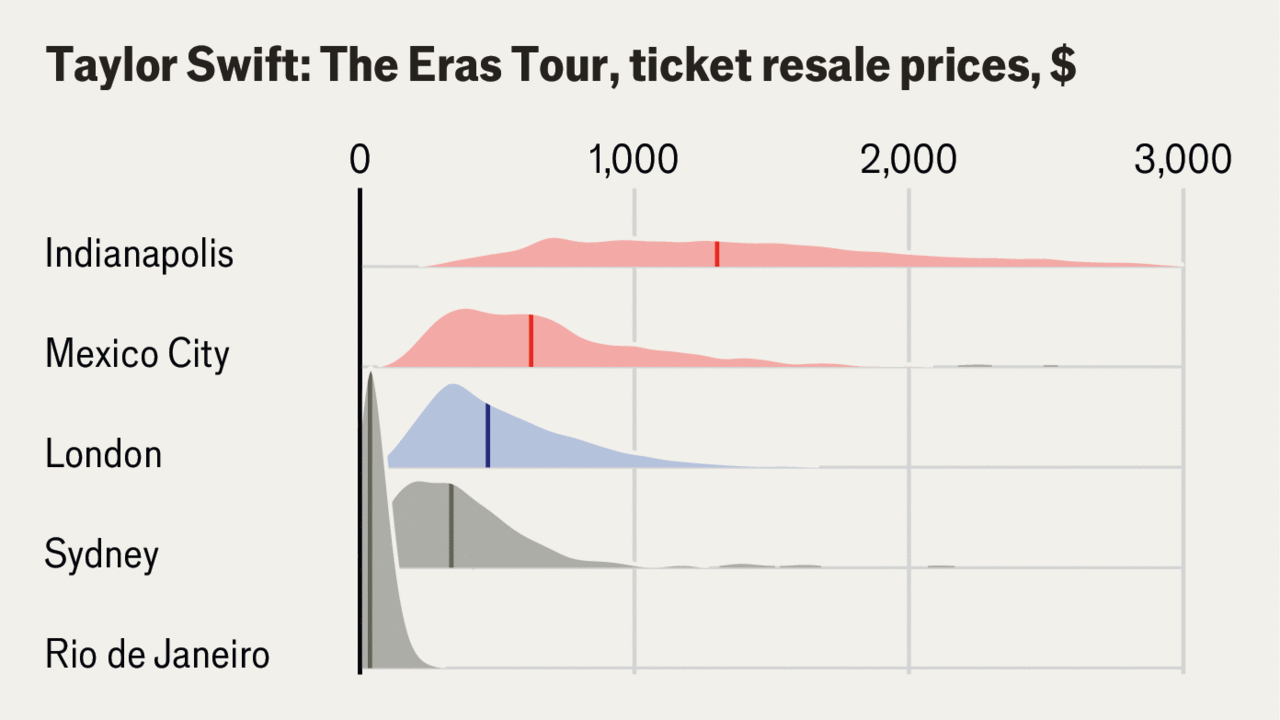
Taylor Swift's recent $2 billion tour highlights her success as a pop star, but also suggests she could have potentially earned even more. The article explores her approach to capitalism within the music industry, examining how her choices impact her financial outcomes.
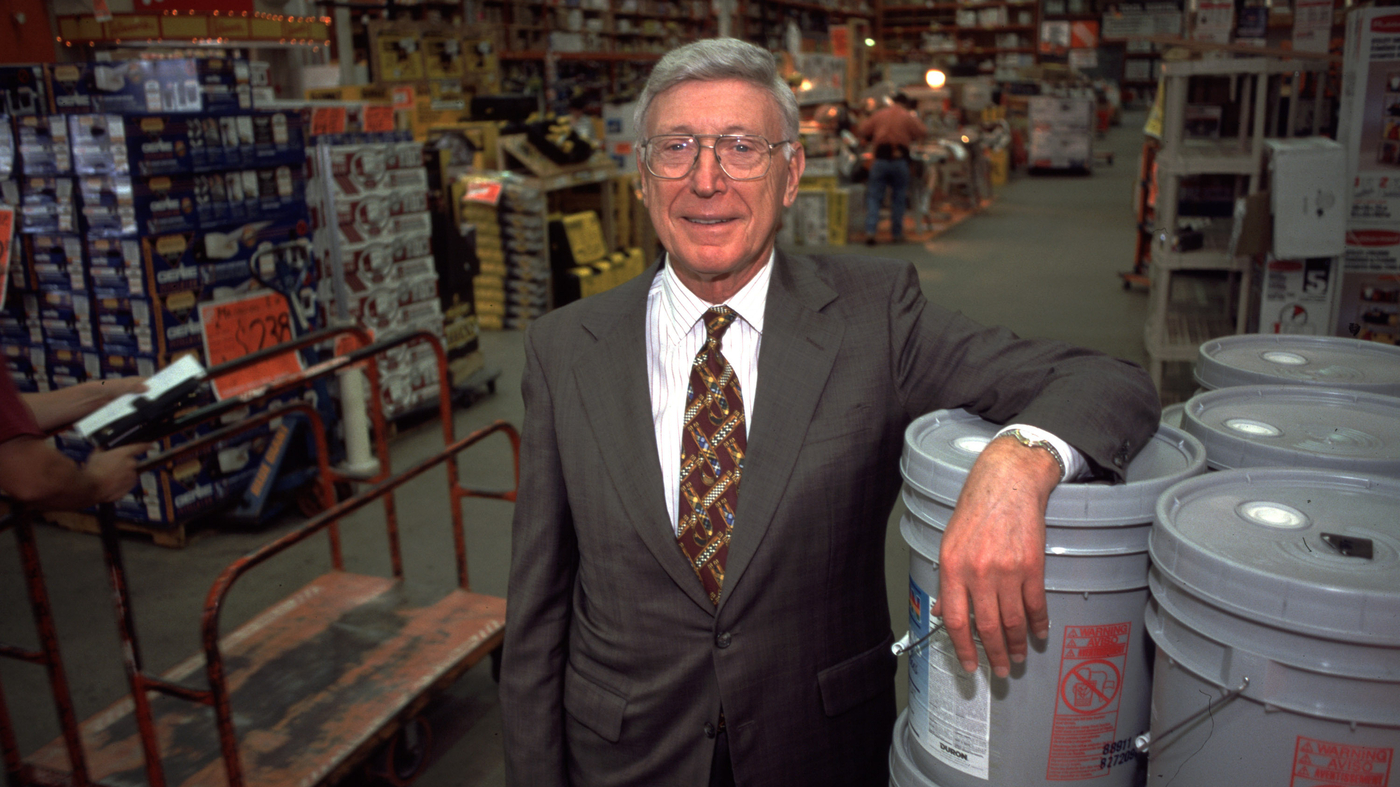
Bernie Marcus, co-founder of Home Depot, has died at 95. After being fired from Handy Dan, Marcus and Arthur Blank founded Home Depot in 1979, revolutionizing the home improvement industry. Marcus, who grew up in poverty, became a billionaire and a major philanthropist, pledging to give away 90% of his wealth. He funded projects like the Georgia Aquarium and supported Republican causes, including Donald Trump. Marcus was a staunch advocate for capitalism, attributing his success to the American free enterprise system.