Tag

X Chromosome

All articles tagged with #x chromosome

X Chromosome Gene Linked to Higher Multiple Sclerosis Risk in Women

Originally Published 2 months ago — by Live Science

Featured image for X Chromosome Gene Linked to Higher Multiple Sclerosis Risk in Women
Source: Live Science

A study suggests that an X-linked gene called KDM6A, which is more active in women, may contribute to higher rates of multiple sclerosis in women by promoting brain inflammation. Deleting this gene in female mice reduced symptoms, and the drug metformin showed potential in calming inflammation, indicating sex-specific treatment possibilities.

Scientists Uncover Reasons Behind Women's Higher Alzheimer’s Risk

Originally Published 6 months ago — by Neuroscience News

Featured image for Scientists Uncover Reasons Behind Women's Higher Alzheimer’s Risk
Source: Neuroscience News

Women are nearly twice as likely as men to develop Alzheimer's disease, a disparity linked to biological factors such as X chromosome-linked genes and hormonal changes like menopause. Research suggests that genetic and hormonal differences influence brain vulnerability, and timing of hormone therapy may impact disease progression. Understanding these sex-based differences could lead to more personalized treatments for Alzheimer's.

"Gender Disparity in Autoimmune Disease Prevalence"

Originally Published 1 year ago — by VOA Learning English

Featured image for "Gender Disparity in Autoimmune Disease Prevalence"
Source: VOA Learning English

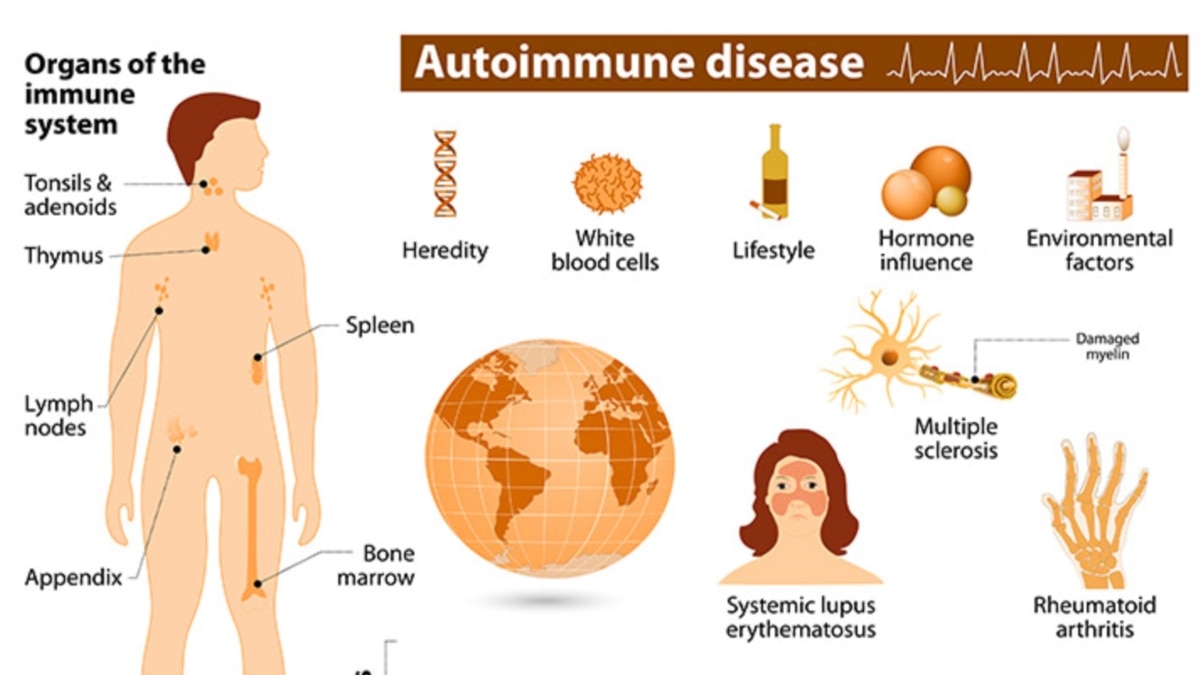
New research from Stanford University suggests that the higher prevalence of autoimmune diseases in women may be connected to the X chromosome. The study found that a special RNA molecule, Xist, which is only present in women, may organize proteins in a way that activates the immune system, potentially leading to autoimmune disorders. While more research is needed, the findings could help doctors diagnose patients more efficiently and shed light on the underlying causes of autoimmune diseases affecting millions of Americans.

Unraveling the Mystery: Why Women Are More Prone to Autoimmune Diseases

Originally Published 1 year ago — by Yahoo Life

Featured image for Unraveling the Mystery: Why Women Are More Prone to Autoimmune Diseases
Source: Yahoo Life

New research suggests that a molecule called Xist, found on the X chromosome in females, may trigger a defense response in women, leading to a higher risk of autoimmune diseases. This molecule, when present in female cells, could confuse the immune system into attacking healthy cells, potentially explaining the female bias in autoimmune diseases. While more research is needed to confirm this theory, understanding the role of Xist could lead to earlier detection and more effective treatments for autoimmune diseases.

Uncovering the Key Factors Behind Women's Higher Risk of Autoimmune Diseases

Originally Published 1 year ago — by Women's Health

Featured image for Uncovering the Key Factors Behind Women's Higher Risk of Autoimmune Diseases
Source: Women's Health

New research suggests that a molecule called Xist, found on the X chromosome in females, may trigger a defense response in women, leading their immune system to attack healthy cells and potentially explaining why women are at a greater risk of autoimmune diseases. The study proposes that Xist molecules, which are unique to females due to their two X chromosomes, could confuse the immune system into developing antibodies that attack Xist. While some researchers caution that more investigation is needed to confirm this theory, the findings could pave the way for new tests and more effective treatments for autoimmune diseases.

"Uncovering the X Factor: The Link Between Women and Autoimmune Diseases"

Originally Published 1 year ago — by Yahoo Life

Featured image for "Uncovering the X Factor: The Link Between Women and Autoimmune Diseases"
Source: Yahoo Life

New research suggests that the molecule Xist, found on the X chromosome in females, may trigger a defense response in women, leading their immune system to attack healthy cells and potentially explaining why women are more prone to autoimmune diseases. The study proposes that when female cells die, the immune system may encounter Xist molecules with attached proteins, confusing it into developing antibodies that attack Xist. While some researchers caution that more research is needed to confirm this theory, the findings could pave the way for new tests and more effective treatments for autoimmune diseases.

"Uncovering the Link: X Chromosome's Role in Women's Proneness to Autoimmune Diseases"

Originally Published 1 year ago — by Ars Technica

Featured image for "Uncovering the Link: X Chromosome's Role in Women's Proneness to Autoimmune Diseases"
Source: Ars Technica

A new paper explains why females are more prone to autoimmune diseases, attributing it to their double complement of X chromosomes. The X inactivation process, involving the Xist RNA and protein complex, leads to genetic mosaicism in females. Researchers at Stanford University found that introducing a mutated Xist gene into male mice led to the development of autoimmune diseases, mimicking the severity seen in females. This study sheds light on the role of Xist in autoimmune diseases and may lead to new targets for diagnosis and treatment.

Unraveling the Mystery: The X Chromosome's Role in Women's Higher Risk of Autoimmune Disease

Originally Published 1 year ago — by Trinidad & Tobago Express Newspapers

Featured image for Unraveling the Mystery: The X Chromosome's Role in Women's Higher Risk of Autoimmune Disease
Source: Trinidad & Tobago Express Newspapers

New research from Stanford University suggests that the extra X chromosome in females may play a role in the higher prevalence of autoimmune diseases among women. The study found that a specific type of RNA called Xist, found only in women, may organize proteins in a way that activates the immune system, potentially contributing to autoimmune disorders. The findings could lead to better ways to diagnose and treat these diseases, as well as provide insight into the biological context of autoimmune disorders.

"The X Chromosome's Role in Female-Based Autoimmunity Unveiled"

Originally Published 1 year ago — by ScienceAlert

Featured image for "The X Chromosome's Role in Female-Based Autoimmunity Unveiled"
Source: ScienceAlert

New research suggests that the high prevalence of autoimmune diseases in women may be linked to the interaction between the two X chromosomes in individuals with a pair, predominantly cisgender women. The study reveals that proteins involved in silencing one of the X chromosomes are autoantigenic, triggering the immune system to attack the body. While the findings are relevant to individuals with two X chromosomes, including trans people and those with certain intersex conditions, the study also indicates that existing genetic predispositions play a role in the development of autoimmune diseases.

"Uncovering the X Factor: Clues to the Gender Disparity in Autoimmune Diseases"

Originally Published 1 year ago — by KSL.com

Featured image for "Uncovering the X Factor: Clues to the Gender Disparity in Autoimmune Diseases"
Source: KSL.com

New research from Stanford University suggests that the extra X chromosome in females may play a role in the higher prevalence of autoimmune diseases among women. The study found that a specific type of RNA called Xist, which is involved in silencing one of the X chromosomes in females, may also organize proteins in a way that activates the immune system. This discovery could lead to better ways to detect and diagnose autoimmune diseases, potentially offering a path to more targeted treatments in the future.

"The X Chromosome's Role in Women's Higher Autoimmune Disease Rate"

Originally Published 1 year ago — by Livescience.com

Featured image for "The X Chromosome's Role in Women's Higher Autoimmune Disease Rate"
Source: Livescience.com

A new study suggests that women's increased susceptibility to autoimmune diseases may be linked to the regulation of their two X chromosomes, which can lead to the production of RNA-protein complexes that trigger an immune reaction. The study, conducted in mice and humans, found that females with autoimmune diseases had more Xist autoantibodies in their blood. These findings could pave the way for new research into treatments for autoimmune diseases and may eventually aid in the diagnosis and treatment of these conditions.

"Xist Molecule Linked to Higher Autoimmune Disease Risk in Women"

Originally Published 1 year ago — by Medical News Today

Featured image for "Xist Molecule Linked to Higher Autoimmune Disease Risk in Women"
Source: Medical News Today

Researchers at Stanford University have identified a molecule called Xist, linked to the X chromosome and found only in females, as a potential driver of the higher rates of autoimmune diseases in women. This discovery could lead to new ways to diagnose and treat autoimmune diseases, which disproportionately affect women. The molecule Xist plays a role in the overproduction of proteins due to having two X chromosomes, leading to the development of autoantibodies and triggering a strong immune response. The study suggests that targeting Xist could pave the way for potential interventions and gene manipulation in the future, offering hope for preventing and managing autoimmune diseases.

"Uncovering the X Factor: The Link Between Women and Autoimmune Diseases"

Originally Published 1 year ago — by The Associated Press

Featured image for "Uncovering the X Factor: The Link Between Women and Autoimmune Diseases"
Source: The Associated Press

New research from Stanford University suggests that the extra X chromosome in females may play a role in the higher prevalence of autoimmune diseases among women. The study found that a special type of RNA called Xist, found only in women, may organize proteins in a way that activates the immune system, potentially contributing to autoimmune disorders. The findings could lead to better ways to diagnose and treat these diseases, offering a new clue to the long-standing mystery of why women are more susceptible to autoimmune conditions.