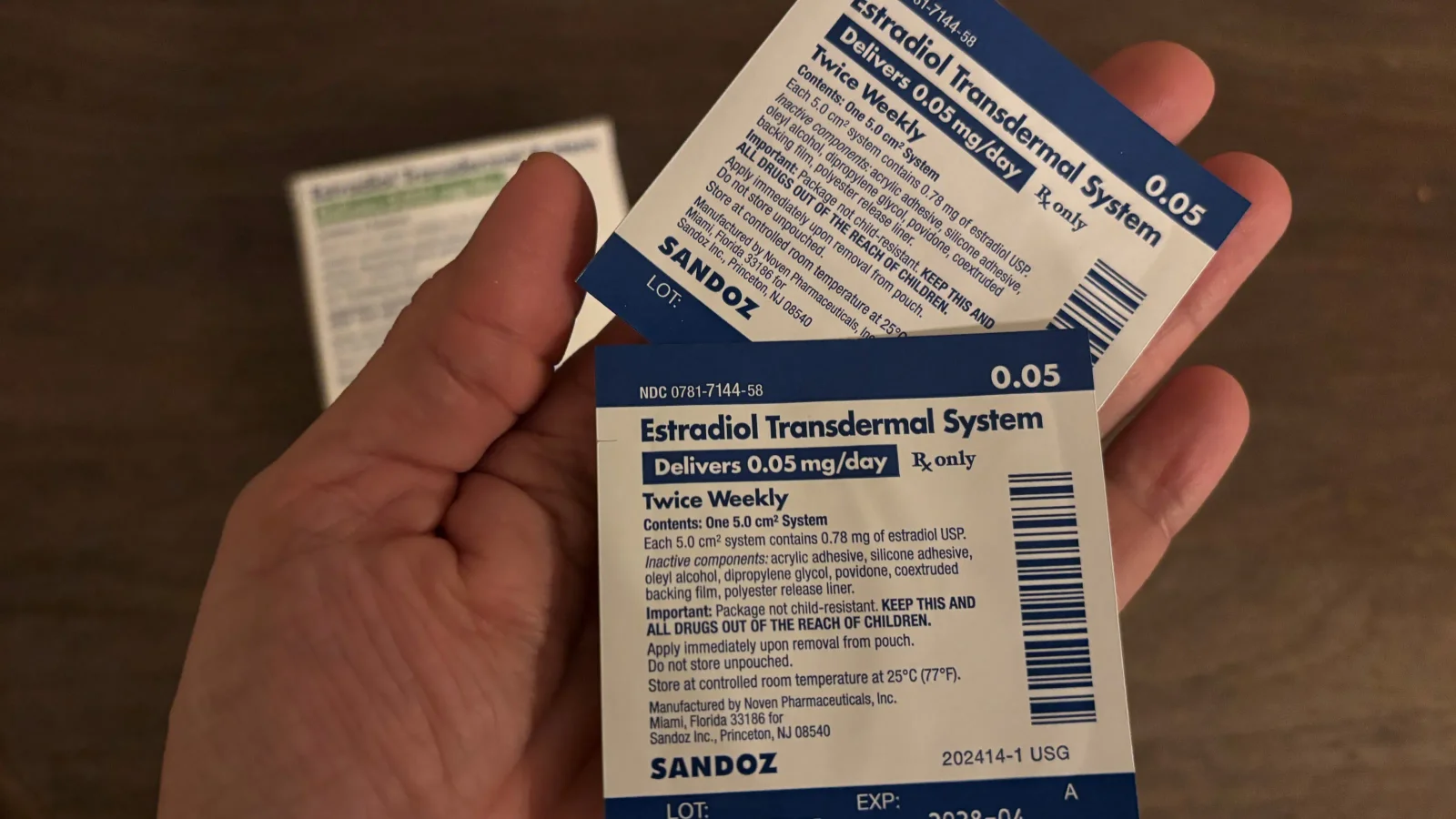
The U.S. Department of Health and Human Services and the FDA are removing broad black box warnings from hormone replacement therapy (HRT) products for menopause, based on new scientific evidence showing benefits and reduced risks, aiming to empower women with better treatment options and improve access to affordable HRT medications.
Dr. Keith Roach discusses the evolving understanding of hormone replacement therapy (HRT) for women over 60, emphasizing that while earlier studies suggested risks, newer interpretations indicate that HRT may be beneficial for women under 60 or within 10 years of menopause, especially when tailored to individual health profiles. He advises careful risk-benefit discussions with healthcare providers and notes that HRT is generally underused for menopausal symptoms, with current options like bioidentical hormones presenting fewer risks. Initiating HRT in women over 60 who are more than 10 years postmenopause is not recommended due to increased cardiovascular risks.
A study published in Nature Medicine reveals that hormone replacement therapy (HRT) for trans women causes biological changes at the molecular level, aligning their protein biomarkers more closely with cisgender women, and potentially improving immune and heart health. The research underscores the biological malleability of adults and suggests a need for personalized HRT monitoring to optimize health outcomes.
Research highlights that hormonal changes during menopause can lead to severe mental health issues, including suicidal thoughts, which are often misdiagnosed or untreated due to healthcare gaps and outdated perceptions. Women experience profound hopelessness and physical symptoms that are frequently dismissed, emphasizing the urgent need for better awareness, timely hormone therapy, and comprehensive support to prevent tragic outcomes.
The article discusses menopause symptoms, particularly hot flashes caused by estrogen deficiency, and emphasizes the importance of consulting a doctor about Hormone Replacement Therapy (HRT) despite potential side effects, to improve quality of life. It also touches on supporting loved ones through health challenges and mental health issues.
Perimenopause, the transitional phase before menopause characterized by fluctuating hormones and symptoms like hot flashes and irregular periods, is under-discussed and often misdiagnosed, but awareness is increasing through online destigmatization and better understanding of treatment options like hormone replacement therapy.
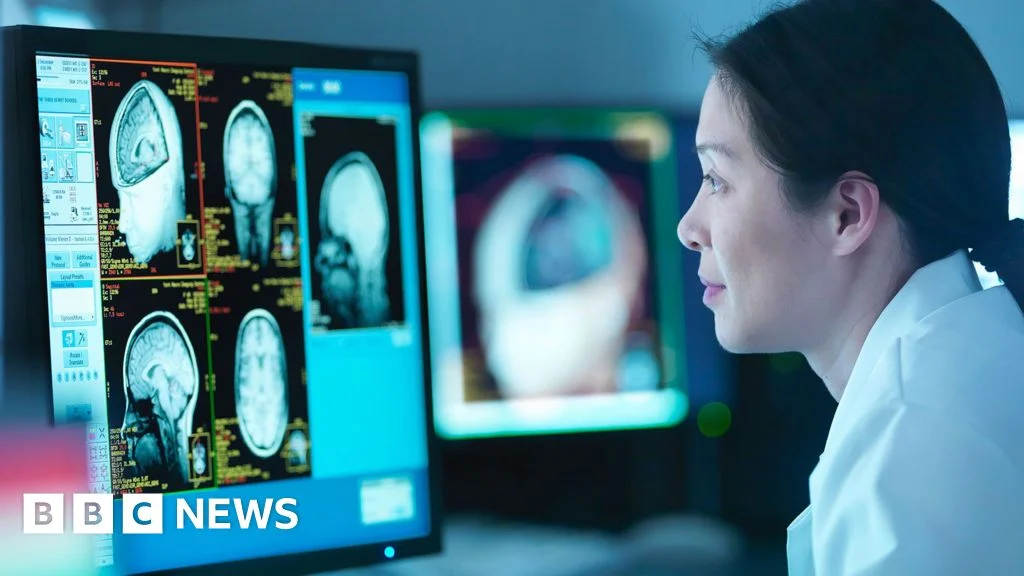
Scientists are investigating why women are twice as likely to develop Alzheimer's as men, focusing on genetic differences like the X chromosome and hormonal changes during menopause, with ongoing research into how these factors influence disease risk.
Menopause is a comprehensive physiological and emotional transition that is often misunderstood and stigmatized, affecting women's health, workplace participation, and social well-being. It involves hormonal changes that impact various bodily systems, and proactive, holistic management including hormone therapy and societal awareness is essential to improve quality of life for women.
A study published in Musculoskeletal Care suggests that menopause exacerbates rheumatoid arthritis symptoms, with four out of five women reporting worsened conditions during this period. The research, involving 779 women, also found that hormone replacement therapy (HRT) was largely ineffective in alleviating pain. Despite the prevalence of rheumatoid arthritis, affecting over half a million people in the UK, nearly 93% of women had not discussed menopause with their doctors, highlighting a need for better training among arthritis specialists. The decline in oestrogen levels during menopause is believed to worsen symptoms.
Menopause, affecting a third of a woman's life, is often stigmatized and poorly understood, with many clinicians inadequately trained to address it. Social media and influencers are helping to shift the narrative towards empowerment and education. Experts advocate for better medical training, research, and patient self-advocacy to improve menopause management and reduce stigma.
A Yahoo News/YouGov poll reveals that 48% of menopausal women experience hot flashes and 44% report weight gain, yet 79% have never used hormone replacement therapy (HRT). Despite past concerns linking HRT to serious health risks, recent studies confirm its safety and effectiveness. Experts recommend HRT and other remedies to alleviate symptoms, but many women and doctors remain unaware of updated data supporting its use.
A study from Finland's University of Oulu reveals that women who experience premature menopause (before age 40) face significantly higher risks of early death from heart disease and cancer. Dr. Shafeena Premji emphasizes the importance of not ignoring symptoms and advocates for hormone replacement therapy to mitigate long-term health risks. Premature menopause is rare, affecting about 1% of women, and can result from genetic conditions, surgery, or treatments like chemotherapy. Early detection and treatment are crucial for reducing associated health risks.
Menopause, also known as the climacteric, is a natural process that occurs when a woman's ovaries stop producing the hormone oestrogen, typically around the age of 51. This phase, which includes perimenopause and postmenopause, can bring about symptoms such as hot flashes, mood swings, brain fog, insomnia, and more, affecting women's quality of life. Hormone replacement therapy (HRT) can help alleviate these symptoms, but it's essential to consider potential risks and adopt a holistic approach to manage menopause, including diet, exercise, stress management, and avoiding behaviors like smoking. Women experiencing menopausal symptoms should consult with their physician for support and potential investigations, as symptoms can overlap with other conditions.
Neurology professor Lisa Mosconi's new book, The Menopause Brain, explores the impact of menopause on the brain, highlighting neurological symptoms, brain changes, and potential superpowers. She emphasizes the importance of recognizing menopause-related brain symptoms and discusses the potential benefits of Hormone Replacement Therapy (HRT) for alleviating symptoms and possibly reducing the risk of Alzheimer's disease. Mosconi also suggests lifestyle adjustments, such as diet, exercise, and stress reduction, to support brain and hormonal health during menopause.
Drew Barrymore has become a brand ambassador for a menopause supplement, but experts caution against relying on such products, as they are not rigorously tested and may have potential risks. The supplement, Dr. Kellyann &ME Peri + Menopause, contains natural ingredients and promises relief from menopausal symptoms, but experts warn that most herbal supplements have not been tested in clinical trials. They emphasize the importance of hormone replacement therapy (HRT) as a safe and effective treatment for menopause symptoms, and stress the need for menopause education and awareness.