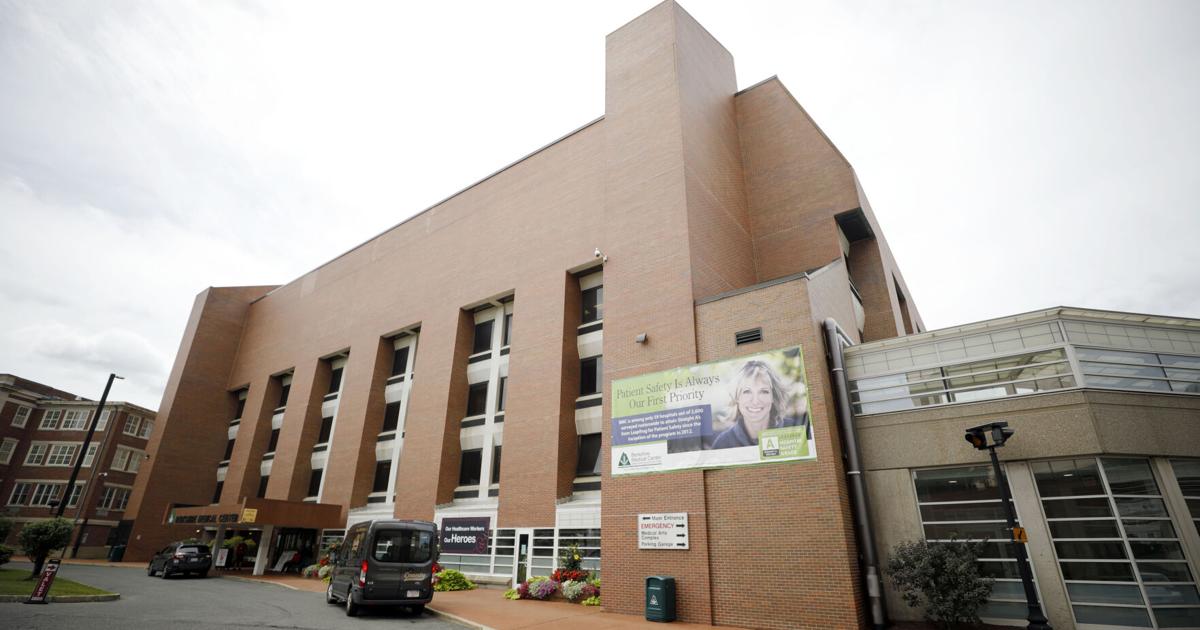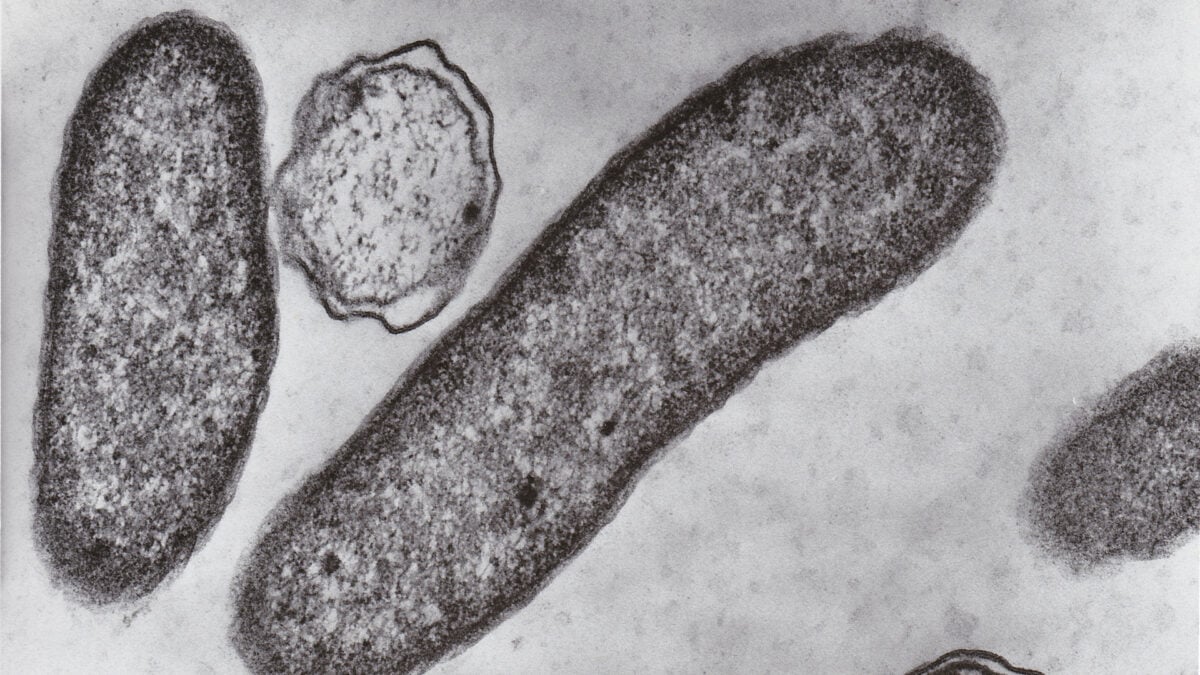
Christ Hospital in Cincinnati has identified six cases of Legionella pneumonia over the past three months, with three resulting in death. The hospital has responded by testing water systems and installing filters to prevent further cases.
Seven patients at Berkshire Medical Center tested positive for Legionella bacteria, with one death possibly linked to the infection. The hospital has increased water safety measures, including chlorination and filtration, and is working with health authorities to eliminate the bacteria from its water system. Legionella, which causes Legionnaires' disease, spreads through aerosolized water and is most dangerous to immunocompromised individuals. The hospital's response aims to reduce the bacteria to zero in the water supply, with ongoing testing and cooperation with public health officials.
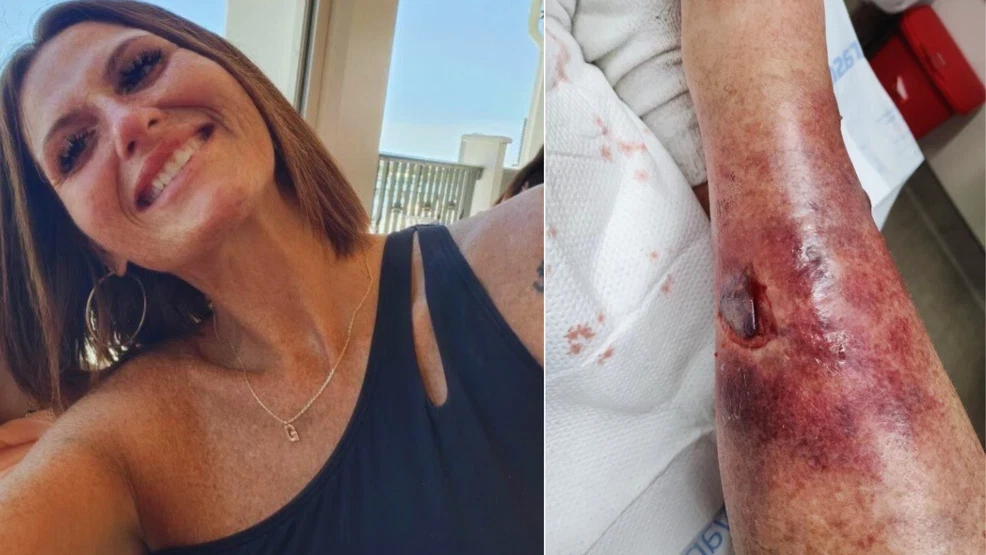
A Pensacola mother warns about the dangers of vibrio vulnificus, a flesh-eating bacteria in local waters, after nearly losing her leg from infection. She advocates for better signage and routine water testing to prevent others from suffering similar injuries, highlighting the current lack of testing and public awareness despite the low infection rates.
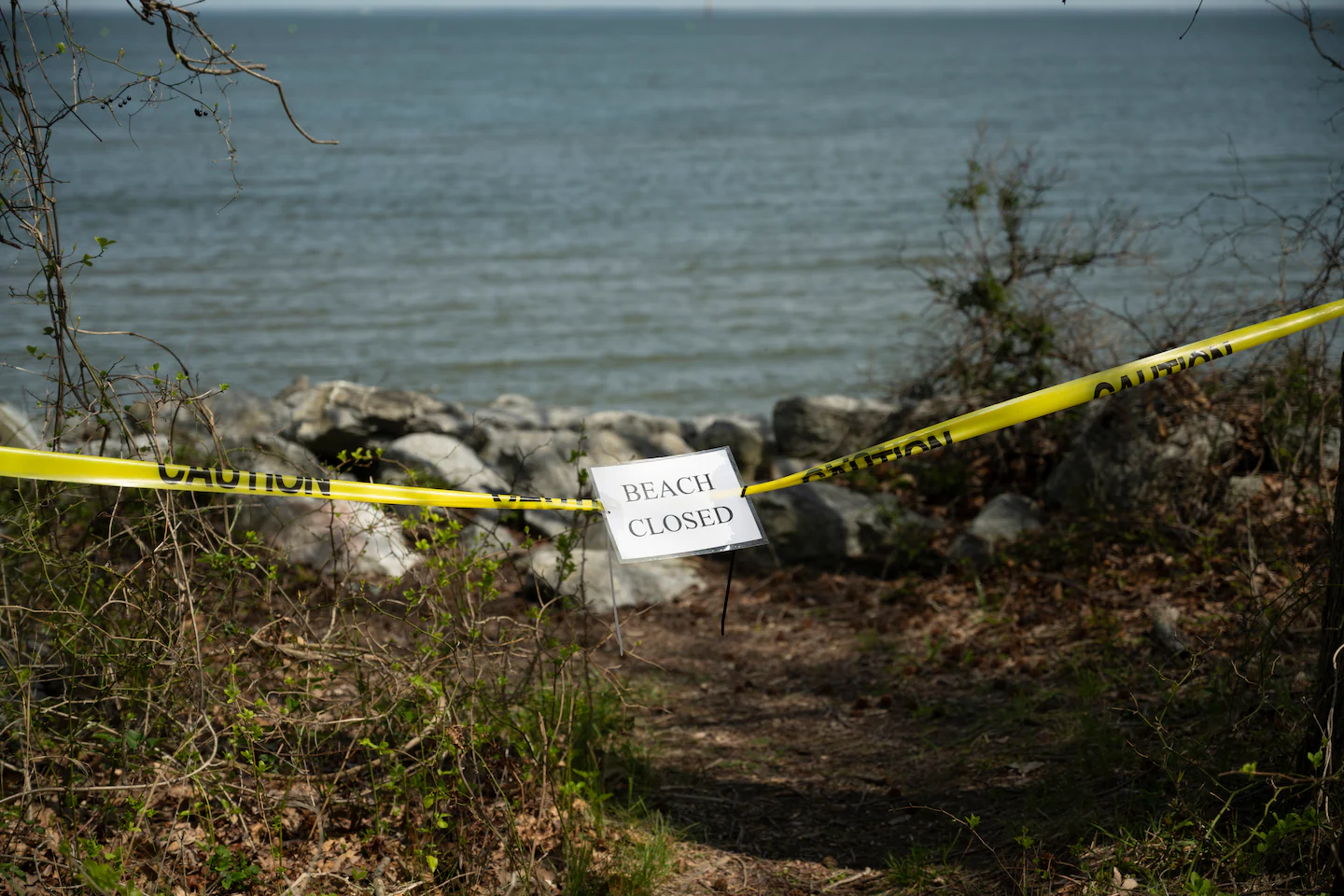
Many U.S. beaches are closed or under advisories due to high levels of fecal bacteria like E. coli and enterococci, which can cause illnesses. Contamination sources include runoff, sewage, and storms, especially during peak summer. Beachgoers are advised to check water conditions before swimming, avoid polluted waters, and be cautious after heavy rains to stay safe.
The CDC's drowning prevention program, which focused on data collection, risk assessment, and water safety education, has been halted and potentially eliminated in the upcoming budget, raising concerns about the impact on child safety and drowning prevention efforts in the US.
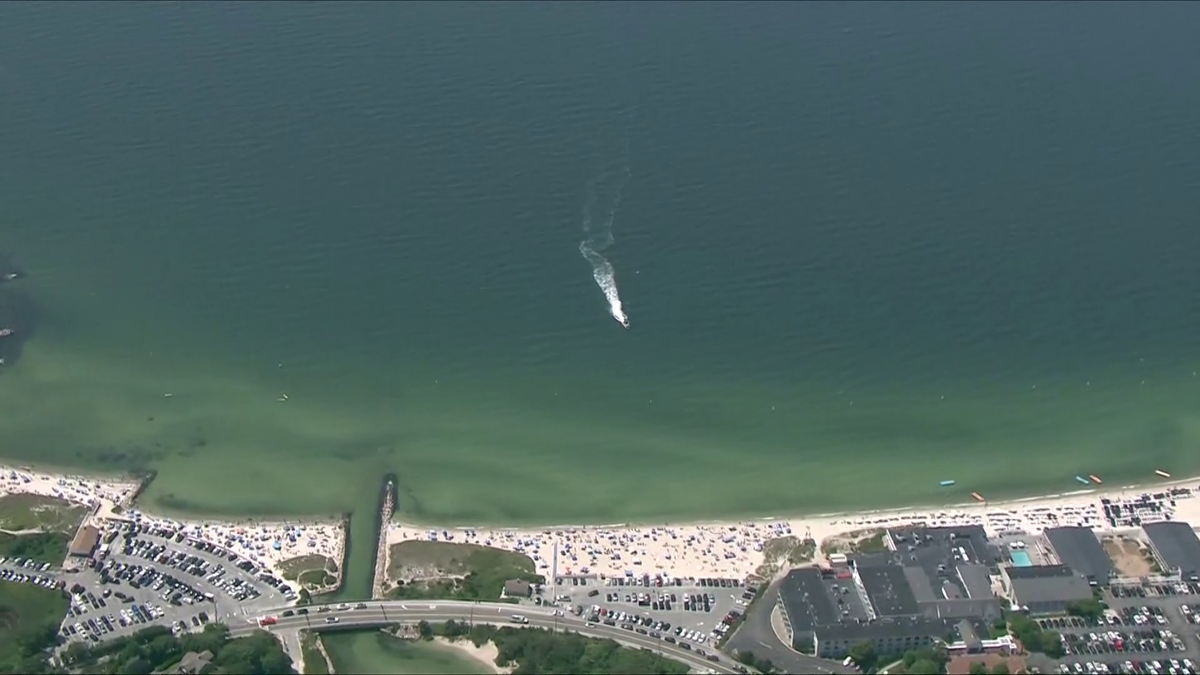
A rare case of Vibrio vulnificus infection, a bacteria that can cause flesh-eating disease, has been reported in a swimmer at Cape Cod, prompting health warnings especially for those with open wounds or consuming raw shellfish, as the bacteria can lead to severe illness or death.
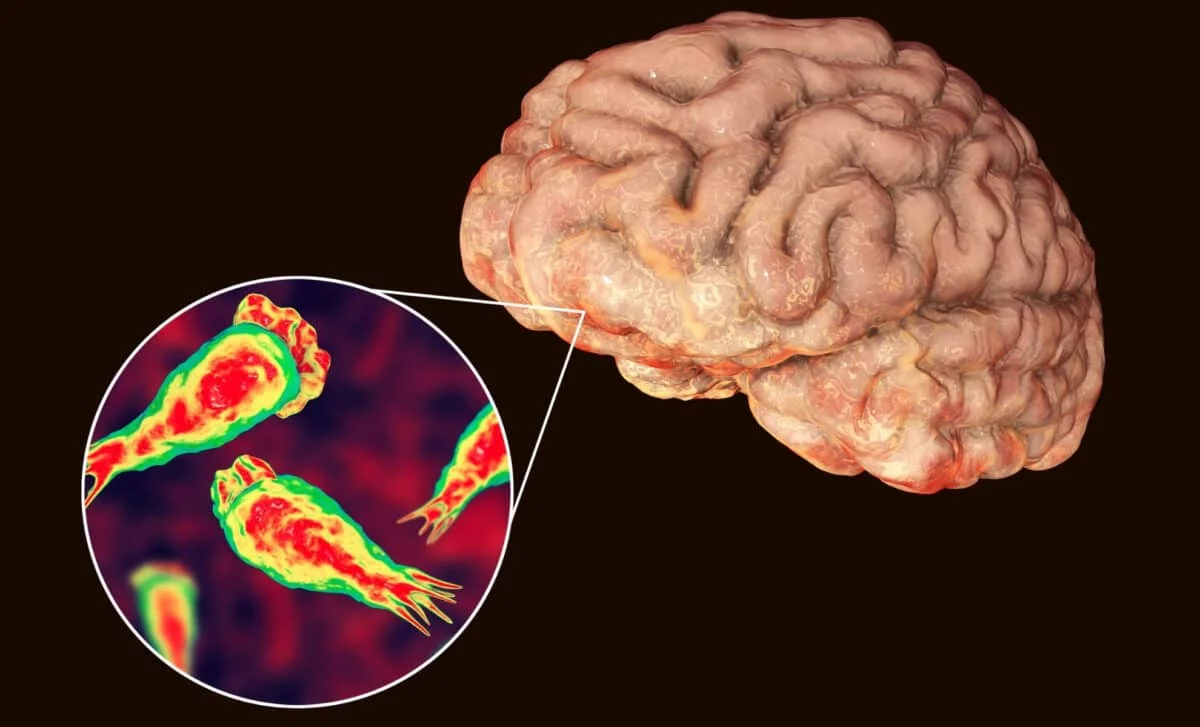
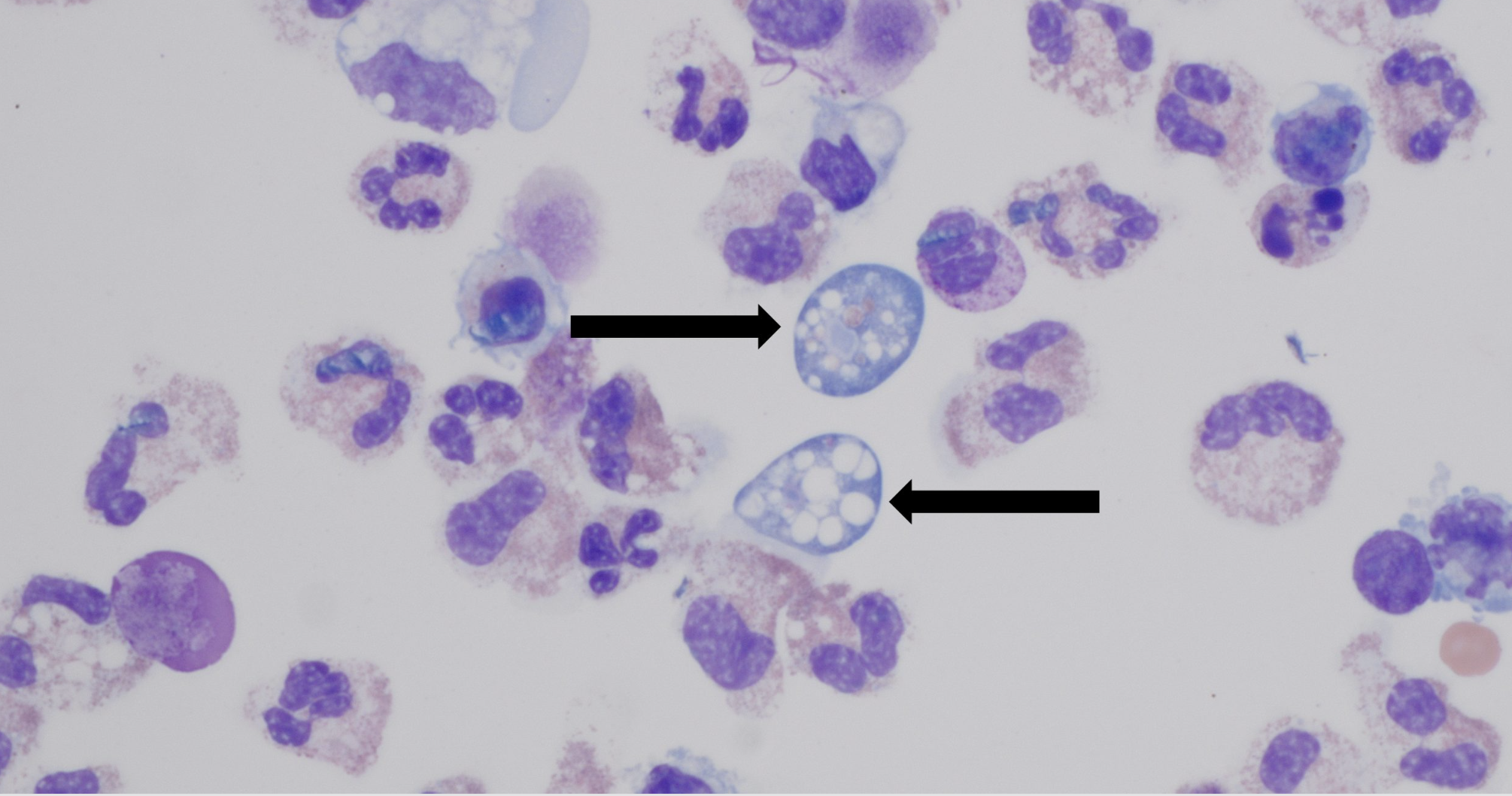
A Missouri resident infected with the rare and deadly brain-eating amoeba Naegleria fowleri, possibly from Lake of the Ozarks, is in ICU; the infection is extremely rare and linked to warm freshwater exposure, with precautions recommended for water activities.
Dare County reports two cases of Vibrio vulnificus infections linked to swimming in Croatan Sound and issues water safety guidance to prevent recreational water-related illnesses, emphasizing hygiene, wound care, and avoiding contaminated water, especially after heavy rains.
A bacterial infection called Vibrio vulnificus, which can cause severe flesh-eating disease, is increasing in the U.S., especially along the Gulf Coast and Eastern Seaboard, partly due to climate change. Warmer waters and extreme weather events are facilitating its spread, leading to more cases and deaths. Precautions include avoiding saltwater with open cuts and seeking prompt medical attention for infections.
A tragic boating accident on Shearon Harris Lake in North Carolina resulted in the death of 10-year-old Brooklyn Mae Carroll and serious injuries to a woman, after two individuals, including boat owner AnneMarie Flanigan and Quinten Gregory Kight, operated a boat under the influence. Kight, who has a history of legal issues, was arrested and charged with multiple felonies related to impaired boating, with the incident highlighting the dangers of alcohol and watercraft.
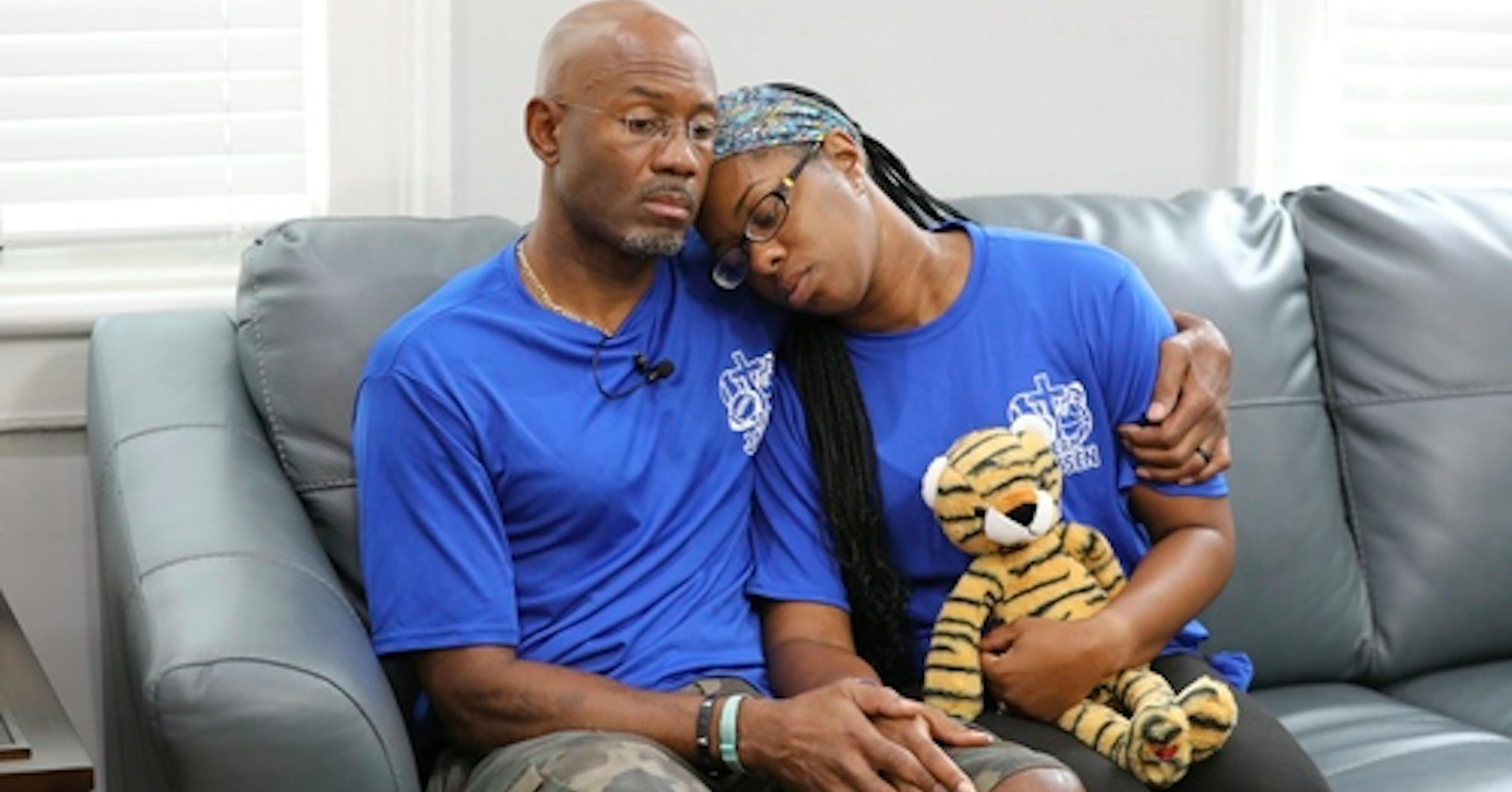
Parents are calling for increased warnings after their 12-year-old son, Jaysen Carr, died from a brain-eating amoeba contracted while swimming in Lake Murray, South Carolina. The amoeba, which thrives in warm water, entered his brain through his nose, leading to a nearly always fatal infection. The incident highlights the lack of public reporting and water testing in the area, raising concerns about awareness and safety measures for recreational water activities.
A 12-year-old boy died from a brain-eating amoeba after swimming in Lake Murray, highlighting the dangers of warm freshwater lakes where Naegleria fowleri can cause fatal brain infections. The amoeba enters through the nose, with symptoms starting as headaches and nausea, and almost always resulting in death. Precautions include avoiding submerging the head in warm water, using nose clips, and ensuring water safety measures, as infections are rare but deadly.
A 12-year-old boy from South Carolina died after contracting a deadly brain-eating amoeba, Naegleria fowleri, from Lake Murray during a holiday swim, highlighting the lack of public health warnings and testing in the area. The incident raises concerns about water safety and the need for better awareness and regulation to prevent similar tragedies.
A pediatric death in South Carolina has been linked to Naegleria fowleri, a rare and deadly amoeba found in warm freshwater lakes like Lake Murray, with infection risk heightened by water entering the nose during activities like swimming. The infection, primary amebic meningoencephalitis, is extremely rare but often fatal, with symptoms appearing within days of exposure. Preventative measures include avoiding submerging the head in warm freshwater and using nose clips. Despite the high fatality rate, cases are very uncommon, and the infection does not spread person-to-person.
A 9-year-old girl died after falling unconscious in Hersheypark’s wave pool, marking the park's first guest fatality in its 119-year history. The incident occurred during a hot day, and lifeguards attempted resuscitation. The park is cooperating with police investigations, and the wave pool remains closed out of respect.