A recent study challenges the safety of liberalized diets for neutropenic cancer patients, showing that less restrictive diets may lead to higher infection rates without improving nutrition or quality of life, prompting a reevaluation of dietary guidelines in oncology care.

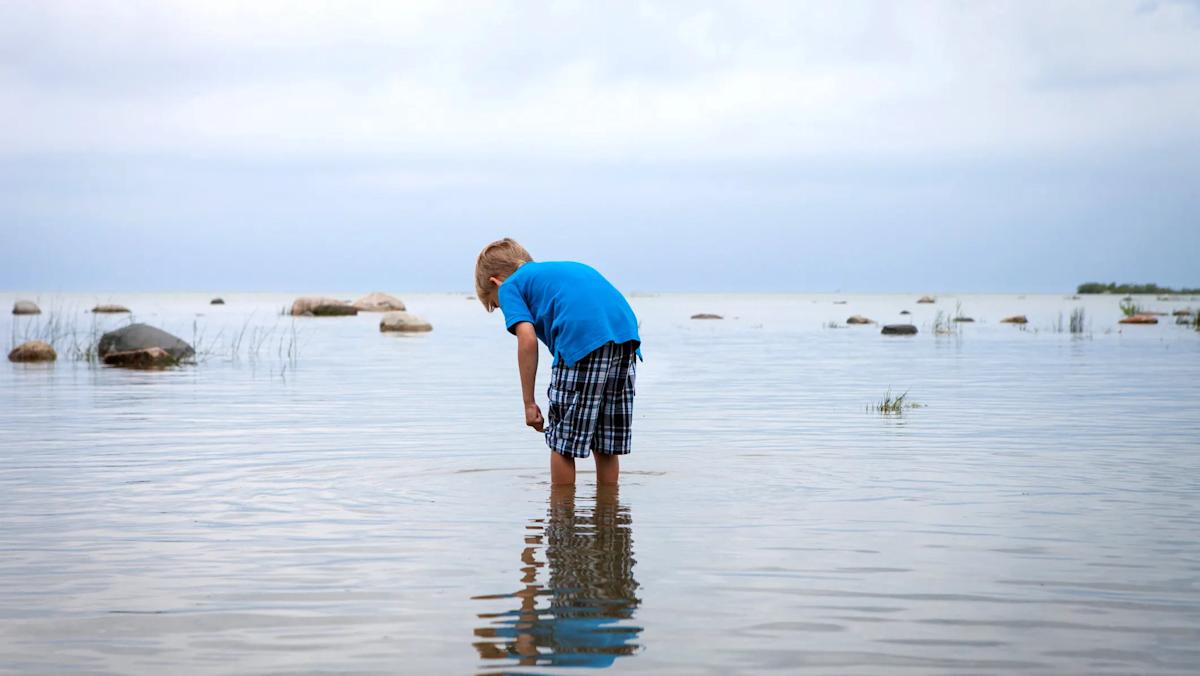
A Florida woman contracted a deadly flesh-eating bacteria, Vibrio vulnificus, after swimming in Santa Rosa Sound, leading to multiple surgeries and the potential loss of her leg, highlighting the dangers of seawater wounds and the importance of caution when swimming in warm, stagnant waters.
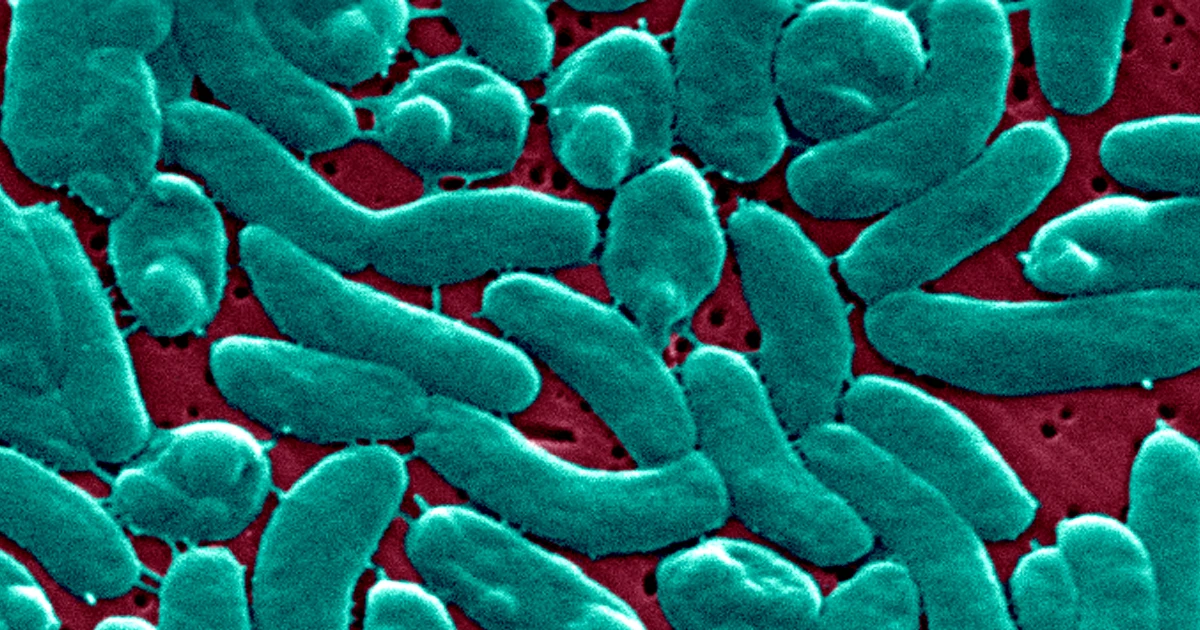
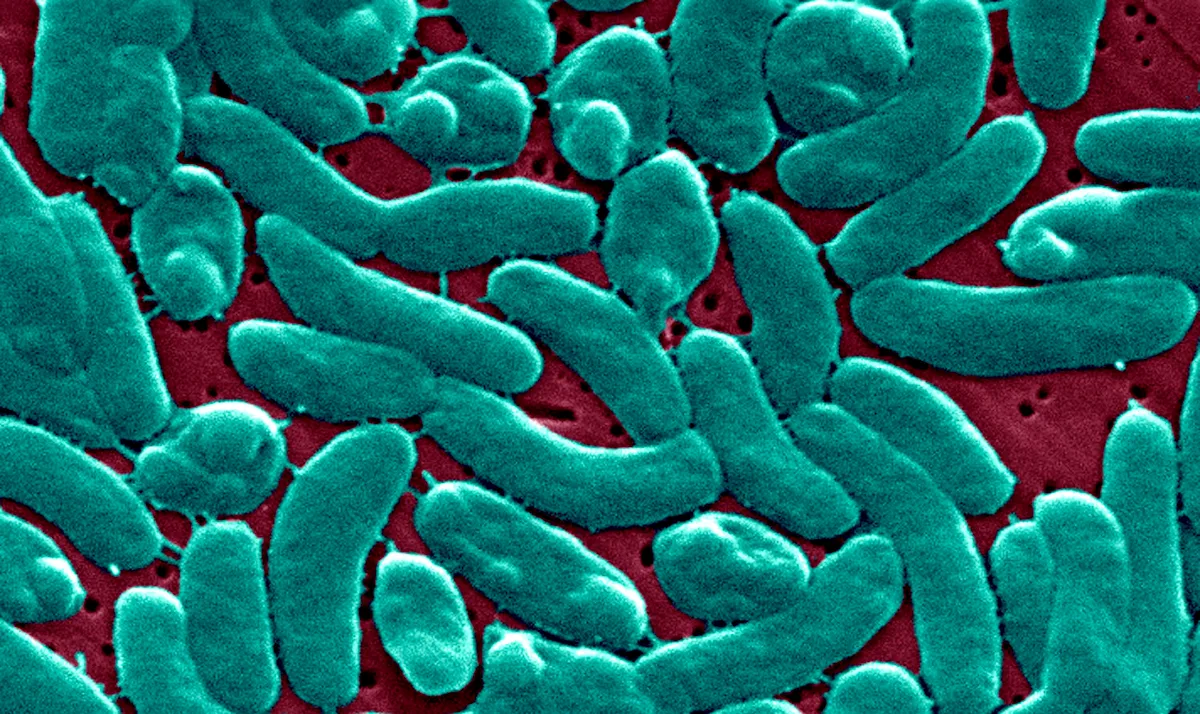
Rising sea temperatures due to climate change are increasing the prevalence of Vibrio vulnificus, a flesh-eating bacteria, along the US coasts, leading to more infections and fatalities, as exemplified by a near-fatal case in Louisiana. The bacteria thrive in warmer, brackish waters, and infections can occur through wounds or consumption of contaminated seafood, with climate change exacerbating the risk by warming oceans and altering salinity levels.
Hotel lobbies contain many contaminated surfaces like elevator buttons and check-in counters that can spread germs such as viruses and bacteria. To reduce infection risk, it is recommended to use hand sanitizer, wash hands thoroughly, and avoid touching the face after contact with high-touch areas. Proper cleaning and personal hygiene are key to preventing illness from common hotel germs.
Several types of soap distributed in the U.S. and Puerto Rico have been recalled due to contamination with Burkholderia cepacia, a bacteria that can cause serious infections, especially in immunocompromised individuals. The recall involves products from DermaRite Industries, and consumers are advised to destroy affected items and contact the company for more information.
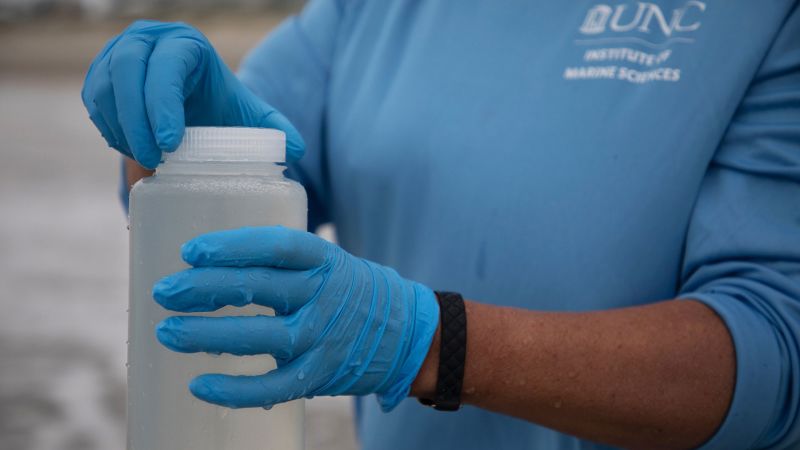
A North Carolina man is in ICU after contracting Vibrio Vulnificus, a rare but potentially deadly bacteria found in brackish coastal waters, often linked to open wounds or raw shellfish. While infections are uncommon, they can be fatal, especially for those with weakened immune systems or wounds. Health officials advise precautions like covering wounds, avoiding raw seafood, and practicing good hygiene to reduce risk while enjoying the beach.
A 12-year-old boy died from a brain-eating amoeba after swimming in Lake Murray, highlighting the dangers of warm freshwater lakes where Naegleria fowleri can cause fatal brain infections. The amoeba enters through the nose, with symptoms starting as headaches and nausea, and almost always resulting in death. Precautions include avoiding submerging the head in warm water, using nose clips, and ensuring water safety measures, as infections are rare but deadly.
A pediatric death in South Carolina has been linked to Naegleria fowleri, a rare and deadly amoeba found in warm freshwater lakes like Lake Murray, with infection risk heightened by water entering the nose during activities like swimming. The infection, primary amebic meningoencephalitis, is extremely rare but often fatal, with symptoms appearing within days of exposure. Preventative measures include avoiding submerging the head in warm freshwater and using nose clips. Despite the high fatality rate, cases are very uncommon, and the infection does not spread person-to-person.
Four deaths in Florida from Vibrio vulnificus, a bacteria thriving in warm seawater, highlight the risks of flesh-eating infections, especially for vulnerable groups; prevention includes covering wounds and seeking prompt treatment.
Four deaths in Florida this year are linked to Vibrio vulnificus, a bacteria thriving in warm seawater that can cause flesh-eating wounds and sepsis, especially affecting those with open wounds, weakened immune systems, or liver cirrhosis. Prevention includes covering wounds and seeking prompt medical care for infections.
A study warns that the common stomach bacteria H. pylori could cause nearly 12 million cancers among people born between 2008 and 2017, with a significant rise expected globally, especially in Asia and Africa, emphasizing the need for prevention and early treatment strategies.
A 71-year-old woman in Texas died after contracting the deadly brain-eating amoeba Naegleria fowleri through nasal rinsing with tap water. The amoeba, which thrives in warm freshwater and soil, causes a rare but almost always fatal brain infection called Primary Amoebic Meningoencephalitis (PAM). Although infections are extremely rare, rising global temperatures and increased water activities during hot weather are contributing to more cases worldwide. Prevention includes proper water disinfection, avoiding warm freshwater during high temperatures, and using nose plugs or distilled water for nasal rinsing.
A man who received a kidney transplant from a donor in the Caribbean nearly died due to a parasitic roundworm, Strongyloides, which was transmitted through the organ. The case led to changes in screening guidelines to prevent similar infections in future transplants.
Climate change is likely to increase the spread of infection-causing fungi like Aspergillus species, potentially exposing millions more people to fungal infections due to rising global temperatures and environmental changes, with concerns about antifungal resistance and limited treatment options.
Beards host a dense and diverse microbial population, but with proper daily hygiene and grooming, they pose little health risk and may be healthier than previously thought, contrary to common beliefs that they are inherently unhygienic.