Tag

Naegleria Fowleri

All articles tagged with #naegleria fowleri

Heat Boosts Brain-Eating Amoeba Threat in Global Waters
science27 days ago

Heat Boosts Brain-Eating Amoeba Threat in Global Waters

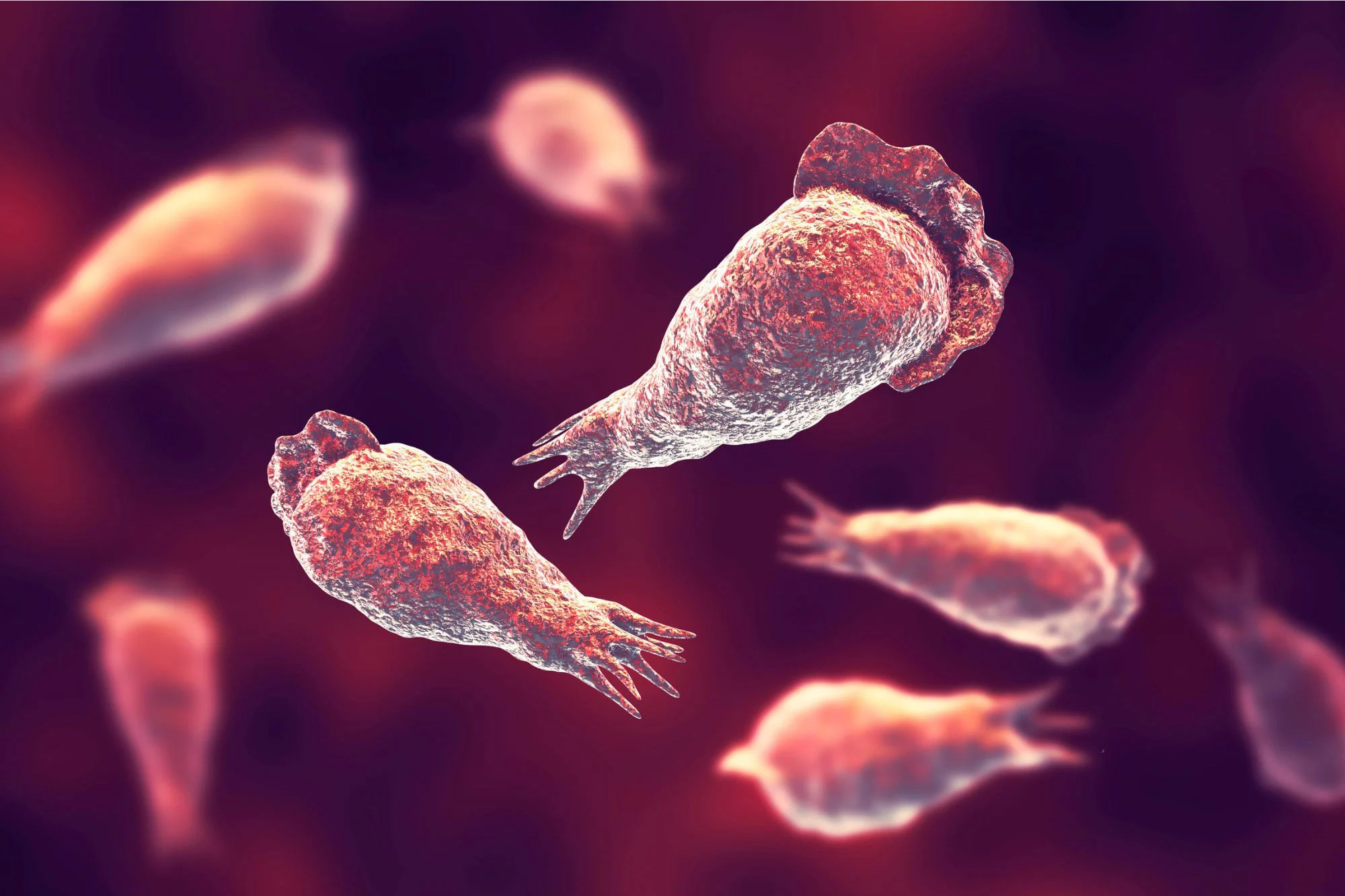
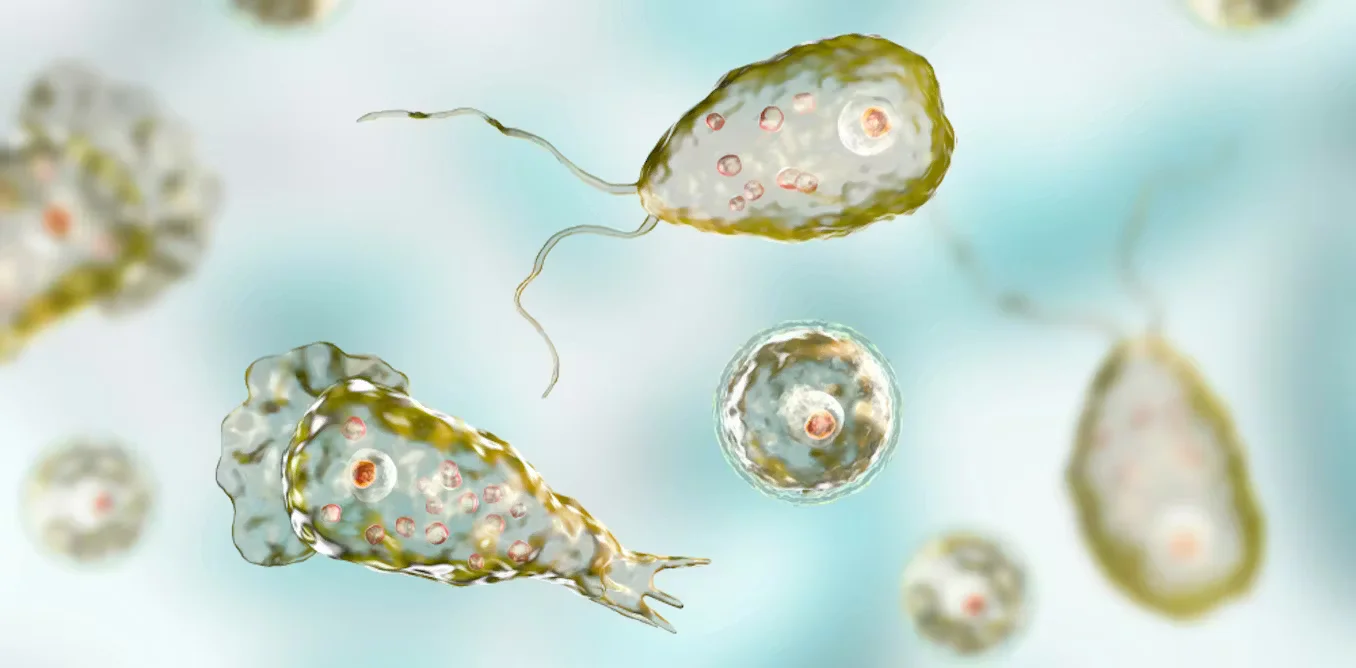
Rising temperatures expand Naegleria fowleri’s habitat in warm freshwater, raising the global risk of deadly infections that occur when contaminated water enters the nose. Infections are rare but highly fatal (about 95–99%). Prevention centers on avoiding nasal exposure (no submerging the head, nose clips), using sterile or boiled water for nasal rinsing, and maintaining proper chlorination and flushing of water systems, as climate change broadens the amoeba’s range in recreational waters.
Urgent Action Urged on Brain-Eating Amoebas as Warming Waters Expand Risk
health28 days ago

Urgent Action Urged on Brain-Eating Amoebas as Warming Waters Expand Risk

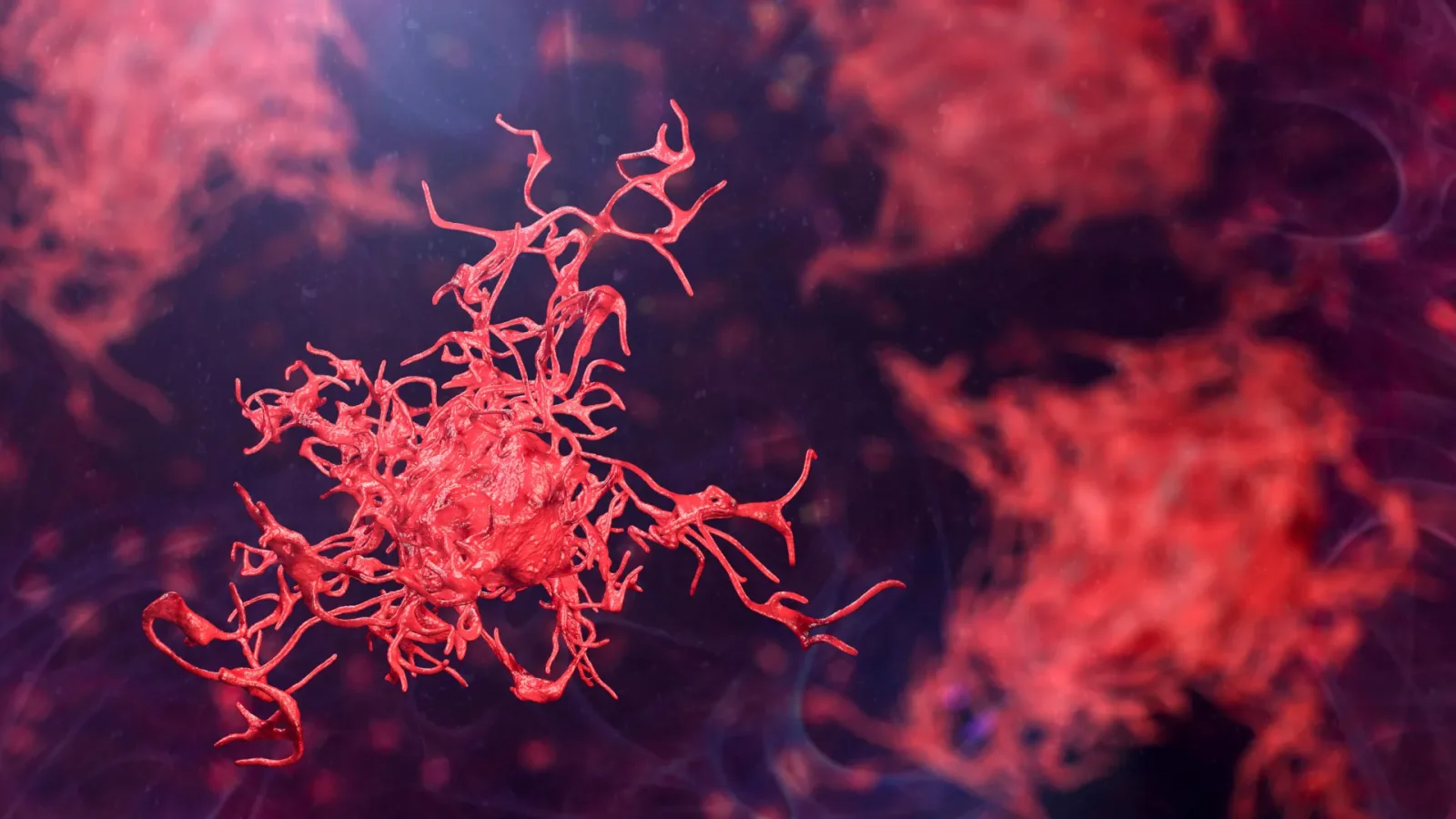
Scientists warn that free-living amoebas, notably Naegleria fowleri, may pose a growing global health threat as hotter waters expand their habitats. Infections are rare but almost always fatal and occur when contaminated water enters the nose, not by drinking. Amoebas survive in biofilms and cysts, complicating elimination and enabling them to shield other pathogens. Climate change worsens the risk by creating more warm freshwater where people swim or splash, while routine monitoring remains limited due to cost and technical challenges. Prevention hinges on robust water chlorination, flushing hot water systems, safer nasal rinsing, and public awareness while researchers seek better detection and integrated environmental–clinical responses.

Global threat grows as hardy amoebae hitchhike into water systems
science1 month ago

Global threat grows as hardy amoebae hitchhike into water systems

Scientists warn that free-living amoebae, some of which resist heat and disinfectants, are spreading globally and can shelter dangerous bacteria and viruses, raising risks for drinking and recreational water. Climate change may push these organisms into new regions, making water management and monitoring harder. The authors call for a One Health approach—strengthening surveillance, diagnostics, and advanced water treatment—to reduce infections before they occur.

Kerala Battles Rising Brain-Eating Amoeba Cases Amid Political Controversy
health5 months ago

Kerala Battles Rising Brain-Eating Amoeba Cases Amid Political Controversy

Kerala, India, is experiencing an increase in cases of the rare and deadly brain-eating amoeba, Naegleria fowleri, with improved detection and early treatment reducing fatalities. The state's reliance on groundwater and natural water bodies, combined with climate change, heightens the risk of infection, prompting public health measures focused on awareness, water safety, and early diagnosis to combat the disease.

Missouri Man Dies from Rare Brain-Eating Amoeba Infection
health6 months ago

Missouri Man Dies from Rare Brain-Eating Amoeba Infection

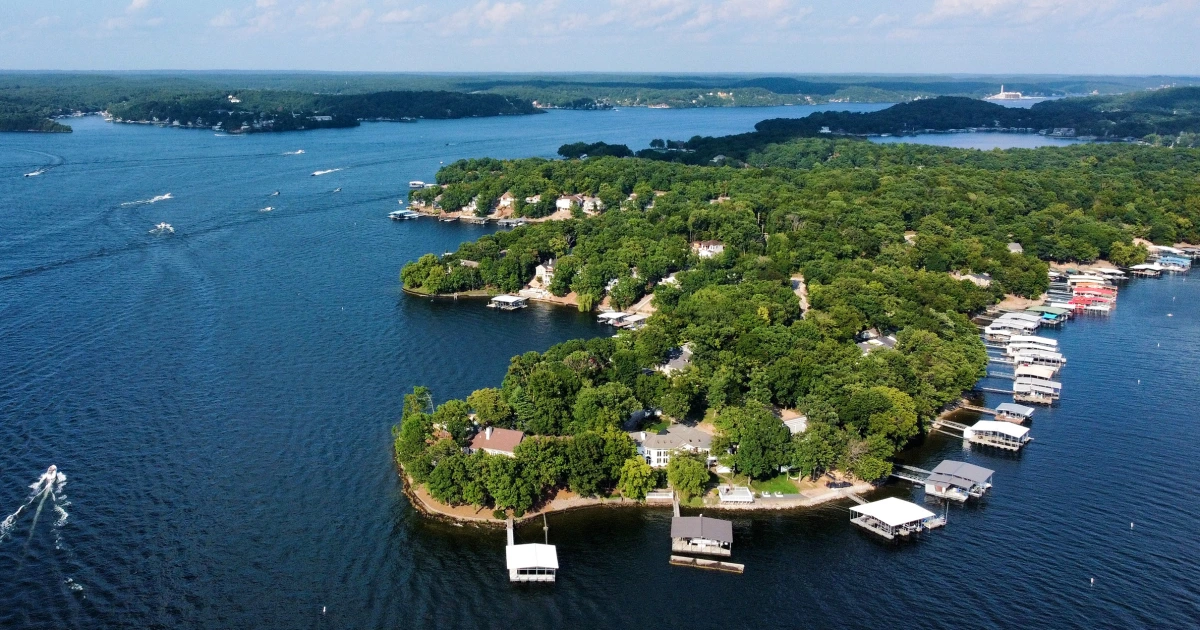
A man infected with the deadly brain-eating amoeba Naegleria fowleri has died in Missouri, possibly linked to water activities at Lake of the Ozarks. The infection, extremely rare and not contagious between people, occurs when contaminated water enters the nose, traveling to the brain. Public health officials are investigating the source, and precautions such as avoiding submerging the head in warm freshwater are recommended to reduce risk.

Missouri Water Activities Linked to Rare Brain-Eating Amoeba Infection
health6 months ago

Missouri Water Activities Linked to Rare Brain-Eating Amoeba Infection

A Missouri resident was hospitalized with a rare and deadly brain infection possibly linked to water skiing in Lake of the Ozarks, caused by the amoeba Naegleria fowleri, which is found in warm freshwater and can be contracted through the nose. Health officials advise caution during water activities in warm freshwater to prevent infection, which is extremely rare but often fatal.

Parents Demand Warnings After Son's Death from Brain-Eating Amoeba in South Carolina Lake
health7 months ago

Parents Demand Warnings After Son's Death from Brain-Eating Amoeba in South Carolina Lake

Parents are calling for increased warnings after their 12-year-old son, Jaysen Carr, died from a brain-eating amoeba contracted while swimming in Lake Murray, South Carolina. The amoeba, which thrives in warm water, entered his brain through his nose, leading to a nearly always fatal infection. The incident highlights the lack of public reporting and water testing in the area, raising concerns about awareness and safety measures for recreational water activities.

Tragic Death of Boy in South Carolina Lake Highlights Brain-Eating Amoeba Risks
health7 months ago

Tragic Death of Boy in South Carolina Lake Highlights Brain-Eating Amoeba Risks

A 12-year-old boy died from a brain-eating amoeba after swimming in Lake Murray, highlighting the dangers of warm freshwater lakes where Naegleria fowleri can cause fatal brain infections. The amoeba enters through the nose, with symptoms starting as headaches and nausea, and almost always resulting in death. Precautions include avoiding submerging the head in warm water, using nose clips, and ensuring water safety measures, as infections are rare but deadly.

Parents Demand More Warnings After Boy's Death from Brain-Eating Amoeba in South Carolina Lake
health7 months ago

Parents Demand More Warnings After Boy's Death from Brain-Eating Amoeba in South Carolina Lake

A 12-year-old boy from South Carolina died after contracting a deadly brain-eating amoeba, Naegleria fowleri, from Lake Murray during a holiday swim, highlighting the lack of public health warnings and testing in the area. The incident raises concerns about water safety and the need for better awareness and regulation to prevent similar tragedies.

Tragic Death of 12-Year-Old from Brain-Eating Amoeba in South Carolina
health7 months ago

Tragic Death of 12-Year-Old from Brain-Eating Amoeba in South Carolina

A 12-year-old boy in South Carolina died after contracting Naegleria fowleri, a rare and deadly brain-eating amoeba found in warm freshwater like lakes. The infection progresses rapidly and is nearly always fatal, with symptoms including headache, fever, and hallucinations. Prevention measures include avoiding submerging the head in warm freshwater and using distilled or boiled water for nasal rinses.