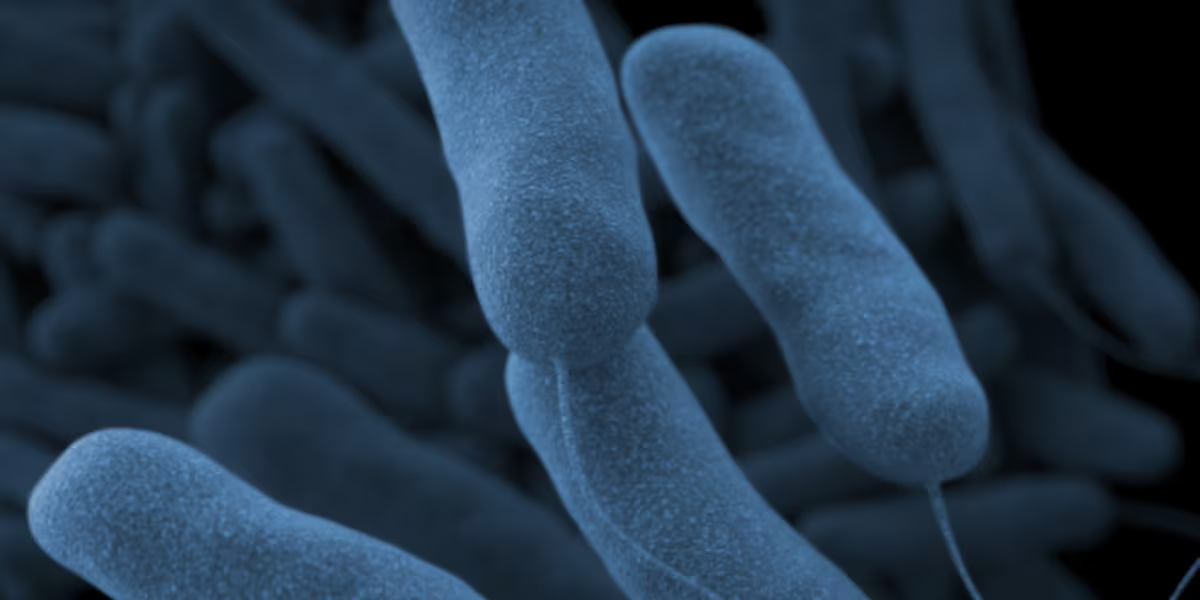
Two cases of Legionnaires' disease have been confirmed at The Christ Hospital in Cincinnati, prompting water testing and safety measures, though the hospital reports no current risk to patients or staff.
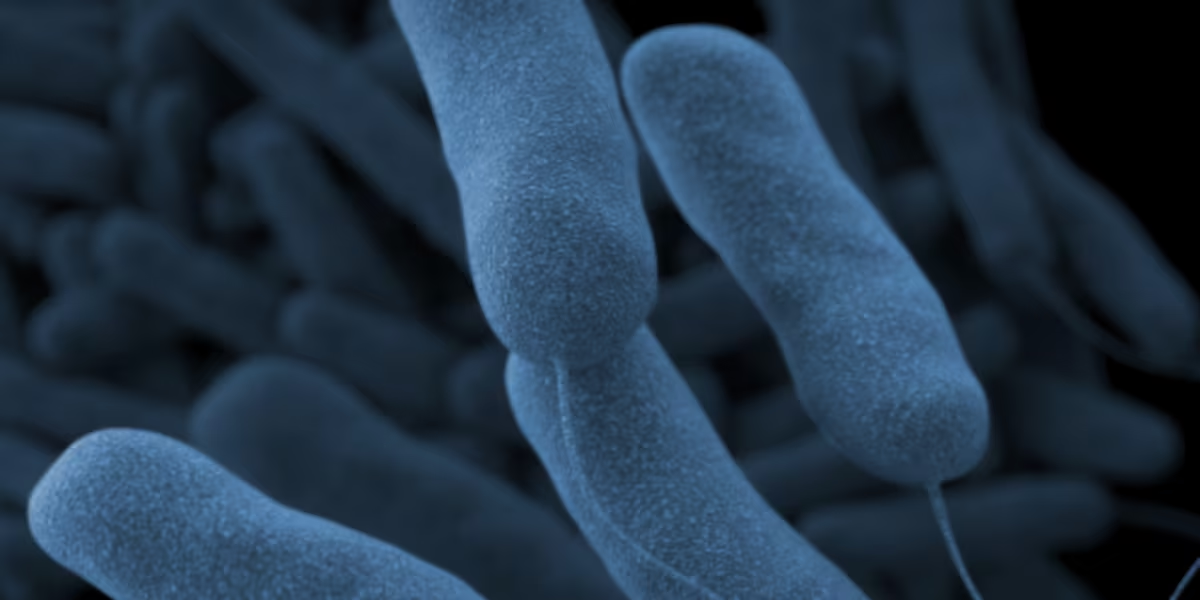
Two cases of Legionnaires' disease have been reported at The Christ Hospital in Cincinnati, prompting water testing and safety measures, though the hospital states the risk remains low and water is currently deemed safe.
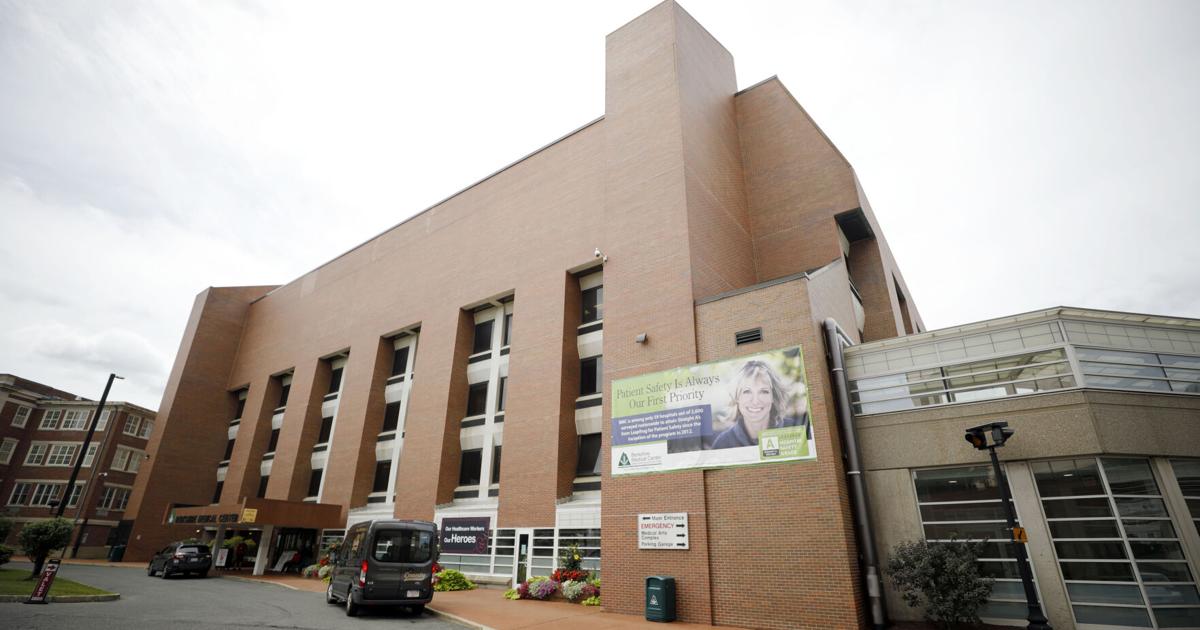
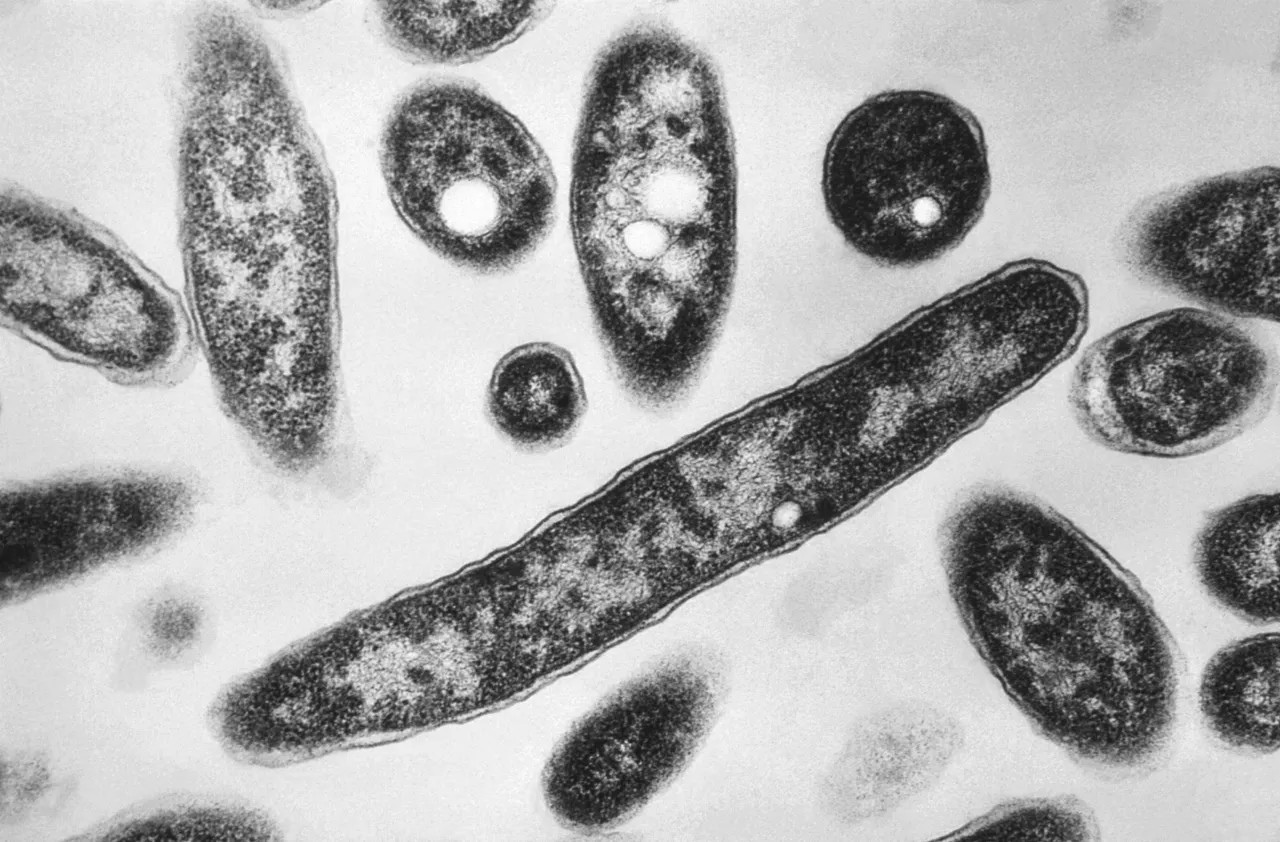
Seven patients at Berkshire Medical Center tested positive for Legionella bacteria, with one death possibly linked to the infection. The hospital has increased water safety measures, including chlorination and filtration, and is working with health authorities to eliminate the bacteria from its water system. Legionella, which causes Legionnaires' disease, spreads through aerosolized water and is most dangerous to immunocompromised individuals. The hospital's response aims to reduce the bacteria to zero in the water supply, with ongoing testing and cooperation with public health officials.
The Iowa Department of Health and Human Services is investigating 21 cases of Legionnaires' disease, including one death, in Marshalltown, with health officials urging water system management and prompt medical care for at-risk populations. The disease, caused by Legionella bacteria, is not contagious but can be severe for older adults, smokers, and those with chronic lung conditions, and is treatable with antibiotics if diagnosed early.
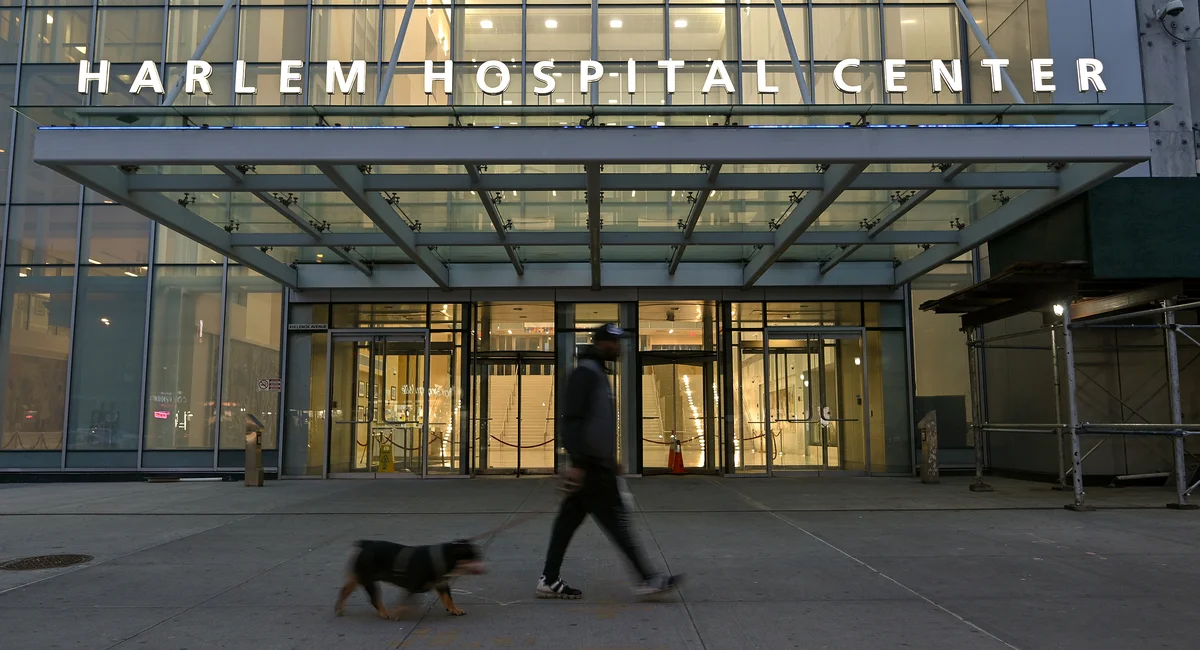
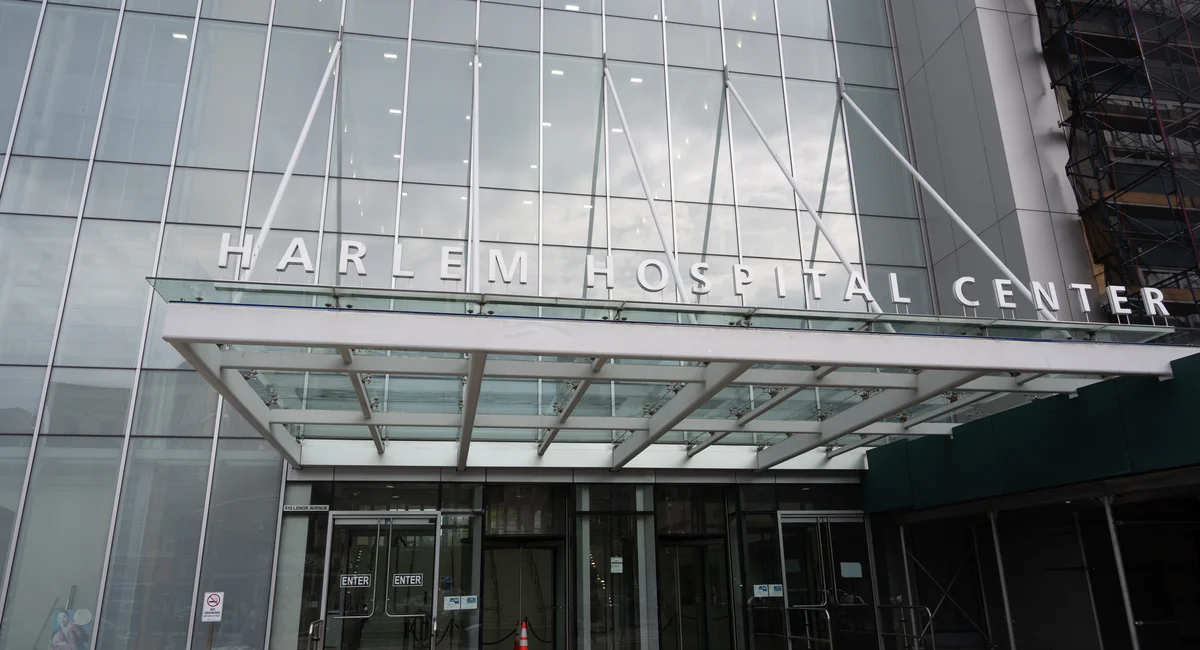
New York City health officials have identified Harlem Hospital and a nearby construction site as sources of a Legionnaires' disease outbreak that has resulted in seven deaths and over 100 illnesses, with water samples from cooling towers containing Legionella bacteria matching those found in patients.
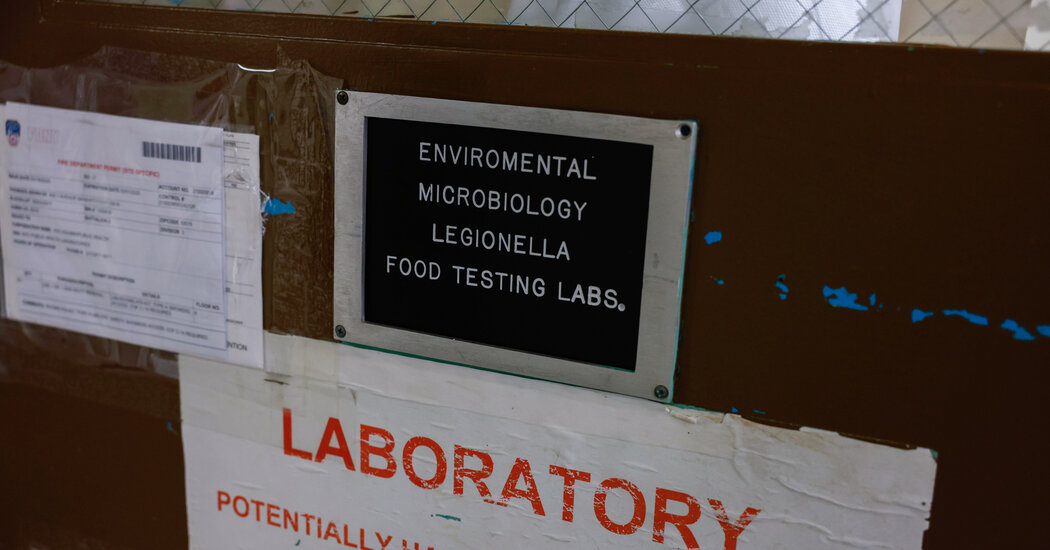
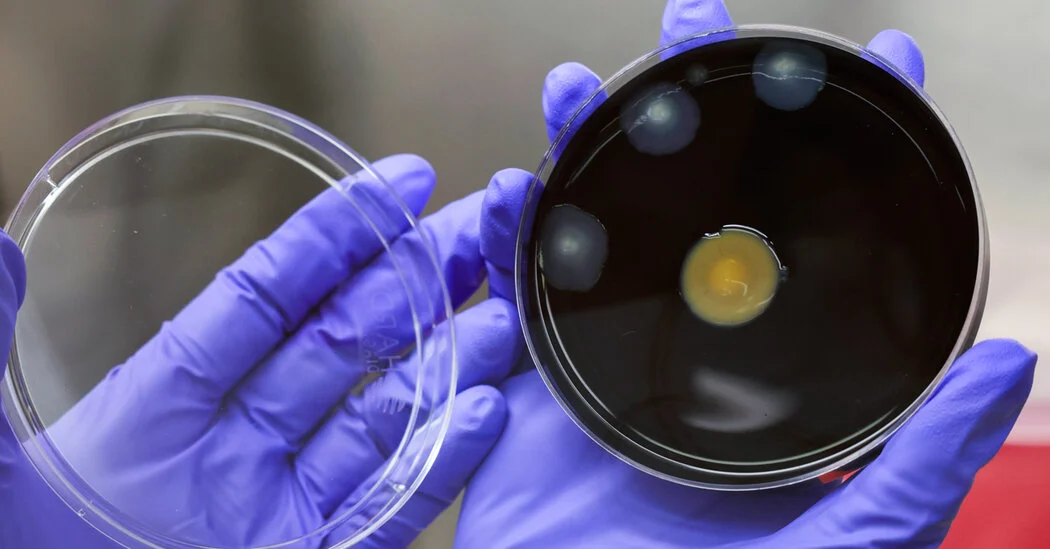
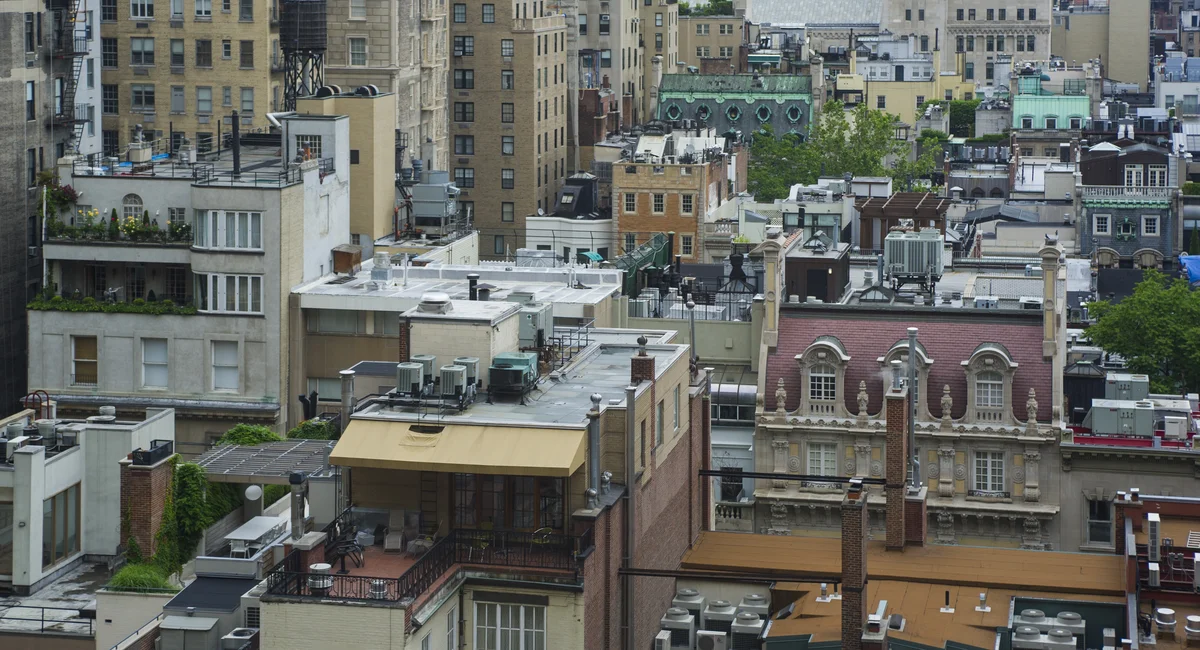
An outbreak of Legionnaires' disease in Harlem has resulted in six deaths and over 100 illnesses, with public health officials racing to identify the contaminated water towers by analyzing bacterial samples through slow, meticulous laboratory processes including culturing and genomic sequencing, which can take weeks. The outbreak is linked to mist from infected water towers, and efforts are ongoing to pinpoint the exact source and prevent further cases.
A sixth person has died in the Legionnaires' disease outbreak in Central Harlem, with the number of cases rising slightly to 111. The outbreak is linked to contaminated water-cooling towers, with remediation completed on all identified towers. Health officials continue to investigate the source of the outbreak through DNA sequencing, despite efforts to control it.
Two construction workers suing contractors and the city claim they contracted Legionnaires' disease from contaminated water cooling towers at Harlem Hospital during a deadly outbreak, alleging negligence and failure to prevent contamination.
The Legionnaires' disease outbreak in Central Harlem has resulted in five deaths, with 108 reported cases and ongoing investigations into the source, including contaminated water towers, prompting city remediation efforts and legal concerns about preventability.
A Sebastopol man has died from Legionnaires' disease, an isolated case according to Sonoma County health officials, with no indication of a larger outbreak; the disease is caused by Legionella bacteria found in warm, stagnant water and primarily affects older individuals with weakened immune systems.
New York City is experiencing a surge in Legionnaires' disease cases, driven by environmental factors like climate change and aging water infrastructure, as well as human factors such as building maintenance lapses. Despite strict regulations, outbreaks continue, highlighting the disease's preventability and the need for diligent water system management.
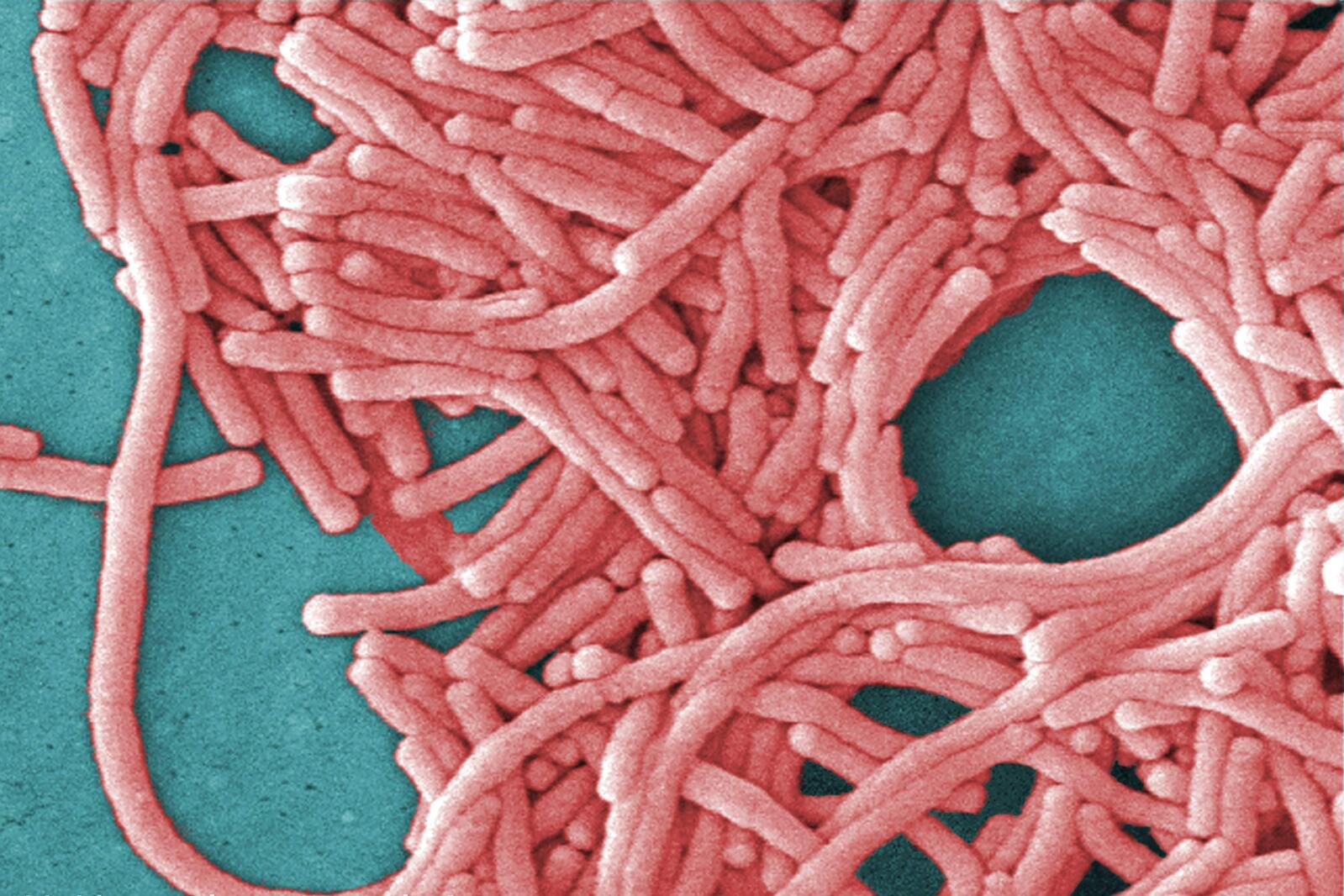
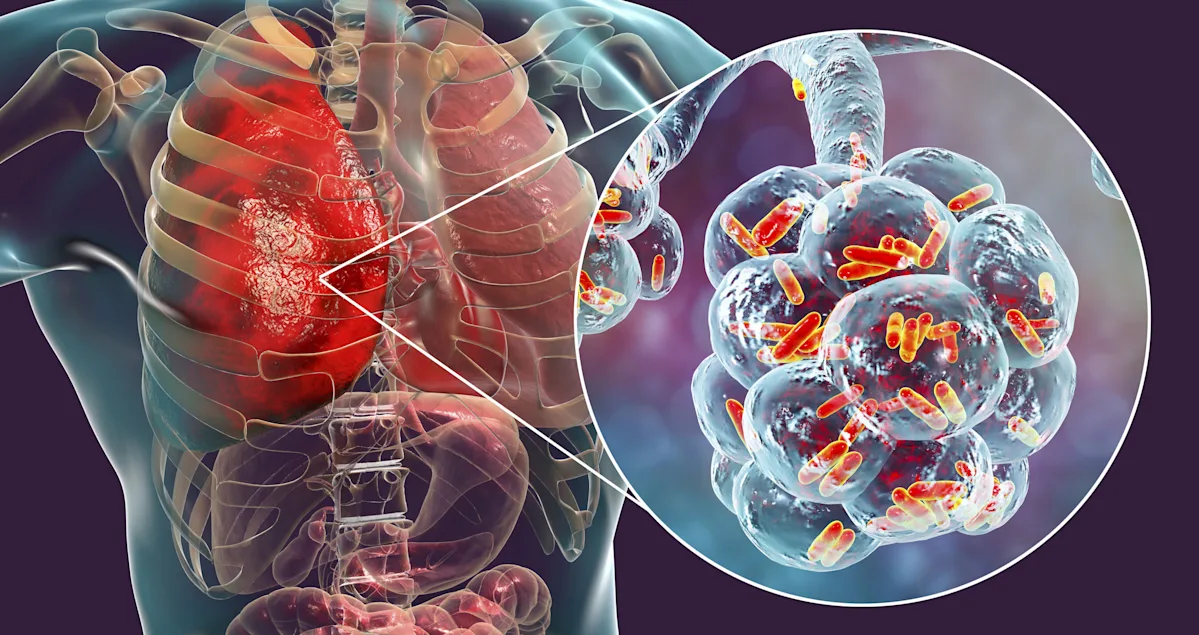
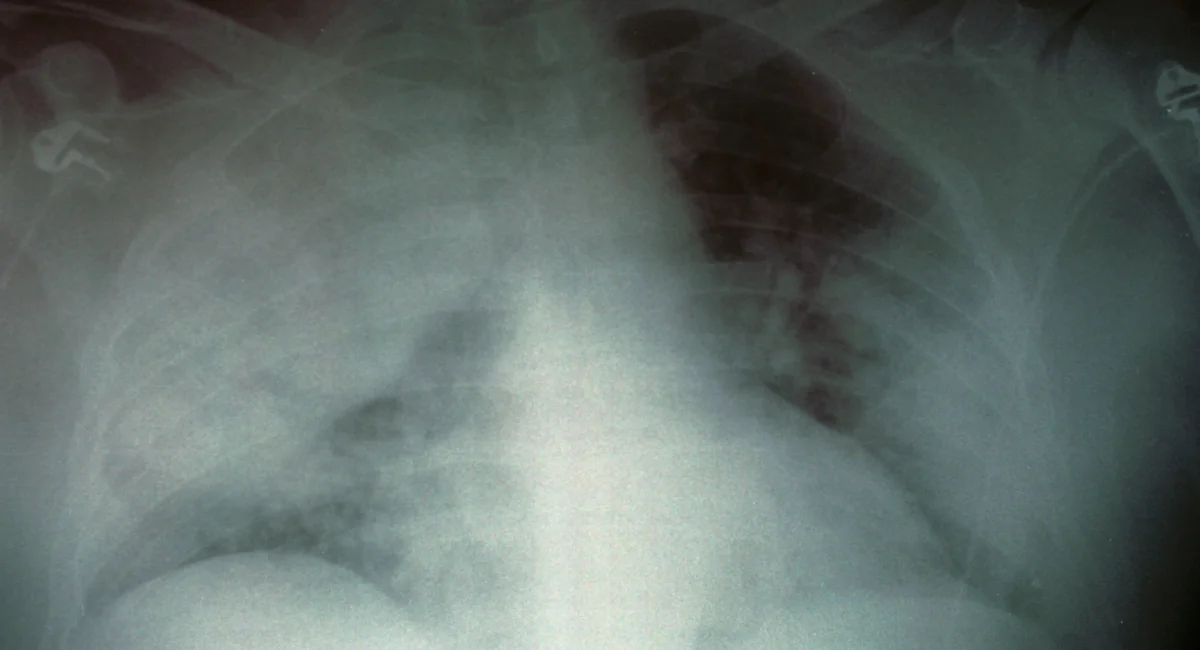
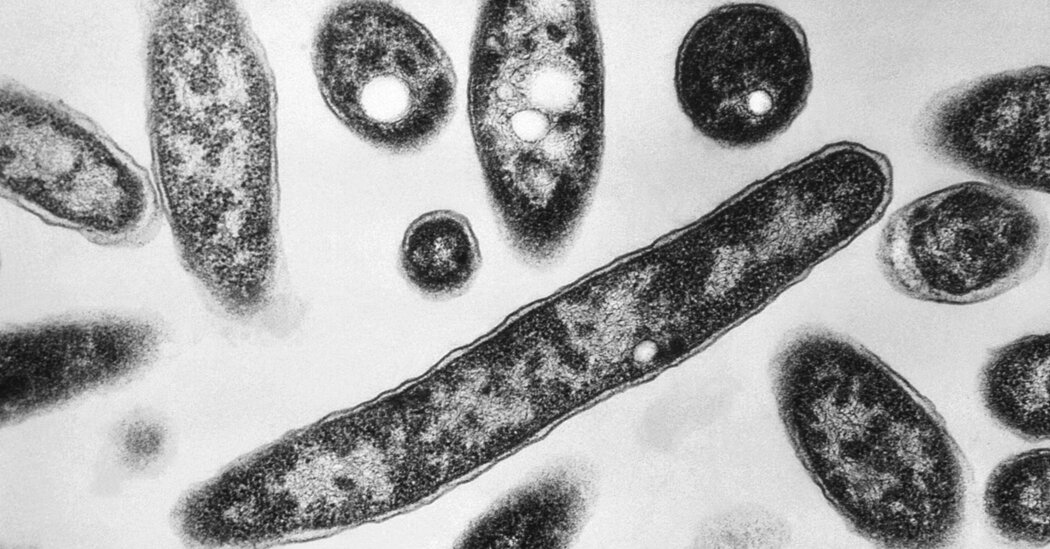
A Legionnaires' disease outbreak in Harlem, NYC has resulted in 3 deaths and over 60 illnesses, linked to contaminated cooling towers. The disease is a severe pneumonia caused by Legionella bacteria, which spreads through inhaling contaminated water vapor from man-made water systems. Symptoms include cough, fever, and muscle aches, and it primarily affects those over 50, smokers, or individuals with health issues. Early diagnosis and antibiotics are effective treatments.
An outbreak of Legionnaires' disease in Central Harlem has resulted in three deaths and at least 58 illnesses, linked to contaminated water cooling towers. The city is actively testing and remediating affected buildings, emphasizing that the disease is not spread person-to-person and urging high-risk individuals to seek medical attention if symptoms appear. Measures include water system inspections and remediation to prevent further cases.
A Legionnaires' disease outbreak in Harlem has resulted in 2 deaths and over 50 illnesses, with health officials still searching for the source, likely linked to contaminated cooling towers, amid rising cases across the U.S.,
A Legionnaires' disease outbreak in New York City has infected at least 83 people, resulting in 3 deaths, likely linked to contaminated cooling towers. Health officials are investigating and have conducted testing and cleaning of cooling towers in affected areas. The disease, caused by Legionella bacteria, is not contagious person-to-person but can be severe if untreated, especially for vulnerable populations. Residents with symptoms are advised to seek medical care promptly.