A dietitian from the British Heart Foundation warns against mixing certain supplements with the blood-thinning medication warfarin, as it can lead to harmful side effects. Specifically, vitamin K, omega-3, and St John's wort should be avoided with warfarin. The expert advises obtaining nutrients from a balanced diet rather than supplements, except for vitamin D during autumn and winter. It's recommended to consult a doctor before starting any supplements, as excessive intake can be detrimental to health.
The use of direct oral anticoagulants (DOACs) instead of warfarin, a traditional blood thinner, is associated with a significantly lower risk of dementia in Asian populations receiving treatment for atrial fibrillation (AFib), according to a new study. The risk of dementia in those treated with DOACs was 12% lower than in those treated with warfarin. However, this lower incidence of dementia did not apply to other populations. The study suggests that DOACs may help prevent vascular dementia caused by mini-blood clots in the brain. While DOACs offer advantages over warfarin, such as not requiring dietary restrictions or regular blood tests, they are more expensive and lack a readily accessible antidote. The study highlights the need for further research to determine the applicability of these findings to different populations.
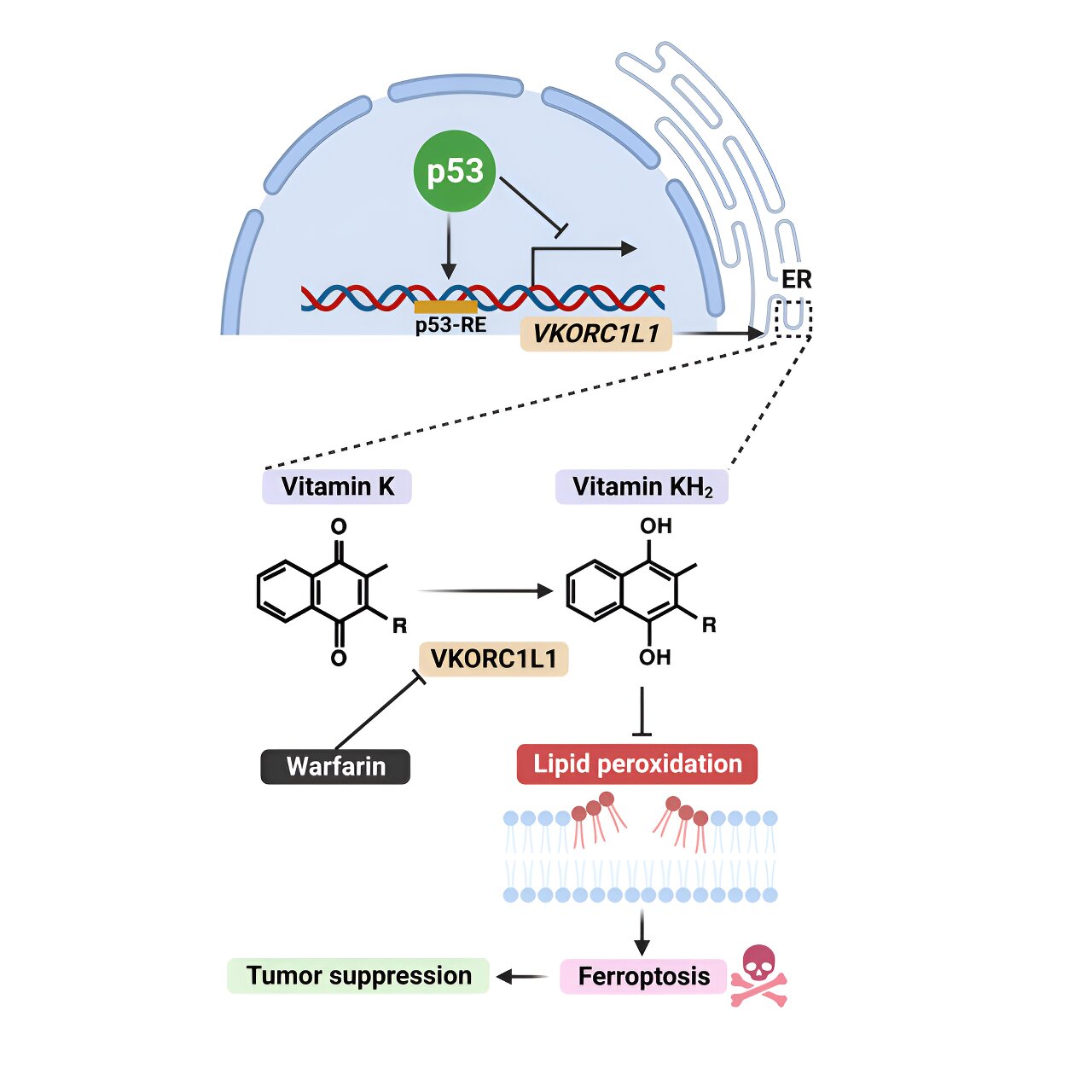
Warfarin, a commonly used blood thinner, has been found to have potent anti-cancer properties. Researchers at Columbia University discovered that warfarin inhibits tumors from interfering with a self-destruct mechanism in cells that is activated when mutations or abnormalities are detected. The study suggests that warfarin could be repurposed to treat various types of cancer, including pancreatic cancer. Warfarin reduces the activity of a gene called VKORC1L1, which promotes ferroptosis, a cell death mechanism that requires iron. The findings indicate that warfarin may be a promising cancer therapy, particularly for tumors with high levels of VKORC1L1 expression.