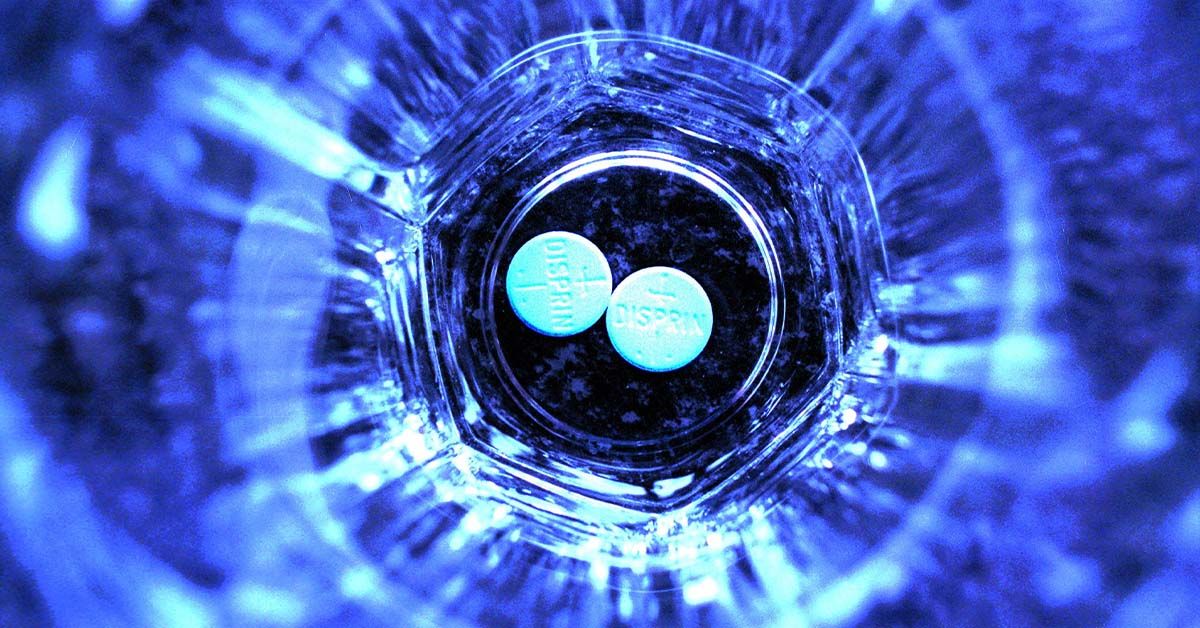
A review suggests that switching from aspirin to the blood thinner clopidogrel can reduce the risk of heart attack, stroke, or death by 14% in patients with coronary heart disease, with similar safety profiles and potential cost benefits, prompting calls for updated treatment recommendations.

A new study warns that taking non-steroidal anti-inflammatory drugs (NSAIDs) like ibuprofen or naproxen alongside blood thinners doubles the risk of dangerous internal bleeding. The research, conducted on nearly 52,000 Danish patients, found increased bleeding risks in the gut, brain, lungs, and bladder, with specific risks varying by NSAID type. The study emphasizes the importance of consulting a doctor before combining these medications, as NSAIDs are widely used and often available over-the-counter.
New research suggests that heart patients who undergo percutaneous coronary interventions may be able to stop taking aspirin after just one month, while continuing a second blood thinner for 12 months, without experiencing an increased risk of blood clots forming on the implanted hardware. The study found a 55% reduction in bleeding issues with no additional occurrence of cardiac events when patients stopped taking aspirin after one month. This finding may lead to a change in guidelines for post-procedure antiplatelet medications, offering a potentially safer strategy for patients undergoing these heart procedures.
A study from the Washington University School of Medicine in St. Louis found that adding blood thinners to clot-busting medication did not improve outcomes for people with ischemic stroke. The research, presented at the American Stroke Association’s International Stroke Conference 2024, involved participants receiving standard clot-busting medication and either a blood thinner or a placebo. The study showed that the addition of blood thinners did not improve physical function at 90 days after a stroke, and the trial was stopped after the first 500 participants. Despite the negative outcome, the study also revealed that the blood thinners did not significantly increase the risk of bleeding into the brain, providing valuable insights for future research in ischemic stroke treatment.
The use of direct oral anticoagulants (DOACs) instead of warfarin, a traditional blood thinner, is associated with a significantly lower risk of dementia in Asian populations receiving treatment for atrial fibrillation (AFib), according to a new study. The risk of dementia in those treated with DOACs was 12% lower than in those treated with warfarin. However, this lower incidence of dementia did not apply to other populations. The study suggests that DOACs may help prevent vascular dementia caused by mini-blood clots in the brain. While DOACs offer advantages over warfarin, such as not requiring dietary restrictions or regular blood tests, they are more expensive and lack a readily accessible antidote. The study highlights the need for further research to determine the applicability of these findings to different populations.
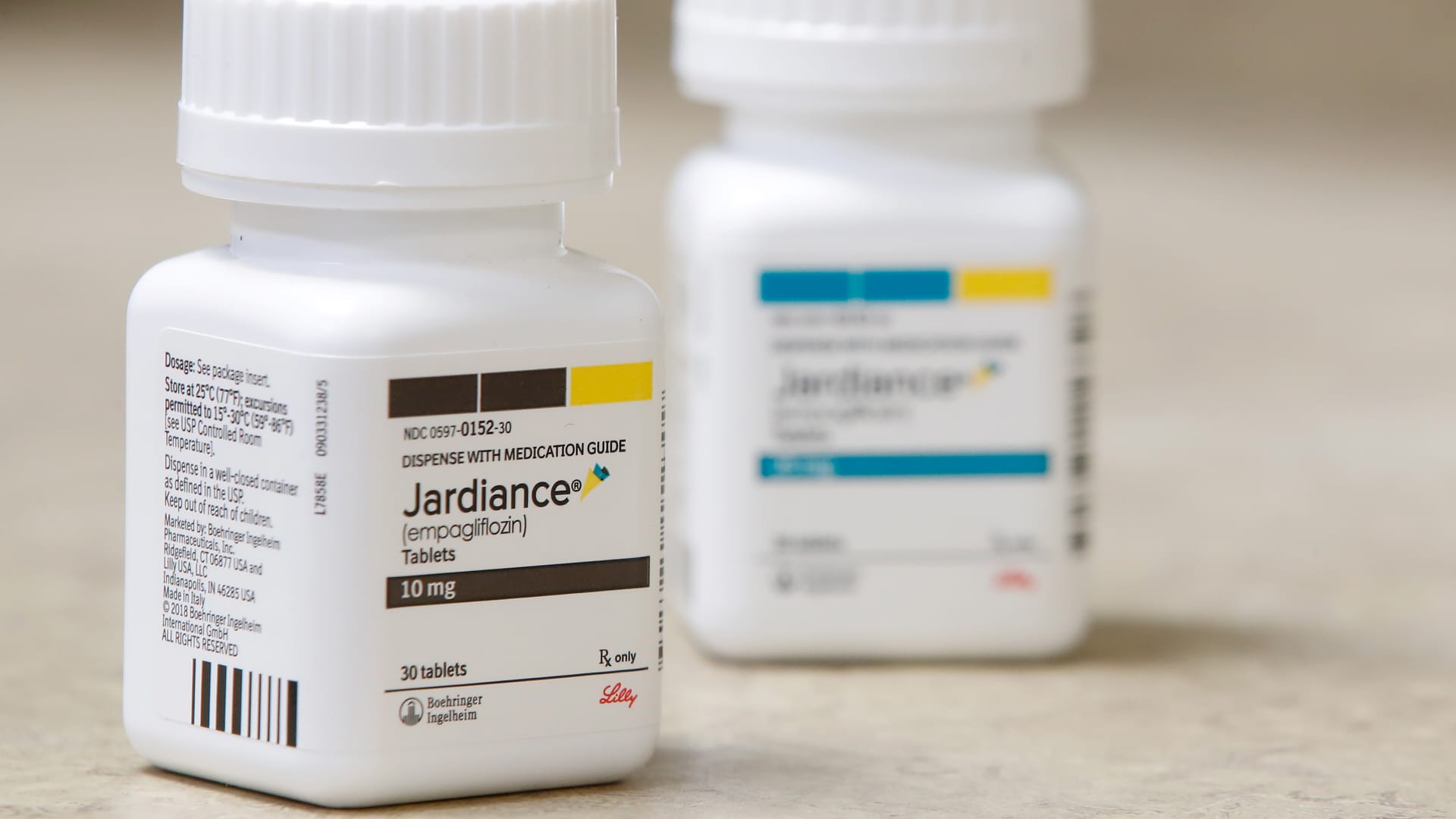
The Biden administration has released a list of ten drugs subject to price negotiations with Medicare, aiming to lower drug costs for older adults. The most widely used drugs on the list are Bristol-Myers Squibb's blood thinner Eliquis, Boehringer Ingelheim's diabetes medication Jardiance, and Johnson & Johnson's blood thinner Xarelto. Medicare Part D spent $16.5 billion on Eliquis, $7 billion on Jardiance, and $6 billion on Xarelto from June 2022 to May 2023. The negotiations will conclude in August 2024, with reduced prices taking effect in January 2026.
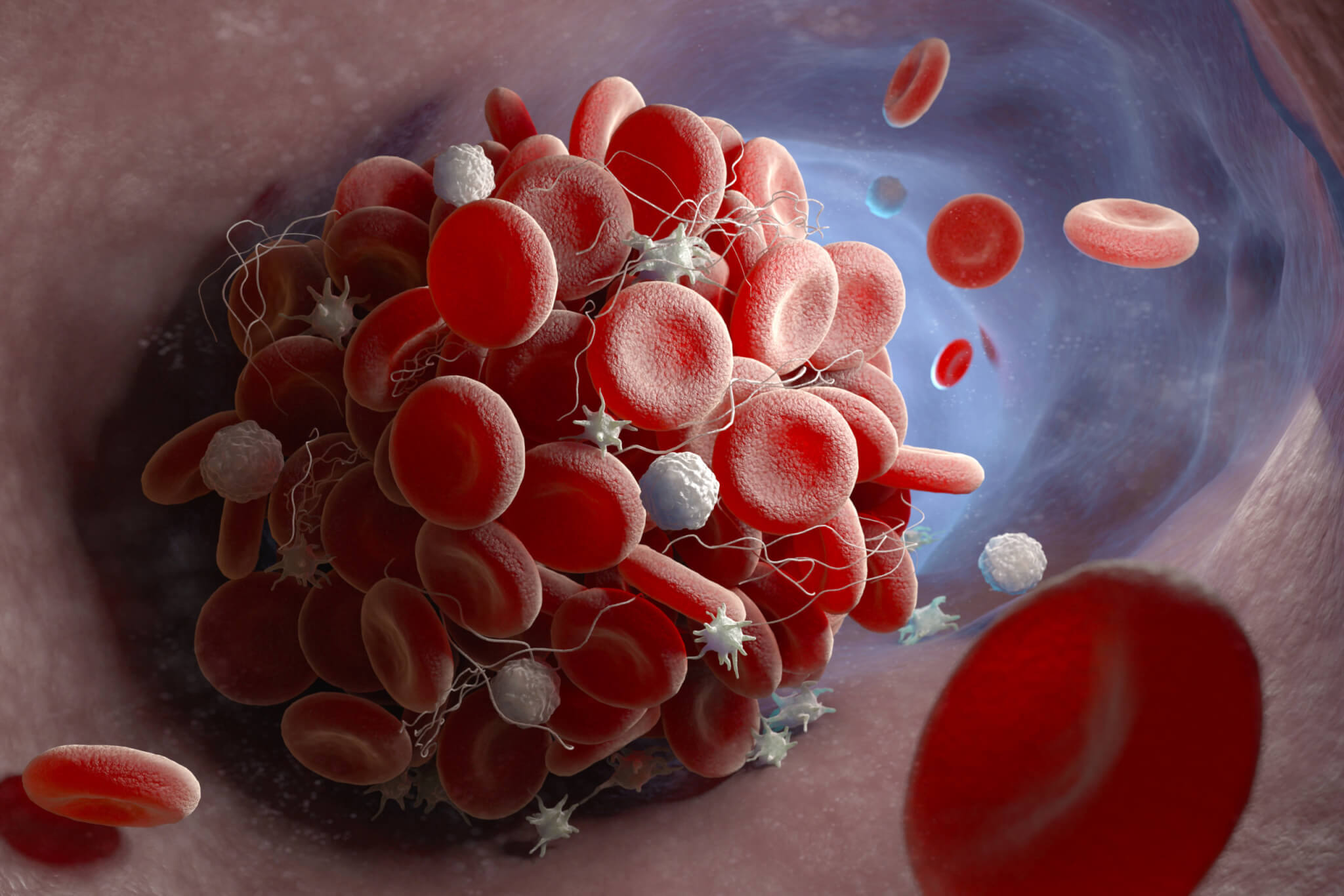
Canadian researchers have developed a new compound called MPI 8 that can prevent blood clots without increasing the risk of bleeding, a common side-effect of existing blood thinners. The compound targets polyphosphate, a molecule involved in blood clotting, and leaves the body's other cells and proteins alone, eliminating any toxic side-effects. Animal studies have shown that MPI 8 is effective in preventing blood clots in mice without increasing bleeding risk and has no toxic side-effects, even at high doses. However, more research is necessary to test the safety and effectiveness of MPI 8 in humans.