Russia's wartime economy is under increasing strain as it relies heavily on depleted buffers like reserves and foreign income, with structural issues and external pressures threatening its long-term stability, though it has not yet collapsed.
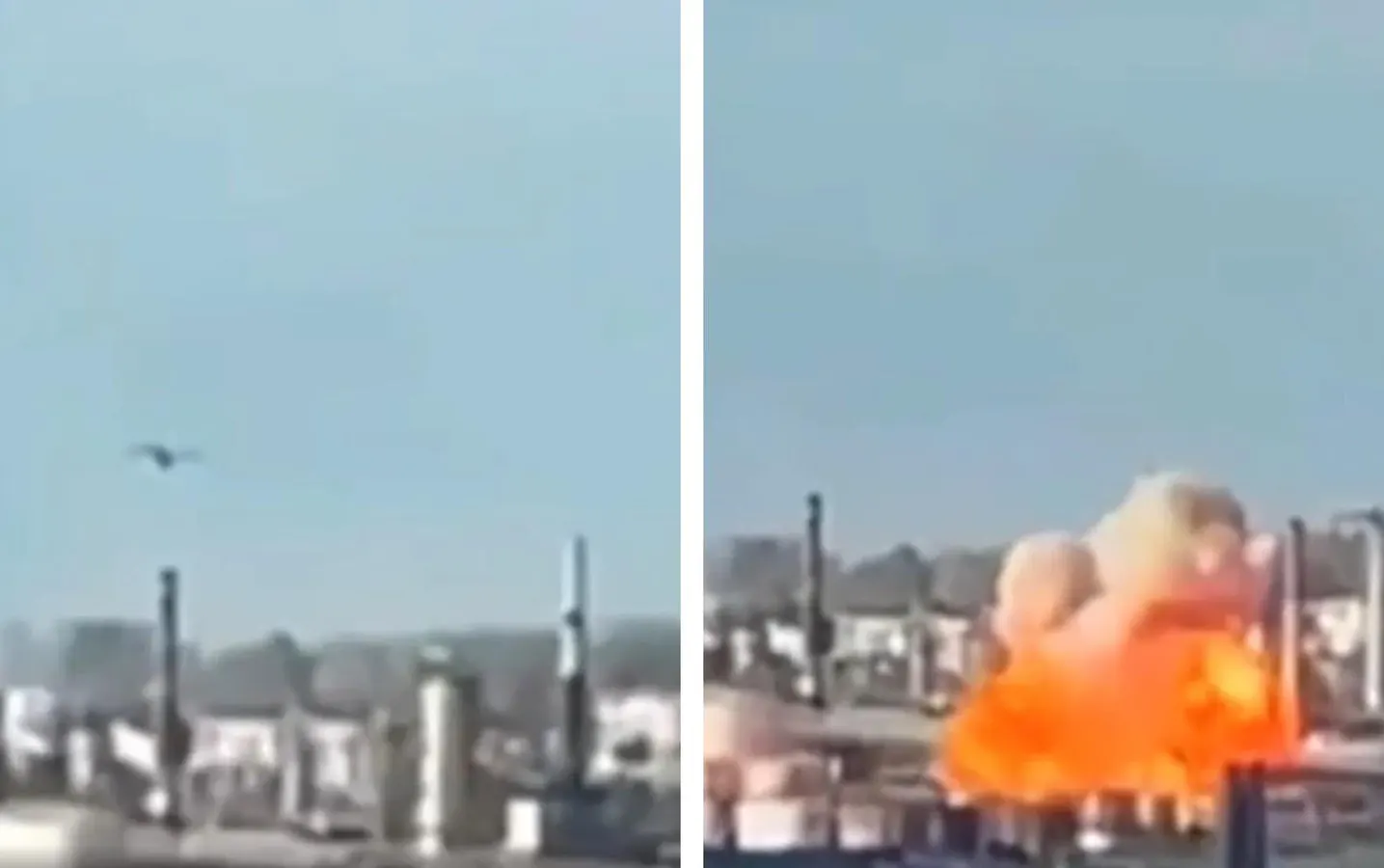
Ukraine has intensified its drone attacks on Russian oil refineries, disrupting Russia's fuel supply and weakening its economy, which, combined with costly Russian military efforts that yield limited gains, is shifting leverage in favor of Ukraine in ongoing peace negotiations.
Despite a cooling of Vladimir Putin's war economy, Russians continue to feel wealthier, indicating a complex economic and social landscape amid ongoing conflicts.
European Council President Charles Michel is advocating for a shift to a war economy in Europe, proposing targets for increased weapons purchases from European defense producers, using profits from Russian frozen assets to finance weapons for Ukraine, and facilitating financial access for the European defense industry. However, this approach raises concerns about the potential dependence on conflicts to sustain the defense industry and the broader implications for the EU's economic integration and stimulus. Additionally, solidarity with Ukraine is facing challenges, as evidenced by tensions over Ukrainian grain imports and declining political support for Ukraine aid in Western countries.
European members of NATO are not meeting their defense spending commitments, but the European Union is considering a shift to a "war economy" to address this. The move raises questions about barriers and implications.
The European Commission is set to propose measures to bolster the EU's arms industry and shift it to "war economy mode" in response to Russia's invasion of Ukraine, including encouraging joint procurement of weapons, increasing production capacity, and creating a European version of the U.S. Foreign Military Sales scheme. The proposals aim to make the European defense industry more resilient and less reliant on purely national efforts, but will require approval from EU member states and the European Parliament. The package is expected to include around 1.5 billion euros in new funding through 2027, with potential for greater coordinated spending in the future.
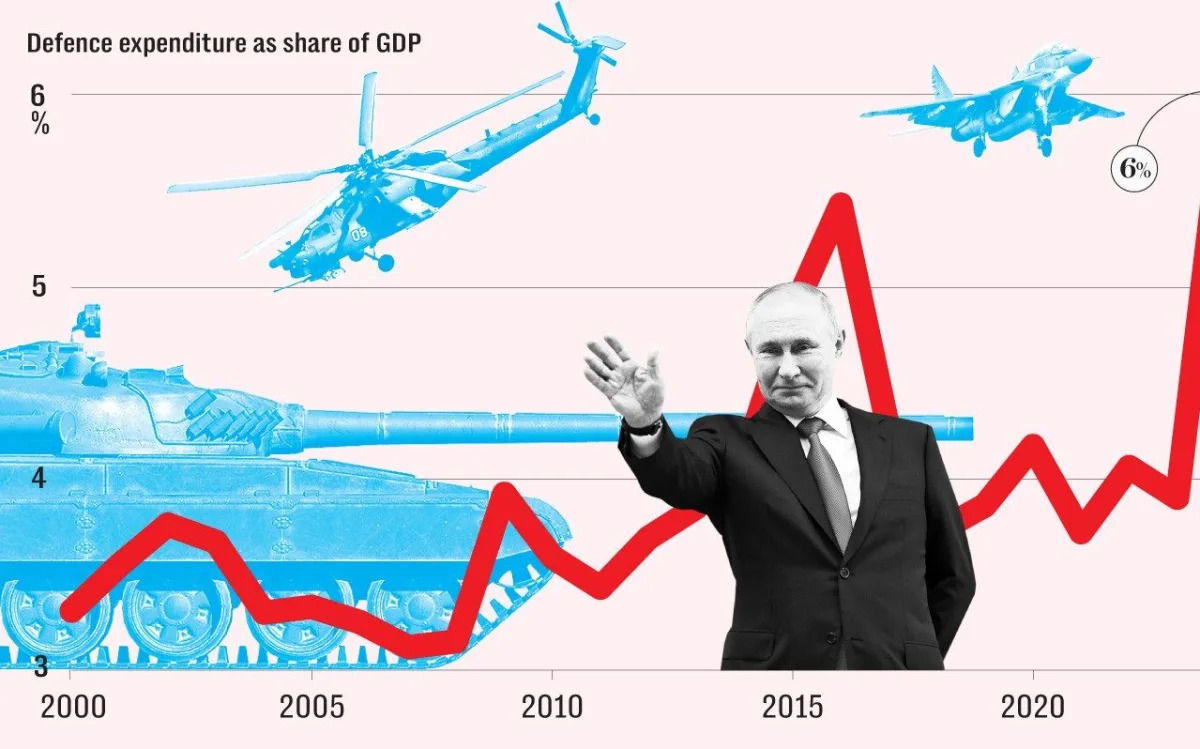
Russia's economy is under strain as President Vladimir Putin commits to unprecedented defense spending, allocating over 6% of GDP to the military, which is expected to impact public sectors like welfare and healthcare. Despite predictions of economic collapse, Russia has managed to outperform expectations due to higher oil prices and trade shifts to countries like China and India. However, the economy faces challenges such as high inflation, a demographic crisis, and a potential long-term stagnation due to a lack of investment and diversification, exacerbated by the ongoing conflict in Ukraine and Western sanctions.
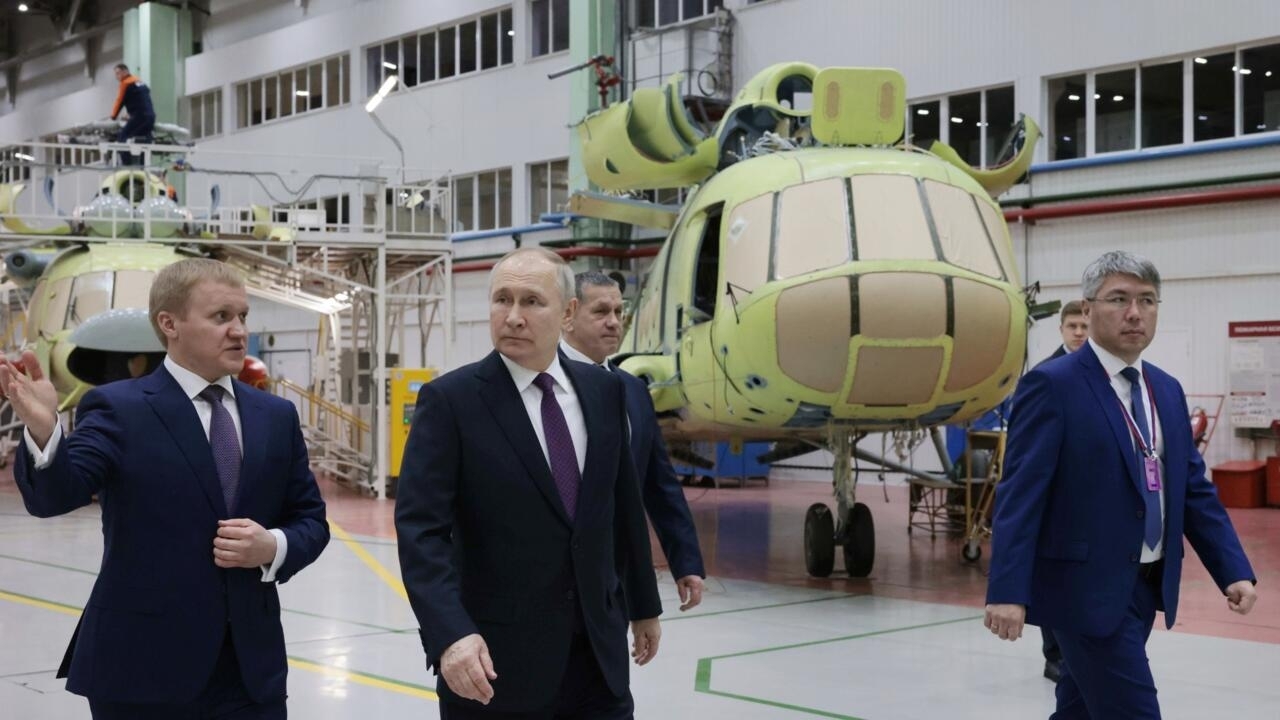
The Kremlin is increasing defense spending by 70% in 2024, signaling a long-term war in Ukraine. This boost in spending is benefiting depressed Russian regions and sectors related to the war effort, such as food, construction, and pharmaceutical manufacturers. The increase in troops also creates a demand for uniforms, prosthetics, and mortuary services. The depressed regions where defense industries are located are experiencing an economic boom. The government's financial compensation for men enlisting in the army is also contributing to the regions' prosperity. However, doubts remain about the sustainability of Russia's wartime economy, as there is an imbalance between supply and demand, and the country is facing a budget deficit after 2024. Meanwhile, large metropolitan cities like Moscow and St Petersburg have been relatively unaffected by the war and Western sanctions.
The European Union has announced a new initiative to speed up arms manufacturing over the next 12 months, with the aim of expanding existing production, modernising production, and creating new production lines and factories. The plan would allow EU businesses to benefit from up to €500m worth of subsidies from the bloc's shared budget, with all projects co-financed by member states. The initiative is the third and final pillar in a plan agreed among EU member states in March, each worth around €1bn, to further arm Ukraine.