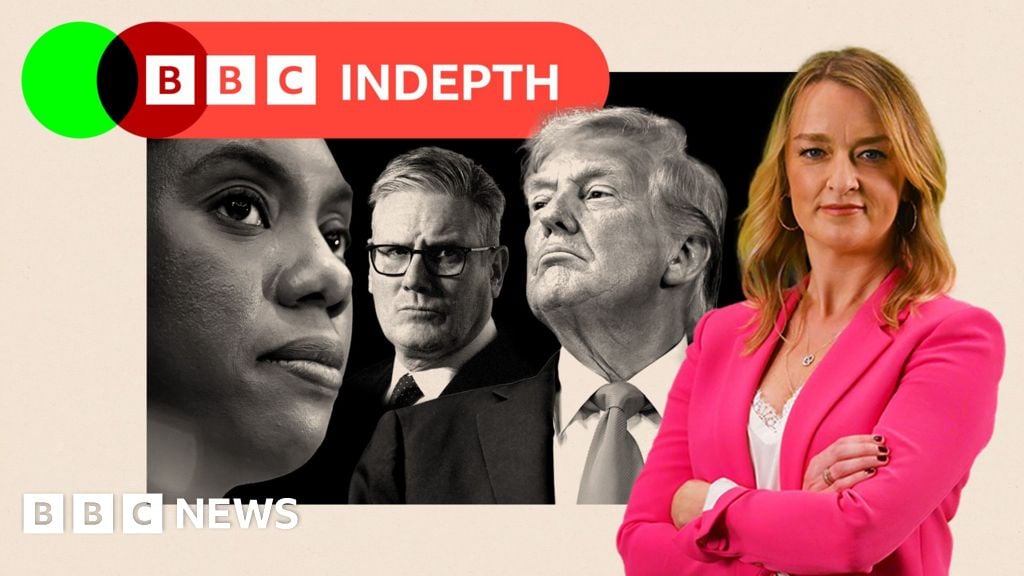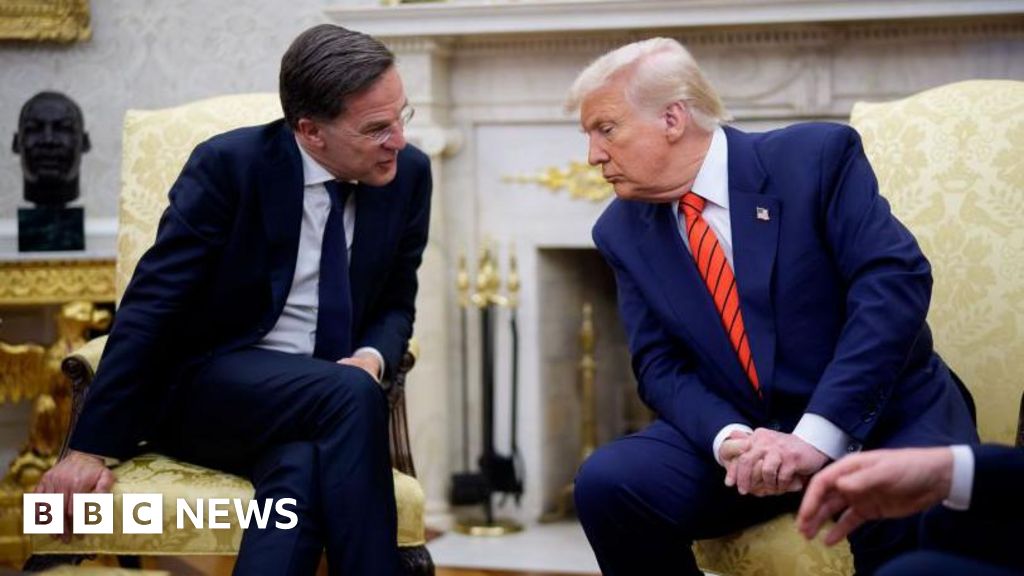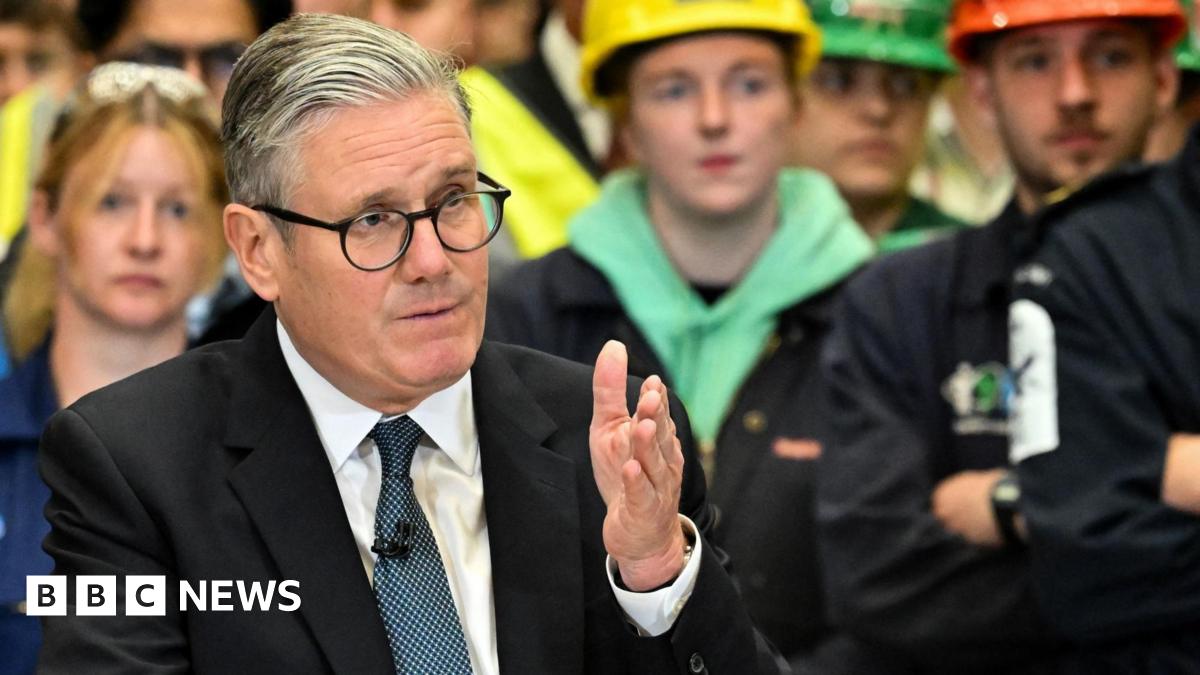
The article discusses Keir Starmer's close relationship with Donald Trump and its potential political repercussions, including criticisms from opponents and internal party concerns, amid rising global instability and debates over UK defence spending.
The UK government faces a potential £28bn shortfall in defence spending over the next four years to meet its 'war-ready' military goals, with delays in the MoD's investment plan and previous forecasts indicating significant budget overruns, amid ongoing debates over increased military funding and readiness.
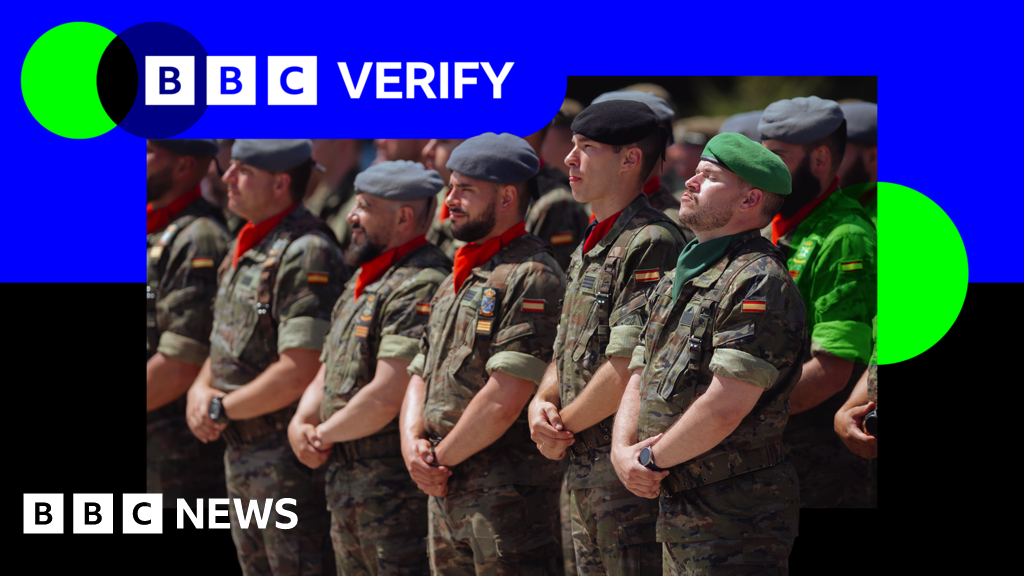
Nearly a third of NATO members have not met the current 2% GDP defence spending target, with some countries like Spain planning to increase their spending soon, while others argue for smarter procurement over higher budgets. The new target of 5% is controversial and not legally binding, but political pressure, especially from the US and Trump, is encouraging increased spending across the alliance.
NATO countries have agreed on a statement to aim for 5% of GDP to be spent on defence and security by 2035, overcoming Spain's initial objections, with the final approval pending leader endorsement at the upcoming Hague summit. The target involves increasing current spending from 2% to 3.5%, plus an additional 1.5% on related areas, with a review scheduled for 2029.
Nato's summit in The Hague is primarily focused on increasing defence spending among European allies to satisfy US President Donald Trump's demands, amid ongoing tensions over Russia and disagreements on issues like trade and Ukraine. The summit is shortened and simplified to avoid conflicts, with key discussions on military capabilities and spending targets, but divisions remain, especially regarding Russia and Ukraine.
UK Defence Secretary John Healey announced increased defence spending plans in the House of Commons amid broader economic pressures, with a goal to reach 3% of GDP by 2034, including a £15bn investment in nuclear deterrence and new submarines. Labour leader Keir Starmer outlined his defence goals, emphasizing readiness, Nato contribution, and innovation, while political reactions highlighted concerns over the pace and timeline of spending commitments amidst global threats and economic constraints.
UK Defence Secretary John Healey expects the country's defence spending to reach 3% of GDP by 2034, with the government planning a strategic review to outline future military priorities, including increased investment in digital and unmanned weaponry, amid discussions of NATO allies increasing their collective defence budgets.
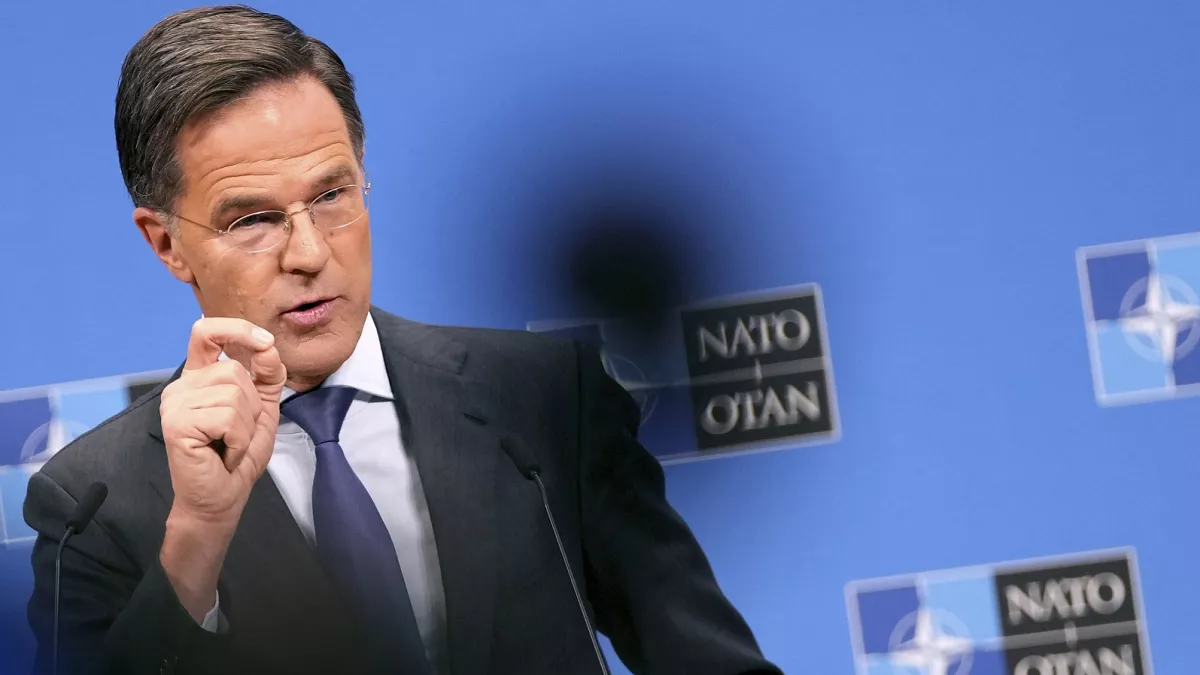
NATO's chief, Mark Rutte, has urged citizens of member states to accept sacrifices, such as cuts to pensions and social services, to increase defence spending beyond the current 2% of GDP benchmark. He emphasized the need for a 'wartime mindset' to ensure long-term security in Europe, warning that current spending levels may not suffice to deter future threats. Rutte called for public support to pressure politicians into prioritizing defence, arguing that investing in defence is crucial for maintaining peace and security.
UK Prime Minister Keir Starmer has launched a "Strategic Defence Review" to increase defence spending to 2.5% of GDP, following a NATO summit. The review, led by former defence secretary George Robertson, aims to address urgent threats and modernize the UK's defence strategy, including support for Ukraine and maintaining the nuclear deterrent. This move counters Conservative Party criticisms of Labour's defence commitment.
Chemring, a major UK weapons manufacturer, predicts a decade-long surge in arms restocking due to global conflicts in Gaza, Ukraine, and tensions with China. The company aims to quadruple its sales to nearly £1bn by 2030, despite recent profit drops. European nations are increasing defence budgets, with the UK planning to raise spending to 2.5% of GDP. UK defence exports rose 70% from 2021 to 2022, though some political groups call for halting arms sales to conflict zones like Israel.
China plans to increase its defense spending by 7.2% this year, allocating 1.67 trillion yuan, while dropping the reference to "peaceful reunification" with Taiwan in its official work report. The move comes amid heightened tensions over Taiwan and reflects China's firm stance against separatist activities and external interference. The National People's Congress is set to hear Premier Li Qiang's report at its annual meeting in Beijing.
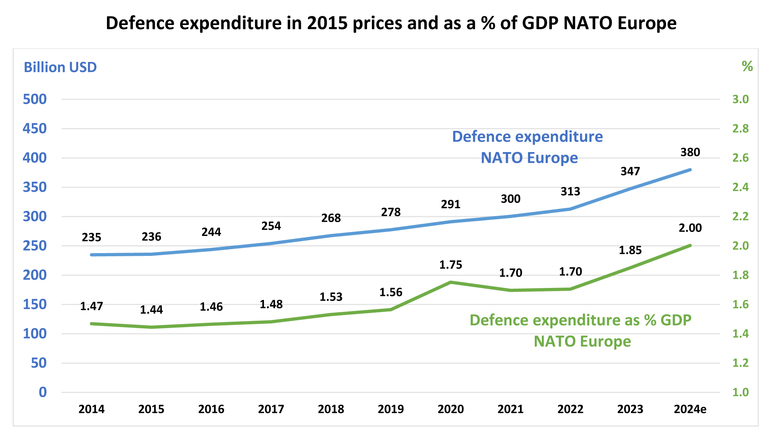
NATO Secretary General Jens Stoltenberg announced an unprecedented 11% increase in defence spending across European Allies and Canada in 2023, with an expected six-fold rise in Allies meeting the 2% GDP target in 2024. This amounts to a combined total of 380 billion US dollars, marking the first time it reaches 2% of their combined GDP. Stoltenberg emphasized the progress made while urging all Allies to meet the 2% investment minimum agreed upon at the Vilnius Summit.
NATO is expected to reach a record level of defense spending as the alliance prepares for the possibility of a second term for President Trump. The increase in spending reflects concerns about the US commitment to the alliance and the need for European members to take on a greater share of the defense burden.
The Kremlin is increasing defense spending by 70% in 2024, signaling a long-term war in Ukraine. This boost in spending is benefiting depressed Russian regions and sectors related to the war effort, such as food, construction, and pharmaceutical manufacturers. The increase in troops also creates a demand for uniforms, prosthetics, and mortuary services. The depressed regions where defense industries are located are experiencing an economic boom. The government's financial compensation for men enlisting in the army is also contributing to the regions' prosperity. However, doubts remain about the sustainability of Russia's wartime economy, as there is an imbalance between supply and demand, and the country is facing a budget deficit after 2024. Meanwhile, large metropolitan cities like Moscow and St Petersburg have been relatively unaffected by the war and Western sanctions.
Germany has released its first national security strategy, which highlights China as a growing threat to global security due to its aggressive claims of supremacy in Asia and use of economic might to achieve political goals. The strategy includes a commitment to raising defence spending and creating an agency to fight cyberattacks, as well as measures to reduce dependencies on other countries for commodities and incentivise companies to hold strategic reserves. However, the document does not prioritise which threats to fight or contain any major surprises, and omits some major issues such as Taiwan.