The article discusses the challenge of Chinese containerized missile systems hidden in commercial ships, and proposes a hybrid interdiction approach using contractor-operated platforms and pre-negotiated legal frameworks to enhance U.S. maritime security in the Indo-Pacific, emphasizing the need for legal and operational readiness before conflict erupts.

The U.S. Coast Guard has awarded contracts to build up to six Arctic Security Cutters, with some ships built in Finland and others in the U.S., to enhance America's Arctic sovereignty, secure shipping lanes, and counter adversaries in the region, marking a significant step in modernizing its icebreaking capabilities.
Poland is investing over €2bn in anti-drone fortifications along its eastern border to counter Russian aerial threats, following recent drone incursions, with plans to complete the system within two years, amid heightened tensions and increased defense spending.
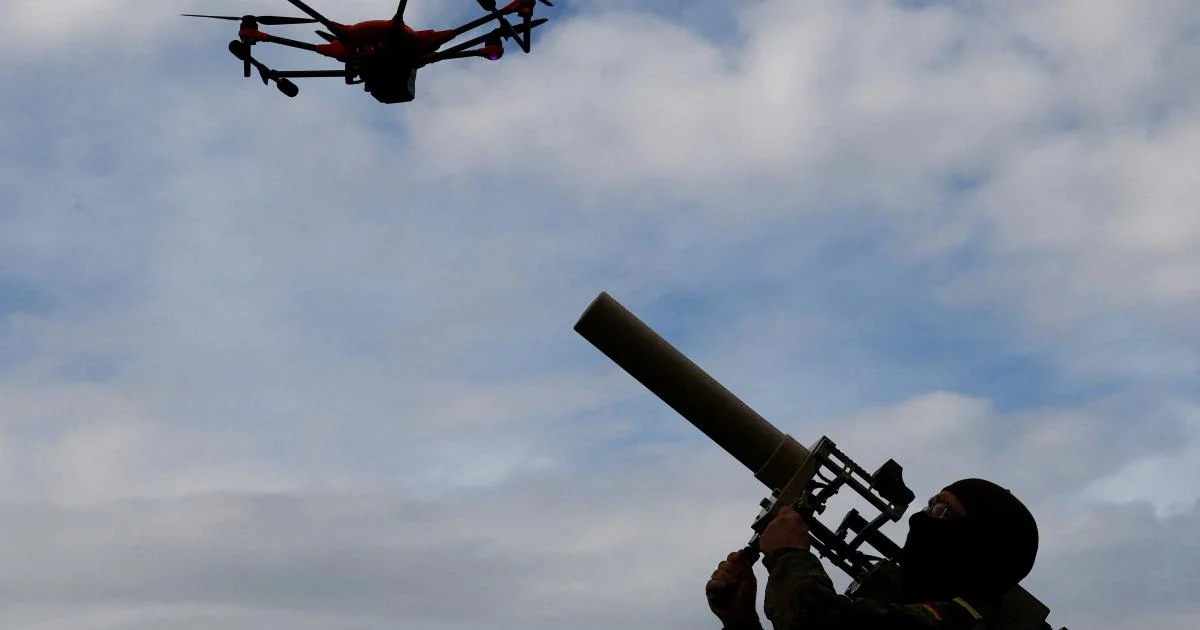
The article highlights the growing threat of drones to U.S. security, emphasizing recent drone attacks in Ukraine as a warning. It discusses current vulnerabilities in U.S. drone defense systems, the need for comprehensive detection and mitigation strategies, and the importance of international cooperation and legislative action to enhance national security against drone threats. Urgent steps are required to develop layered defenses, close regulatory gaps, and address supply chain risks, or the U.S. risks facing a preventable crisis.
The Pentagon's watchdog found that Defense Secretary Pete Hegseth's use of the Signal app to share sensitive military information about Yemen strikes posed security risks, violating Pentagon policy by using personal devices for official business, though he claimed the information was unclassified. The investigation was prompted by concerns over potential endangerment of US personnel and revealed that Hegseth shared detailed operational information in unsecured chats, raising questions about security protocols and accountability.
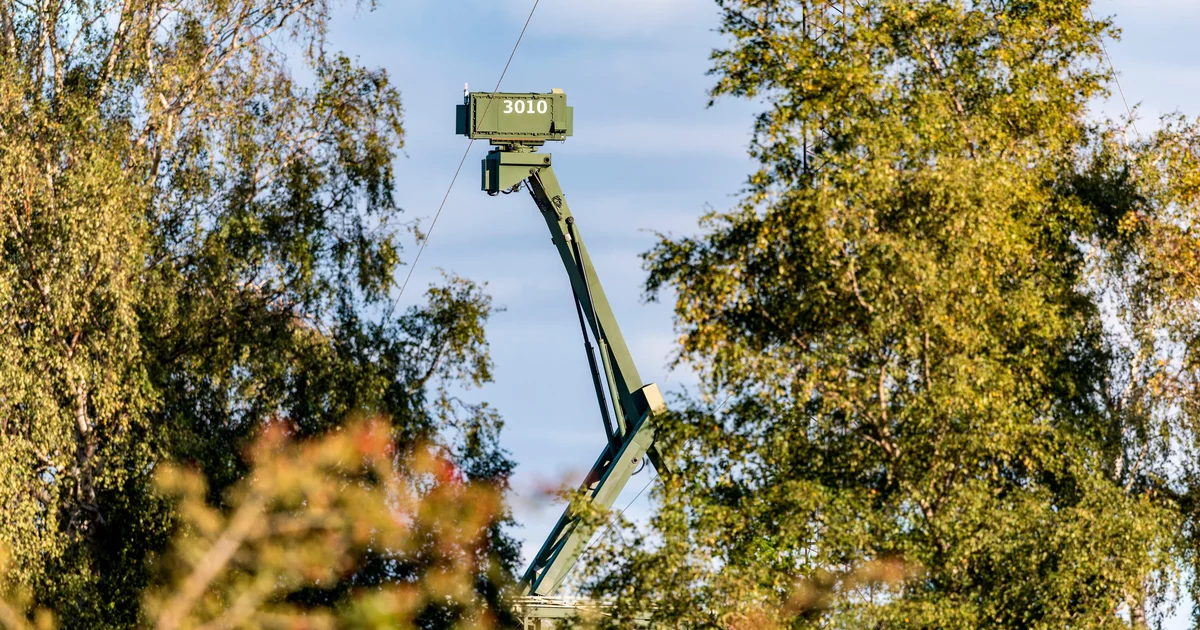
Europe is strengthening its eastern defenses with layered, networked barriers and advanced technology to deter Russian aggression, moving away from static fortifications like the Maginot Line towards dynamic, sensor-based systems that buy time and adapt to modern threats, despite political and resource challenges.
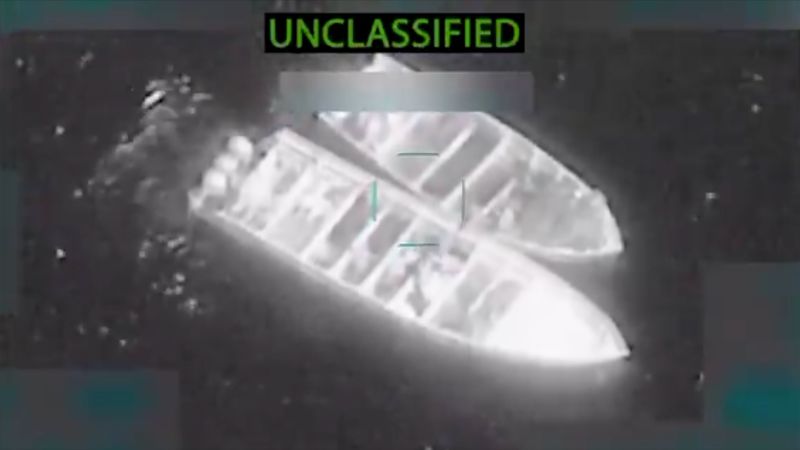
The Pentagon has shifted its focus to striking suspected drug traffickers in the eastern Pacific due to stronger evidence linking these routes to US cocaine markets, raising questions about the legality and effectiveness of the campaign, which lacks clear metrics and targets fentanyl, despite claims it primarily targets cocaine.
The Missile Defense Agency criticized the depiction of US missile defense as ineffective in the movie 'A House of Dynamite,' asserting that real-world testing shows a 100% accuracy rate, contrary to the film's portrayal of a 50% success chance, and emphasizing the importance of the system amid ongoing defense spending debates.
Germany is planning to authorize the military to shoot down drones domestically, amidst broader military and security developments including a halt on arms exports to Israel and ongoing tensions in European airspace.
The Danish defense ministry reported multiple drone sightings at key military facilities, including Skrydstrup Air Base and Jutland Dragoon Regiment, raising security concerns amid recent similar incidents across northern Europe, possibly linked to Russian activity. Denmark is seeking additional measures, including legislation and international cooperation, to counter drone threats, with neighboring countries like Germany also increasing drone defenses.
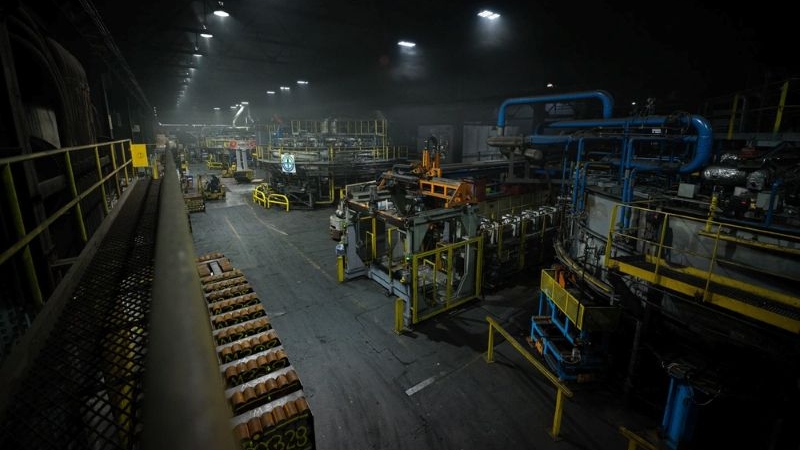
Germany has opened Europe's largest munitions factory in Lower Saxony, signaling a rapid increase in arms production to support Ukraine and NATO, with plans to produce 350,000 rounds annually from 2027 and expand manufacturing in Eastern Europe. Defense Minister Pistorius highlighted the factory's role in boosting Ukraine's resilience and discussed ongoing cooperation, potential inclusion of long-range missiles in security guarantees, and the possibility of reinstating military conscription if volunteer recruitment falls short. Germany aims to train nearly 110,000 reservists by 2029, reflecting a strategic shift in its defense posture.
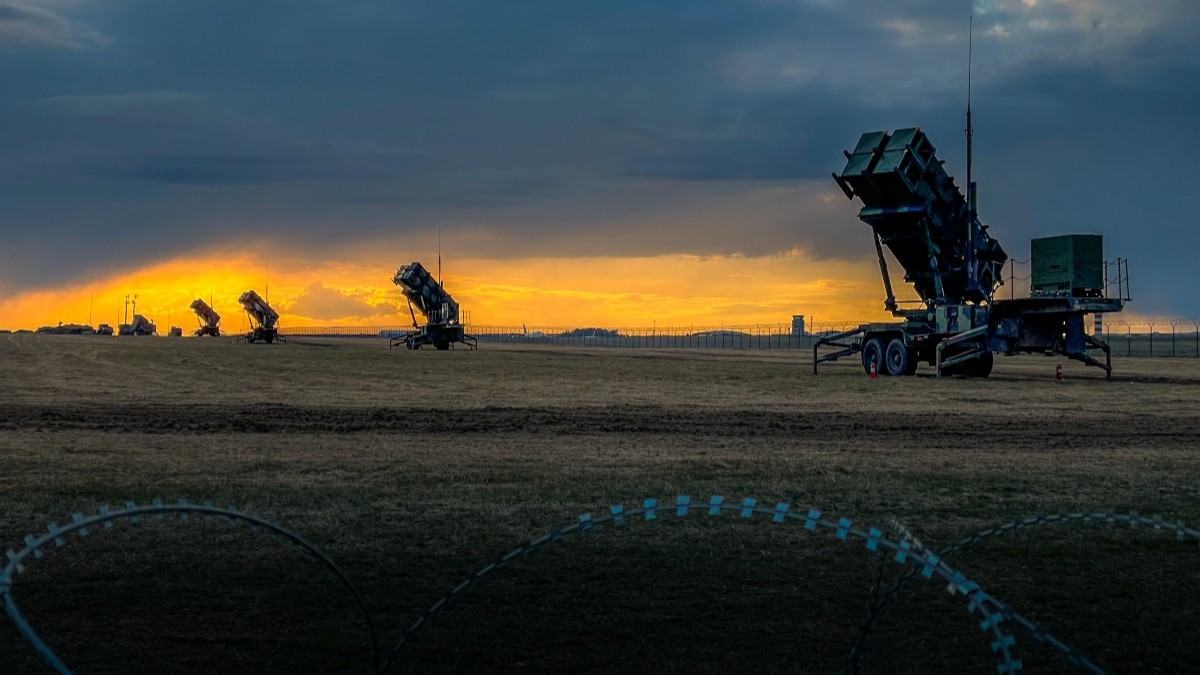
The US and its allies are inadequately prepared to defend against saturation missile attacks, with current missile defense systems like THAAD and Patriot facing limitations in intercepting large volumes of missiles, especially hypersonic ones, and the US industrial base struggling to produce enough interceptors to maintain effective defense.
The article emphasizes the importance of shared production, interoperability, and co-manufacturing of munitions among U.S. and allied forces to strengthen deterrence against China and Russia, highlighting existing weapon systems like the SM-6 and Tomahawk, and advocating for expanded allied industrial capacity and distributed manufacturing to ensure credible and resilient defense capabilities in the Indo-Pacific region.
Japan's 2025 defense white paper warns of escalating regional threats from China, Russia, and North Korea, highlighting China's military activities around Taiwan and joint Russian-Chinese military exercises as major concerns, while emphasizing the importance of U.S.-Japan alliance and ongoing military modernization efforts.
The U.S. military is recognizing its vulnerabilities to drone attacks as Israel and Ukraine demonstrate advanced drone tactics, prompting investments in new counter-drone technologies like directed energy systems and layered defenses, amid concerns that adversaries could infiltrate U.S. borders with drones, signaling a shift towards a 'guerrilla war of machines'.