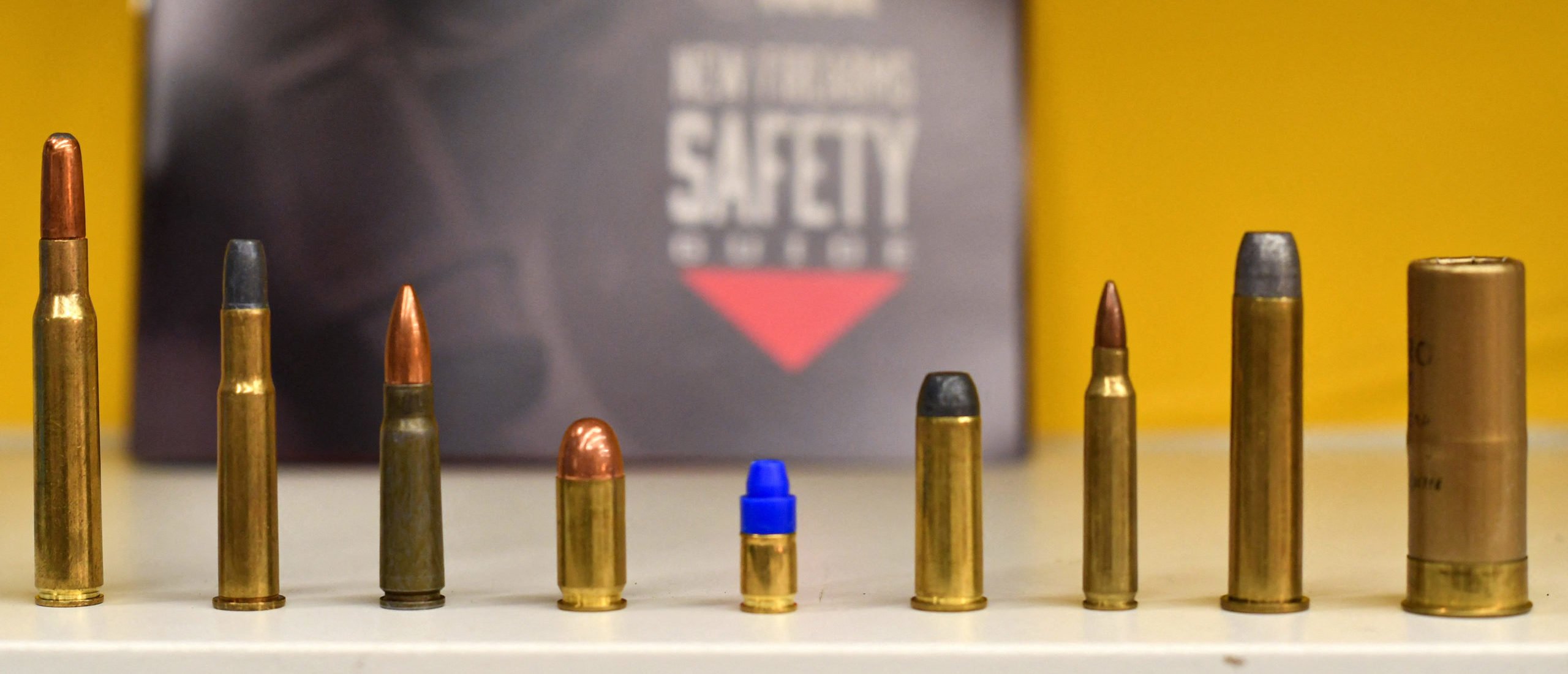
Irish scientists have developed a novel electrochemical technique that can recover fingerprints from fired brass ammunition casings even after exposure to extreme heat, potentially revolutionizing forensic investigations by enabling fingerprint retrieval from previously considered impossible samples.
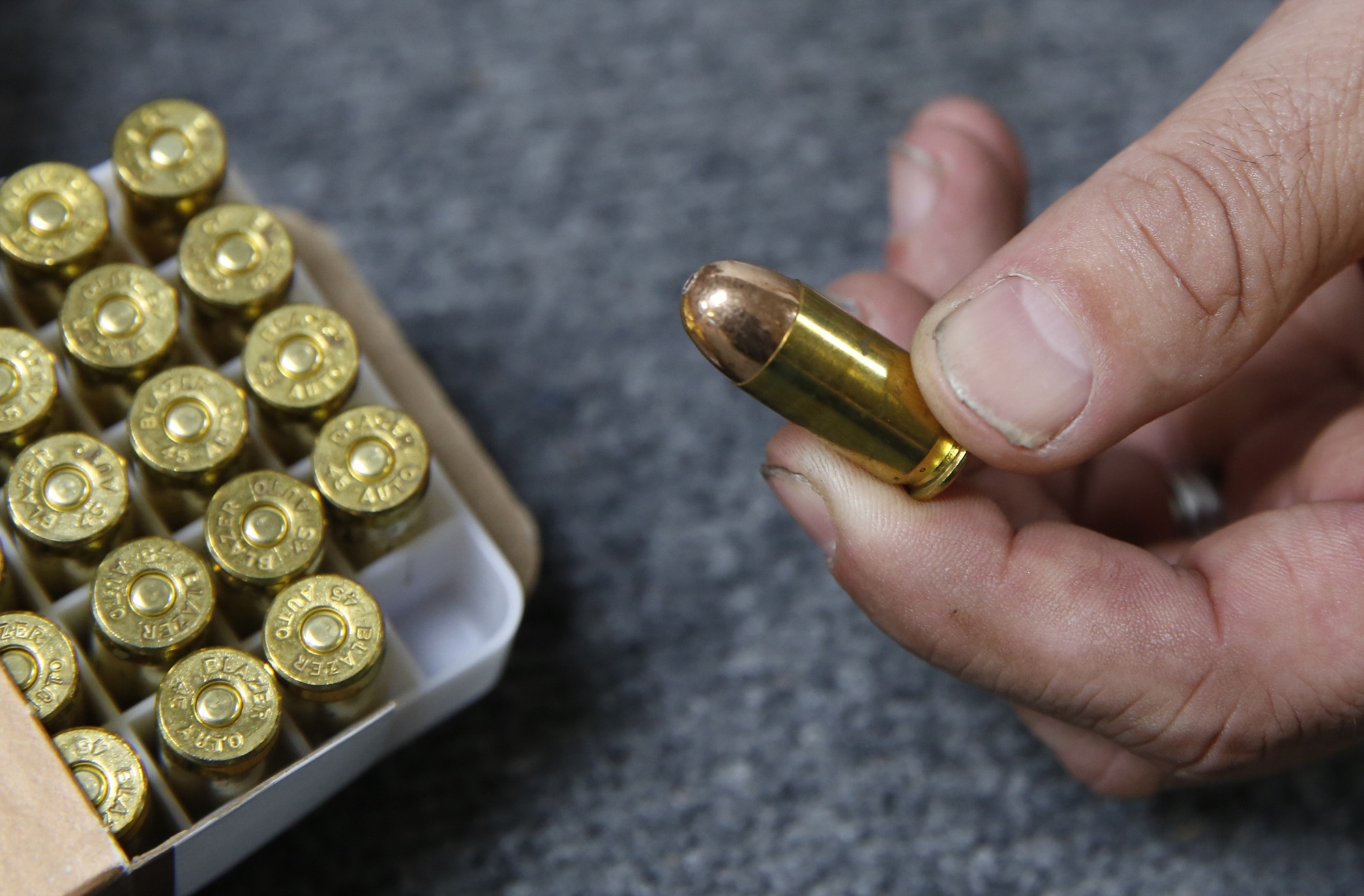
A California court has struck down a law requiring background checks for ammunition purchases, with opinions divided on its impact; supporters see it as a lifesaving measure, while opponents argue it infringes on Second Amendment rights and complicates lawful gun ownership.
A divided 9th Circuit Court of Appeals ruled that California's law requiring background checks for ammunition purchases is unconstitutional, citing it as an infringement on Second Amendment rights, with the majority emphasizing the law's lack of historical precedent and the dissent arguing it was not overly restrictive.
A House staffer, Michael Hopkins, was arrested for entering the Cannon House Office Building with ammunition, including high-capacity magazines. Hopkins, who works for Rep. Joe Morelle, claimed he forgot the ammunition was in his bag. The incident has led to charges of unlawful possession of ammunition. Morelle's office has pledged full cooperation with the investigation.
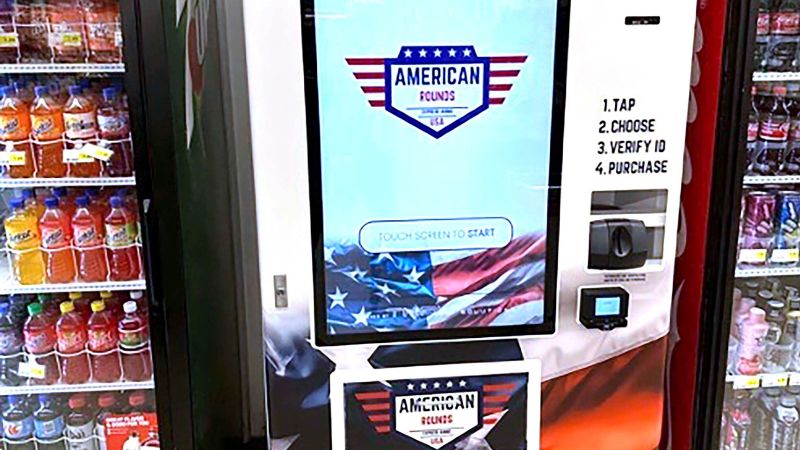
A Texas-based company, American Rounds, plans to install ammunition vending machines in Colorado grocery stores, using age verification and facial recognition technology to ensure secure transactions. While the company claims the technology is safer than traditional retail or online purchases, some advocates worry it could lead to more shootings in the U.S.
American Rounds has installed ammunition vending machines in grocery stores across Oklahoma, Texas, and Alabama, with plans to expand to more states. The machines require ID and facial recognition for purchases, aiming to enhance security and age verification. While some officials express concerns about safety, the Bureau of Alcohol, Tobacco, Firearms and Explosives has approved the machines, which comply with state and federal laws.
American Rounds has introduced vending machines selling ammunition in grocery stores across Alabama, Texas, and Oklahoma, using AI and facial recognition to verify customers' identities and ages. While the ATF and Oklahoma Attorney General have deemed the machines lawful, the move has sparked mixed reactions, with some officials concerned about the potential misuse of easily accessible ammunition. Despite relocating one machine due to low sales, the company plans to expand into more states, including California, Florida, and Hawaii.
Ryan Tyler Watson from Oklahoma was fined $2,000 and given a 13-week suspended sentence for possessing four rounds of ammunition while on vacation in Turks and Caicos. He is allowed to return to the US as long as he commits no crimes within nine months. This case is part of a broader issue involving several Americans charged with similar offenses in the British Overseas Territory, which has strict laws against bringing firearms or ammunition without prior permission.
An American, Ryan Watson, was given a suspended sentence of 13 weeks and a $2,000 fine in Turks and Caicos for possessing four rounds of ammunition in his carry-on bag. Watson, who had been out on bail, can now return to the U.S. The case, along with similar ones involving other Americans, has led to changes in the islands' firearms laws, allowing judges more discretion in sentencing.
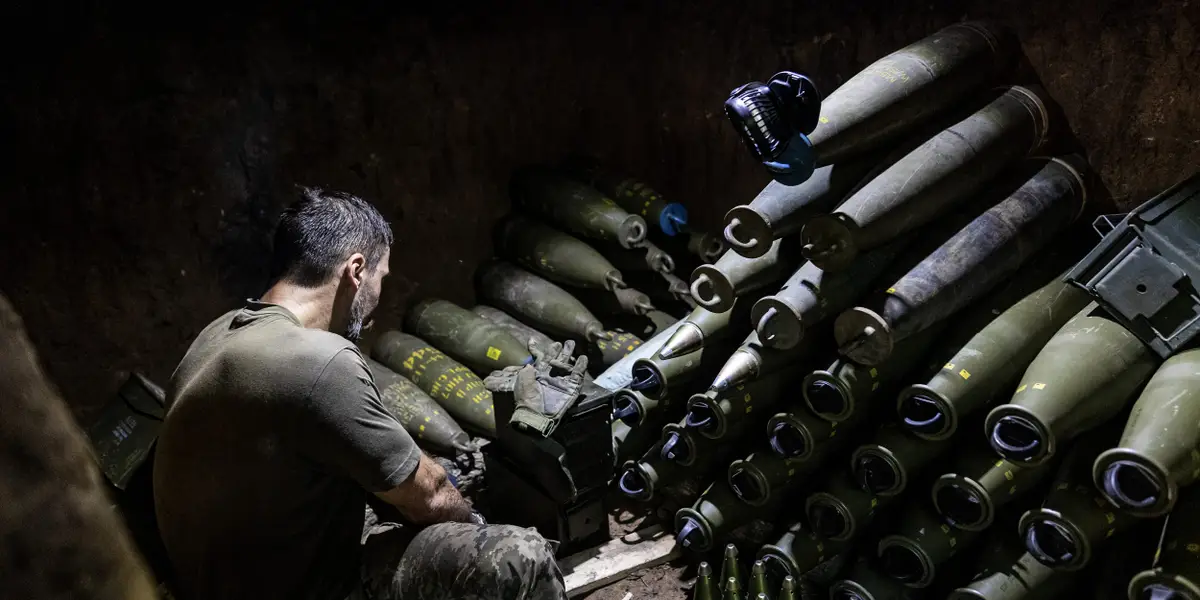
Central Europe's largest ammunition supplier, Czechoslovak Group (CSG), reports that 50% of the shells sourced for Ukraine are faulty due to quality and cost issues, causing delays in delivery. Despite these challenges, CSG remains on track to deliver ammunition by June. The $1.7 billion project, funded by 15 EU states and NATO, aims to deliver 800,000 artillery shells to Ukraine, with half a million rounds expected by year-end. The shortage of ammunition has significantly impacted Ukraine's military capabilities in the ongoing conflict with Russia.
The Pentagon has opened a new ammunition factory in Mesquite, Texas, to produce 30,000 artillery shells per month, significantly boosting U.S. output to support Ukraine's war effort. This facility, the first major arms plant built since Russia's invasion of Ukraine, aims to help meet the Pentagon's target of 100,000 shells per month by the end of 2025.
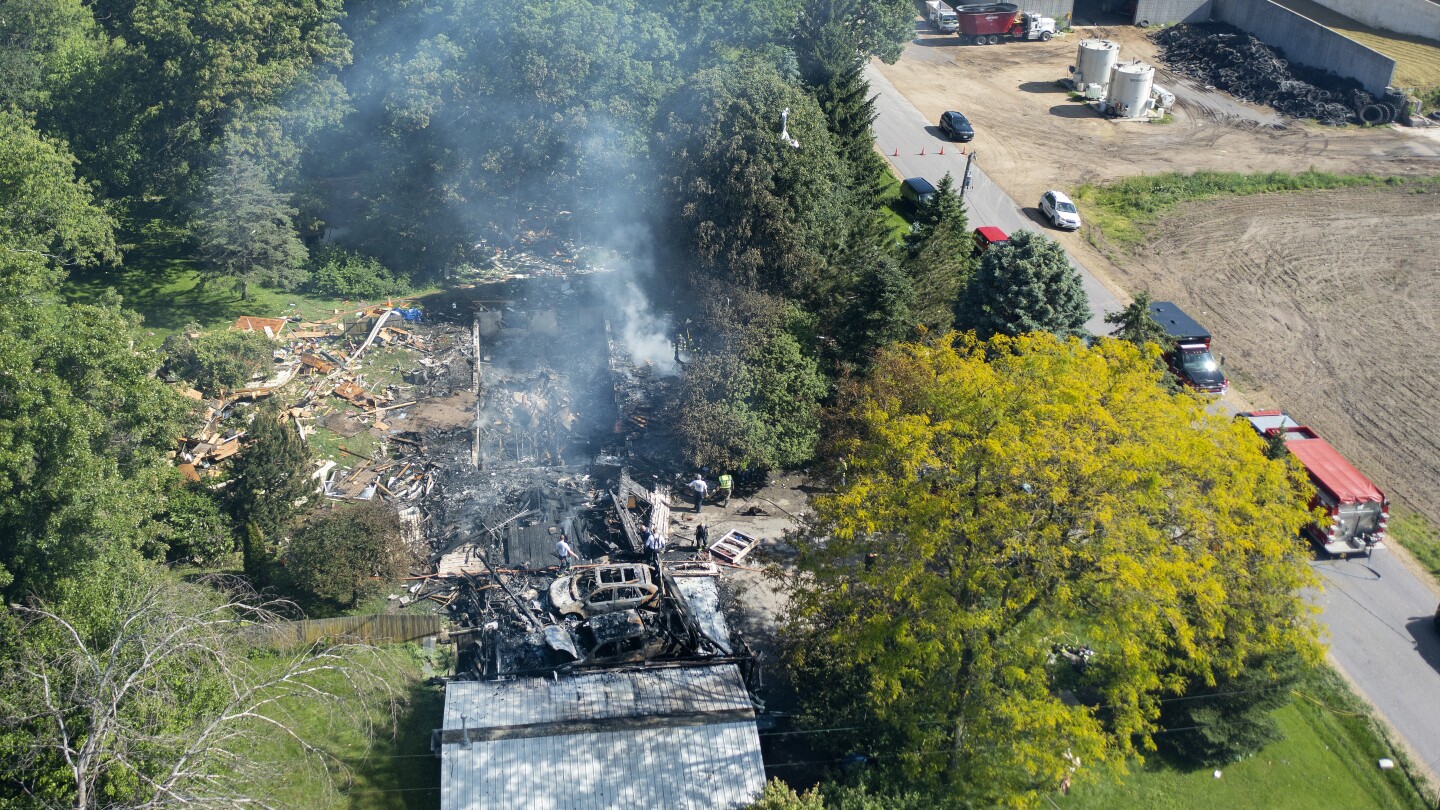
A house explosion in Middleton, Wisconsin, killed two people and caused a fire that likely ignited stored ammunition, leading to reported gunfire sounds. The cause of the explosion is under investigation, and the names of the deceased will be released after autopsies. A dog survived the incident and is in good condition.
Czech Prime Minister Petr Fiala announced that the first shipment of artillery shells for Ukraine, part of a Prague-led initiative, will be delivered in June. This comes as Ukraine's allies, including Belgium and Portugal, continue to pledge military support. Meanwhile, Russian President Vladimir Putin warned Western countries against allowing Ukraine to strike within Russian territory, highlighting potential serious consequences. The US maintains its stance against using American-supplied weapons for attacks inside Russia.
American Tyler Wenrich was sentenced to three weeks in jail and fined $9,000 for possession of ammunition in Turks and Caicos. Having already served three weeks, his prison sentence is complete. Wenrich faced up to 12 years but received a reduced sentence due to exceptional circumstances. Other Americans have also been charged with similar offenses in the region.
Tyler Wenrich, a Virginia man, was sentenced to time served and fined $9,000 for bringing ammunition to Turks and Caicos, avoiding a potential 12-year sentence. He had been detained since April after two 9 mm rounds were found in his possession. The judge cited exceptional circumstances for the lenient sentence. Wenrich, who has been separated from his family, plans to return home once the fine is paid.