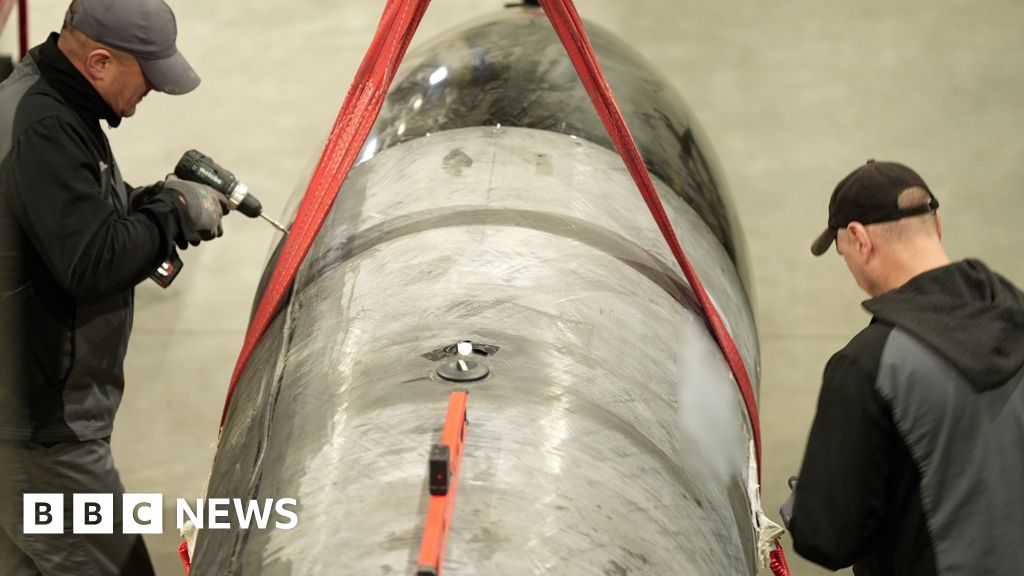
Ukraine is secretly ramping up its domestic arms industry, producing advanced long-range cruise missiles like the Flamingo to enhance its military capabilities and reduce reliance on foreign support, despite ongoing conflict and targeted attacks on its factories.
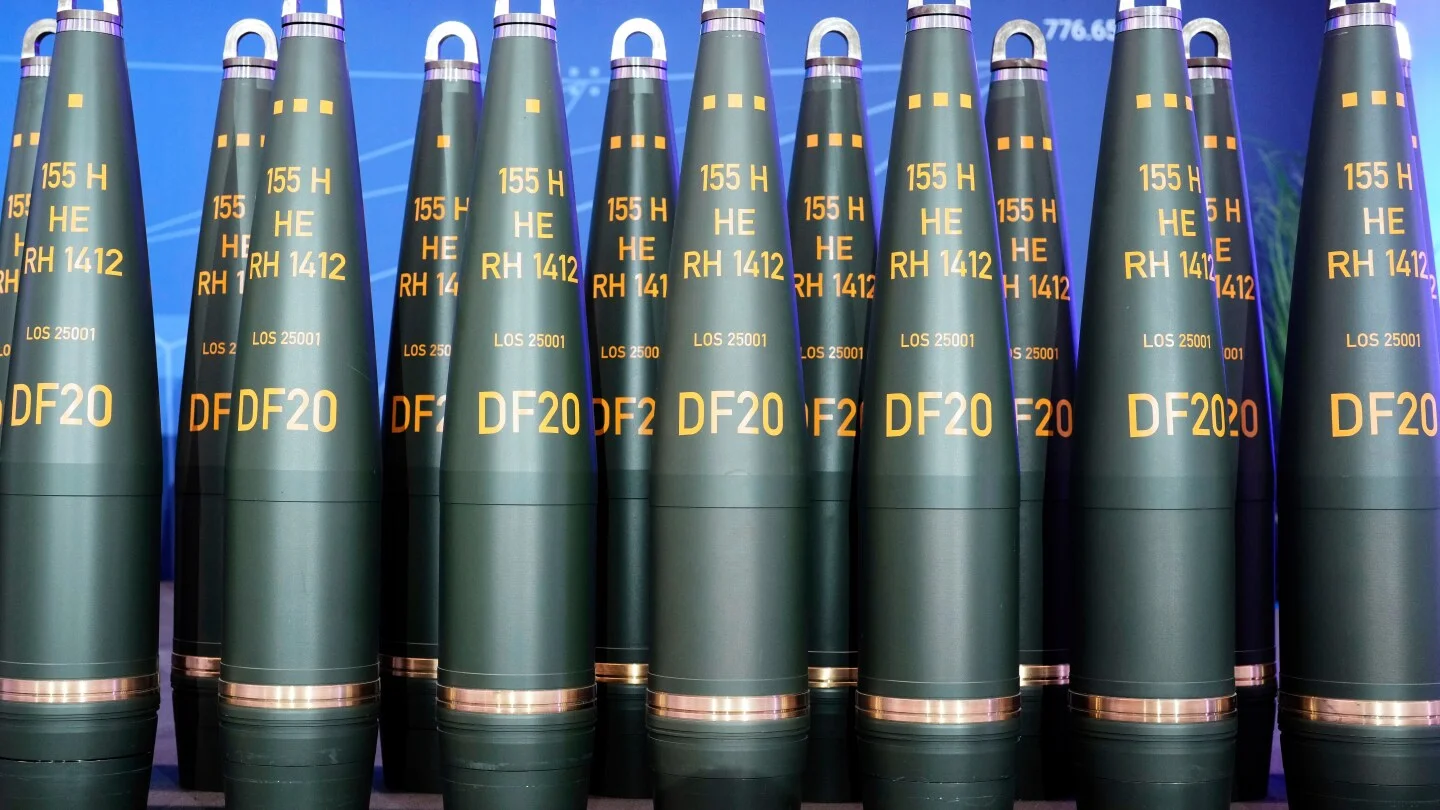
The world's largest arms producers saw a 5.9% revenue increase in 2024, reaching a record $679 billion, driven by heightened demand from conflicts in Ukraine and Gaza, with notable growth in Europe, the US, and Russia, while Asia and Oceania experienced a slight decline due to issues in China's arms sector.
The world's largest arms producers saw a record revenue increase last year, driven by US, European, and Russian companies, despite ongoing delays and challenges in supply chains and procurement, with notable growth in European and Russian markets and a slight decline in Asia and Oceania.
German Defence Minister has urged arms manufacturers to fulfill their delivery commitments, emphasizing the importance of timely arms supplies for national security.
A report reveals that from 2020 to 2024, the Pentagon allocated $2.4 trillion to private military contractors, with top firms like Lockheed Martin and Raytheon receiving the majority, as US military spending continues to grow under recent administrations, benefiting the arms and military tech sectors while reducing aid and diplomacy funding.
Chemring, a major UK weapons manufacturer, predicts a decade-long surge in arms restocking due to global conflicts in Gaza, Ukraine, and tensions with China. The company aims to quadruple its sales to nearly £1bn by 2030, despite recent profit drops. European nations are increasing defence budgets, with the UK planning to raise spending to 2.5% of GDP. UK defence exports rose 70% from 2021 to 2022, though some political groups call for halting arms sales to conflict zones like Israel.
The European Commission is set to propose measures to bolster the EU's arms industry and shift it to "war economy mode" in response to Russia's invasion of Ukraine, including encouraging joint procurement of weapons, increasing production capacity, and creating a European version of the U.S. Foreign Military Sales scheme. The proposals aim to make the European defense industry more resilient and less reliant on purely national efforts, but will require approval from EU member states and the European Parliament. The package is expected to include around 1.5 billion euros in new funding through 2027, with potential for greater coordinated spending in the future.
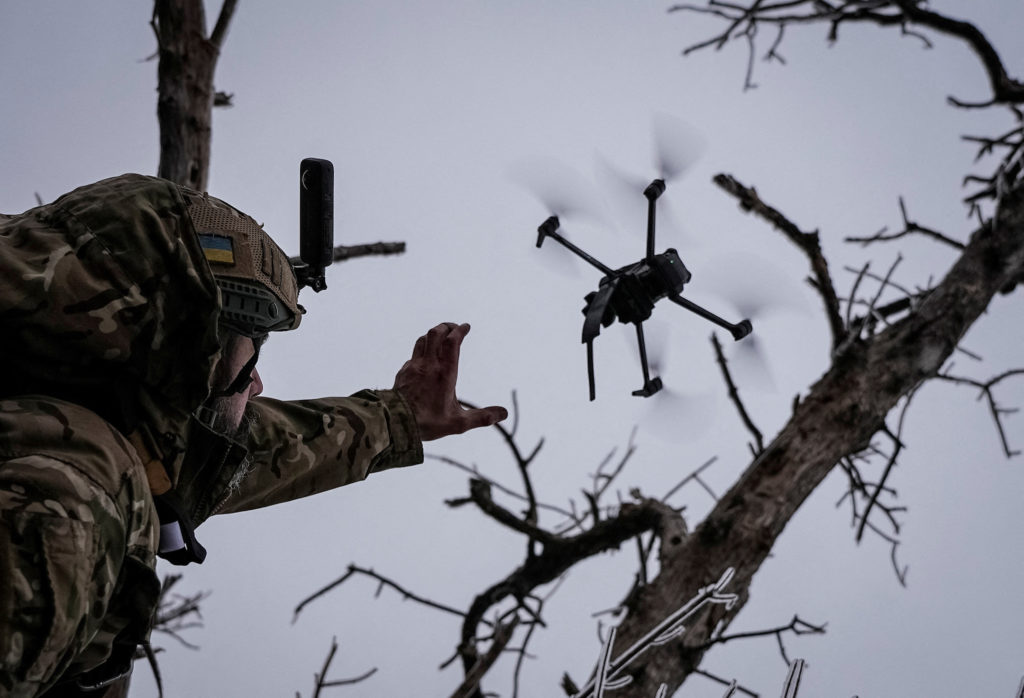
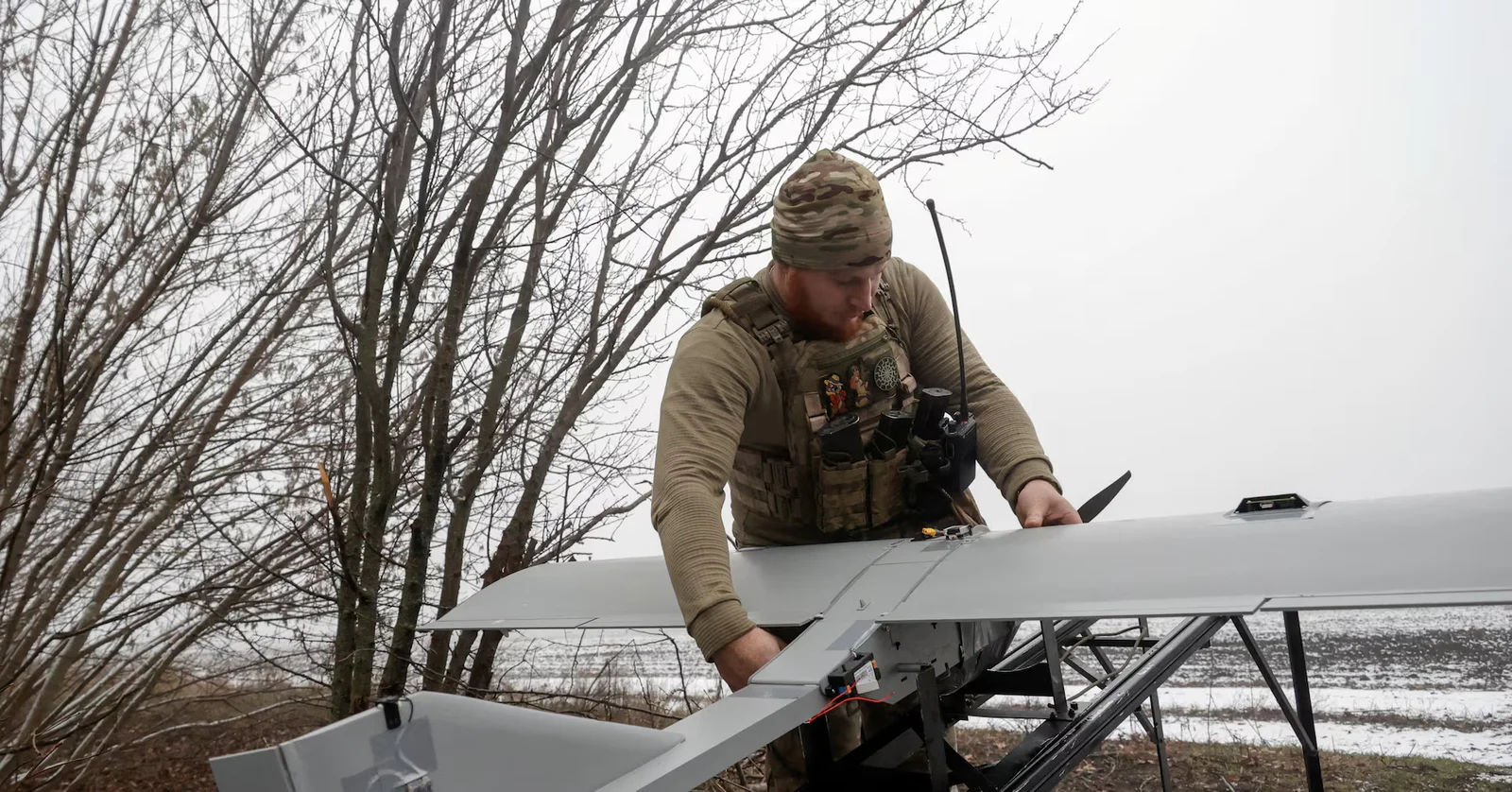
The domestic arms industry in Ukraine is producing an army of drones that have transformed the war with Russia. Ukrainian soldiers rely on homemade drones to gather real-time intelligence and target Russian positions, but they face constant electronic warfare from the Russian side. Drones have become a crucial tool in both offensive and defensive operations, with cheap drones destroying expensive equipment on both sides. Ukraine's domestic drone industry has grown significantly, but it still has a long way to go to meet its needs, especially as U.S. financing remains uncertain. The outcome of the war increasingly depends on the development and effective use of drones.
Russian arms-producing companies, Rostec and the United Shipbuilding Corporation (USC), experienced a 12% drop in revenue in 2022, worse than any other major nation, according to the Stockholm International Peace Research Institute (SIPRI). The decline is attributed to the pressures of the war on Ukraine, international sanctions, and economic strains. Russian arms exports have significantly decreased, falling from $15.8 billion in 2021 to $8 billion between January and November 2022. The collapse in exports, combined with the poor performance of Russian-made weapons, poses long-term challenges for the industry. Western sanctions and inflation also contribute to the contracting arms export revenue figures. However, the industry is not in immediate crisis, and the government is likely to step in if necessary.
Despite facing a Russian onslaught, Ukraine's arms industry has managed to survive and even hit back, with the country's military now producing its own weapons and exporting them to other countries. The industry has undergone significant modernization and expansion, with new factories and research centers being built. The conflict with Russia has also spurred innovation, with Ukrainian engineers developing new technologies such as unmanned aerial vehicles and anti-tank missiles.
Haas Automation, a high tech American manufacturer, may be violating American sanctions by supplying precision machining tools to several sanctioned enterprises in the Russian arms industry, according to documents filed with the U.S. Treasury and the Department of Commerce. The Economic Security Council of Ukraine alleges that Haas is doing business with the Russian arms industry through Abamet Management LTD., a company in Russia that is its official distributor in Russia and Belarus. Haas vice president Peter Zierhut denied the allegations, but customs records reviewed by "NewsHour" show that shipments continued for months after Russia's invasion of Ukraine began.