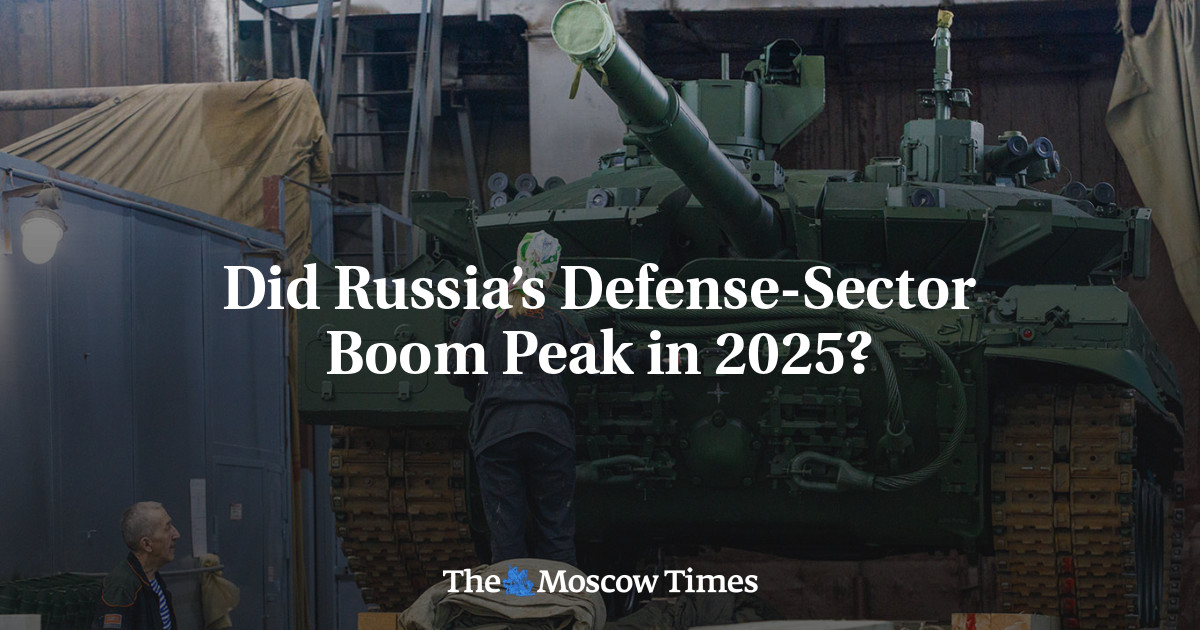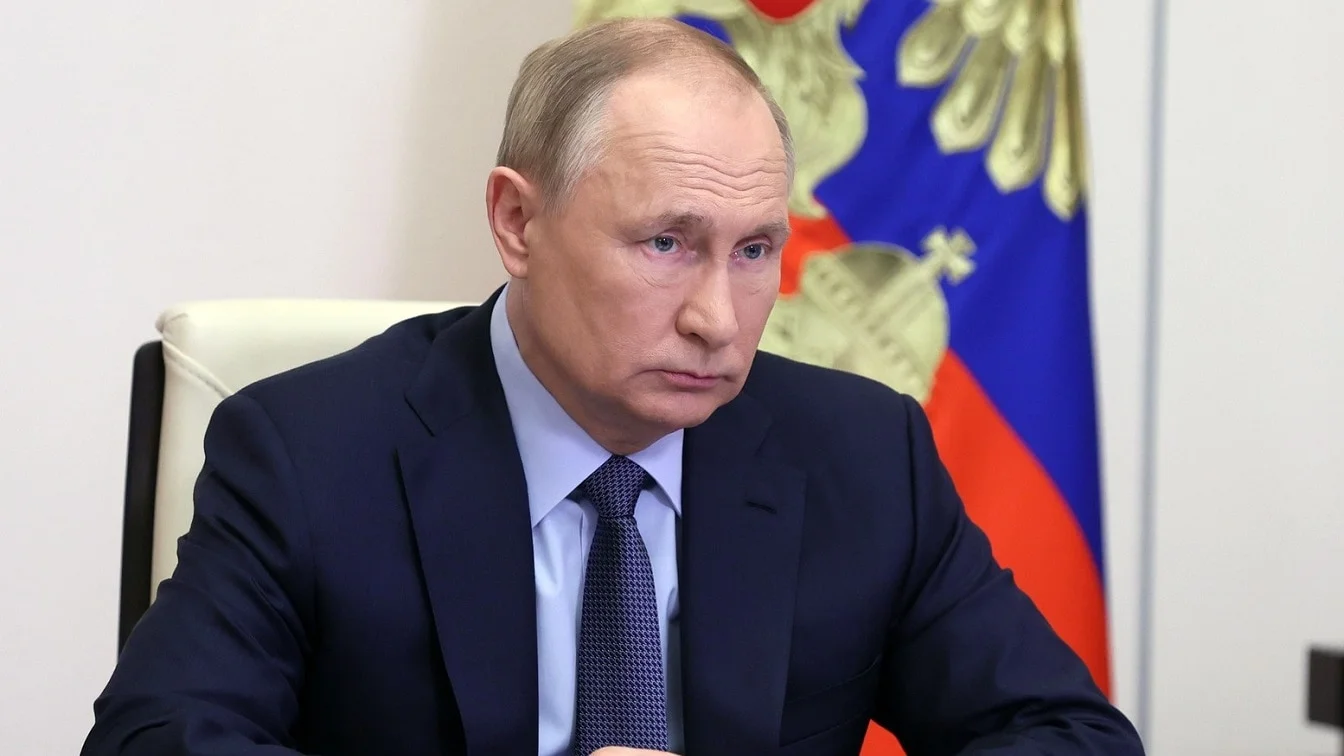
Russia's defense sector has seen a significant boost with increased military spending and employment, but signs of slowdown are emerging in 2025 due to sanctions, financial strains, and structural issues, raising questions about the sustainability of its military output.
The UK government, amid rising tensions with Russia and high youth unemployment, is urging Gen Z graduates to consider careers in the military and defense industry, investing £50 million in specialized tech colleges and promoting a shift away from traditional corporate jobs to bolster national security and address a skills gap.
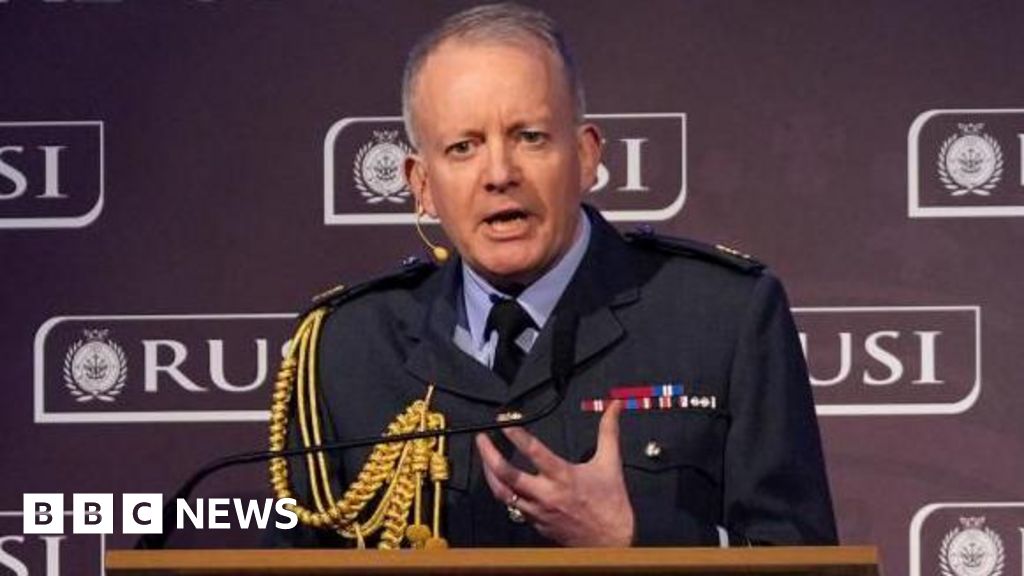
UK military chief Sir Richard Knighton emphasizes the need for increased national defense readiness, including more personnel and industry capacity, to deter Russian threats and hybrid attacks, while calling for a societal response involving schools, families, and industries. The UK aims to bolster resilience and rearmament with significant investment and a focus on industrial and technological development.
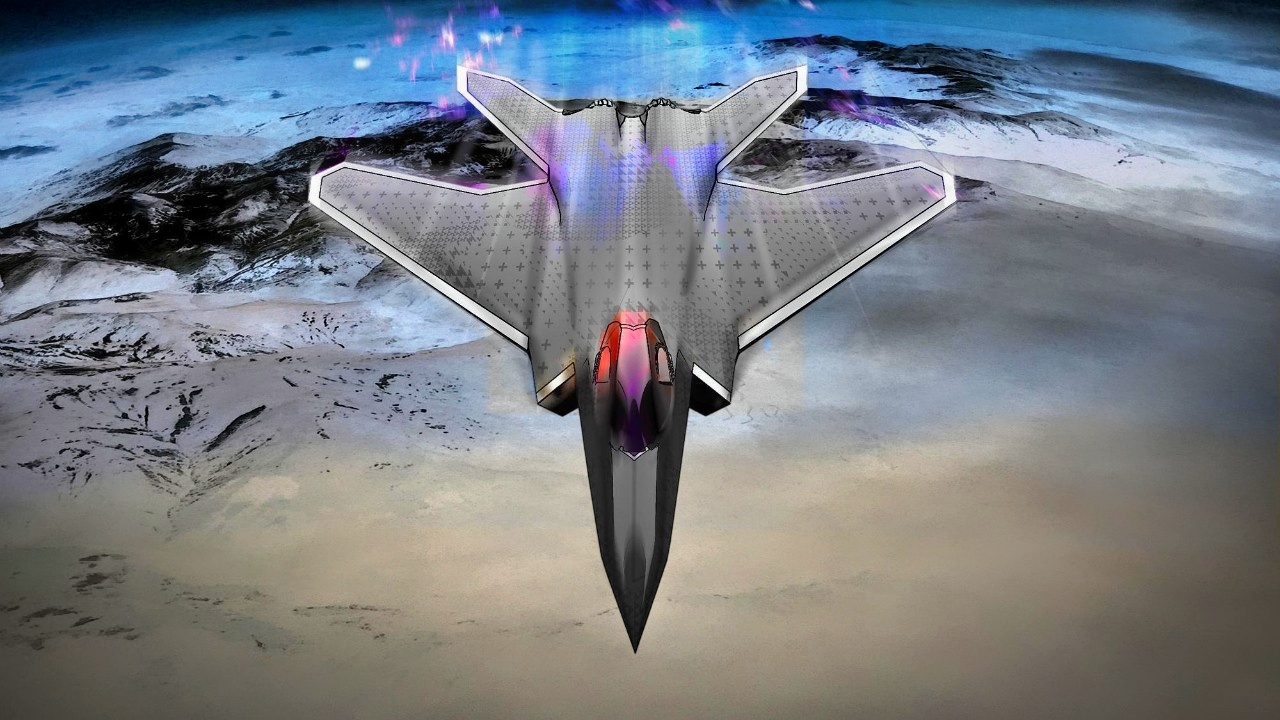
European countries are reconsidering their F-35 fighter jet purchases due to issues like high costs, operational limitations, and concerns over U.S. control of software and mission data, with some nations like Spain and Portugal exploring European-built alternatives to ensure strategic autonomy and sovereignty.
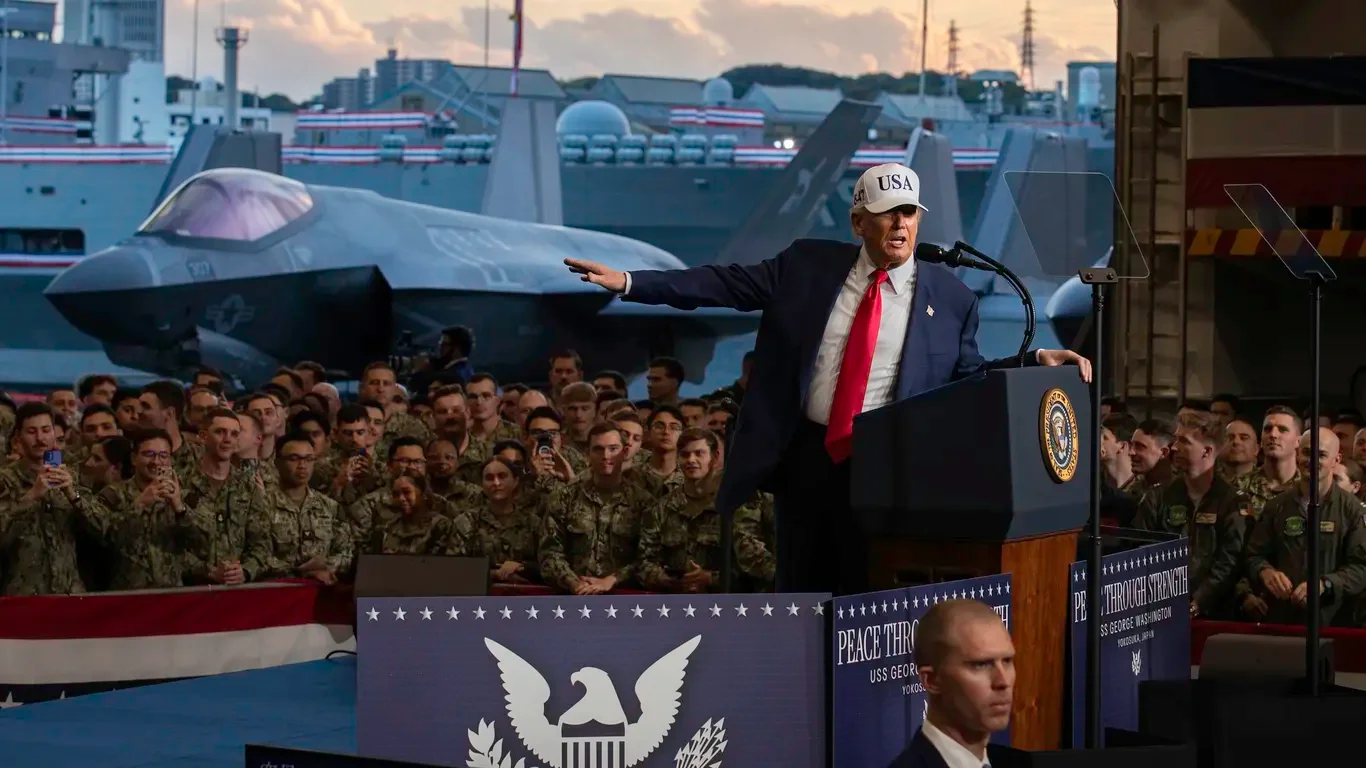
Defense Secretary Pete Hegseth urged the defense industry to become more agile and risk-tolerant, emphasizing significant reforms in acquisition processes to enhance speed, commercial technology use, and competition, with support from Congress and industry leaders for a more efficient military procurement system.
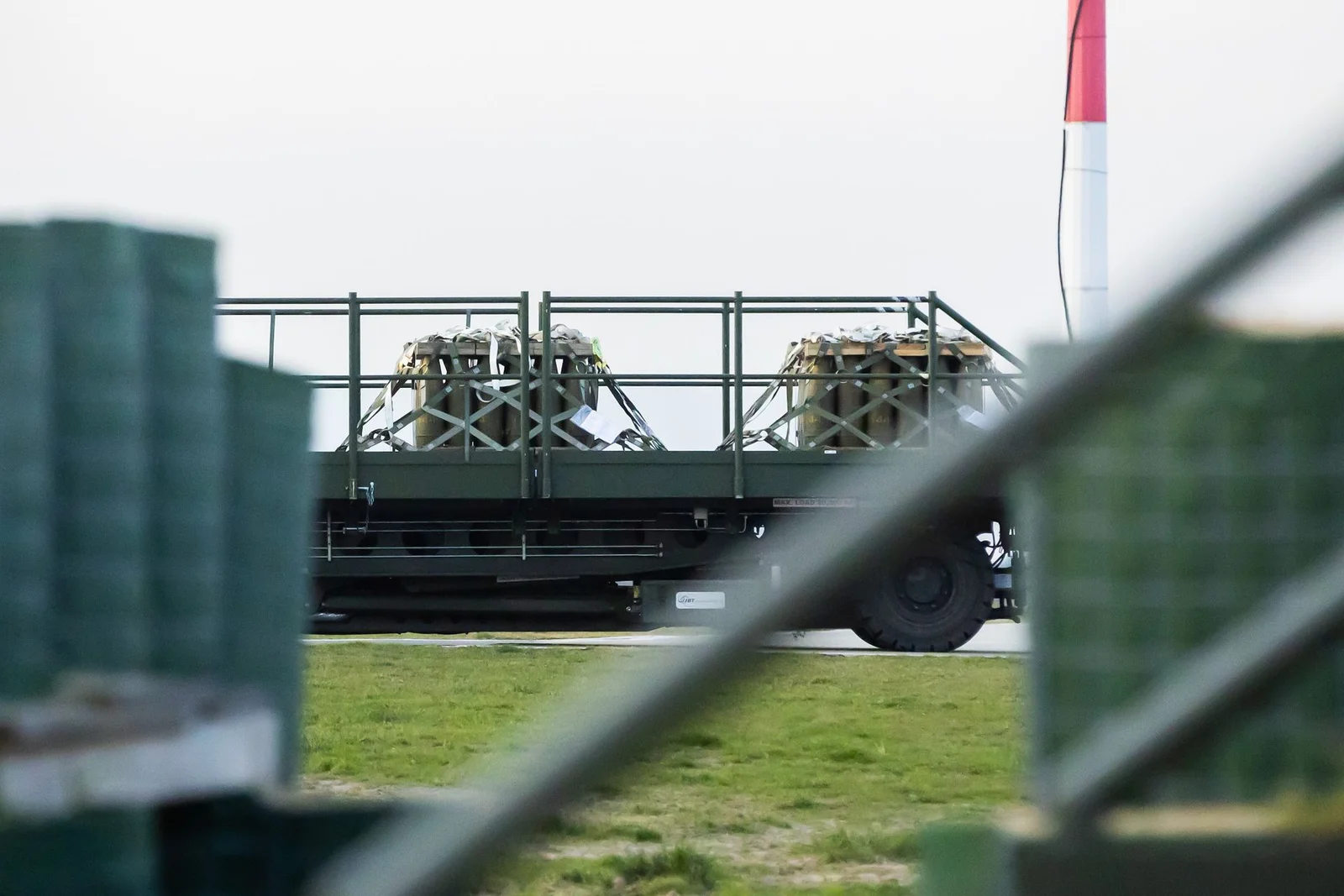
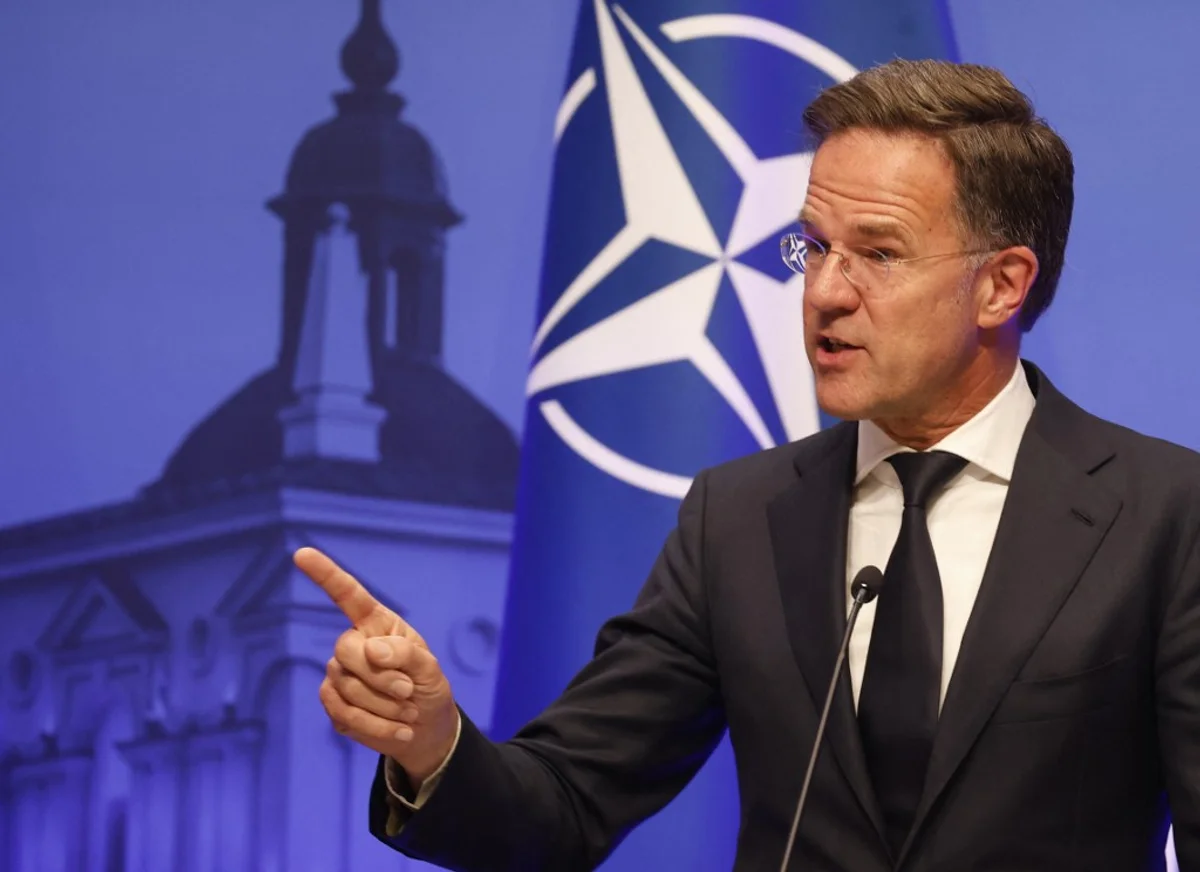
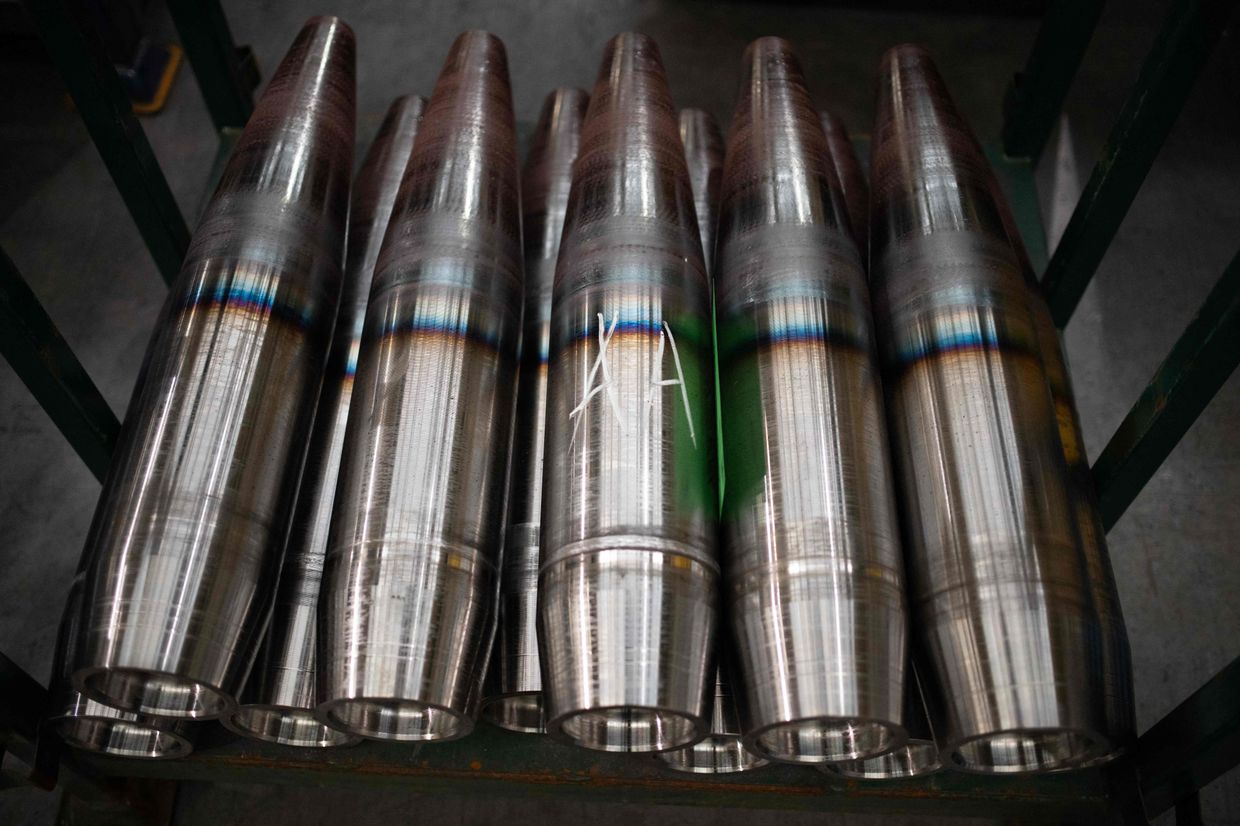
NATO has surpassed Russia in ammunition production due to expanded defense manufacturing across the alliance, with NATO Secretary General Mark Rutte emphasizing the importance of a strong defense industry to counter ongoing threats from Russia and its allies.
NATO has surpassed Russia in ammunition production, signaling a strategic shift as NATO accelerates manufacturing and cooperation to strengthen its defense capabilities amid ongoing tensions with Russia and other authoritarian states, with a focus on long-term investment and innovation.
President Trump's family is linked to a Florida drone company, Unusual Machines, which received its largest Pentagon contract, raising concerns about conflicts of interest, especially given Trump Jr.'s involvement and financial stake in the company, amidst broader allegations of family enrichment during Trump's presidency.
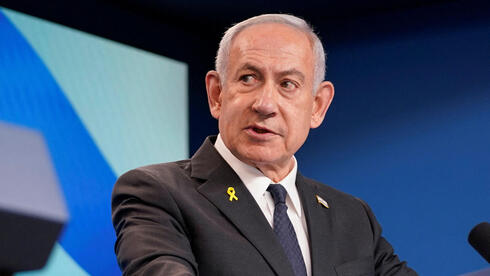
Israeli Prime Minister Netanyahu warned that due to increasing international sanctions, digital disinformation, and foreign influence, Israel may need to adopt a more autarkic economy similar to 'super-Sparta,' focusing on developing indigenous defense industries amid growing global isolation.
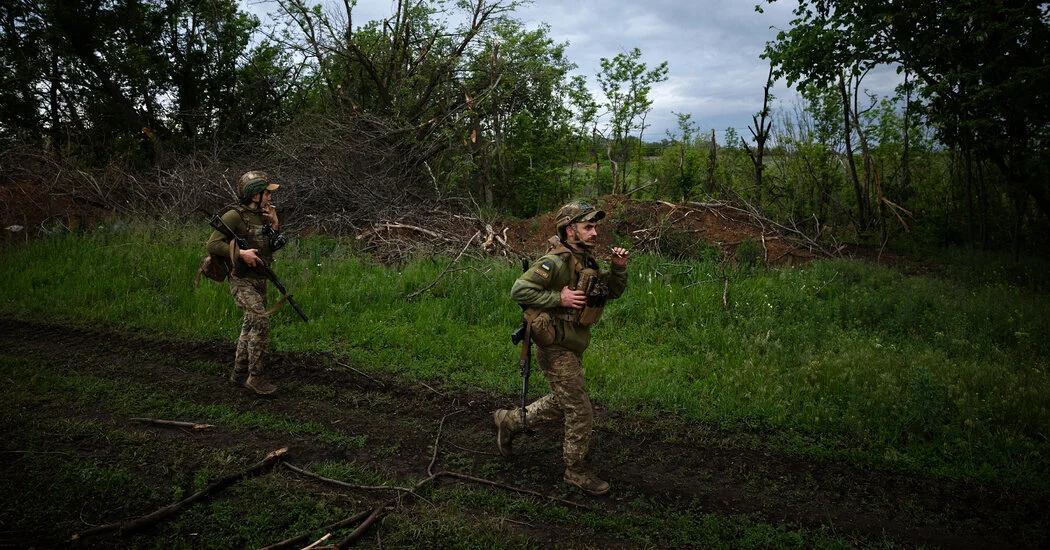
Ukrainian President Zelensky announced that nearly 60% of weapons used on the front line are domestically produced, highlighting Ukraine's significant expansion of its defense industry, including new missile and drone production initiatives, as part of its efforts to reduce reliance on foreign arms and strengthen its military capabilities.
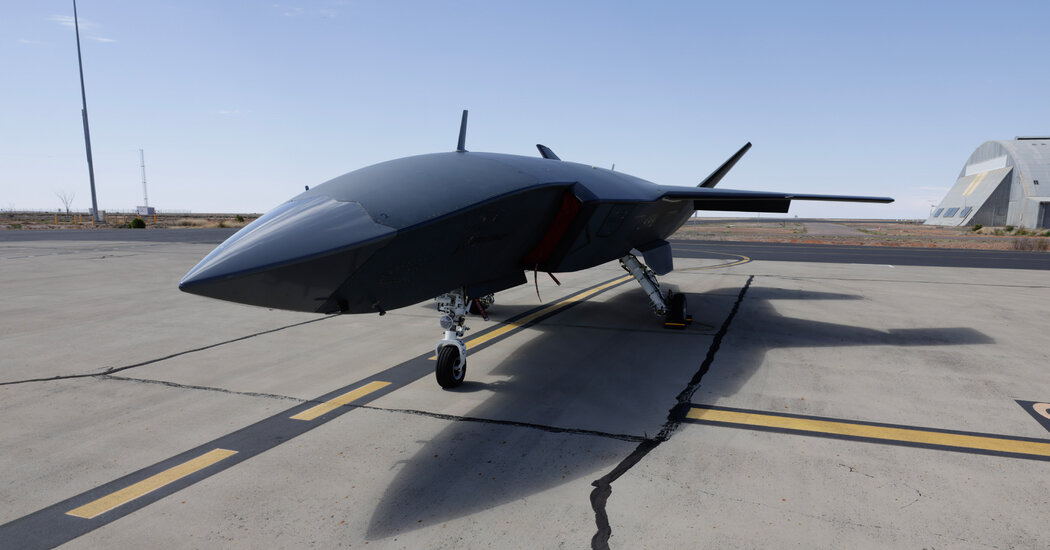
Australia is developing its first domestically designed and manufactured military drone, the MQ-28A Ghost Bat, in partnership with Boeing, marking a significant shift in its defense industry and signaling an arms race among major powers like China, the US, and Australia itself.
Ukraine is significantly increasing its military capabilities with a multibillion-dollar arms buildup funded by Europe, aiming to strengthen its deterrence against Russia and secure its long-term survival, especially as Western support becomes less certain. The country is focusing on acquiring U.S.-made weapons, including Patriot air-defense systems, through a NATO-backed procurement system.
Europe is rapidly expanding its arms manufacturing capabilities at three times the usual speed, signaling a significant increase in military preparedness and a shift towards heightened defense measures amid geopolitical tensions.
Australia has announced a $6.5 billion deal to purchase advanced Mogami-class frigates from Japan, enhancing its naval capabilities amid regional tensions with China. The stealthy, state-of-the-art ships are comparable or superior to regional rivals and could boost Japan's defense exports, marking a significant shift in the Pacific military landscape. The deal also highlights the US allies' focus on modernizing their navies and strengthening strategic partnerships.
Australia will purchase 11 Japanese Mogami-class frigates in a $6.48 billion deal, marking Japan's largest defense contract and strengthening bilateral security cooperation.