Contrary to popular belief, jobs most exposed to AI automation are actually experiencing higher growth and wage increases, with AI enhancing productivity rather than displacing workers. However, young entry-level workers face significant challenges, including reduced job opportunities and layoffs, which may be influenced by broader economic factors rather than AI alone.
America's affordability crisis worsened as inflation outpaces wage growth, with recent data showing minimal paycheck increases amid a weakening job market, prompting calls for a stronger labor market to improve living standards.
UK unemployment rose to 5.1% in the three months to October, with a significant increase in youth unemployment, amid economic uncertainty and government policy debates on wages and hiring. Wages are still rising but at a slowing pace, and the Bank of England is considering interest rate cuts to stimulate growth while managing inflation. The government has announced initiatives to address youth unemployment, but concerns remain about the impact of recent policies on job creation.
UK unemployment reached a four-year high of 5.1% in October, signaling a weakening labour market and prompting expectations of an interest rate cut by the Bank of England. Wage growth slowed, and employment fell significantly, especially among young workers, amid economic uncertainty and rising costs for businesses.
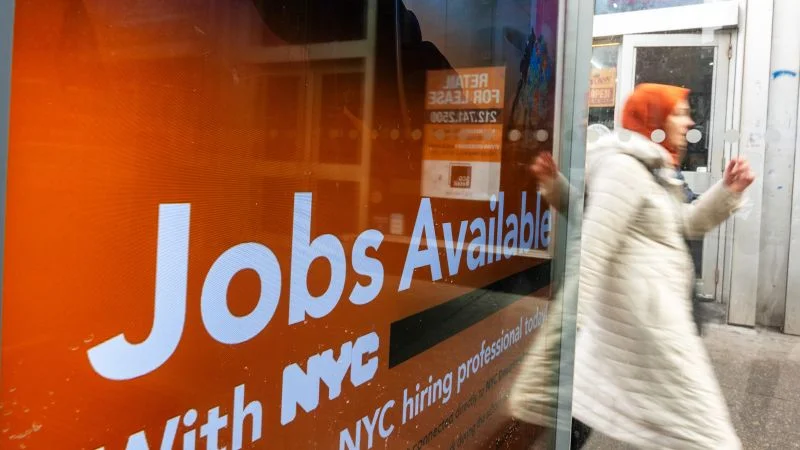
The US job market in October showed signs of slowing with a slight increase in unemployment and fewer job postings, but overall employment remained stable, indicating a gradual slowdown rather than a collapse.
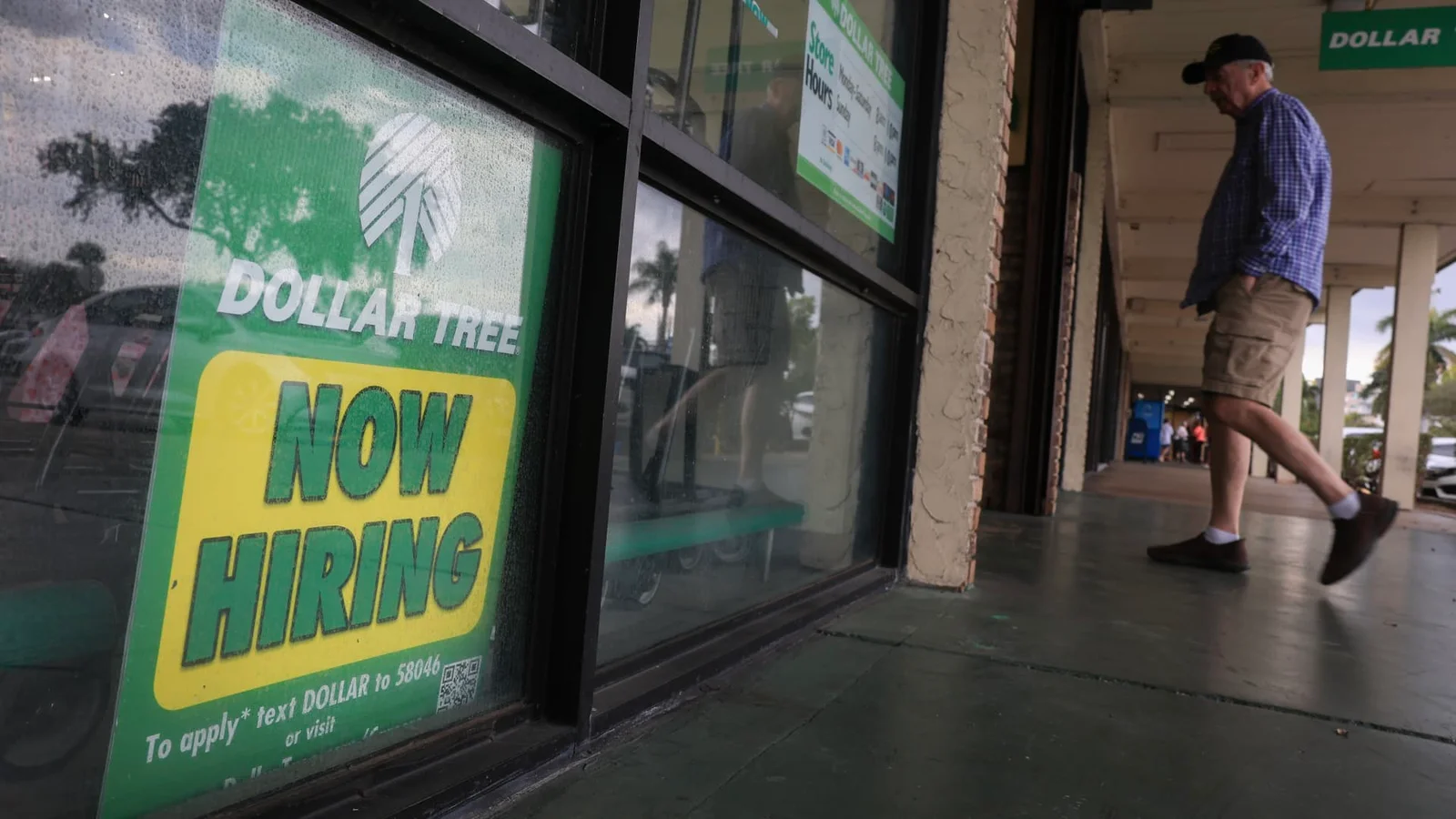
The US government shutdown has delayed the official jobs report, but private-sector indicators suggest the labor market is slowing down, with sluggish hiring, limited layoffs, and modest wage gains, potentially prompting the Federal Reserve to consider another interest rate cut.
The article fact-checks President Trump's recent claims about the U.S. economy, finding that while some aspects like gasoline prices and mortgage rates have improved, others such as energy costs, grocery prices, and inflation are not as favorable as claimed. Overall, economic indicators show mixed results, with some metrics improving and others remaining problematic, contradicting the president's optimistic assertions.
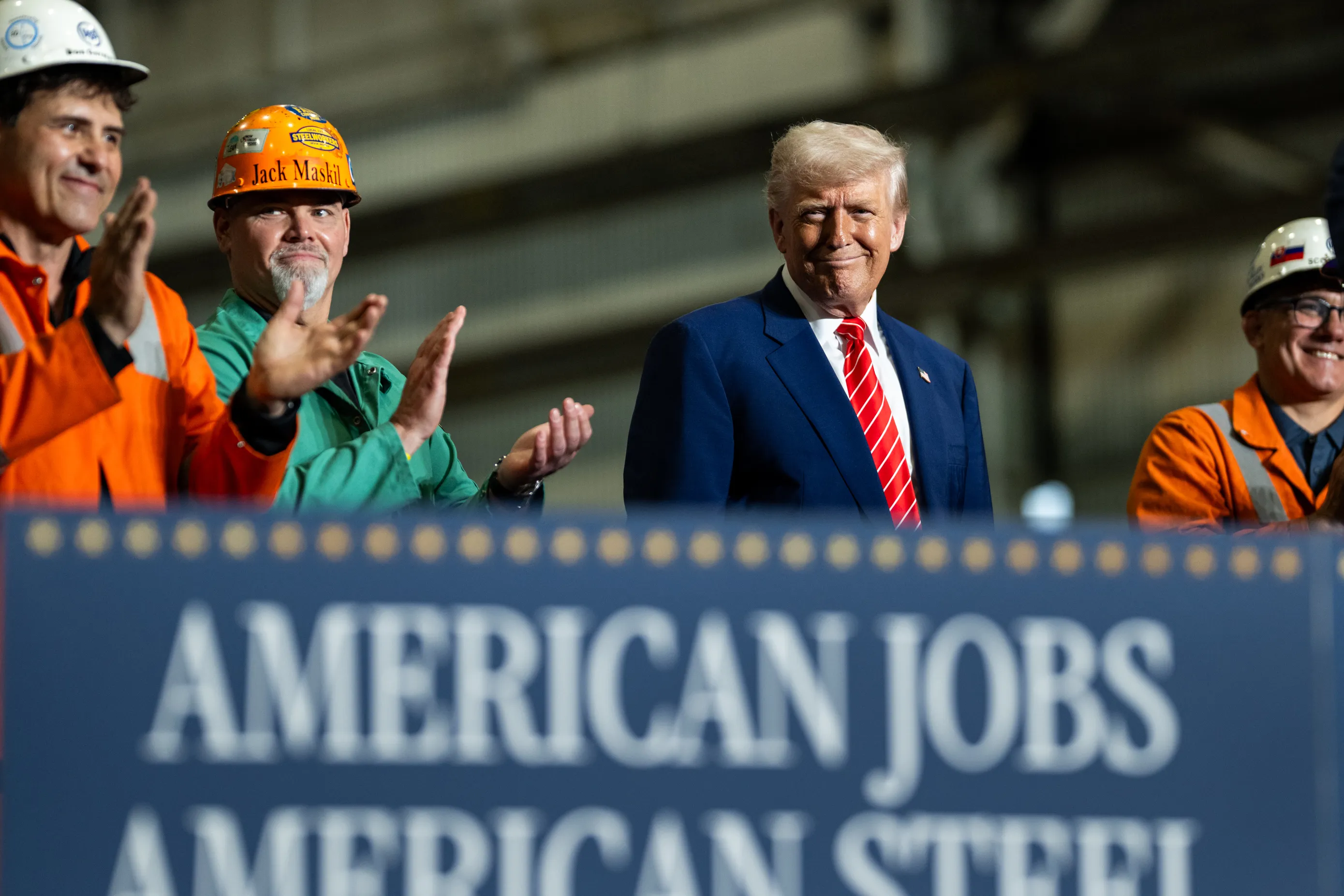
President Trump is highlighting his administration's achievements in boosting employment, wages, and economic growth for American workers through job creation, deregulation, trade deals, and workforce development initiatives, positioning himself as a champion of the American labor force.
The article discusses how the poorest workers in the US are being most affected by the slowdown in wage growth, highlighting ongoing economic challenges and income disparities.
The article argues that despite the stock market's rise, hard economic data such as GDP, consumer spending, and employment indicators suggest the economy is weakening, with signs of slowing growth, declining wages, and reduced construction activity, indicating a less optimistic outlook.
The June US jobs report shows strong headline figures like low unemployment and job gains, but underlying issues such as rising long-term unemployment, manufacturing job declines, reduced work hours, and disparities among demographic groups suggest economic weaknesses, partly linked to Trump's trade policies and ongoing political uncertainties.
Nearly a quarter of Americans are 'functionally unemployed,' including those not counted in official unemployment figures but struggling financially or underemployed, indicating underlying issues in the labor market despite low official unemployment rates.
Recently, wage growth for workers who stay in their jobs has surpassed that of those switching roles, marking a rare shift since 2009. This trend benefits long-term employees in white-collar sectors, as companies become more hesitant to hire and pay higher wages for new employees. While job switchers face a tougher job market and often accept lower pay, stayers are experiencing increased wages and job security, making the 'Big Stay' a notable trend in the current economic climate.
In May, US nonfarm payrolls increased by 139,000, surpassing expectations, with the unemployment rate steady at 4.2%. Wage growth was stronger than anticipated, and job gains were led by healthcare and leisure sectors, despite economic uncertainties caused by tariffs and global trade tensions. Market futures rose following the report, but underlying data showed some volatility and concerns about the economic outlook amid ongoing trade disputes.
Goldman Sachs forecasts a steady US May payroll increase of 125,000 with unemployment at 4.2%, and a modest wage growth of 0.3% m/m, while noting potential declines in federal jobs due to staffing cuts amid trade uncertainties, suggesting a balanced labor market report that may keep the Fed patient.