KTLA laid off three longtime on-air personalities—meteorologist Mark Kriski and midday anchors Lu Parker and Glen Walker—as part of Nexstar’s broader staff cuts across several markets, prompting viewer reactions online.
Nexstar is trimming staff nationwide, with KTLA’s longtime weather anchor Mark Kriski among those laid off, as part of broader cuts affecting flagship stations like WPIX and WGN amid Nexstar’s Tegna acquisition. SAG-AFTRA and the CWA condemned the layoffs as harming local news and workers’ rights during ongoing union negotiations.
British luxury automaker Aston Martin will cut about 20% of its global workforce to save roughly 40 million pounds ($54 million) annually, blaming tariffs and geopolitical uncertainty for weaker profitability, with no timeline for the layoffs and following last year’s organizational review.
WGN-TV laid off eight veteran on-air reporters and anchors in a broad newsroom downsizing led by Nexstar, including longtime anchor Sean Lewis, as the station undergoes budget-driven restructuring amid the company's ongoing consolidation and its Tegna merger plans; staff fear a thinner news product.
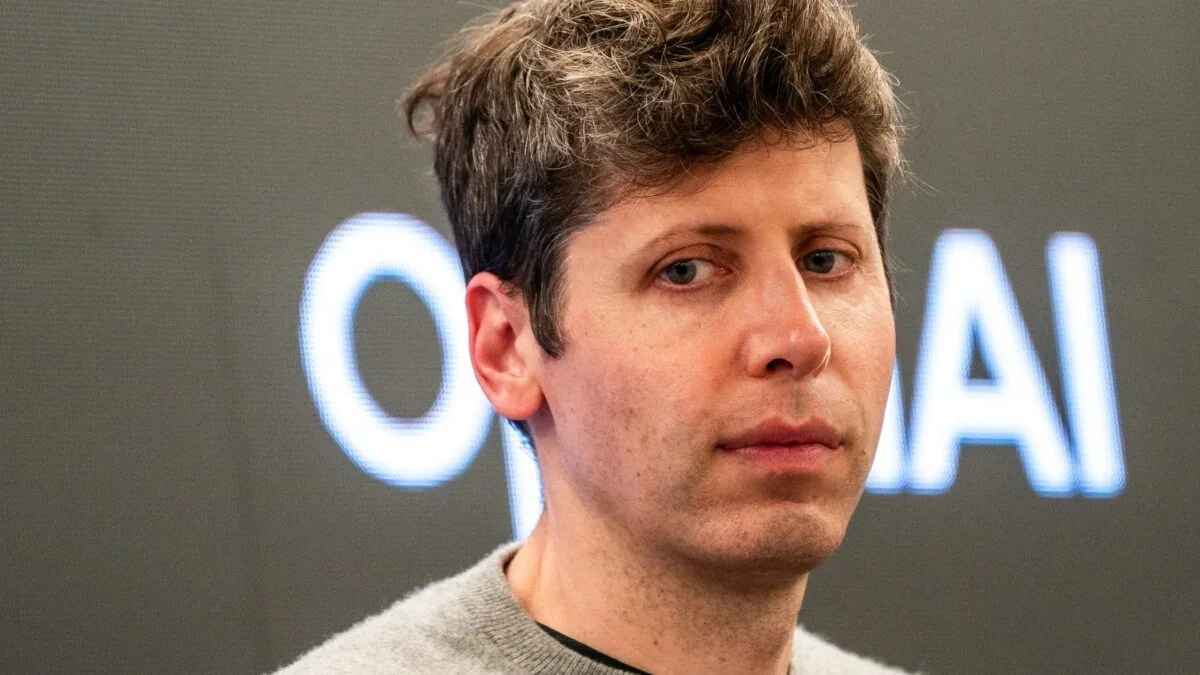
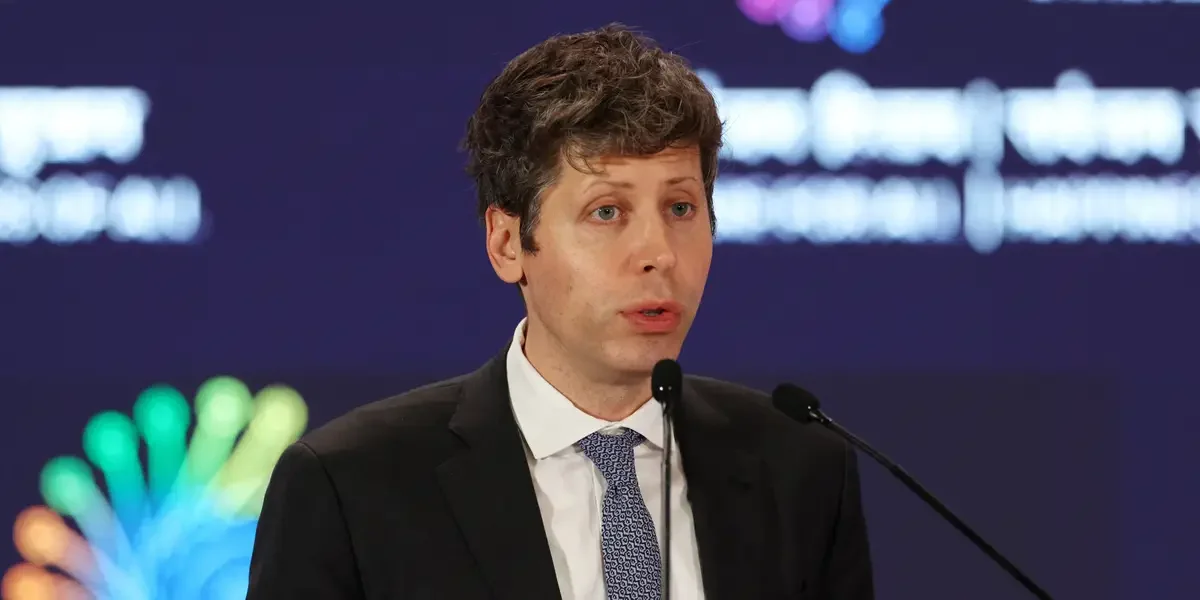
Sam Altman told CNBC at the India AI Impact Summit that AI is sometimes used as a scapegoat for layoffs, a phenomenon he calls 'AI washing.' He notes 55,000 layoffs in 2025 attributed to AI (less than 1% of total), while surveys show AI’s impact on employment is uncertain; cases like Amazon’s layoffs have been publicly linked to AI and later downplayed. Altman cautions that although AI will displace some jobs, it will also create new roles, with the real impact expected to become palpable in the coming years.
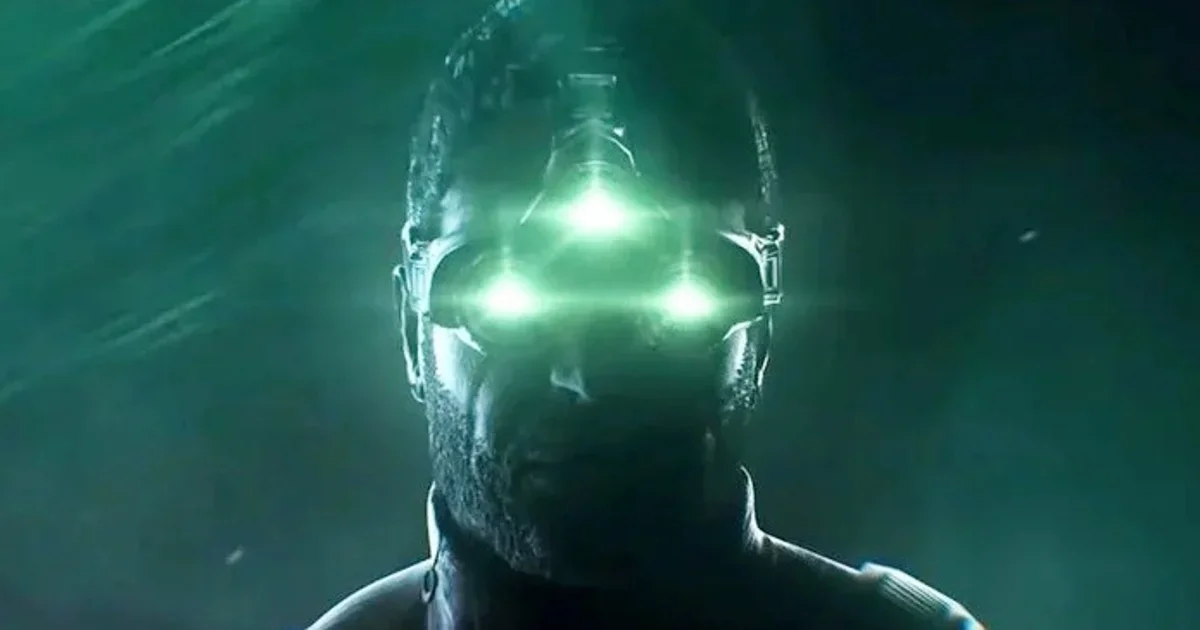
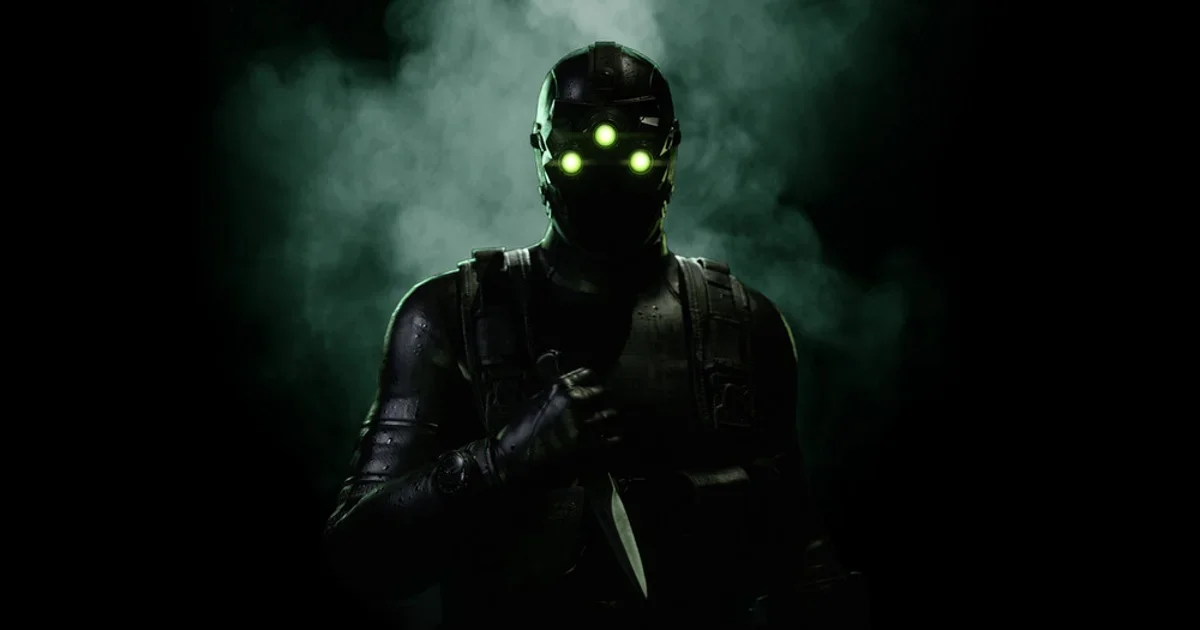
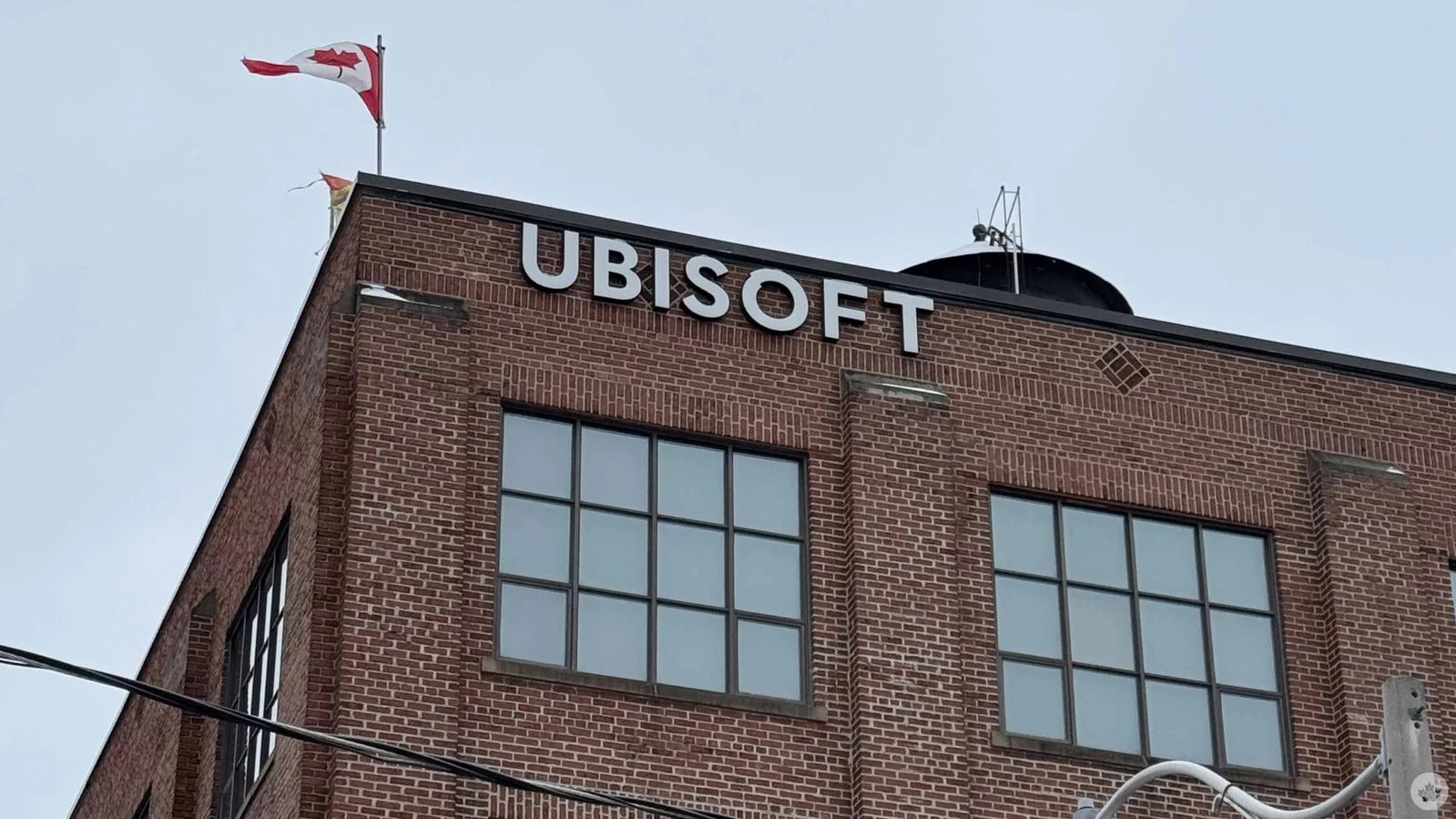
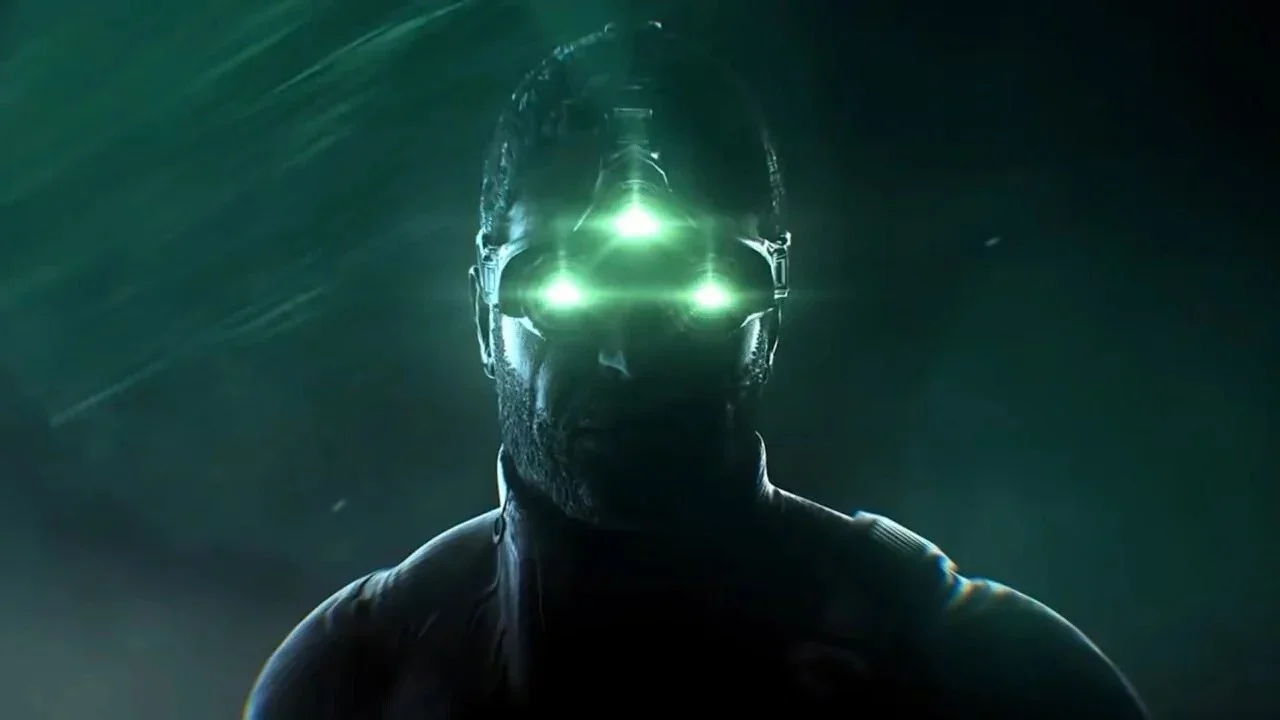
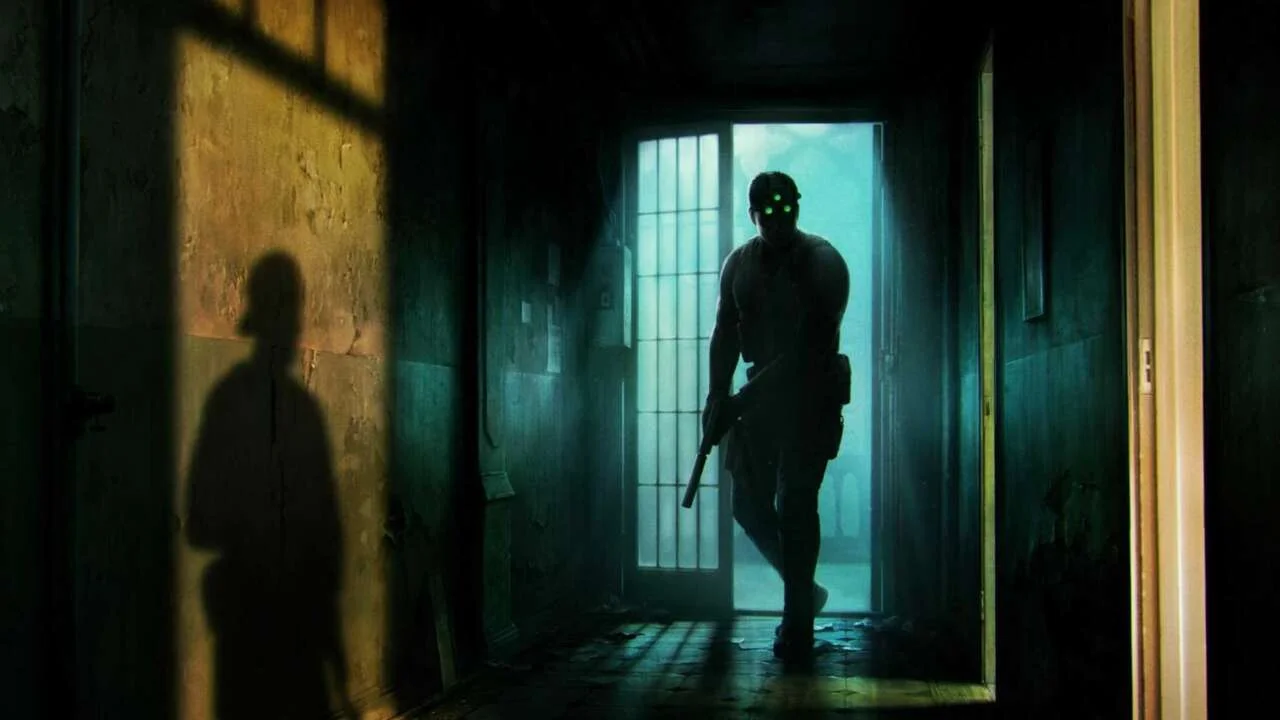
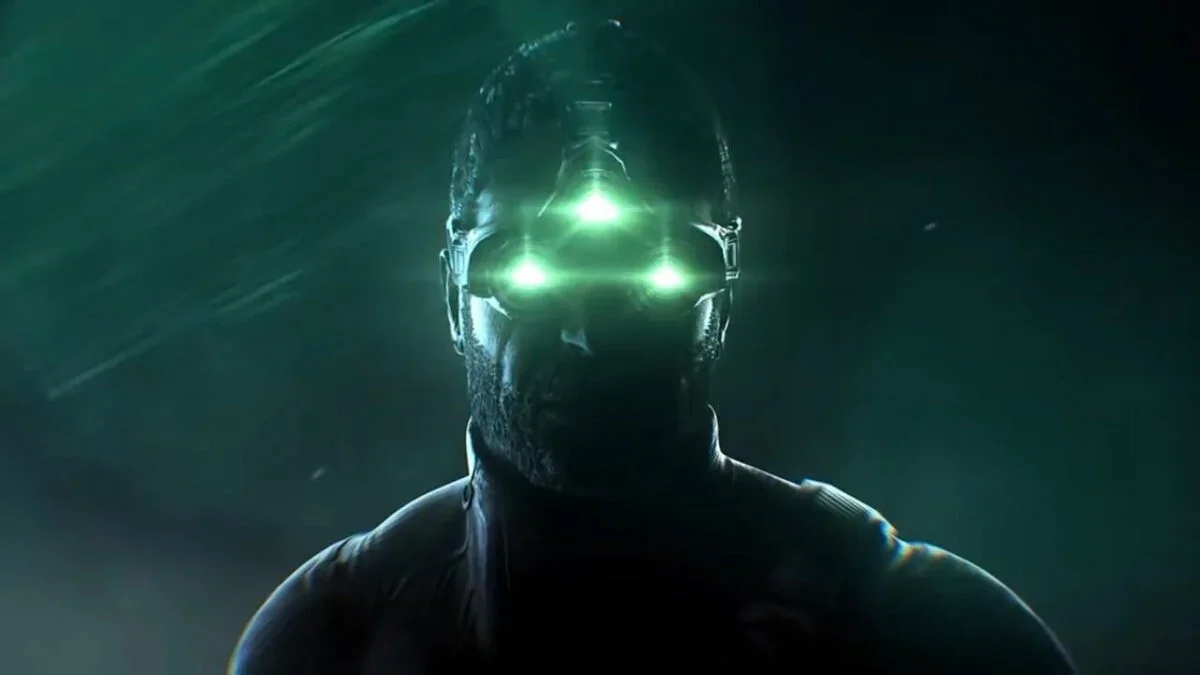
Ubisoft confirmed 40 employees were laid off at its Toronto studio, which is working on the Splinter Cell remake. The company said the cuts were not a reflection of the impacted workers’ talents and will provide severance and career placement assistance. The remake is being developed from the ground up as a linear title, with Ubisoft Toronto continuing to contribute to other projects as the game remains in production.
Walgreens is laying off 469 Illinois employees across Deerfield, the Old Post Office in downtown Chicago, and Danville as part of a corporate reorganization after its acquisition by private-equity firm Sycamore Partners; affected workers will receive 60 days’ notice and retain full pay and benefits during that period, with Texas reporting 159 layoffs as well. The company says the changes aim to simplify the organization and speed decision-making to improve store and patient services amid the private-equity transition.
Ubisoft Toronto cut 40 staff as part of Ubisoft's global cost-saving drive, but the Splinter Cell remake and co-development work with Rainbow Six will continue; the company says the layoffs reflect restructuring and will be followed by severance and career placement support, as Ubisoft previously shuttered other studios and canceled projects.
Ubisoft Toronto cut about 40 staff (roughly 8%), but the PS5 Splinter Cell remake is reportedly still in development with David Grivel back as director; the studio will continue work and provide support to other teams, while severance and career placement aid are being offered to affected employees.
Ubisoft CEO Yves Guillemot reveals a three-year plan to revamp the publisher with a new ‘Creative House’ structure that groups franchises into five houses, including Vantage Studios, aiming to boost creativity and accountability while targeting over €200 million in cost reductions and selective layoffs. The interview covers acquisitions (March of Giants from Amazon) and the Tencent partnership, the global rollout of Rainbow Six Mobile, AI initiatives like ‘Teammates,’ leadership questions around Guillemot’s family involvement, canceled projects (Prince of Persia remake), labor tensions and union concerns, and a push to balance live-service and single-player experiences while delivering a stronger, more agile roadmap for the next three years.
Roughly 40 Ubisoft Toronto developers were laid off as part of Ubisoft’s restructuring and cost-saving plan, but the Splinter Cell remake remains in active development with Toronto continuing as lead/co-developer on related projects.
OpenAI CEO Sam Altman says some companies blame AI for layoffs to mask preexisting cuts, while others show real AI-driven displacement. He expects the genuine impact on jobs to become more evident in the coming years, even as new roles emerge.
Sony is shutting down Bluepoint Games, the remake specialist and co-developer of God of War Ragnarok, with about 70 jobs to be cut next month after a business review. Sony cites an increasingly challenging industry environment—rising development costs, slower growth, and changing player behavior—and says it will help affected employees find opportunities within its global studio network; Bluepoint was also tied to a cancelled live-service project as part of Sony’s retreat from live-service games.
Ubisoft Toronto laid off 40 staff as part of a broader cost-cutting overhaul following Tencent’s investment, but the long‑delayed Splinter Cell remake remains in active development. The shake-up also led to cancellations like Prince of Persia: The Sands of Time remake, while Toronto will continue to support Rainbow Six as a co‑developer.