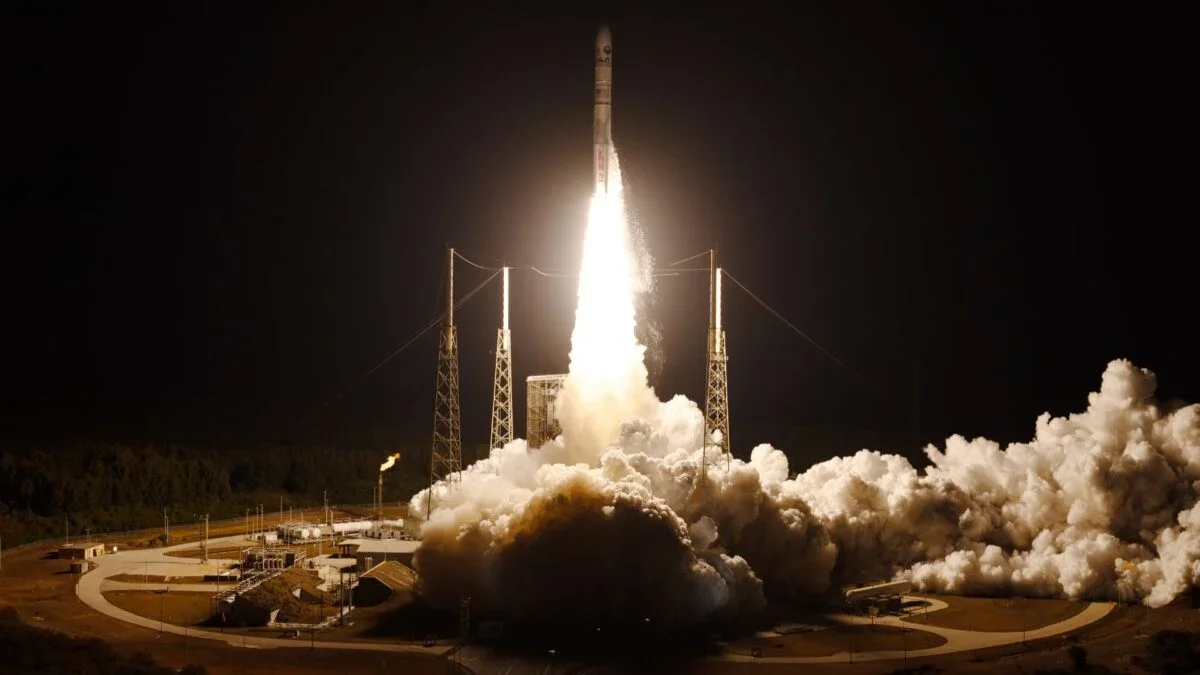
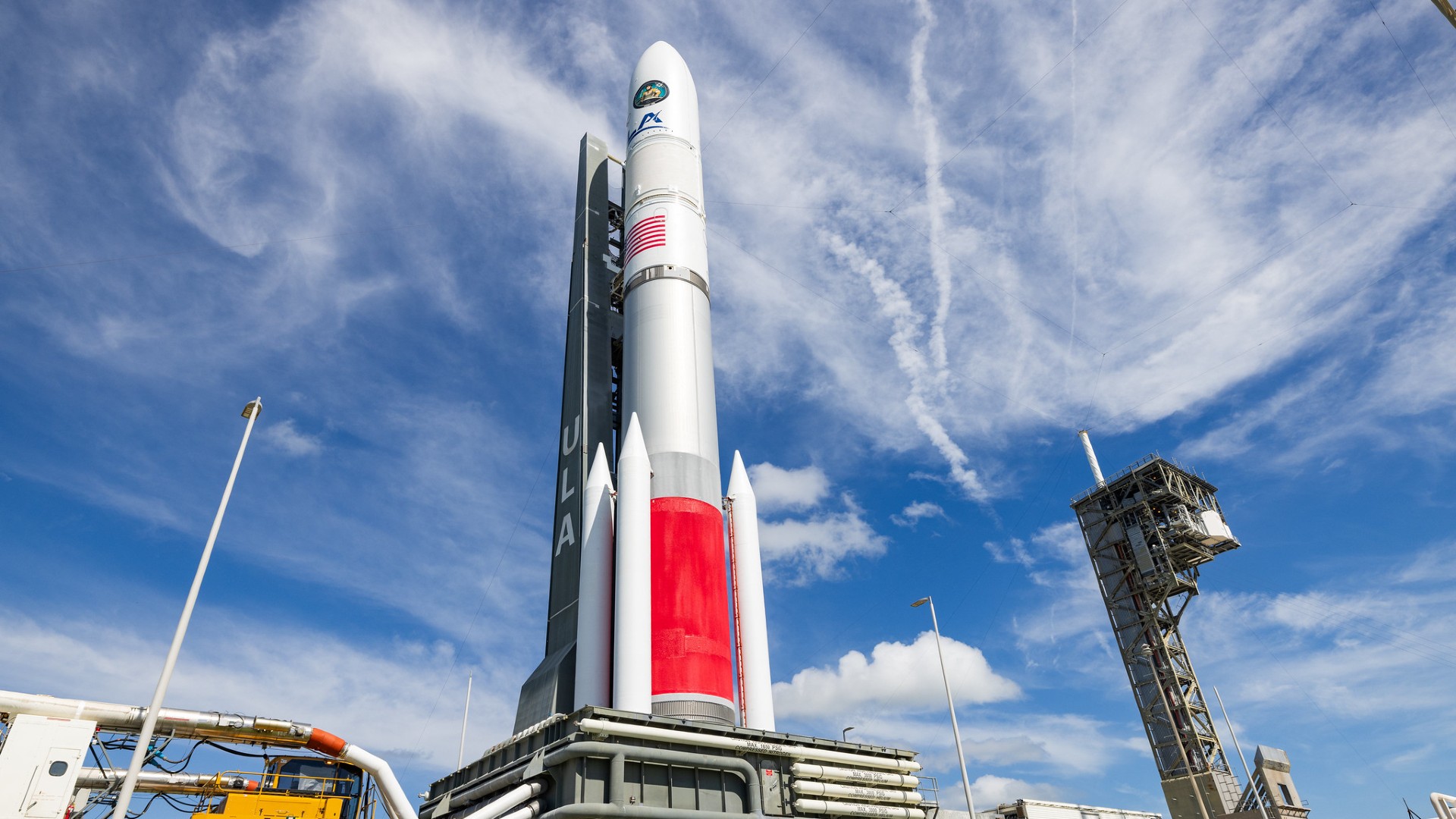
The U.S. Space Force has paused all national-security launches on ULA’s Vulcan Centaur after booster anomalies recurred on the latest mission (USSF-87) and a previous flight, leading to a multi‑month investigation and corrective actions before flights resume.
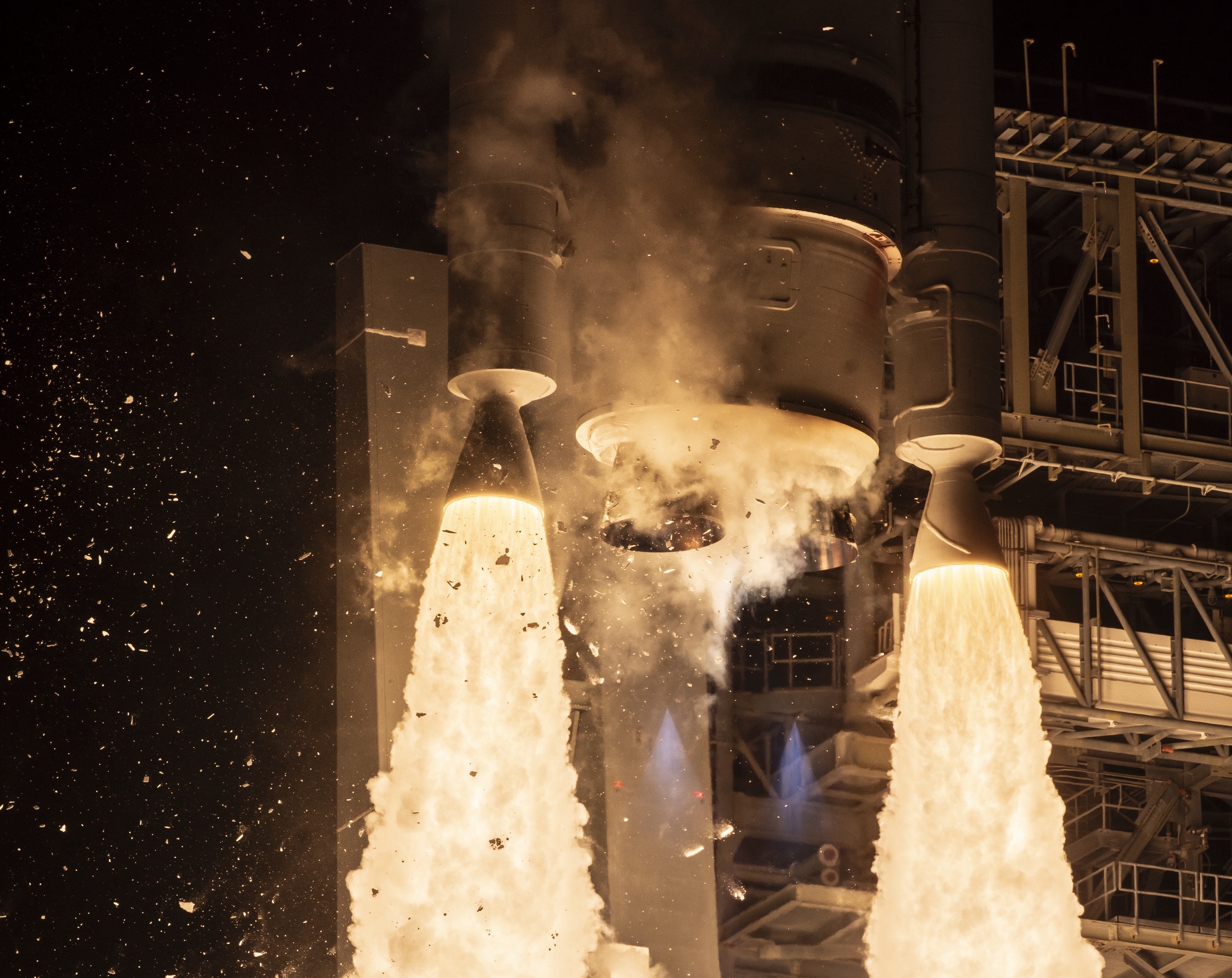
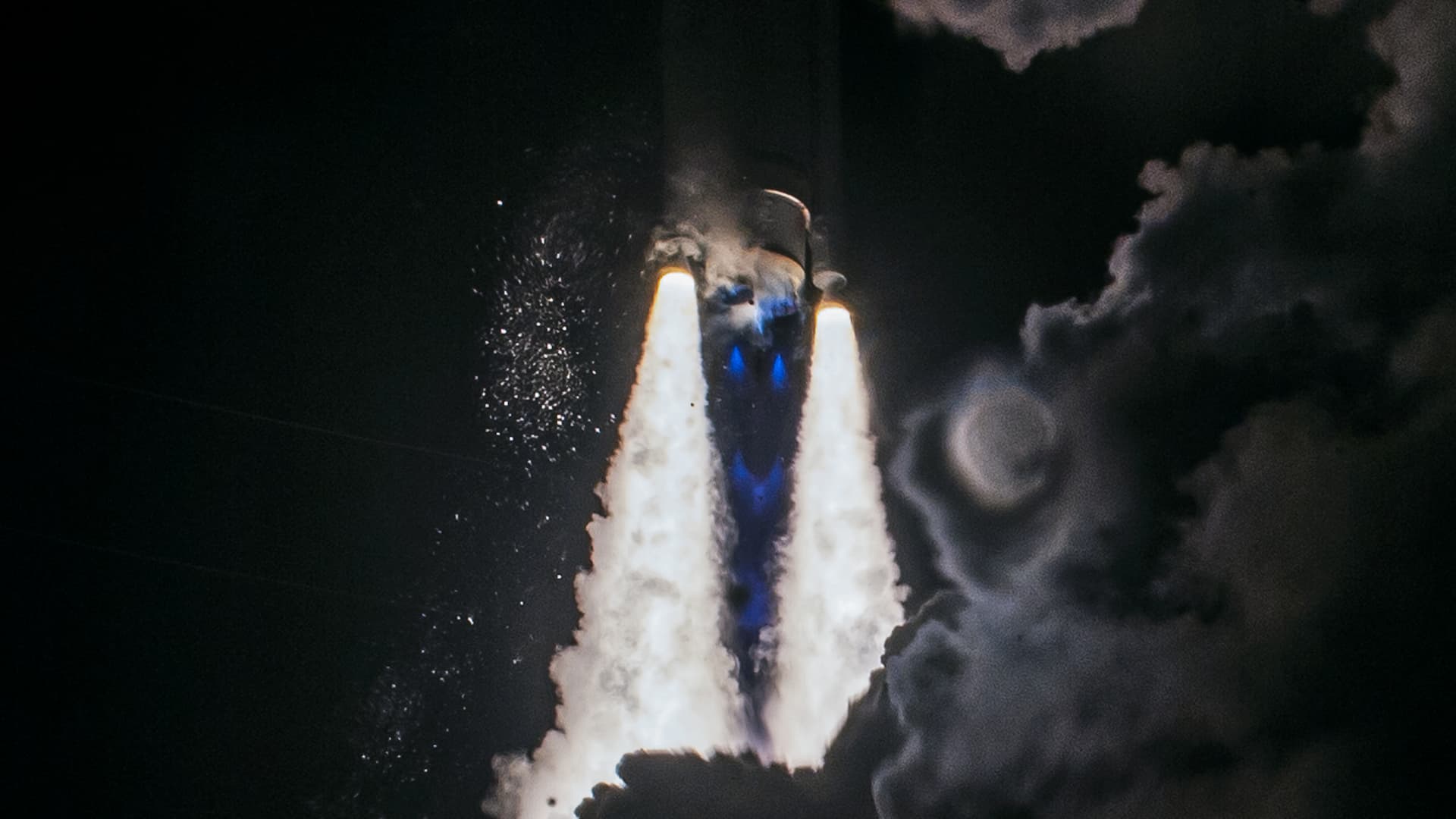
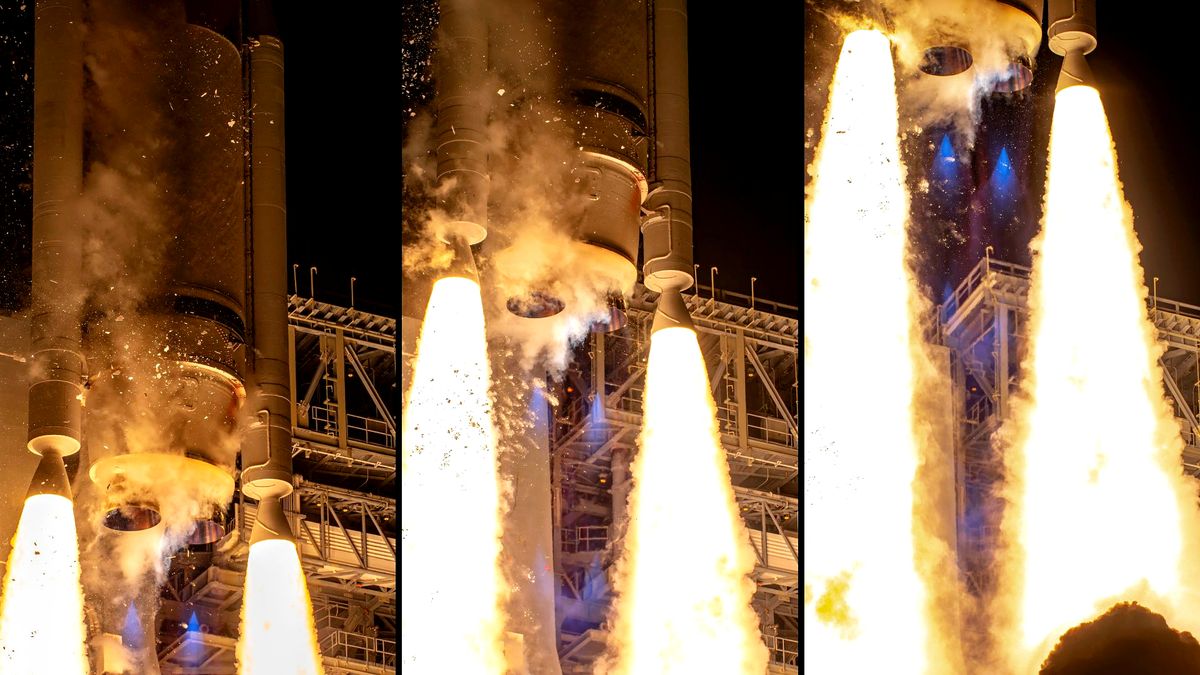
ULA’s Vulcan Centaur delivered two Space Force satellites but vented an unusual debris plume from a solid booster, prompting a Space Force pause on all military launches aboard the rocket while investigators determine the cause. A prior similar issue on another Vulcan flight and potential delays to GPS 3 and related missions could push launches into May and beyond, with officials weighing a transfer to SpaceX to avoid cascading delays. ULA still aims for 18–22 Vulcan flights in 2026, but the investigation could stretch months and jeopardize the timetable.
ULA's Vulcan Centaur successfully placed a U.S. Space Force satellite into geosynchronous orbit after observers spotted an anomaly in one solid rocket motor; ULA will investigate the root cause and apply corrective actions before the next Vulcan flight, and a similar booster plume issue occurred on a 2024 flight.
United Launch Alliance successfully launched its first Vulcan Centaur rocket for the Space Force, marking a significant milestone in replacing Russian-made engines and supporting national security missions, with the payload including a potentially GPS-replacing satellite and a classified satellite, and setting the stage for future launches.
United Launch Alliance is launching its most powerful Vulcan Centaur rocket to deploy an experimental U.S. military navigation satellite, testing new resilient technologies for GPS-like systems, in a significant step for military space capabilities.
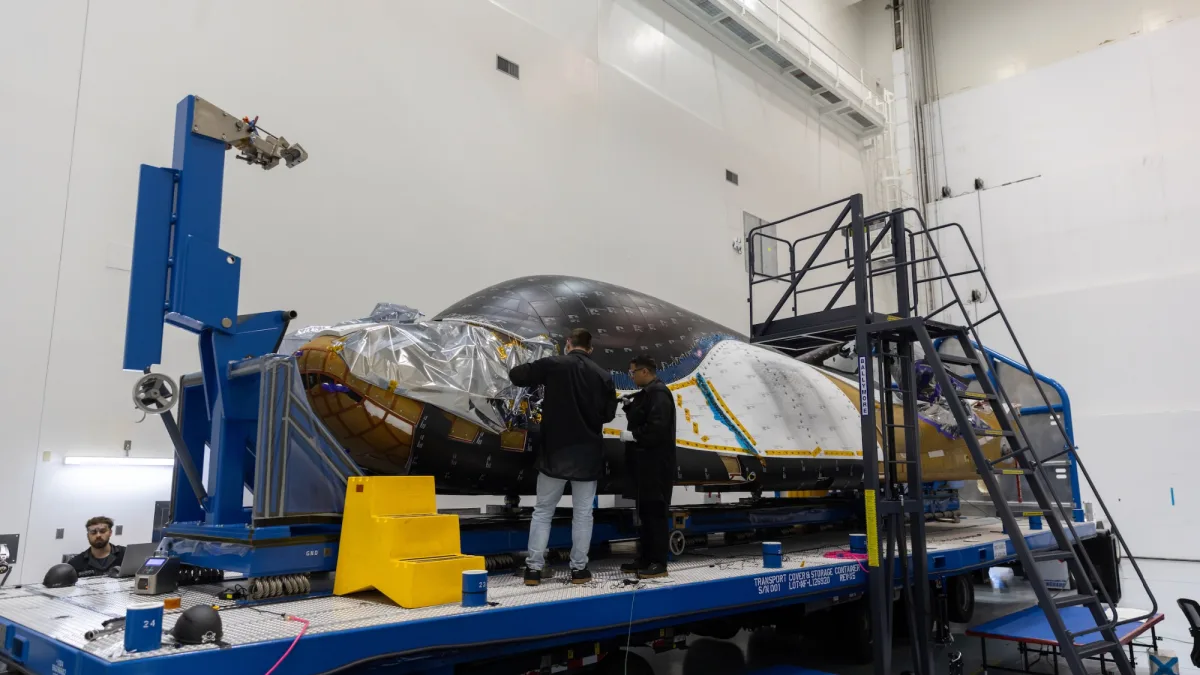
The Dream Chaser space plane, built by Sierra Space, has arrived at NASA's Kennedy Space Center for final testing before its first cargo flight to the International Space Station, scheduled for late 2024. The space plane, named "Tenacity," will launch atop United Launch Alliance's Vulcan Centaur rocket, delivering 7,800 pounds of cargo to the ISS.
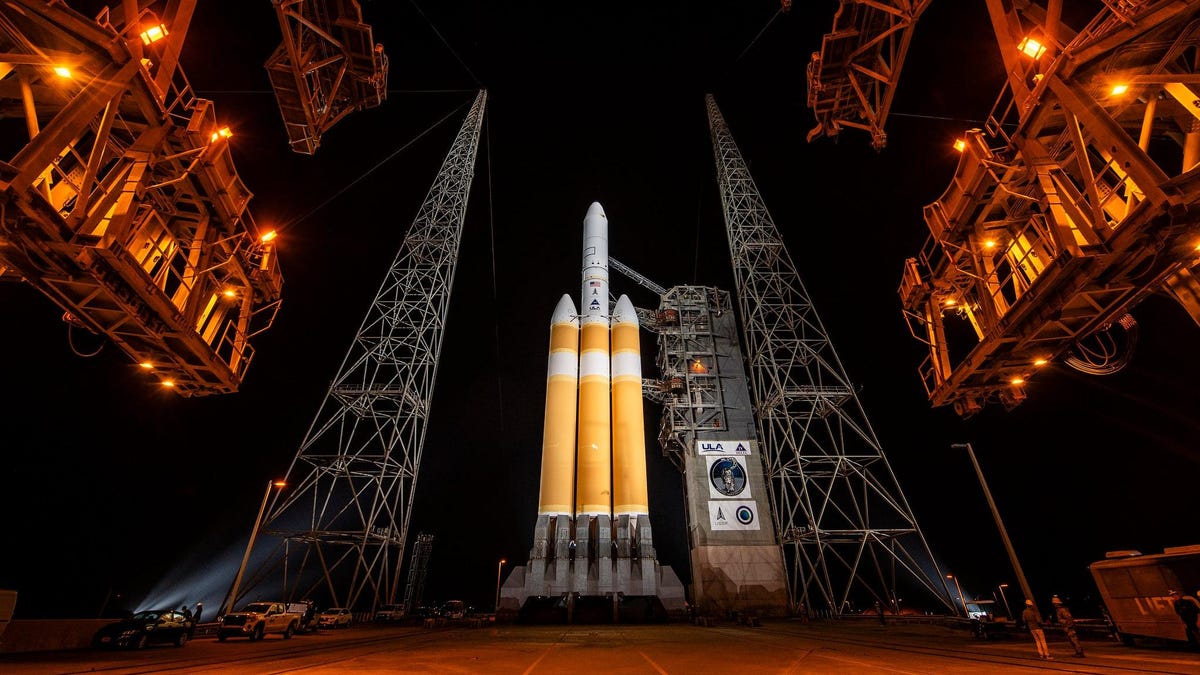
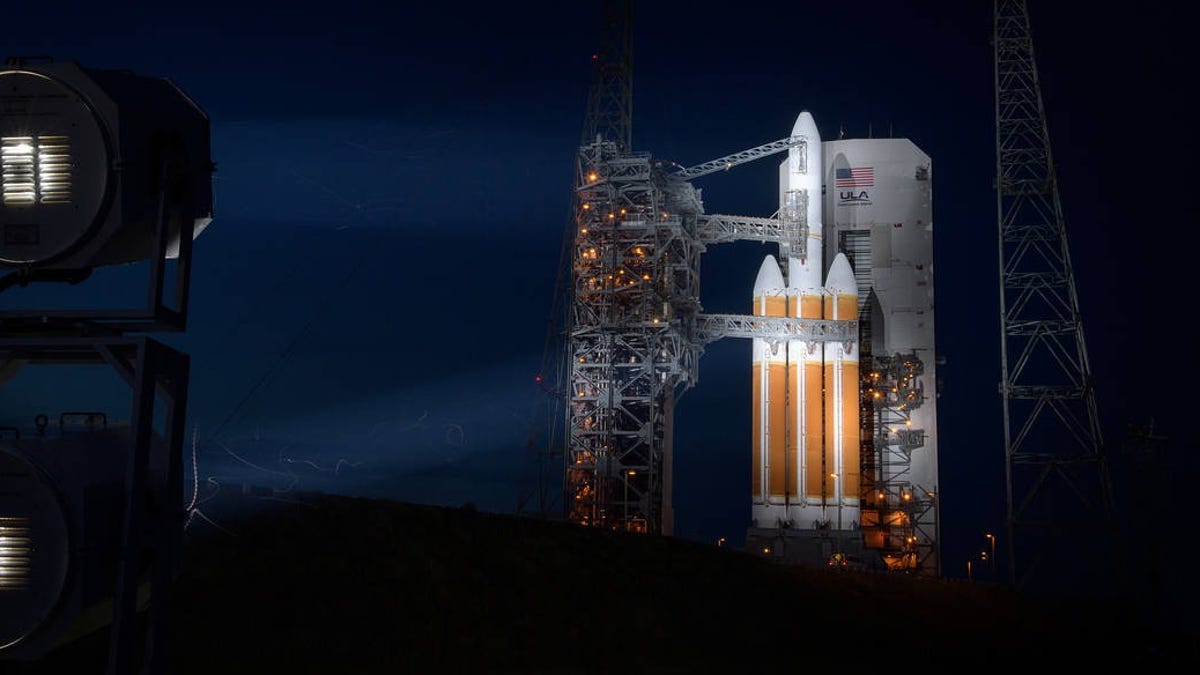
United Launch Alliance's Delta IV Heavy rocket is set for its final mission, carrying a classified payload for the National Reconnaissance Office as part of the NROL-70 mission. The dramatic liftoff, described as the "most metal," will mark the end of an iconic era that began over 60 years ago. After the Delta IV Heavy's final flight, ULA's new Vulcan Centaur rocket is poised to take over, continuing the legacy of space exploration.
The final launch of a Delta IV Heavy rocket is set to take place on the Space Coast, marking the end of more than 60 years of Delta rockets launching American missions into space. United Launch Alliance (ULA) is replacing the Delta IV and Atlas V rockets with the new Vulcan Centaur rocket, which is expected to provide more value and capability at a lower cost. The launch is scheduled for Thursday, with backup opportunities on Friday and Monday if necessary.
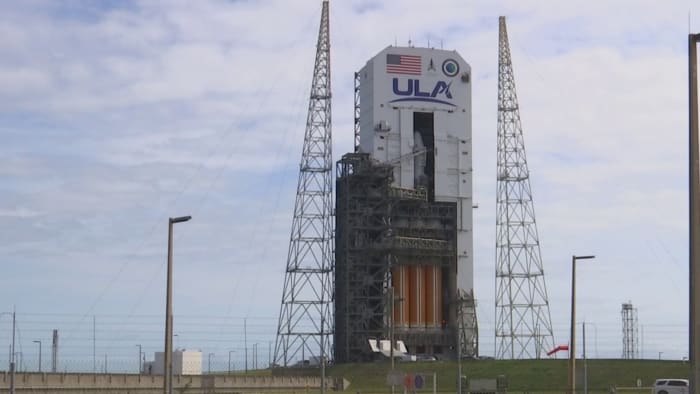
The final launch of the Delta IV Heavy rocket is scheduled for Thursday from Cape Canaveral, but weather conditions remain a concern. The launch, carrying the NROL-70 mission for the National Reconnaissance Office, marks the end of an era in American spaceflight history. The successor to the Delta IV Heavy, the Vulcan Centaur, is set to revolutionize United Launch Alliance's launch capabilities. Weather updates and live coverage can be found on FLORIDA TODAY's website.
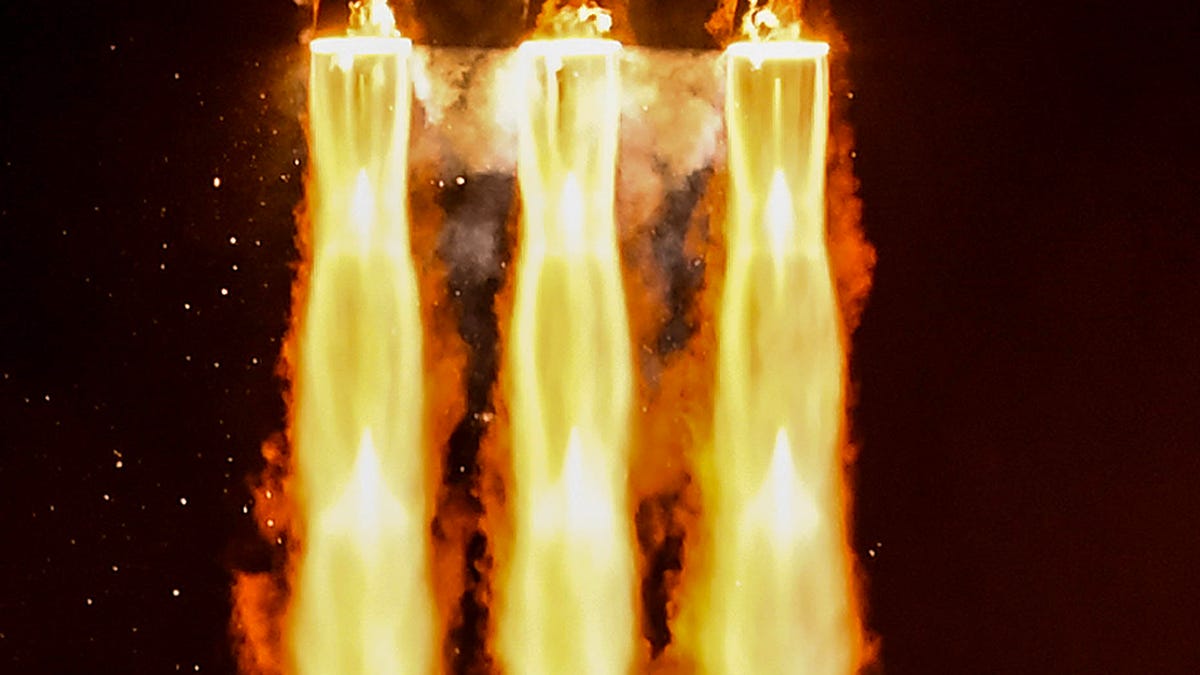
United Launch Alliance's Delta IV Heavy, known for its dramatic fireball at launch, is set to retire after its final flight carrying a classified payload for the National Reconnaissance Office. This marks the end of an era that began over 60 years ago, with ULA bidding farewell to the Delta series. The rocket's replacement, the Vulcan Centaur, offers greater flexibility and represents ULA's first new rocket design since the company's inception in 2006.
The first launch of United Launch Alliance’s Vulcan Centaur also served as a successful demonstration of the GEM 63XL solid rocket boosters developed by Northrop Grumman, which produced over 900,000 pounds-force of thrust and are the largest monolithic solid rocket boosters built. Northrop Grumman is now focused on scaling up production of the GEM 63XL to meet the demand for Vulcan launches, and is looking to incorporate technologies tested through its SMART Demo program into the boosters.
United Launch Alliance's (ULA) Vulcan Centaur rocket successfully launched from Cape Canaveral, carrying Astrobotic's Peregrine Lunar Lander, which is set to attempt a moon landing on Feb. 23. The launch marks ULA's entry into the competitive space market dominated by SpaceX and could impact discussions about the potential sale of the rocket company.
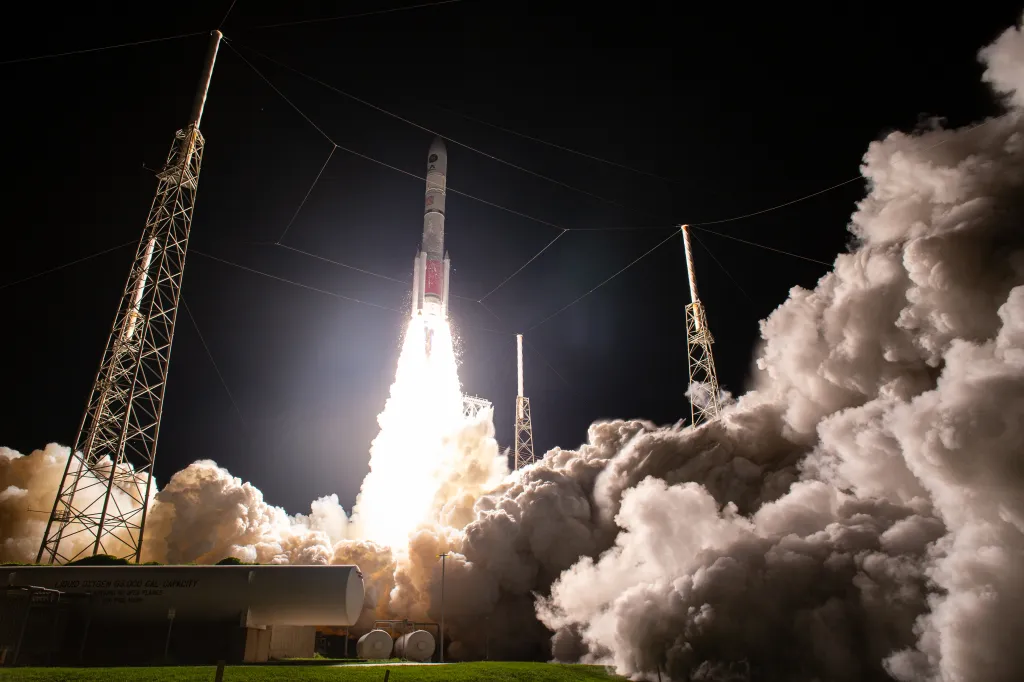
United Launch Alliance's Vulcan Centaur rocket successfully lifted off from Florida's Cape Canaveral Space Force Station, marking its first-ever launch and sending Astrobotic's Peregrine moon lander towards the moon. The launch, which took place at 2:18 a.m. EST, is historic as no private spacecraft has ever softly landed on the lunar surface. Spectacular photos and videos captured the event, and the rocket's next mission is set to send Sierra Space's Dream Chaser space plane toward the International Space Station as early as April, with a potential total of six flights in 2024.
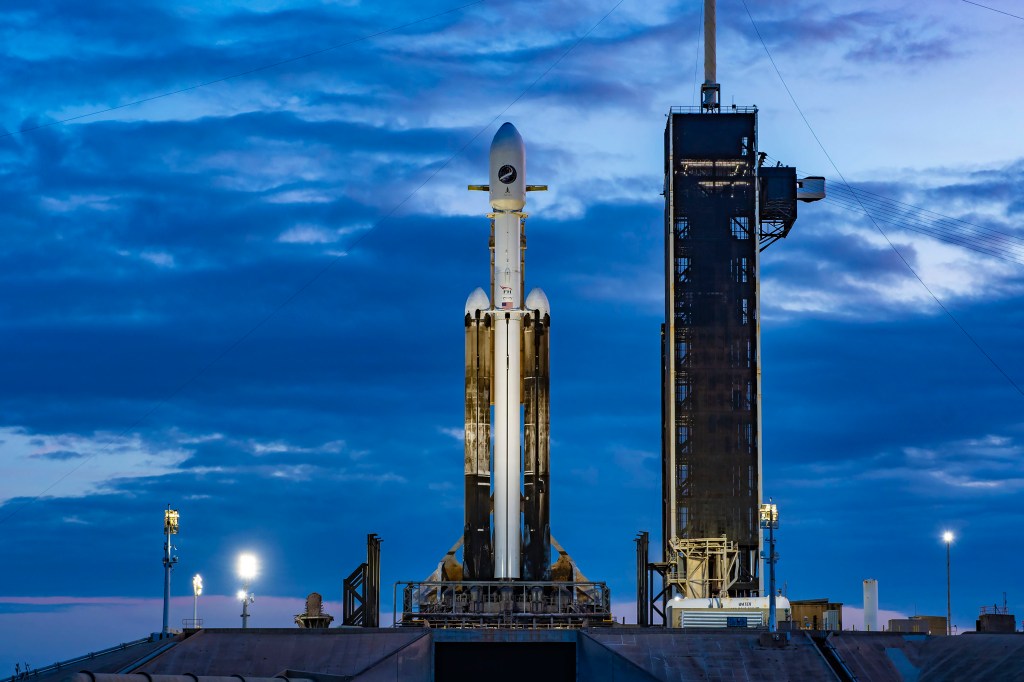
SpaceX has delayed the launch of its Falcon Heavy rocket to no earlier than December 28 due to a "ground side issue" and bad weather conditions. The rocket will carry Boeing's X-37B Orbital Test Vehicle for the USSF-52 mission. Meanwhile, United Launch Alliance has postponed the launch of its Vulcan Centaur rocket until the new year after delays during a wet dress rehearsal. The rocket's main payload is Astrobotic Technology's Peregrine lunar lander. The Space Coast is expected to see a busy launch window in early January, including the first crewed launch of the year and another NASA CLPS mission.
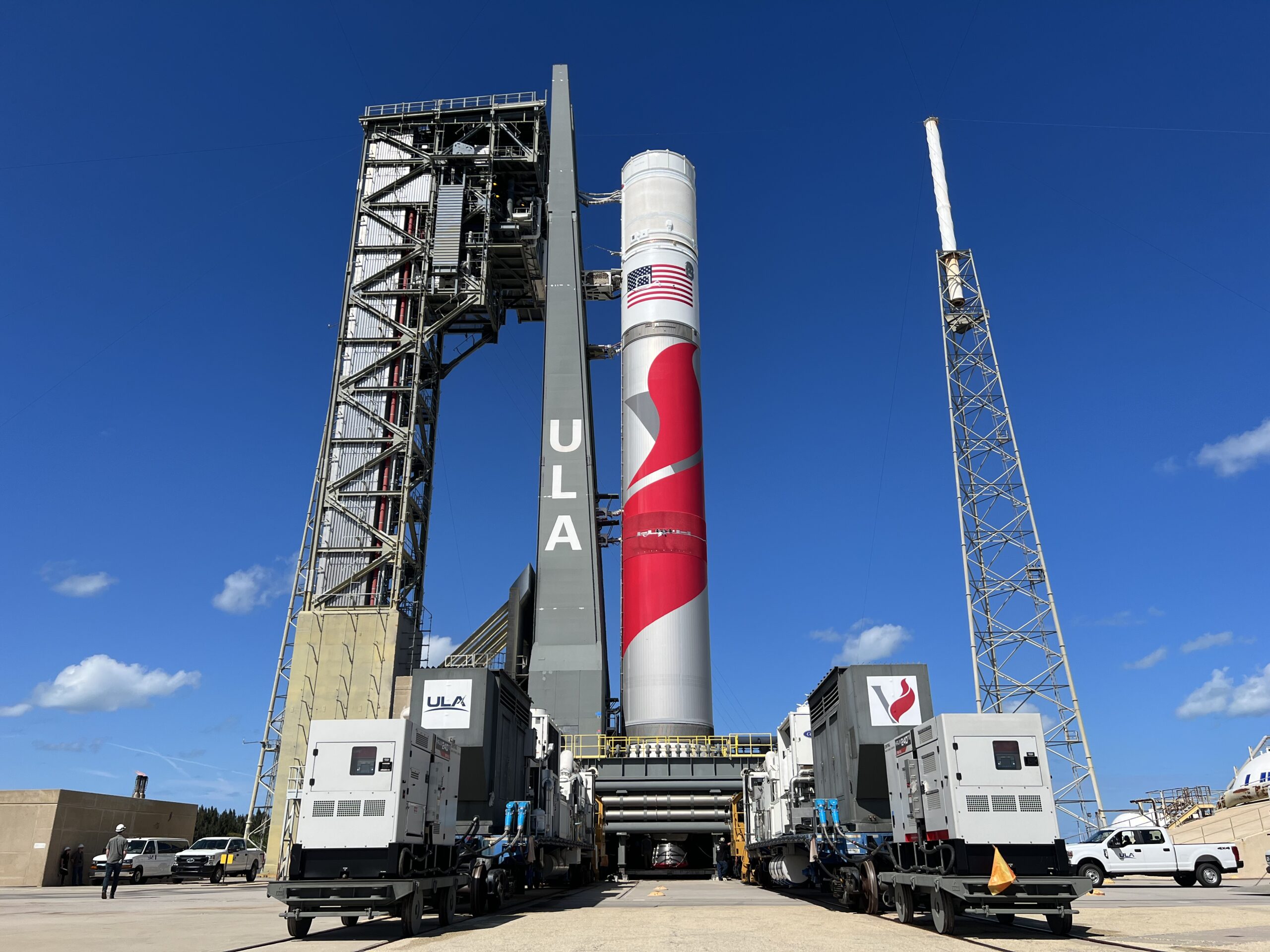
The first launch of United Launch Alliance's Vulcan Centaur rocket, scheduled for December 24th, is likely to be delayed to early January due to routine issues with ground equipment during a practice countdown called a wet dress rehearsal. ULA CEO Tory Bruno stated that a full dress rehearsal is desired before the first flight, pushing the launch date past Christmas Eve. The next launch period is expected to open on January 8th, with a four-day window. The delay means there could be two lunar lander launches from Cape Canaveral within the same week, as Intuitive Machines is preparing for a January 12th launch of its Nova-C lunar lander on a SpaceX Falcon 9.