The U.S. Space Force has paused all national-security launches on ULA’s Vulcan Centaur after booster anomalies recurred on the latest mission (USSF-87) and a previous flight, leading to a multi‑month investigation and corrective actions before flights resume.
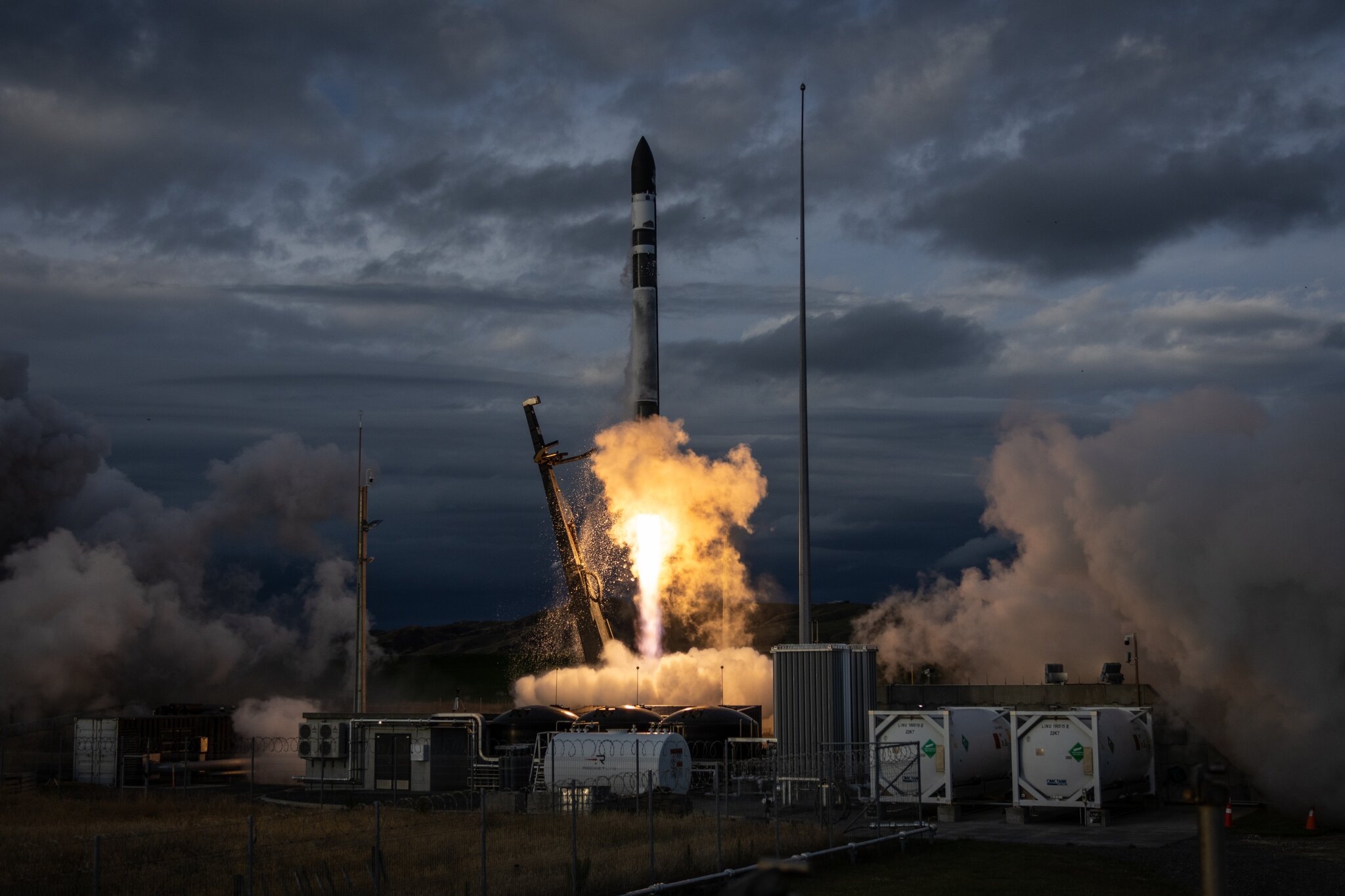
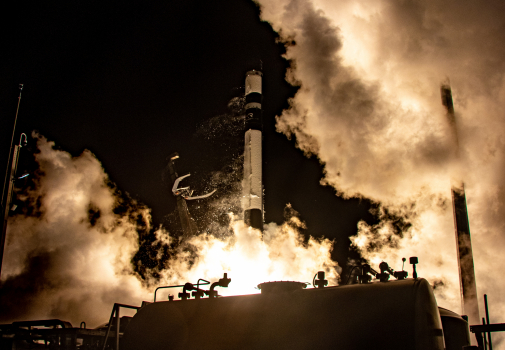
Rocket Lab concluded a record-breaking year with its 21st Electron launch, successfully deploying a radar imaging satellite for Japanese company iQPS, and demonstrating its growing presence in the small-launch market with a total of 21 launches in 2025, second only to SpaceX among Western companies.
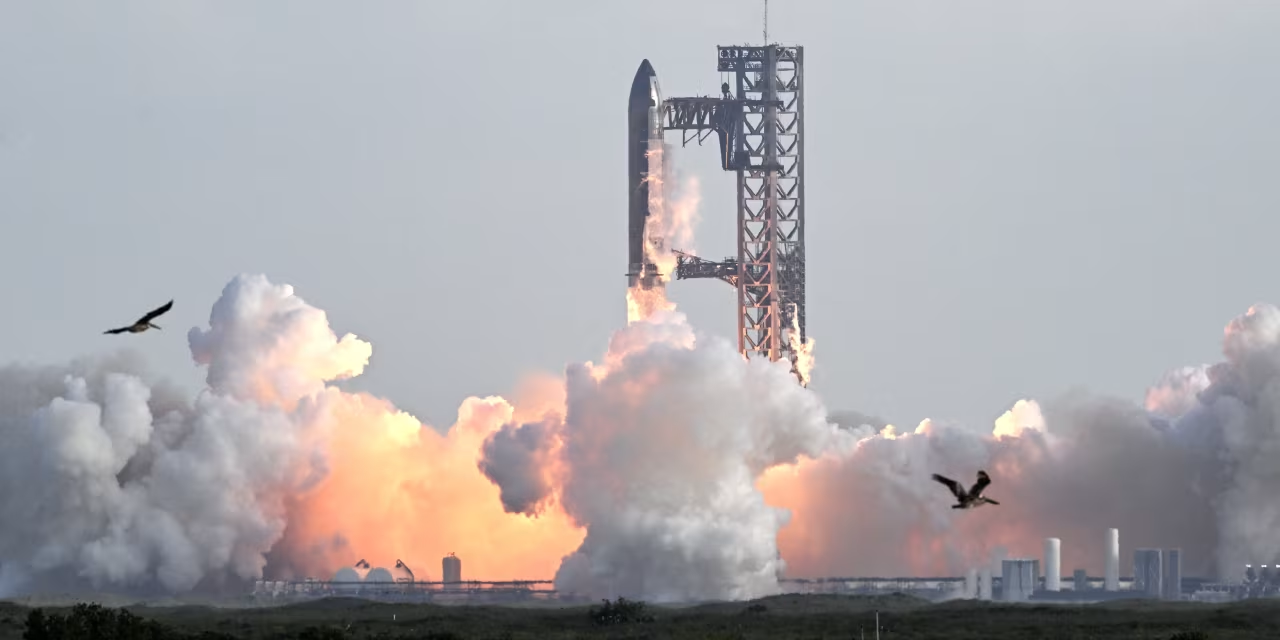
Shares of space-technology startups have surged, driven by optimism ahead of SpaceX's 11th Starship test, which aims to demonstrate reusable rocket technology and increase cargo capacity to lower space travel costs. The test has attracted significant attention, boosting investor confidence in the sector, with many space stocks up substantially this year. SpaceX's ongoing success and ambitious goals continue to influence the broader space industry and investor sentiment.
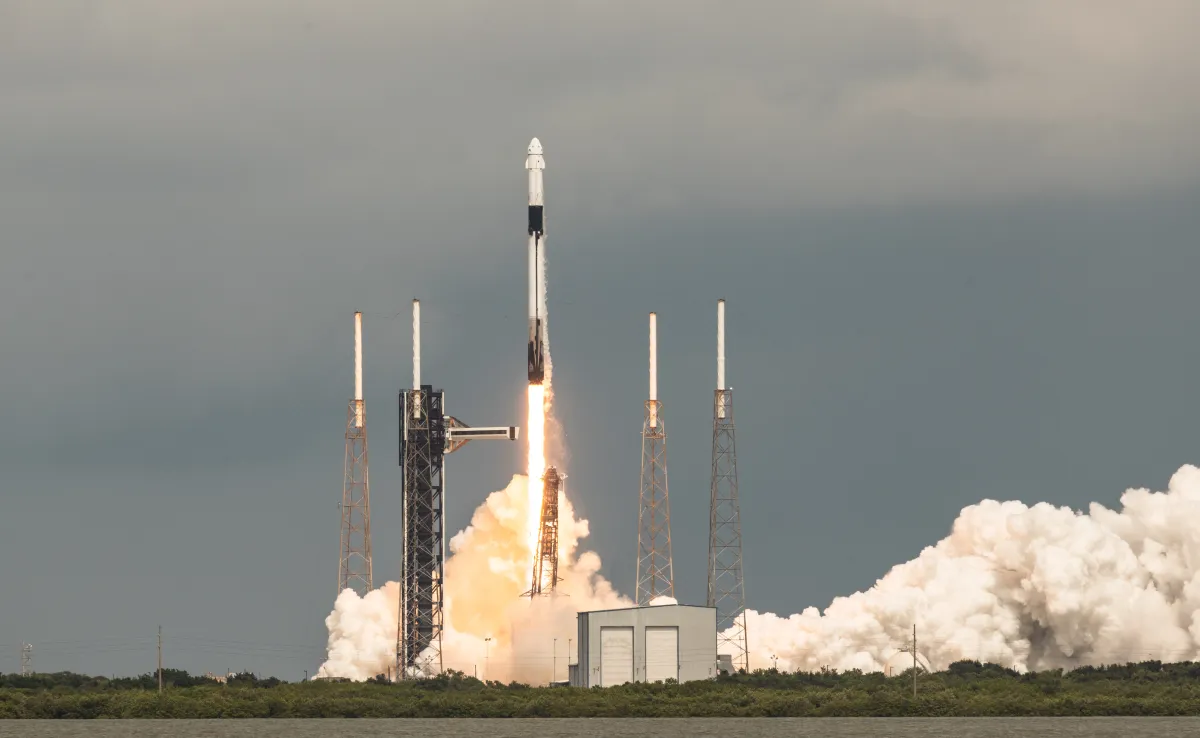
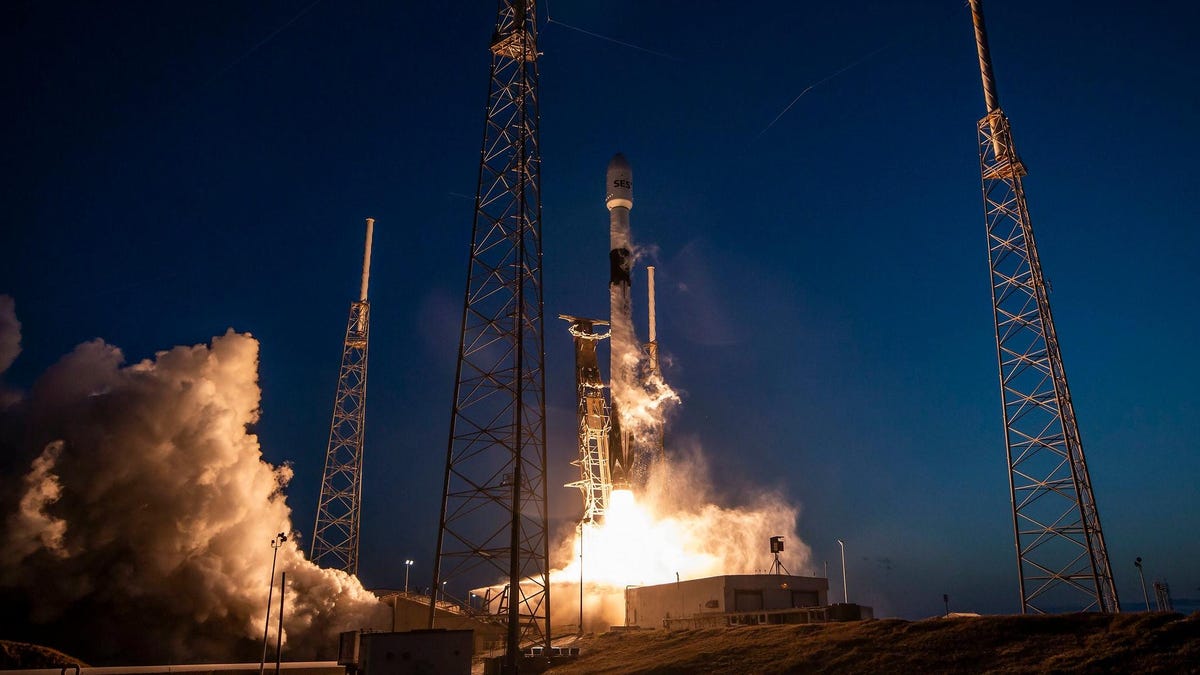
SpaceX has received approval for a significant increase in Falcon 9 launches from Florida's Cape Canaveral, potentially more than doubling annual launches from 50 to 120, along with a new landing zone for boosters, pending further regulatory approvals. This move aims to boost launch frequency amid a busy manifest, while incorporating environmental protections and expanding SpaceX's launch capabilities on both coasts.
This week sees a flurry of global space launch activities. SpaceX plans three Starlink missions with Falcon 9 rockets, aiming to maintain a high launch cadence. Rocket Lab will conduct two Electron launches, one for a hypersonic test and another for nanosatellites. Roscosmos is set to launch a cargo mission to the ISS, while Blue Origin will conduct a suborbital New Shepard flight. China is also expected to launch a mission with a Chang Zheng 2C rocket.
SpaceX falls short of Elon Musk's goal of achieving 100 Falcon 9 launches in 2023, with only 92 launches completed. Despite not reaching the target, SpaceX maintained an impressive launch cadence throughout the year, launching a Falcon 9 rocket approximately every four days. The company remains dominant in the industry, conducting almost 50% of all global orbital launch attempts. Looking ahead to 2024, SpaceX aims to increase its flight rate to approximately 12 flights per month, with a target of 144 Falcon flights for the year.
SpaceX is set to continue its busy launch schedule with two Falcon 9 launches, while Roscosmos plans to launch a Soyuz 2.1a to resupply the International Space Station (ISS). The Soyuz mission will deliver cargo, including fuel, water, and supplies, to the ISS. One Falcon 9 launch will carry South Korea's DAPA reconnaissance satellite and several rideshare satellites, while the other will deploy 23 Starlink satellites to low-Earth orbit. Additionally, China's Jielong-3 rocket is scheduled to launch an unknown payload, potentially including the first Hong Kong Star satellite, which aims to compete with SpaceX's Starlink.
SpaceX is on track to achieve its goal of 100 launches in 2023, with the recent successful launch of 23 Starlink satellites and the second launch of Starship. This week, SpaceX is expected to launch more Starlink satellites, while ExPace and Roscosmos are also scheduled to launch payloads. The high launch cadence has put SpaceX on pace to reach 210 total orbital launches this year. Additionally, SpaceX is aiming to increase its launch frequency in 2024 and has filed for Starlink missions that will return to the launch site, reducing turnaround time.
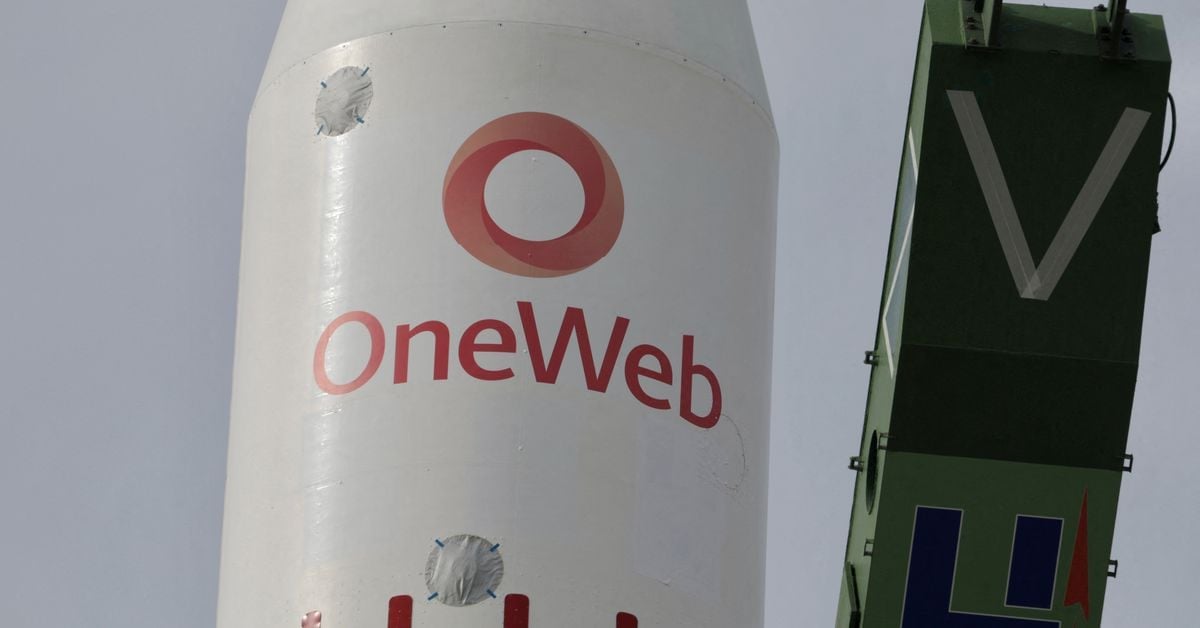
OneWeb, the British government-backed satellite operator, has given up on retrieving $50 million worth of satellites stranded in Kazakhstan after Russia halted a planned launch in March 2021 due to the Ukraine conflict. OneWeb will launch the final batch of satellites needed to complete its global network on March 26 and expects to begin global service for new government and enterprise customers shortly after. The company has moved on from the dispute and deferred any future retrieval efforts to government authorities.