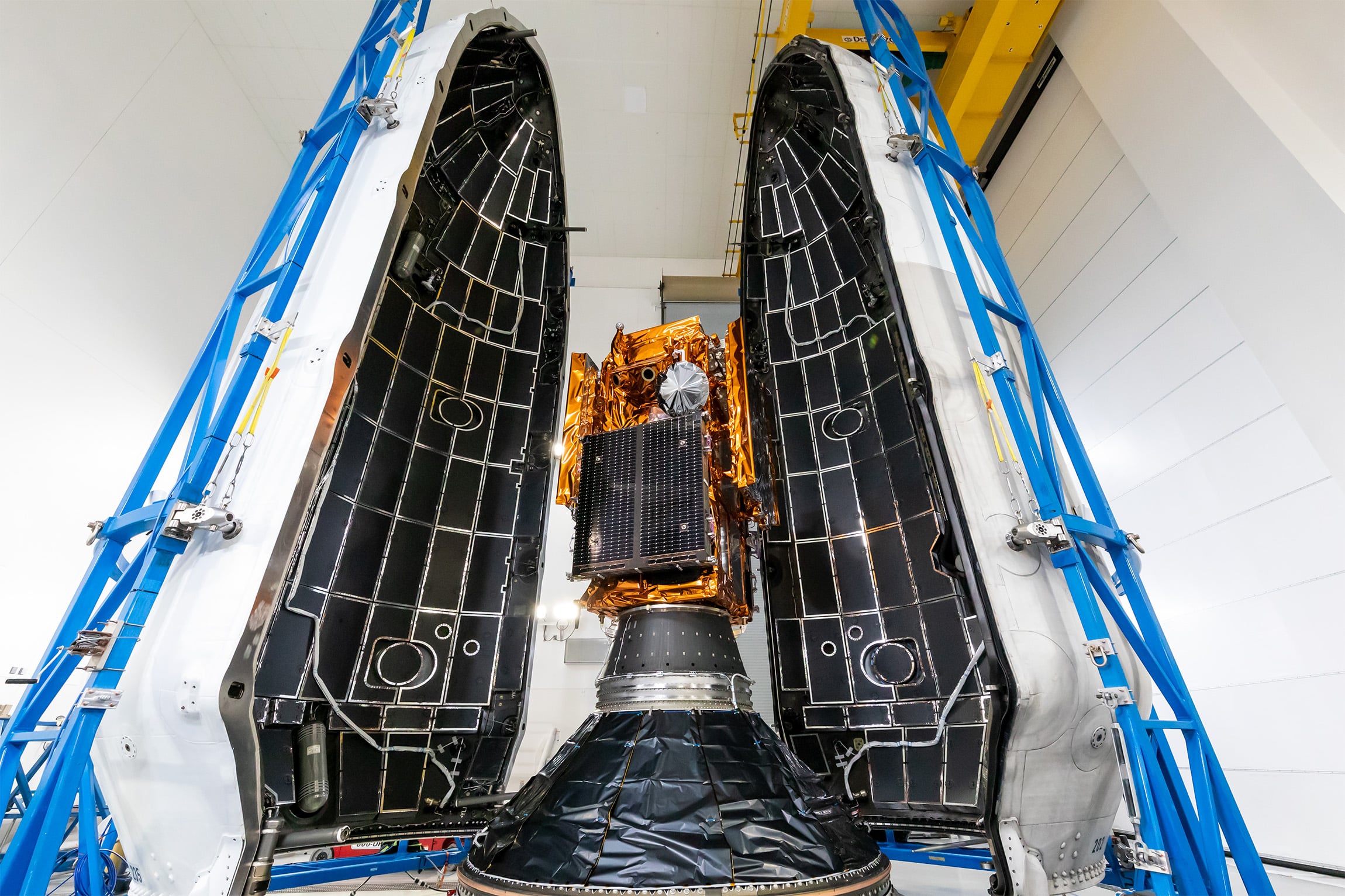
SpaceX's planned launch of the Italian COSMO-SkyMed satellite from Vandenberg Space Force Base has been postponed for a second day due to ground system issues, with a new launch date yet to be confirmed. The delay may impact the final SpaceX launch of 2025 and could involve sonic booms in nearby counties, with weather conditions also a concern.
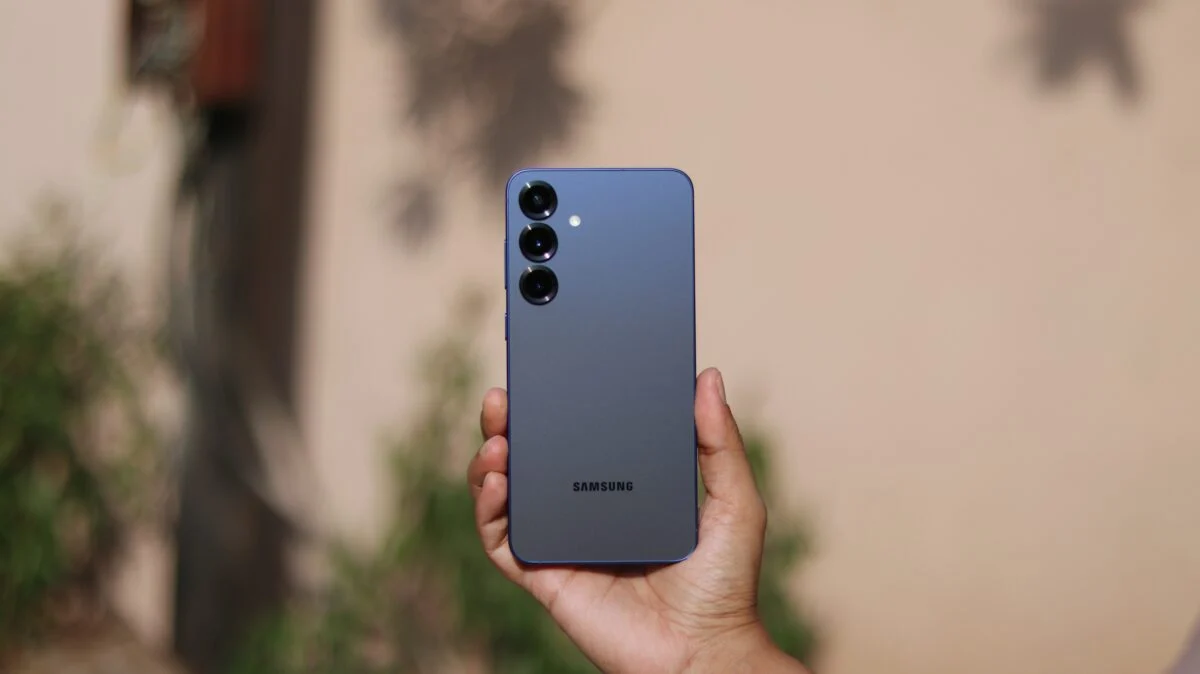
The release of the Samsung Galaxy S26 series may be delayed until March 2026, with the launch event possibly happening in late February, pushing the actual availability into the following month, according to rumors, though no official confirmation has been made.
SpaceX's Falcon 9 launch of 29 Starlink V2 Mini satellites from Kennedy Space Center has been delayed from Monday to Tuesday due to weather concerns, with liftoff now scheduled for no earlier than 7:45 a.m. EST. The mission will use booster B1094 for its sixth flight, aiming for an autonomous landing on a drone ship in the Atlantic.
Leaked details about the Samsung Galaxy S26 Ultra reveal a significant upgrade in wireless charging speeds to 25W, the biggest in six years, along with expected camera improvements and slight size increases across the lineup, with a potential launch in January or March 2026.
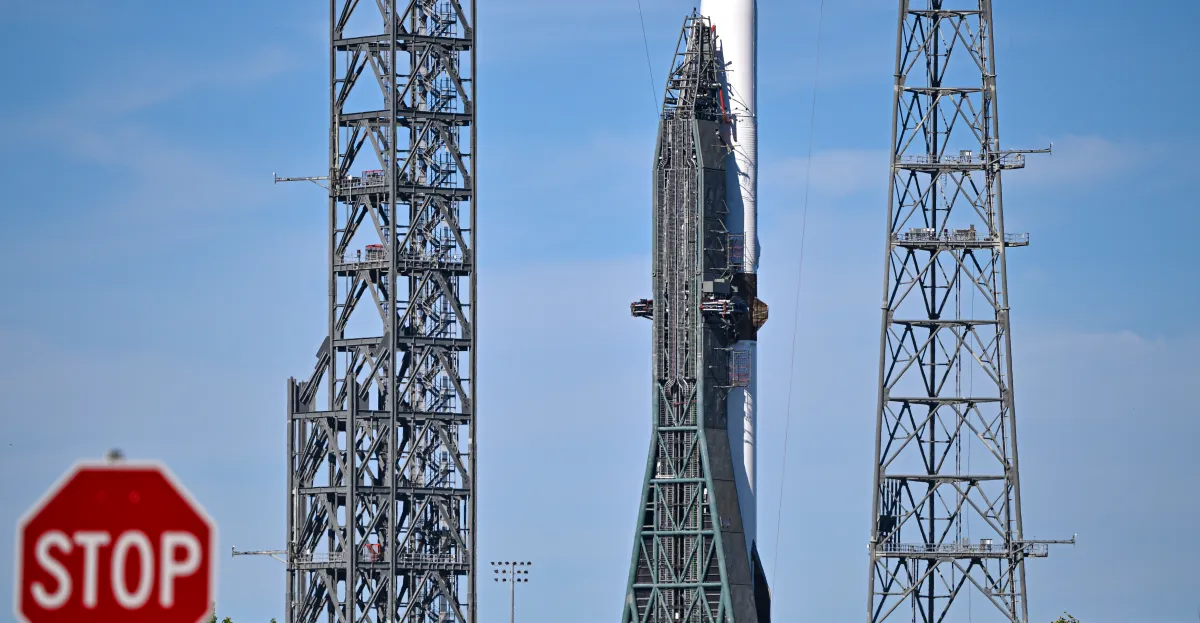
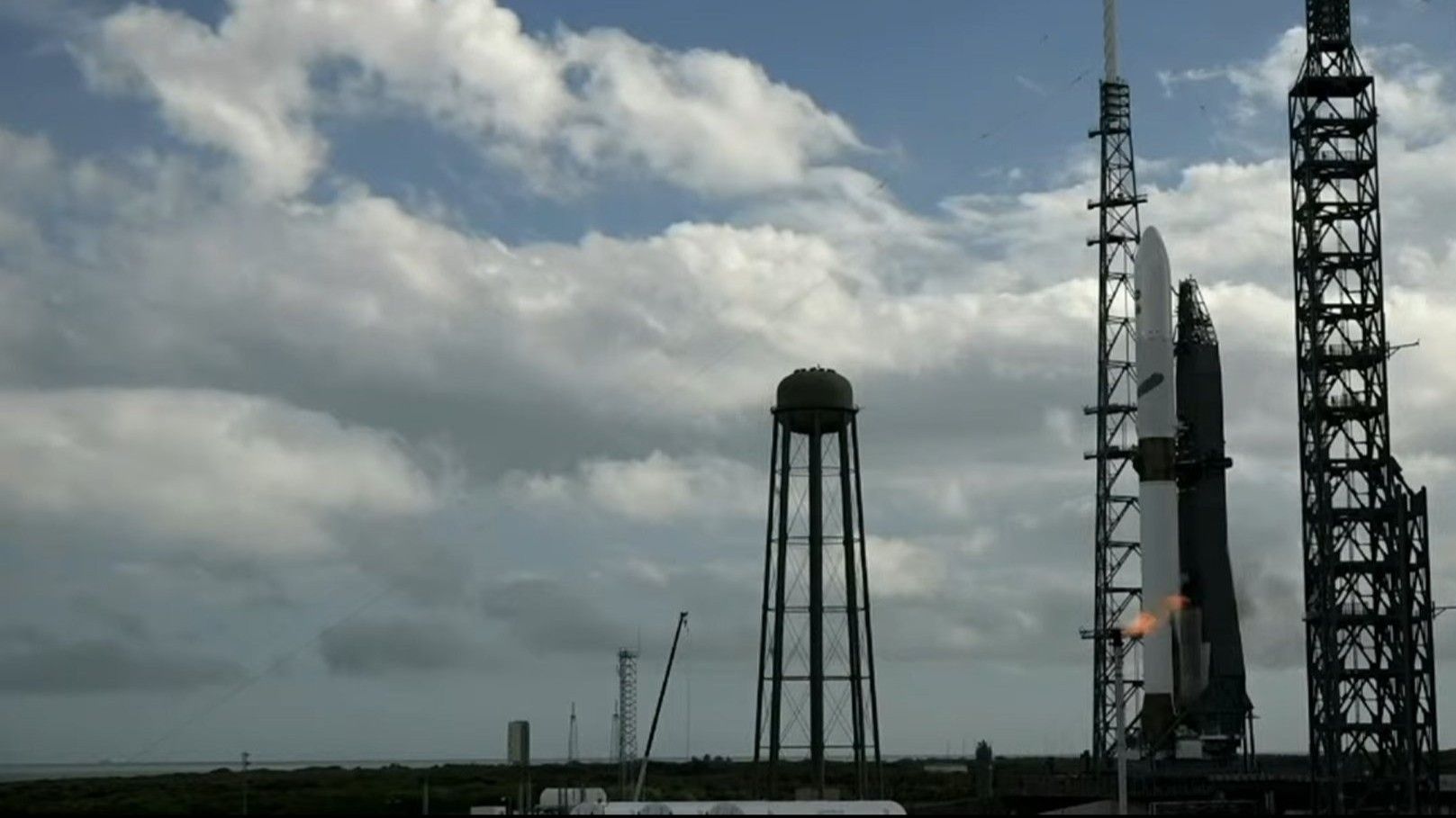
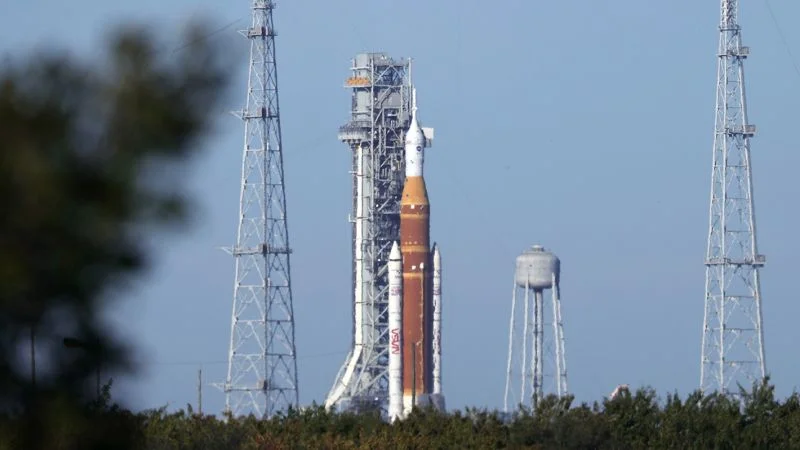
Blue Origin's second attempt to launch its New Glenn rocket was postponed due to weather, with a new window set for November 12. The launch aims to send NASA's ESCAPADE probes to Mars, marking a significant step in deep-space exploration and testing Blue Origin's reusable booster technology. The company worked with the FAA to schedule the launch amid regulatory adjustments during a government shutdown.
Blue Origin's New Glenn rocket launch carrying NASA's Mars ESCAPADE probes was postponed due to weather and upcoming FAA restrictions during the government shutdown, with efforts underway to secure an exemption for a future launch attempt.
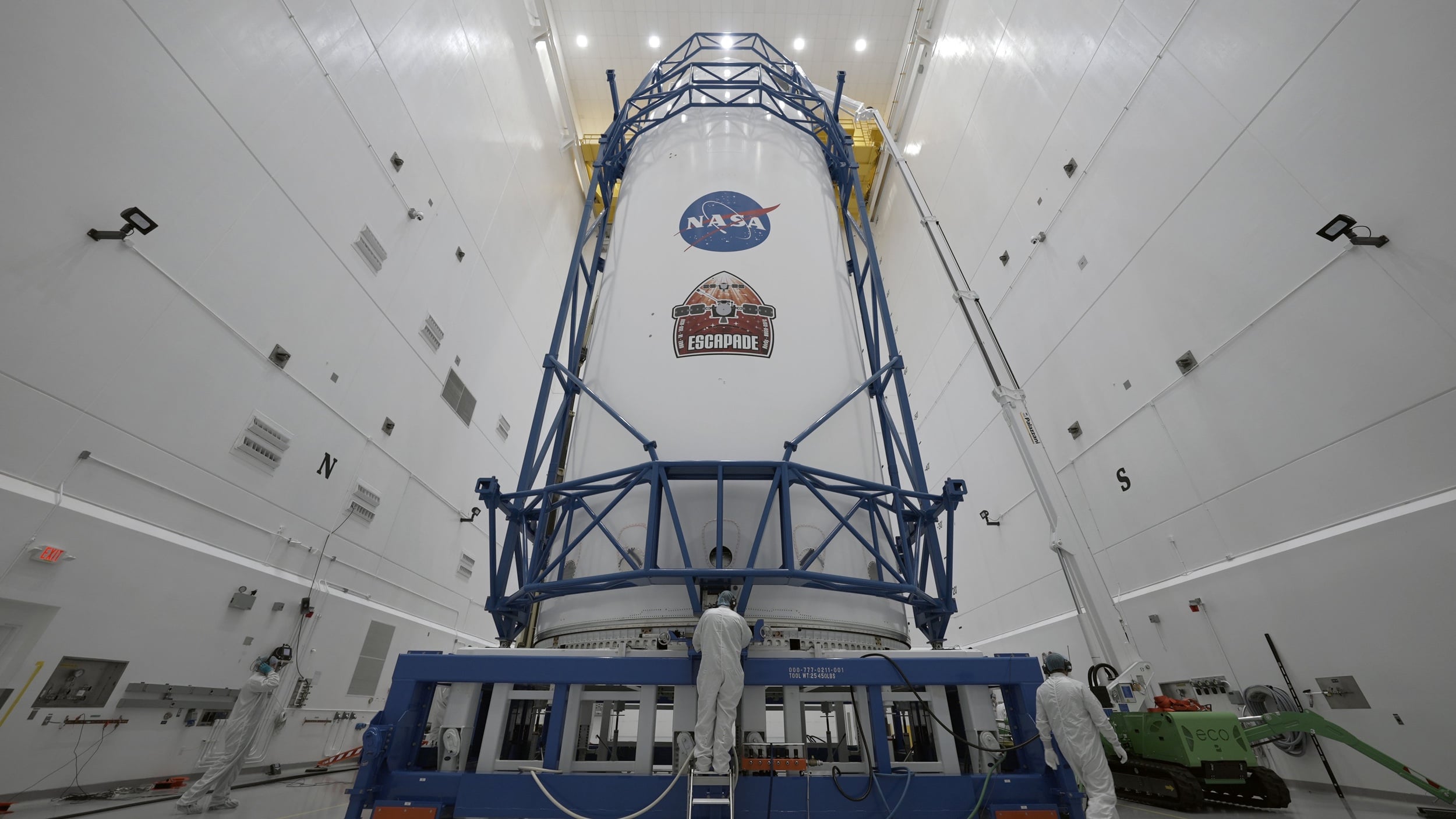
Blue Origin's second New Glenn rocket launch is scheduled for Nov. 9 from Cape Canaveral, carrying NASA's ESCAPADE mission to study solar wind interactions with Mars. This mission will follow a novel trajectory allowing launch at any time, not just during traditional Mars windows, and aims to advance future Mars exploration capabilities. The launch also includes a Viasat data relay test, marking the first operational payload for New Glenn, with a focus on successful booster recovery.
A new report suggests that Apple's upcoming foldable iPhone, possibly called iPhone Fold or iPhone Ultra, will feature smaller outer and inner screens than previously expected, with outer display at 5.38 inches and inner at 7.58 inches. Supply constraints and design finalization issues could delay its launch from 2026 to 2027, but more details are expected before the end of 2025.
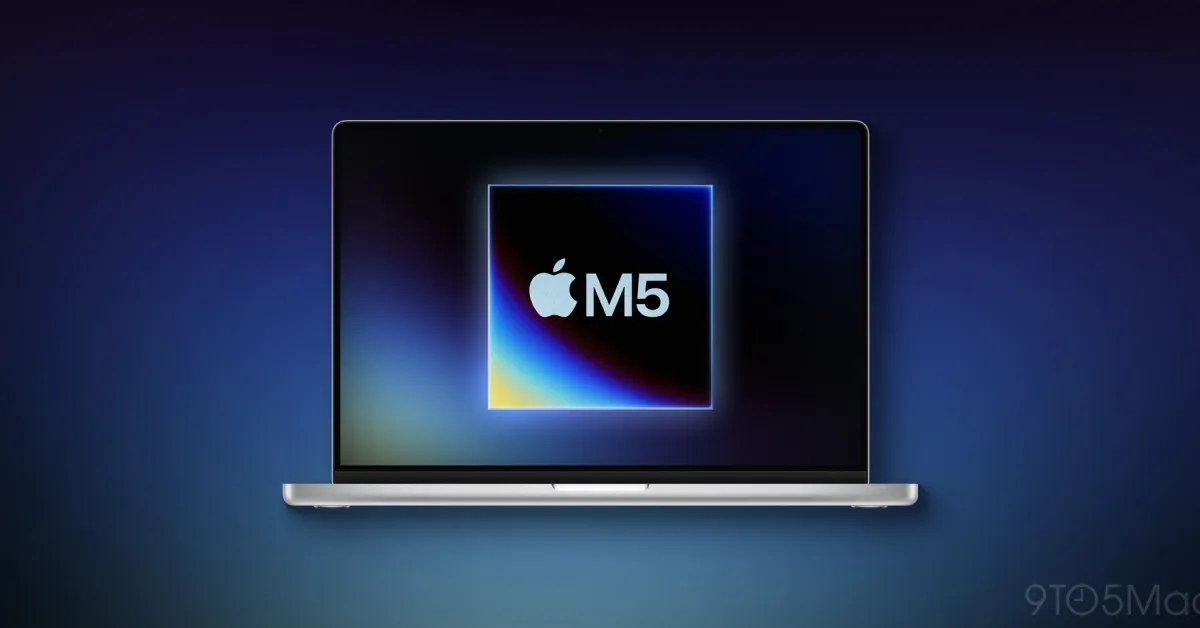
The base M5 MacBook Pro is expected to launch soon, while higher-end M5 Pro and M5 Max models are delayed until early 2026, with the release timing split due to different testing and macOS versions.
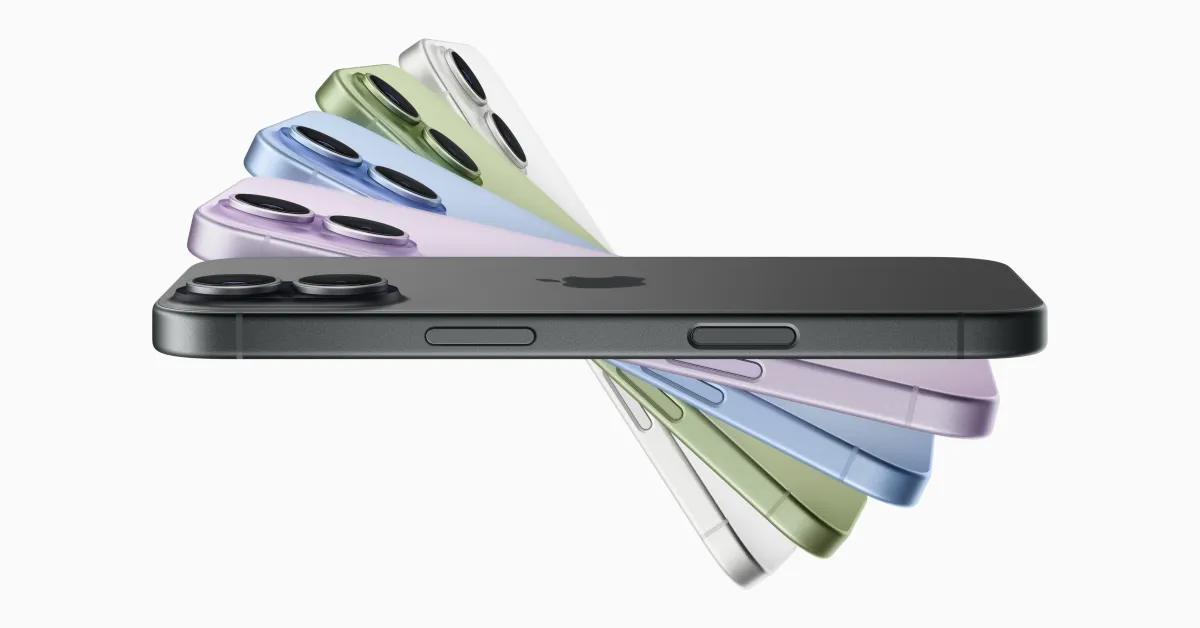
The iPhone 17 has seen strong preorder sales in China, especially for the base model, due to its improved features and value. Meanwhile, the launch of the iPhone Air is delayed pending regulatory approval, and Apple faces supply constraints in the US. Overall, the new iPhones are performing well, with official sales figures expected in October.
Apple has postponed the release of its new iPhone Air in mainland China due to regulatory approval issues, with pre-orders halted and a delay in availability, primarily because of the device's reliance on eSIM technology in a market still dependent on physical SIM cards. Other iPhone models launched as scheduled, and US pre-orders for some models experienced slight delays, indicating strong demand.
Apple has delayed the launch and preorders of the iPhone Air in China due to regulatory issues surrounding eSIM support, which is not yet widely available in the country. The delay is likely because the iPhone Air is eSIM-only, and Chinese carriers are still in the process of obtaining regulatory approval for eSIM services. Apple is working with authorities to resolve the issue and bring the device to China soon.
SpaceX conducted a static test fire of its Super Heavy booster in preparation for the 11th Starship flight, which is expected to occur soon, possibly by the end of the month or early next. The company has been working on improving the rocket's design since its first test in 2023, with recent successful tests and planned future launches, including testing the spacecraft's engines and attempting to land the booster back at the launch site for quicker turnaround. Meanwhile, a previous Starship launch was scrubbed due to ground system issues, with weather conditions currently favorable for the next scheduled test.
SpaceX has postponed its 10th Starship test flight twice due to weather conditions, specifically anvil clouds and lightning risk, with the next attempt scheduled for the following evening. The test aims to evaluate the Starship's capabilities for future lunar and Martian missions, despite previous setbacks in earlier flights.
SpaceX postponed its 10th Starship test launch due to poor weather conditions, specifically clouds, at Starbase, Texas, delaying a critical step towards Mars exploration and lunar missions for NASA.