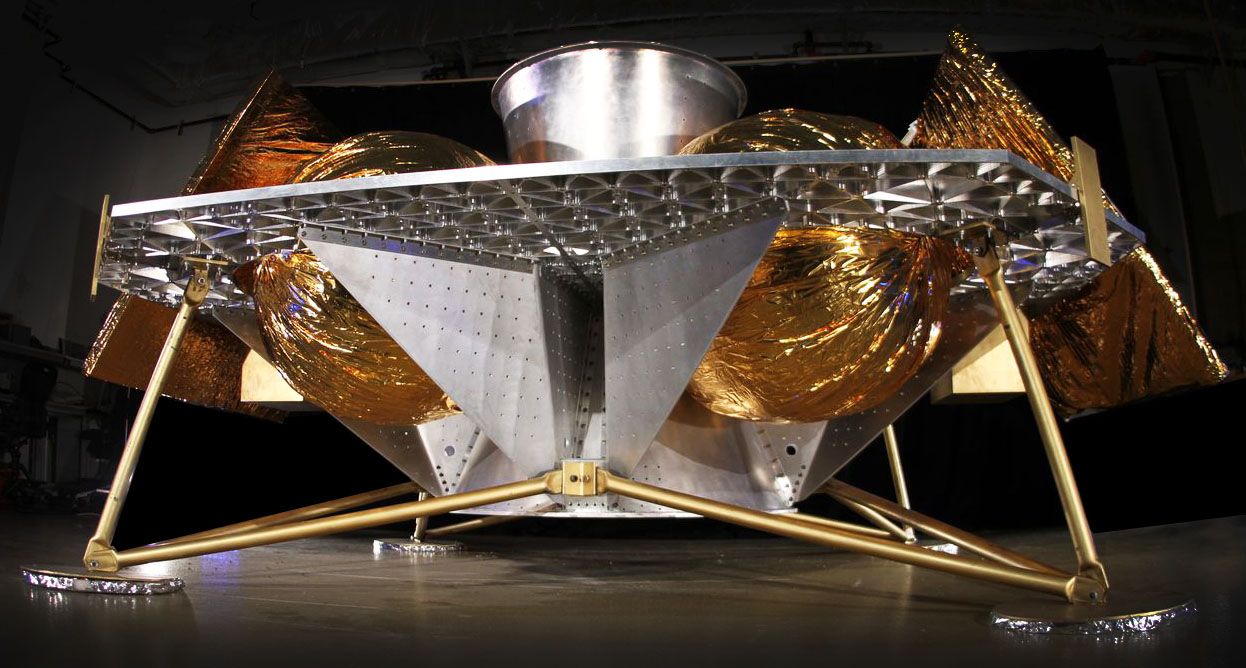
SpaceX's Falcon Heavy moon mission with Astrobotic's Griffin lander has been delayed to no earlier than July 2026, due to ongoing payload integration and testing, marking a setback for NASA's lunar exploration efforts under the CLPS program.
NASA has contracted SpaceX to launch the Dragonfly mission to Saturn's moon Titan using a Falcon Heavy rocket in 2028, with an expected arrival in 2034. Dragonfly, an octocopter, will explore Titan's surface, particularly the Selk impact structure, to study its chemistry and potential prebiotic conditions. The mission aims to enhance understanding of Titan's organic-rich environment, leveraging its dense atmosphere and weak gravity for powered flight. The launch contract is valued at $256 million.
NASA has selected SpaceX's Falcon Heavy rocket to launch the Dragonfly mission to Saturn's moon Titan in July 2028. The $3.35 billion mission aims to explore Titan's potential to support life, focusing on its hydrocarbon lakes and organic compounds. Dragonfly, a nuclear-powered rotorcraft, will operate for 2.5 years on Titan, investigating its habitability and prebiotic chemistry. The mission has faced delays and cost increases but remains on track for its 2028 launch.
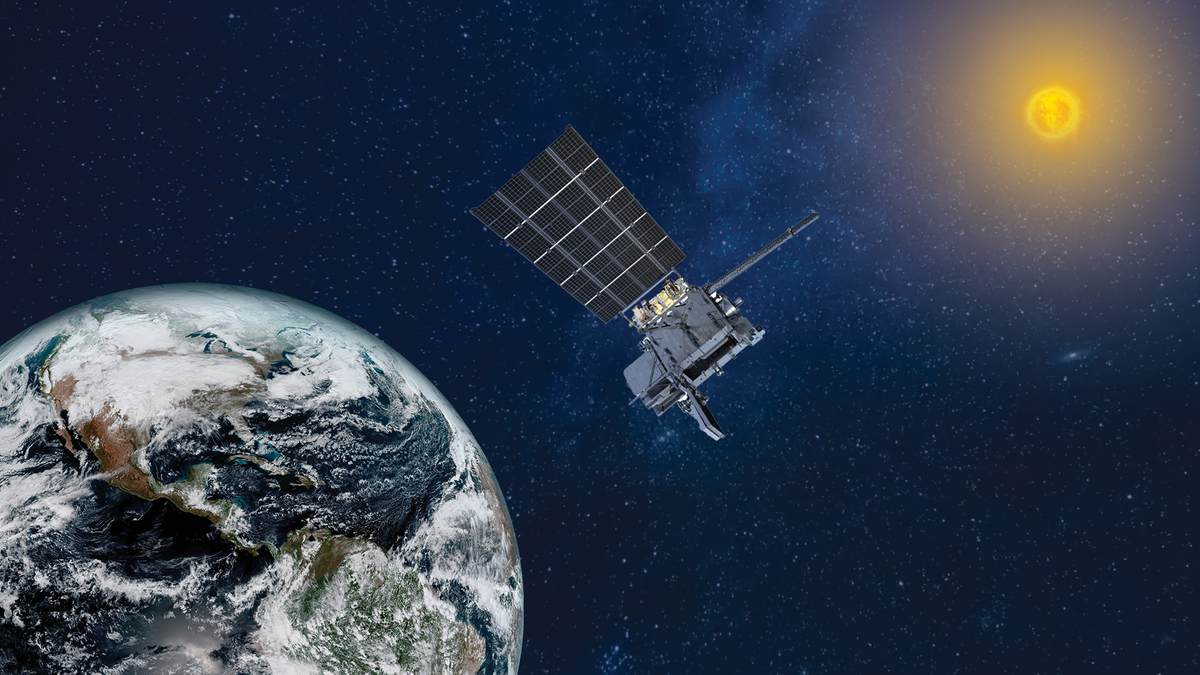
NOAA's GOES-U weather satellite is set to launch on June 25 aboard a SpaceX Falcon Heavy rocket from NASA's Kennedy Space Center. This fourth satellite in the GOES-R series will feature advanced instruments for improved weather forecasting and space weather monitoring, including a new compact coronagraph for better solar observations. The satellite will undergo final preparations and testing before its launch, and once operational, it will enhance weather monitoring capabilities across the Western Hemisphere.
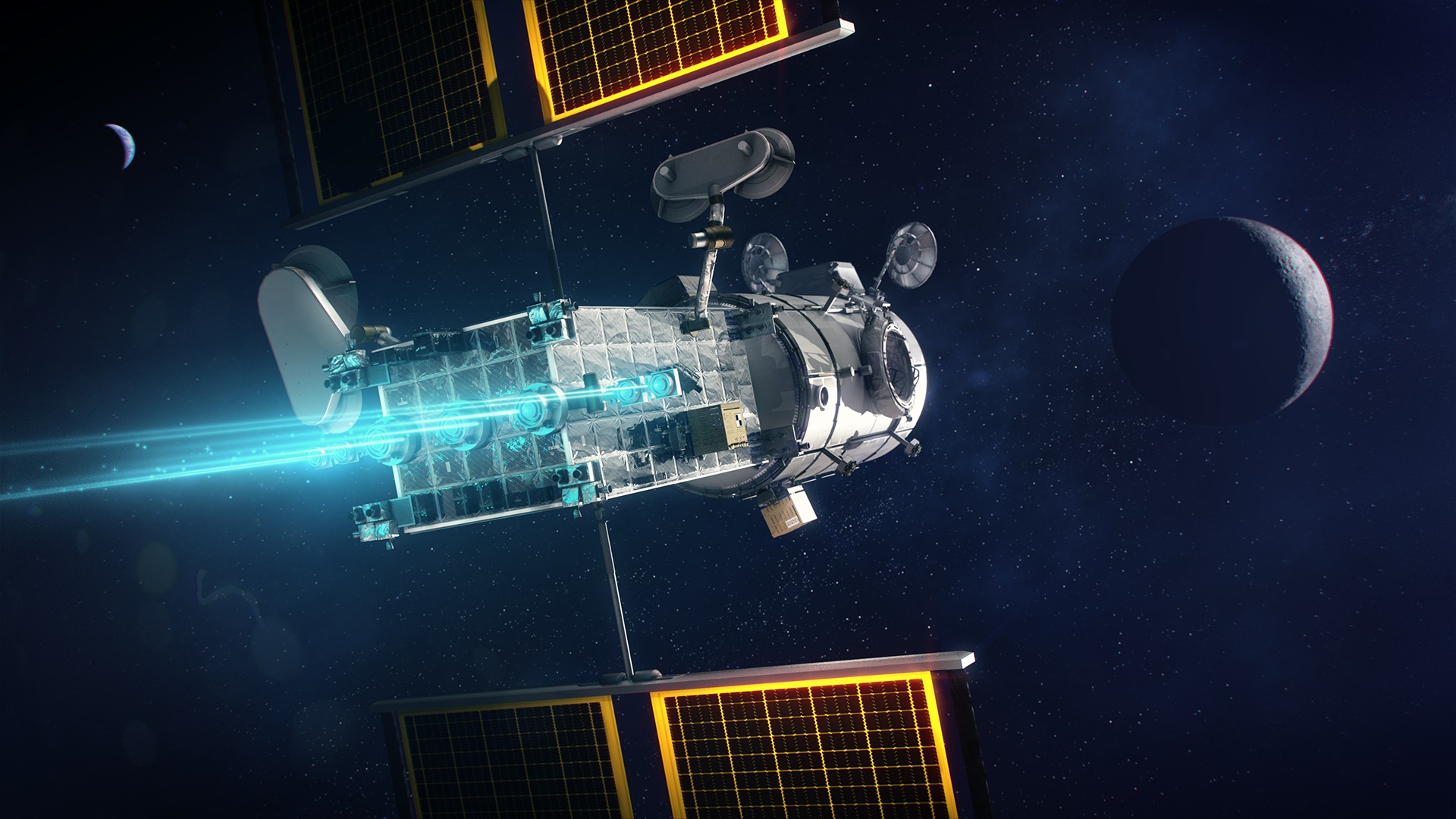
NASA's initial Gateway elements, the Power and Propulsion Element (PPE) and Habitation and Logistics Module (HALO), are preparing for systems installations as the agency reviews progress to set a new launch date. Originally scheduled for September 2025, the launch has been delayed, with a conservative estimate now set for December 2027. The Gateway will serve as a lunar space station for Artemis missions, with the PPE and HALO launching together on a Falcon Heavy rocket.
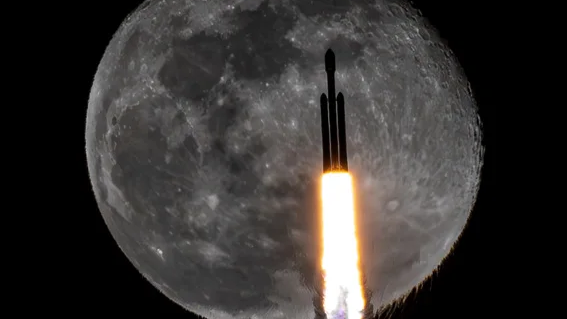
Photographer Pascal Fouquet captured an award-winning photo of a SpaceX Falcon Heavy rocket transiting the full moon during the launch of the USSF-52 mission, earning first place in the United States' National Award for the Sony World Photography Awards 2024. Fouquet's skillful shot, taken with a Nikon D850, required precise timing and exposure settings to capture the rocket passing in front of the moon. The photo was taken just before the new year when SpaceX launched the United States Space Force X-37B spaceplane from NASA's Kennedy Space Center. The winning image can be viewed on the World Photography Organization's website.
SpaceX experienced delays and scrubs for its USSF-52 and Starlink 6-34 missions, making its goal of 100 launches this year unobtainable. However, the company has still achieved a record number of launches, with 98 Falcon missions completed so far. China launched two secretive spaceplanes, the CSSHQ and Chang Zheng 5, within 24 hours of each other. Rocket Lab successfully launched its Electron rocket carrying the "The Moon God Awakens" mission, while Blue Origin's New Shepard returned to flight after a 15-month hiatus. Other upcoming launches include Firefly's Alpha mission, Russia's Soyuz and PSLV-DL missions, and SpaceX's Falcon Heavy and Falcon 9 missions.
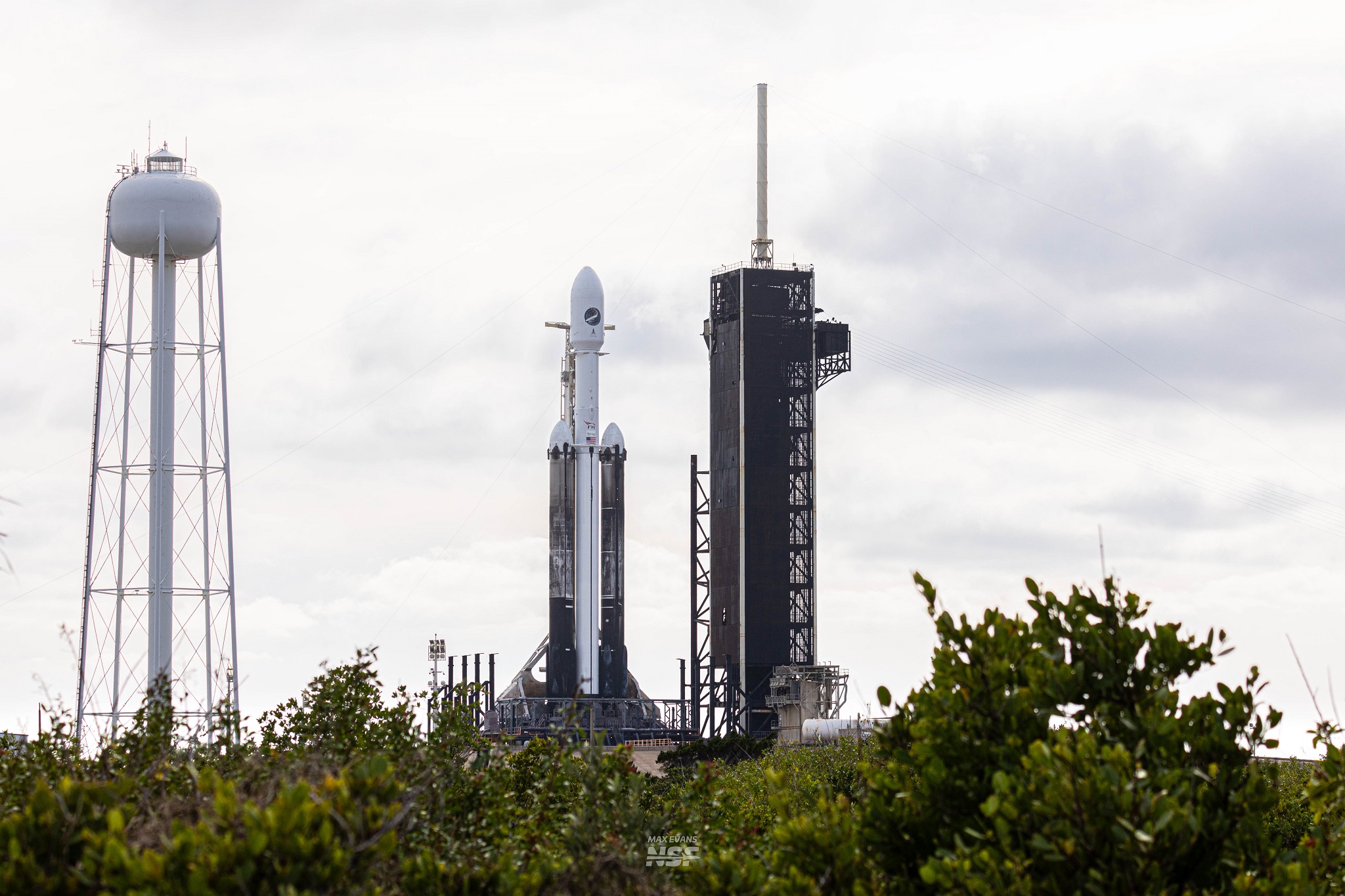
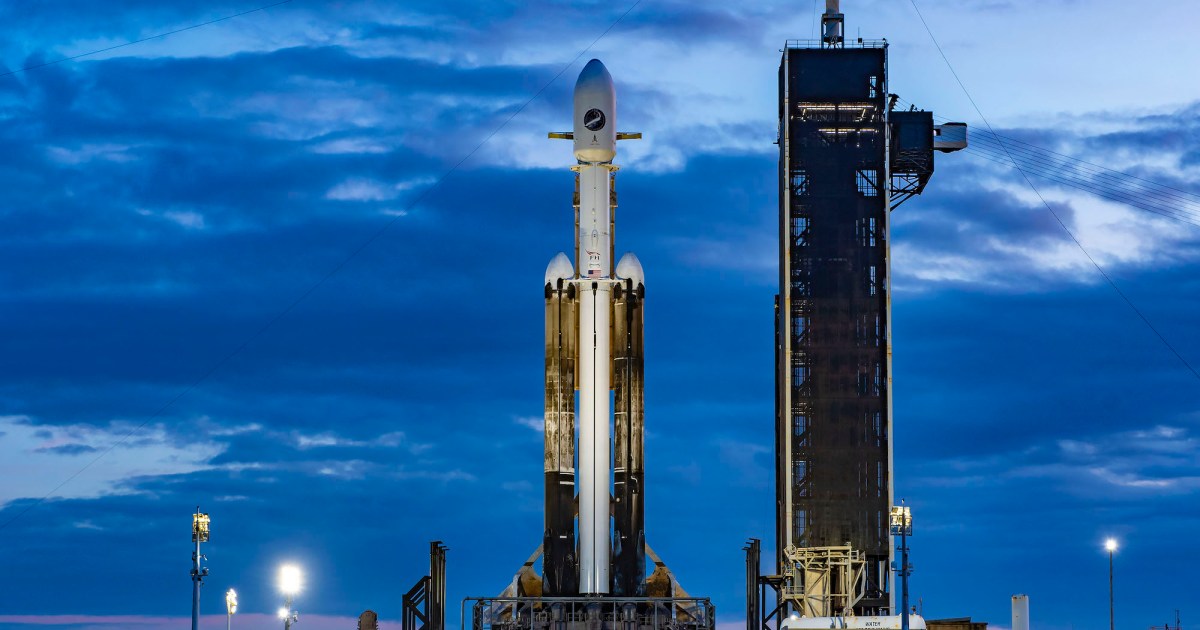
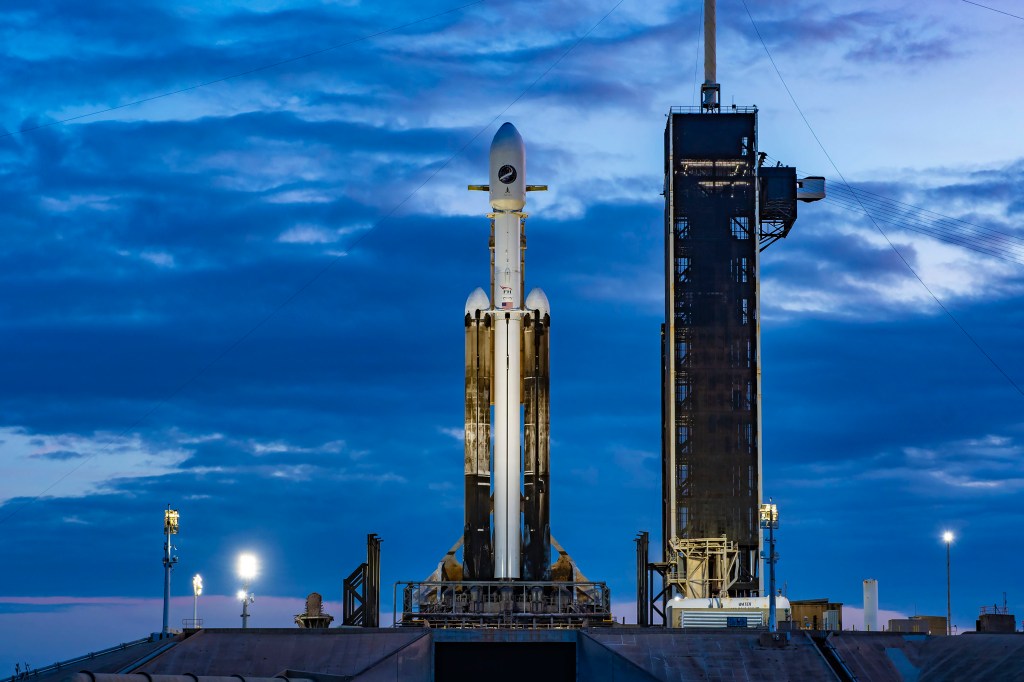
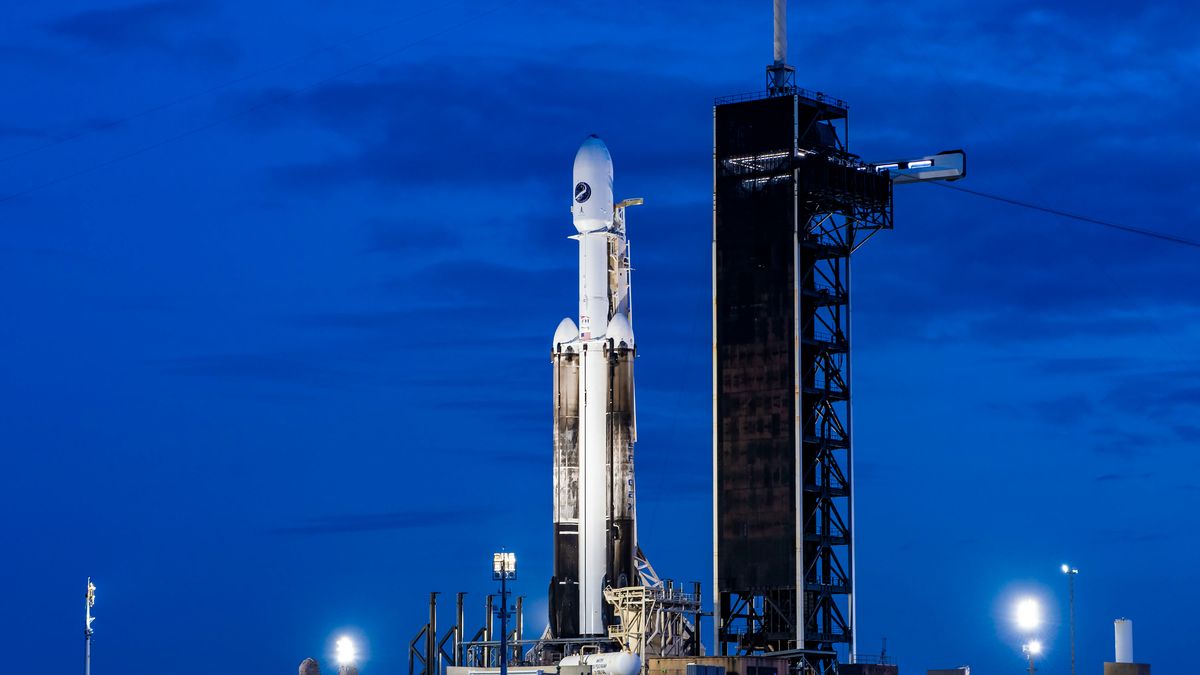
SpaceX has announced a new target launch date for its Falcon Heavy rocket, which will carry an experimental space plane for the U.S. Space Force. The launch is now scheduled for no earlier than Thursday, December 28. The Falcon Heavy will deploy the Space Force's X-37B space plane on its seventh mission, conducting various tests while in orbit. The rocket has faced delays due to poor weather conditions and a ground issue, but there have been no problems reported with the rocket itself.
SpaceX's plans for multiple launches this week have been plagued by delays due to unfavorable weather and technical issues. The Falcon Heavy launch, carrying the Air Force's X-37B spaceplane, has been delayed indefinitely, with a new launch date set for no earlier than December 28. The Starlink mission from Florida has also been delayed multiple times and is now scheduled for Sunday, with a 35% chance of happening. The California Starlink mission has been pushed back to December 28 as well. The crowded launch schedule in January may require some missions to be moved to different launch pads.
SpaceX has delayed the launch of its Falcon Heavy rocket to no earlier than December 28 due to a "ground side issue" and bad weather conditions. The rocket will carry Boeing's X-37B Orbital Test Vehicle for the USSF-52 mission. Meanwhile, United Launch Alliance has postponed the launch of its Vulcan Centaur rocket until the new year after delays during a wet dress rehearsal. The rocket's main payload is Astrobotic Technology's Peregrine lunar lander. The Space Coast is expected to see a busy launch window in early January, including the first crewed launch of the year and another NASA CLPS mission.
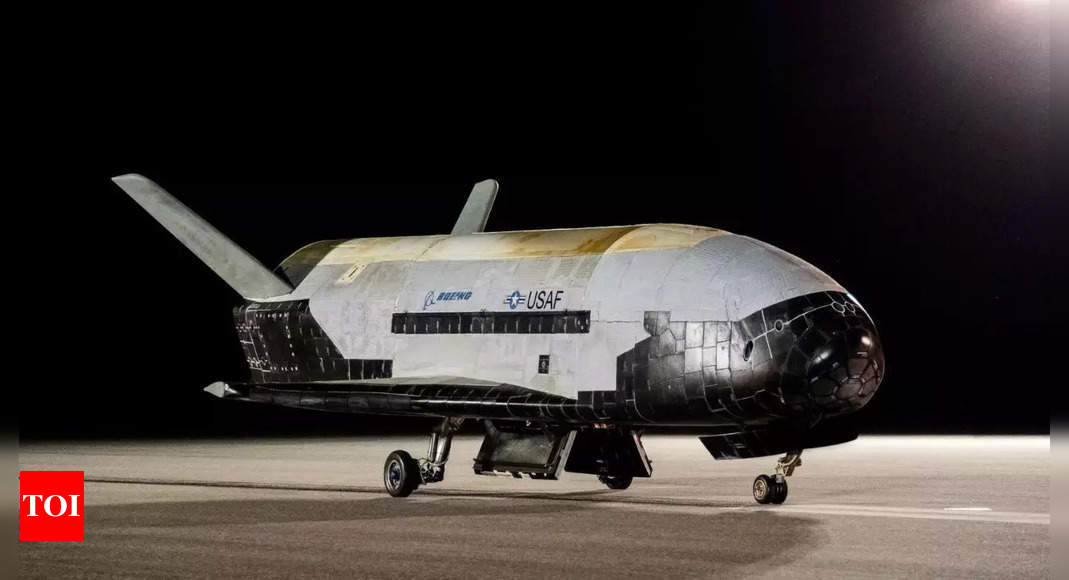
SpaceX is scheduled to launch the US military's X-37B spaceplane on its seventh mission using the Falcon Heavy rocket on December 28. The mission, which serves as an orbital testbed for new space technology, has classified details about its duration and payloads. Previous X-37B missions have progressively extended in duration, with the most recent one lasting 908 days.
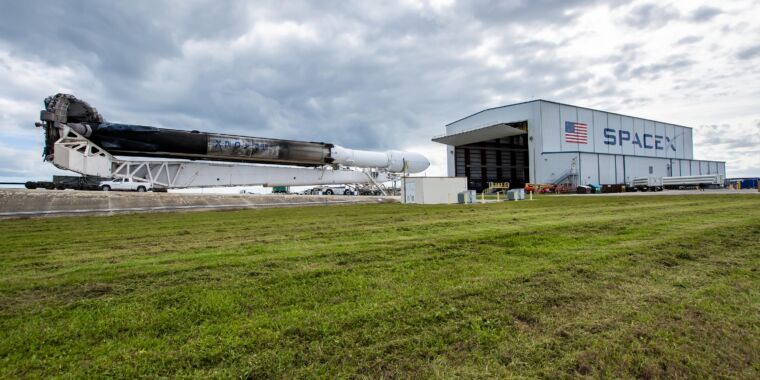
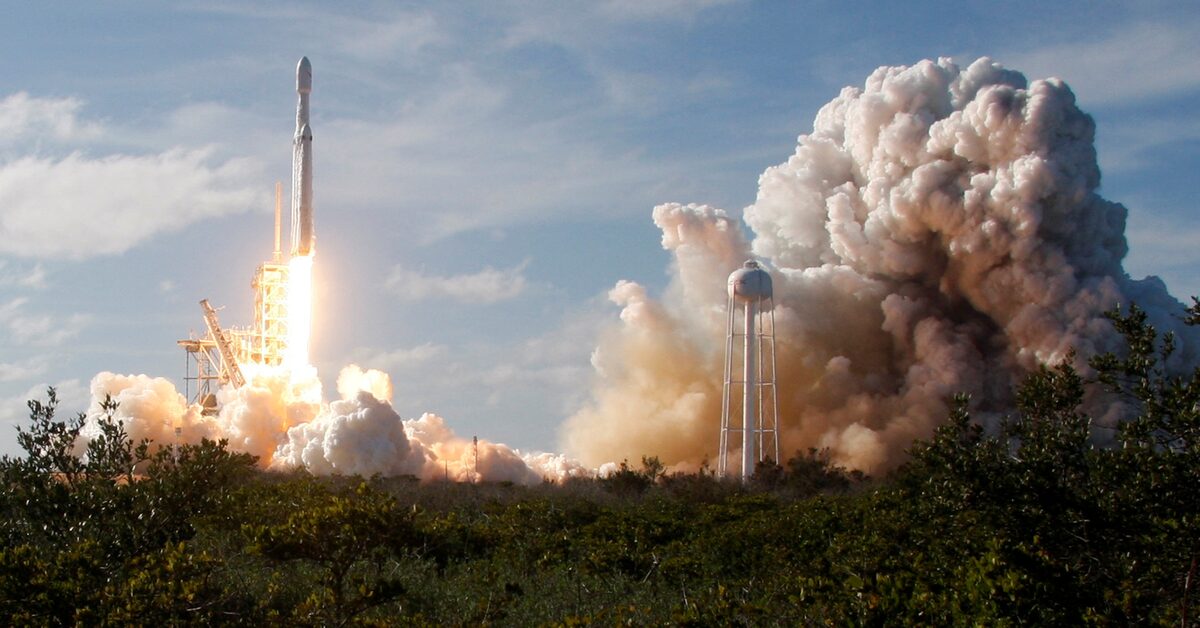
SpaceX is targeting December 28 for the launch of the U.S. Space Force's X-37B space plane atop a Falcon Heavy rocket from NASA's Kennedy Space Center. Originally scheduled for December 11, the launch was delayed due to an issue with ground equipment. The X-37B is primarily an orbital testbed for new space technology, and the details of its missions, including payload information, are classified. The Falcon Heavy, the second-most powerful rocket currently in operation, has launched eight times to date, with the most recent launch in October 2023.
SpaceX is targeting December 28 for the launch of the U.S. military's secretive X-37B spaceplane on its seventh mission to orbit. The original launch plan was postponed due to poor weather conditions at Cape Canaveral, Florida.
The launch of the military's X-37B spaceplane, scheduled to be carried out by SpaceX's Falcon Heavy rocket, has been delayed due to technical glitches and ground system problems. The launch, originally planned for this week, is now expected to take place in late December or early next year. The delay could potentially impact other SpaceX missions, including the launch of the first commercial Moon lander and a commercial lunar lander test flight, both scheduled for January. The availability of launch pads and the need to balance schedules pose challenges for SpaceX in accommodating multiple missions.
SpaceX has postponed the launch of the US military's secretive X-37B spaceplane on its seventh mission due to the need for additional system checkouts. The launch, originally scheduled for Wednesday, was delayed after poor weather conditions at the Cape forced a scrubbed attempt on Sunday. A new launch date has not been confirmed.