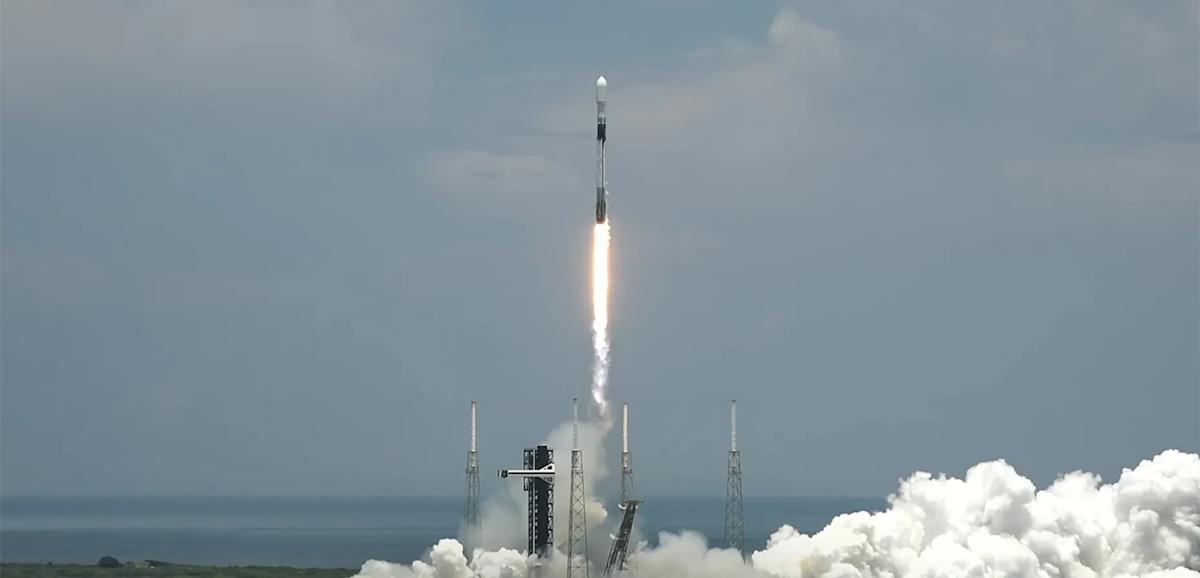
SpaceX successfully launched 24 Amazon Kuiper broadband satellites from Cape Canaveral after weather-related delays, using a reused Falcon 9 booster, bringing the total Kuiper constellation to 153 satellites in low Earth orbit.
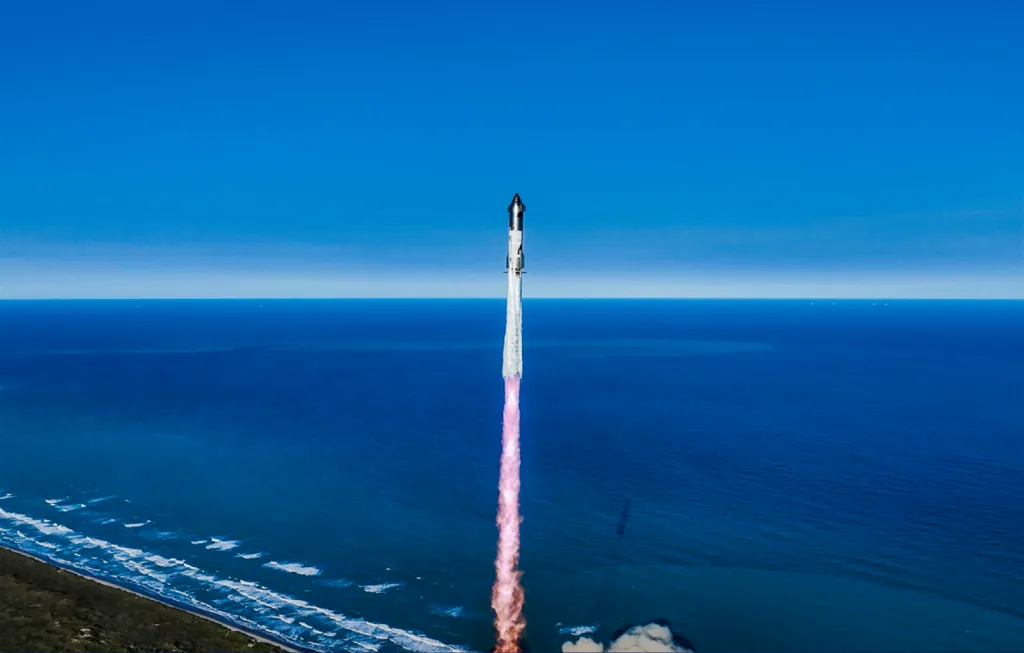
SpaceX's plan to launch its powerful Starship from Florida could cause significant disruptions including flight delays, beach closures, and sonic booms, affecting local communities, airports, and tourism, with up to 120 launches annually and potential environmental and community impacts under review.
SpaceX has become the primary provider for U.S. national security launches due to delays and issues faced by ULA's Vulcan rocket, including recent successful GPS satellite launches and ULA's ongoing certification problems, leading to a shift in government contracts and increased reliance on SpaceX's Falcon 9.
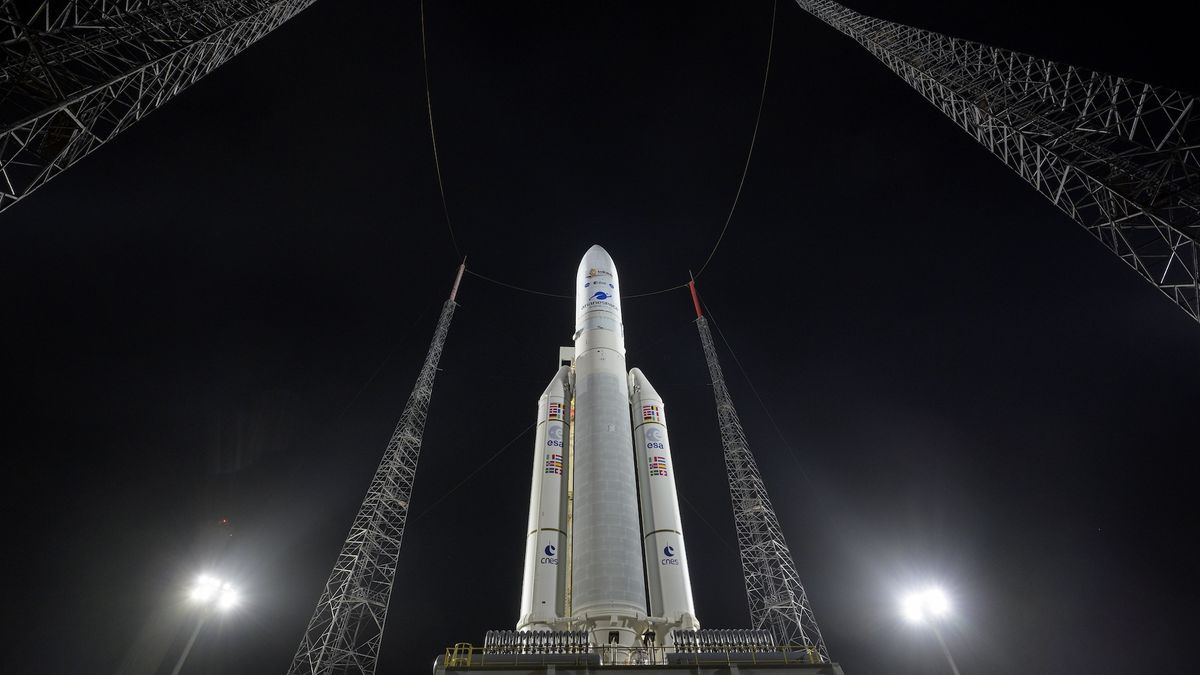
The James Webb Space Telescope (JWST) faced numerous challenges before its successful launch, including budget overruns, technical errors, and delays exacerbated by the COVID-19 pandemic. Initially capped at $8 billion, the project required additional funding due to "stupid mistakes" like miswirings and inappropriate solvent use. Despite these setbacks, the telescope was finally launched on December 25, 2021, overcoming significant hurdles and "unknown unknowns" to reach its operational phase.
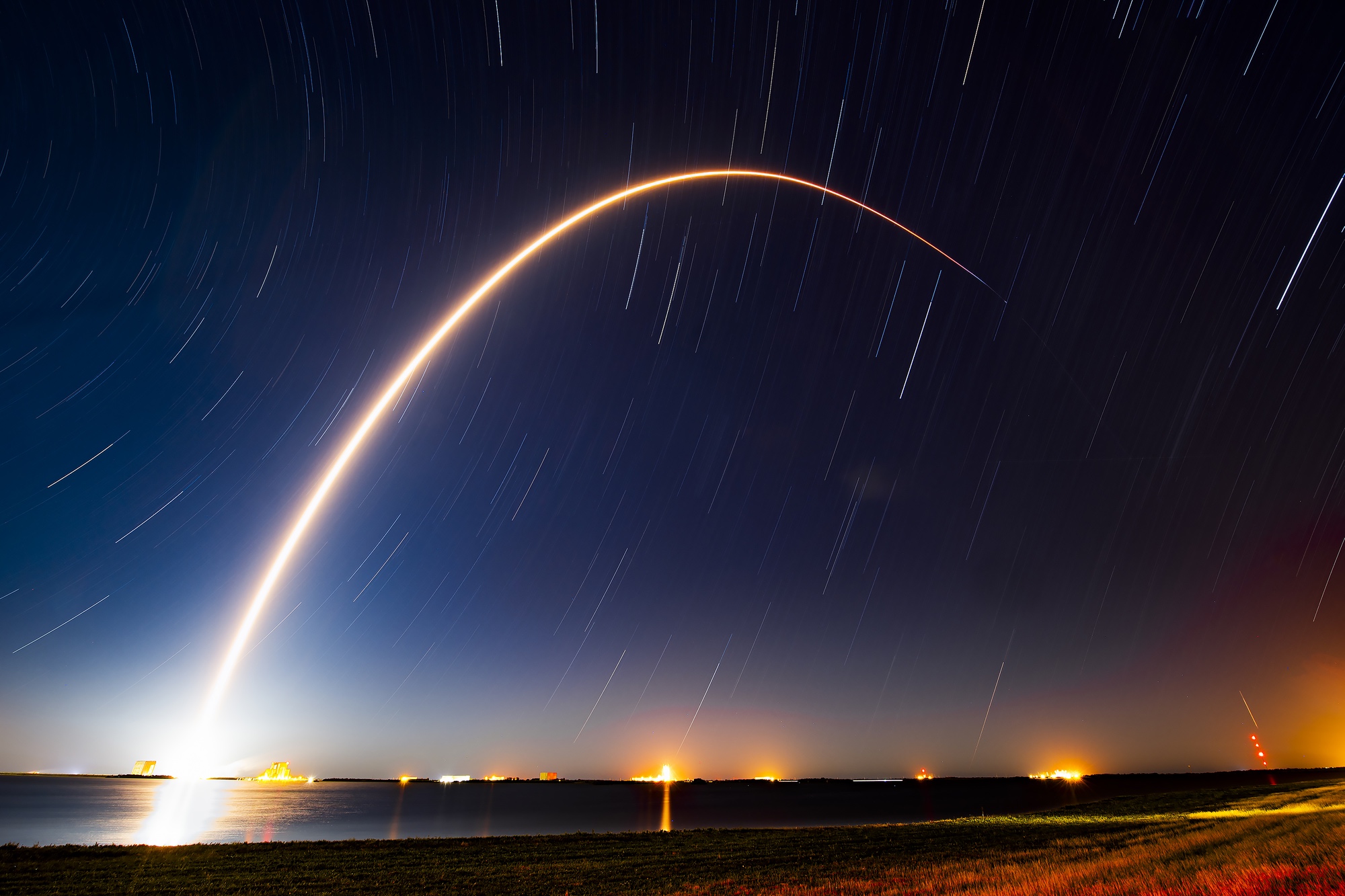
SpaceX is likely to fall just short of its goal of 100 Falcon launches in 2023 due to an 11-day gap in launches caused by poor weather conditions and technical issues. The company has conducted 92 launches so far this year, including 88 Falcon 9 and 4 Falcon Heavy launches. Despite missing the goal, SpaceX's launch cadence has significantly increased compared to previous years and its competitors. SpaceX accounts for nearly half of the orbital launch attempts in 2023 and plans to further increase its launch cadence in 2024.
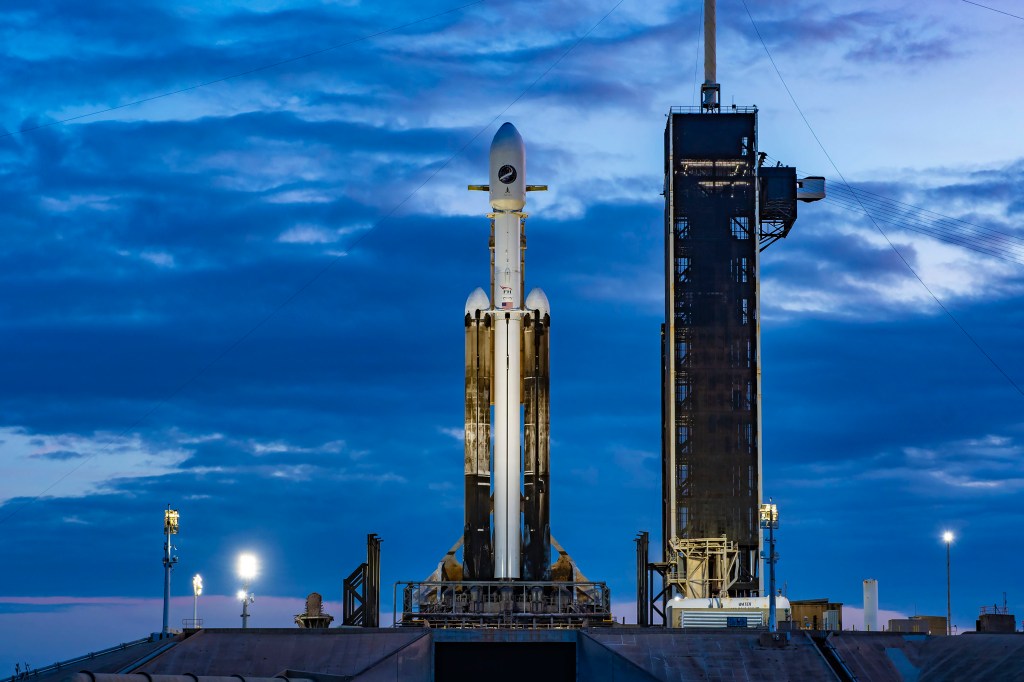
SpaceX's plans for multiple launches this week have been plagued by delays due to unfavorable weather and technical issues. The Falcon Heavy launch, carrying the Air Force's X-37B spaceplane, has been delayed indefinitely, with a new launch date set for no earlier than December 28. The Starlink mission from Florida has also been delayed multiple times and is now scheduled for Sunday, with a 35% chance of happening. The California Starlink mission has been pushed back to December 28 as well. The crowded launch schedule in January may require some missions to be moved to different launch pads.
SpaceX has delayed the launch of its Falcon Heavy rocket to no earlier than December 28 due to a "ground side issue" and bad weather conditions. The rocket will carry Boeing's X-37B Orbital Test Vehicle for the USSF-52 mission. Meanwhile, United Launch Alliance has postponed the launch of its Vulcan Centaur rocket until the new year after delays during a wet dress rehearsal. The rocket's main payload is Astrobotic Technology's Peregrine lunar lander. The Space Coast is expected to see a busy launch window in early January, including the first crewed launch of the year and another NASA CLPS mission.
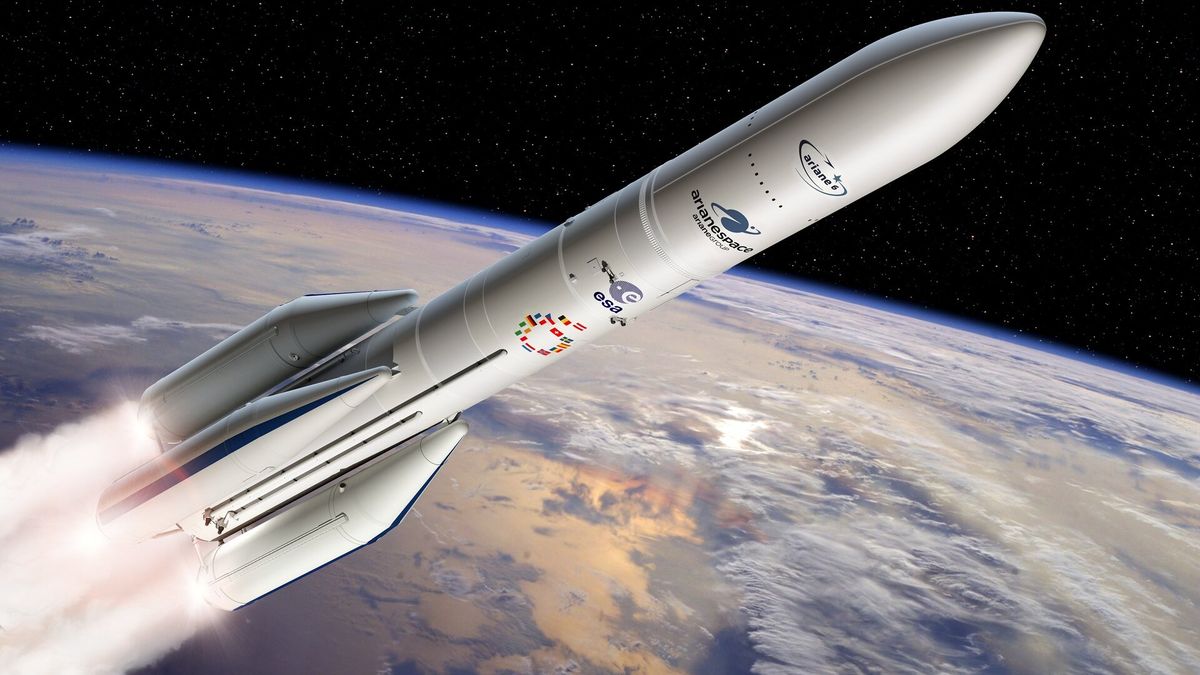
Europe's Ariane 6 rocket, the successor to the retired Ariane 5, is facing delays in its development, potentially pushing its first flight into 2024 or beyond. Arianespace's CEO stated that a launch date for Ariane 6 will be set in September, while the European Space Agency maintains a late 2023 target. The rocket aims to compete with SpaceX's success but lacks reusability. As delays persist, the European Commission is considering launching Galileo satellites using US providers like SpaceX or United Launch Alliance's Vulcan Centaur. Ariane 6 has attracted contracts from companies like Amazon, but its estimated development cost has nearly doubled to 4 billion euros ($4.15 billion).