Scientists trained bumblebees to distinguish between different durations of light patterns, similar to Morse code, demonstrating their ability to process temporal information and make decisions based solely on visual cues, revealing complex cognitive abilities in insects.
Researchers from Cambridge and Meta Reality Labs found that the human eye has a resolution limit around 94 pixels per degree for grayscale images, and lower for color images, suggesting that ultra-HD TVs beyond a certain resolution (like 4K or 8K) may not provide noticeable benefits in typical home viewing conditions.
An optical illusion challenges viewers to find a hidden polar bear in a snowy Arctic scene within 15 seconds, highlighting how our brains process visual cues and the fun of perception puzzles.
Scientists discovered specialized IC-encoder neurons in the brain that actively construct visual illusions by filling in missing contours, revealing that perception is an active, top-down process with implications for understanding perception disorders like schizophrenia.
Researchers have discovered that the human retina actively synchronizes visual signals before they reach the brain by adjusting nerve fiber diameters and conduction speeds, ensuring a unified and precise visual experience. This process begins in the retina itself, challenging previous assumptions that synchronization occurs only in the brain.
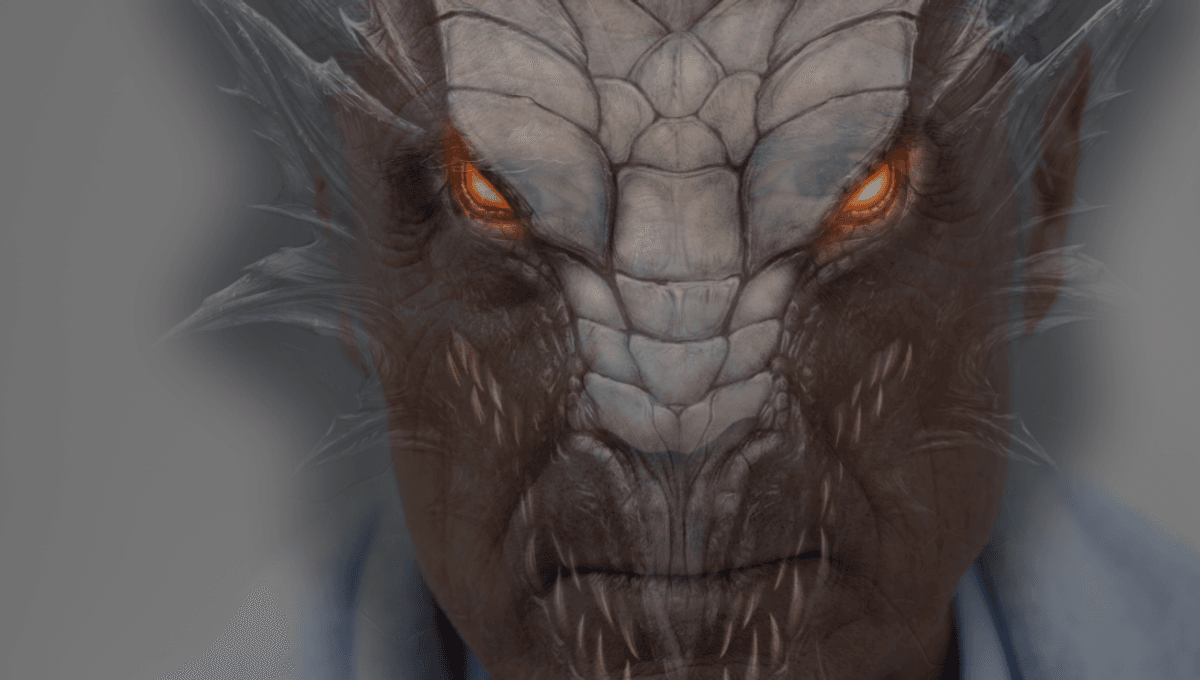
Prosopometamorphopsia, also known as 'Demon Face Syndrome,' is a rare neurological disorder where individuals see faces as distorted or transformed into other images, such as dragons or zombies, often caused by brain damage affecting visual processing. The condition is extremely rare, with only around 75 reported cases, and can significantly impact perception and quality of life.
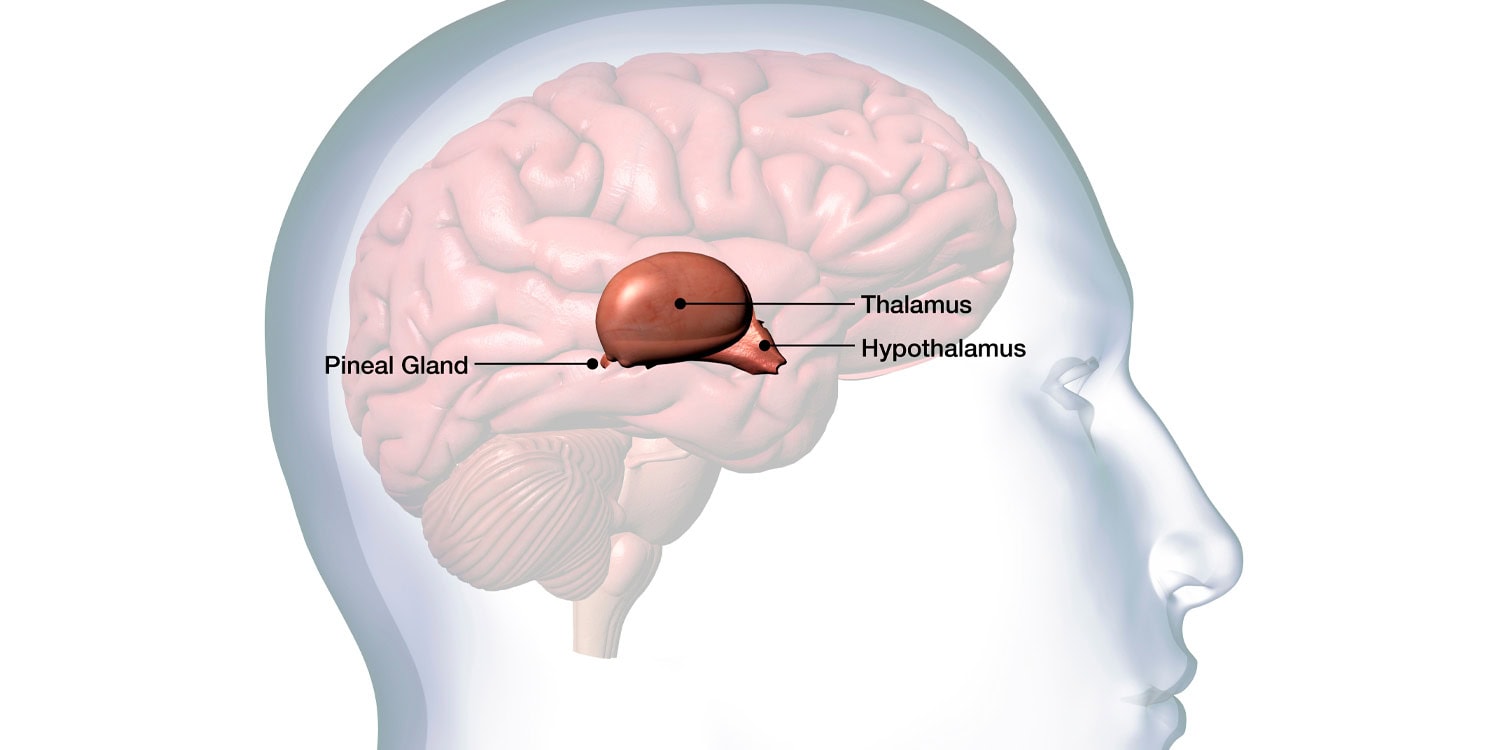
A study published in Science reveals that the thalamus, particularly its intralaminar and medial nuclei, actively initiates conscious visual perception by influencing the prefrontal cortex, challenging the traditional view of the thalamus as merely a sensory relay. Using deep brain recordings from patients, researchers found early and strong activity in these thalamic regions during moments of awareness, suggesting they serve as a gateway for consciousness. The findings highlight the thalamus's active role in shaping conscious experience, although the study's small sample size and clinical context limit generalization.
The article discusses how two neuroscientists view optical illusions, highlighting a winning illusion from the 2021 Best Illusion of the Year contest that demonstrates the limits of human perception through a video where objects appear to change or disappear, illustrating the fascinating ways our brains interpret visual information.
Scientists have discovered that the human brain doesn't see exactly what is in front of us but instead predicts what will happen next based on expectations and memory, using less visual processing when predictions are accurate. This finding highlights the brain's efficiency and the role of memory in perception.
A study by the University of Münster reveals that the brain's mechanism for stabilizing vision during rapid eye movements fails with non-rigid motions like rotating vortices, leading to visual instability. This challenges existing models of visual processing, showing that smooth and rapid eye movements are processed through different neural pathways. These findings could enhance research into cognitive and neurodegenerative disorders by providing insights into visual compensation mechanisms.
The OpenScope program by the Allen Institute is launching four new projects to study neural activity in mice, focusing on psilocybin's effects, motion perception, visual texture recognition, and subtle changes in appearance. Using advanced imaging techniques, the research aims to enhance understanding of brain functions and disorders, with all data made globally accessible.
Pareidolia is a phenomenon where people see familiar faces or shapes in random objects, driven by the brain's tendency to recognize patterns. This article showcases 117 amusing examples of pareidolia, from everyday items to famous instances like NASA's Mars face and artistic uses by Leonardo da Vinci. The phenomenon has historical roots and even sparked high-value auctions for items resembling famous figures.
A new study published in Psychophysiology reveals that moderate alcohol consumption does not significantly impair the brain's ability to detect visual symmetry, despite affecting early stages of visual processing. Researchers found that while alcohol slightly reduced the brain's response to symmetry in some tasks, the overall perception of symmetry remained robust. The study highlights the importance of replicating unexpected results and suggests that individual differences in alcohol consumption habits can influence visual processing.
A Yale study found that the brain is more likely to remember images that are difficult to interpret, using a computational model to show that scenes hard to reconstruct are more memorable. This insight could help develop more efficient AI memory systems.
A study from the University of Rochester reveals that blinking plays a critical role in visual perception by reshaping how visual information is processed, contrary to the common belief that it only helps keep the eyes moist. The research indicates that blinks are an active part of how we see, enhancing our ability to perceive the overall 'big picture' by modulating visual input to the retina and creating different luminance signals that aid in processing visual scenes. This challenges the traditional view of visual perception as a mostly passive process and suggests that vision, like other senses, involves a combination of sensory input and motor activity.