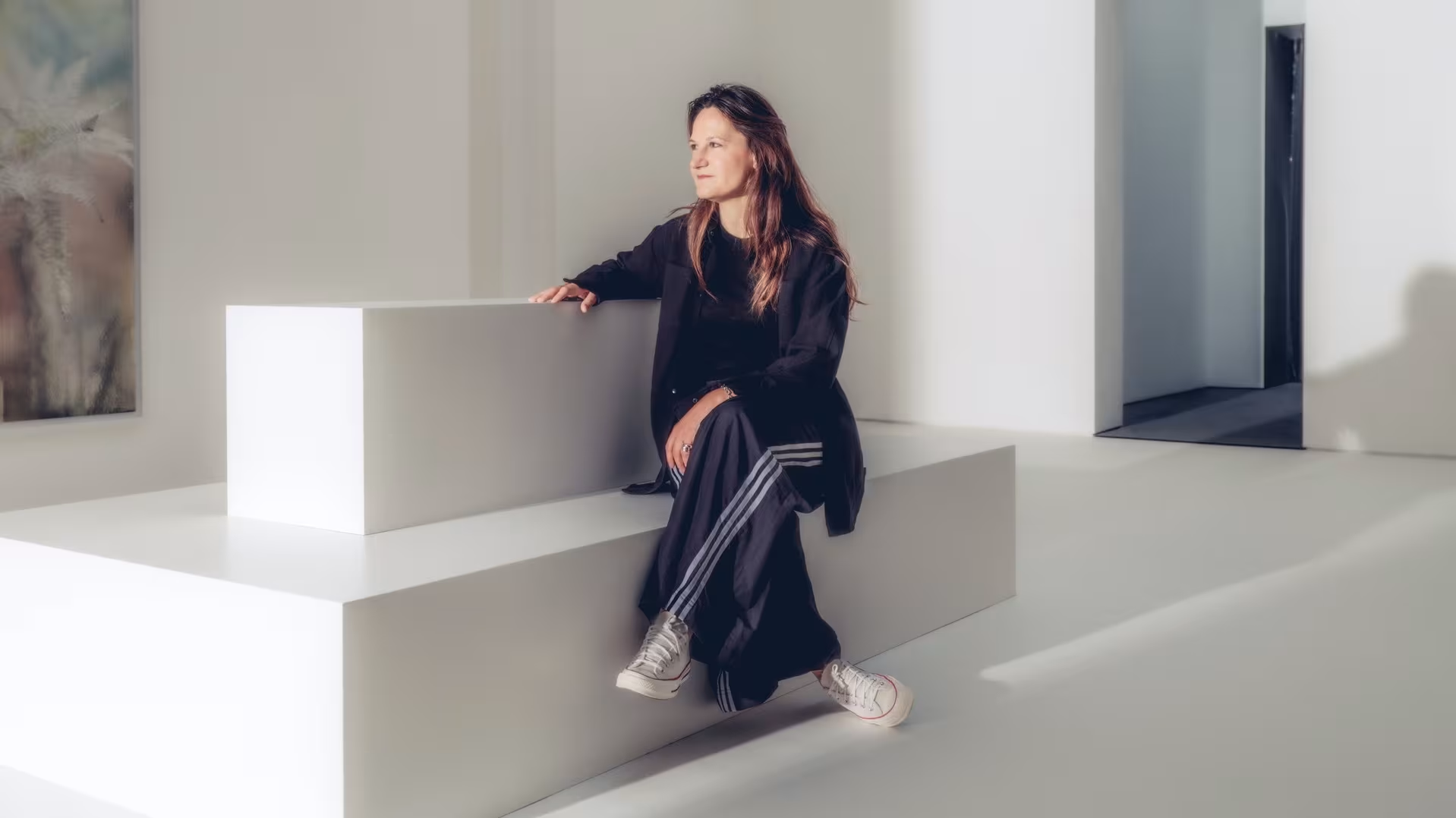
Noémie Goudal's illusions unveil planetary secrets
Noémie Goudal's artwork uses optical illusions to explore and reveal profound truths about planets and planetary science.

All articles tagged with #optical illusions
Noémie Goudal's artwork uses optical illusions to explore and reveal profound truths about planets and planetary science.
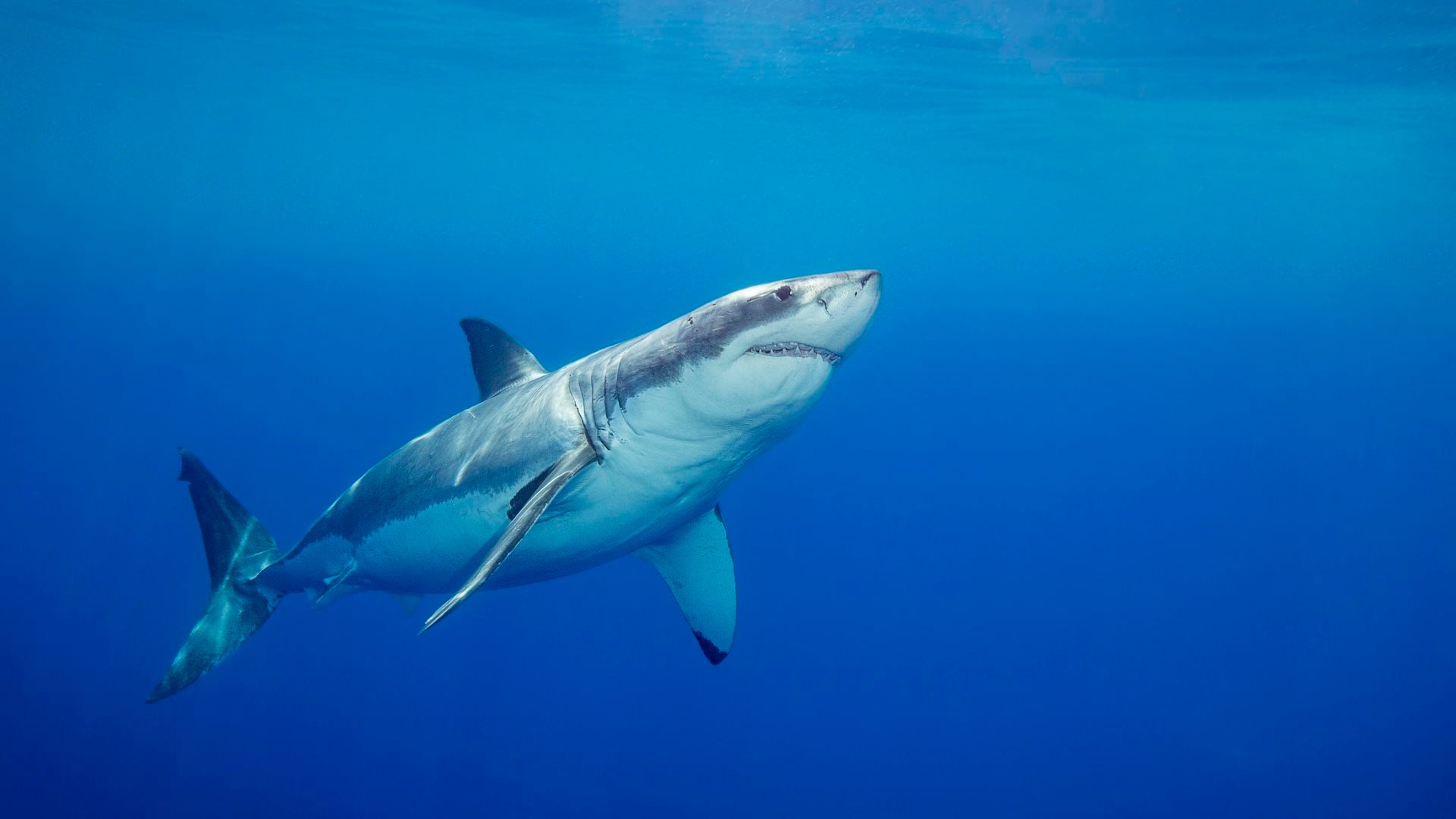
Many animals, including sharks, birds, fish, and insects, are tricked by optical illusions that enhance their survival and reproductive success, revealing that perception is often about advantageous shortcuts rather than accuracy, and some animals even create illusions to influence others.

The article explores 20 natural optical illusions and phenomena around the world, such as salt flats, cloud formations, waterfalls, and mirages, explaining how they are created and highlighting accessible locations for visitors to experience these stunning visual tricks firsthand.

An optical illusion challenges viewers to find a hidden polar bear in a snowy Arctic scene within 15 seconds, highlighting how our brains process visual cues and the fun of perception puzzles.
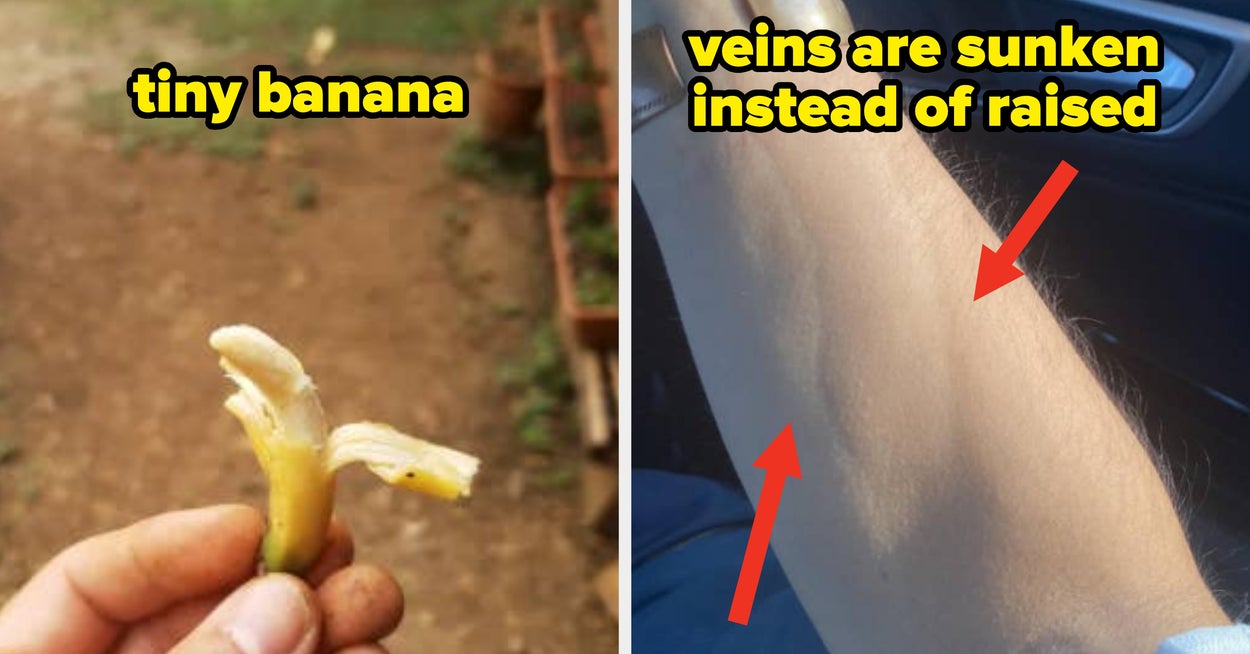
A collection of 22 intriguing and rare photos showcasing unusual natural phenomena, shapes, and objects, from reflective puddles and shaped stones to extraordinary clouds and animal remains, highlighting the beauty and oddities found in everyday scenes.

This article showcases a collection of confusing and amusing photos that play with perspective and illusions, including hidden objects, clever reflections, and visual tricks, encouraging readers to decipher what they are truly seeing.
The article discusses how two neuroscientists view optical illusions, highlighting a winning illusion from the 2021 Best Illusion of the Year contest that demonstrates the limits of human perception through a video where objects appear to change or disappear, illustrating the fascinating ways our brains interpret visual information.
Gizmodo presents a collection of optical illusions and puzzles, including the Neural Correlate Society's Best Illusion of the Year contest winner and a mirror demonstration. The article also features two mental illusions puzzles, one involving ants walking on a meter stick and the other involving a rectangle inscribed inside a quarter of a circle. The solution to last week's puzzle is also provided, explaining the concept of divisors and how perfect squares are the only doors that will be open at the end.
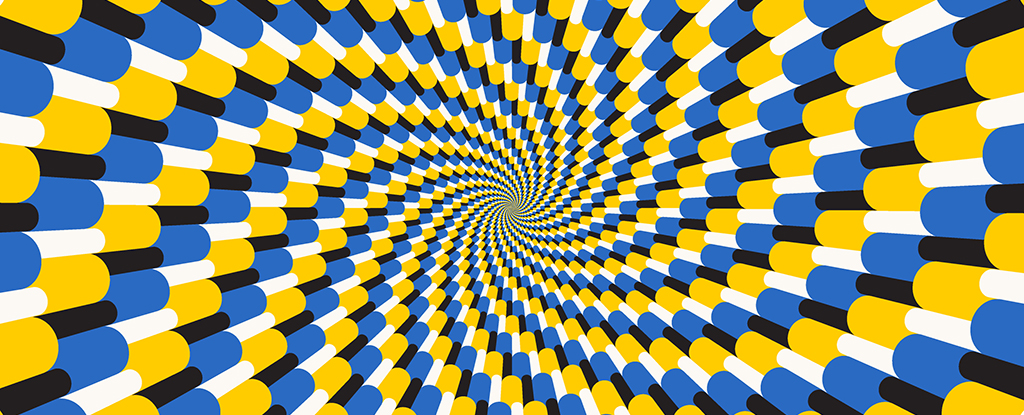
A new study by researchers from the University of Exeter and the University of Sussex suggests that certain optical illusions can be explained by limitations in our visual neurons rather than higher-level processing in the brain. The study found that our visual neurons have a finite bandwidth, which affects our perception of patterns on different scales. The researchers developed a computational model that shows how this limitation in processing and metabolic energy forces neurons to compress visual data, resulting in visual illusions. The findings challenge long-held assumptions about how visual illusions work and could help explain why we perceive contrasts in modern televisions with built-in HDR.

Scientists have made progress in understanding the mind-bending secrets of optical illusions that deceive the brain into perceiving incorrect colors. These "simultaneous contrast illusions" manipulate our perception by altering the brightness or color of the background, tricking us into seeing different colors in the foreground. A new computer model called the "spatiochromatic bandwidth limited model" was used to mimic human vision and analyze over 50 illusions. The model consistently identified the wrong colors, suggesting that these illusions rely on basic-level neural processing rather than higher-order visual processing or past experiences. This supports the bottom-up hypothesis and confirms that illusions can be explained by a single layer of neurons.
Scientists have discovered that the explanation behind the trickiness of simultaneous contrast illusions comes down to a limitation in our eyes, rather than an issue with our brain's processing power. Researchers used a computer model to mimic the limitations of our eyes and found that the model perceived the illusion the same way that humans do. This discovery challenges long-held assumptions about how visual illusions work and could lead to a better understanding of how colors are perceived in animals with different neuron bandwidths compared to humans.