Tag

Virus Mutation

All articles tagged with #virus mutation

health7 months ago

Potential Pandemic Threat: Mutations in Chinese Bat Viruses and COVID-19 Variants

A recent study warns that a bat coronavirus in China, HKU5-CoV-2, could potentially cause a human outbreak with just one mutation in its spike protein, raising concerns about its pandemic potential due to its similarity to MERS and ability to infect animal hosts. Researchers used AI tools to analyze the virus's capacity to bind to human receptors, emphasizing the need for vigilance despite no current human infections.
health1 year ago

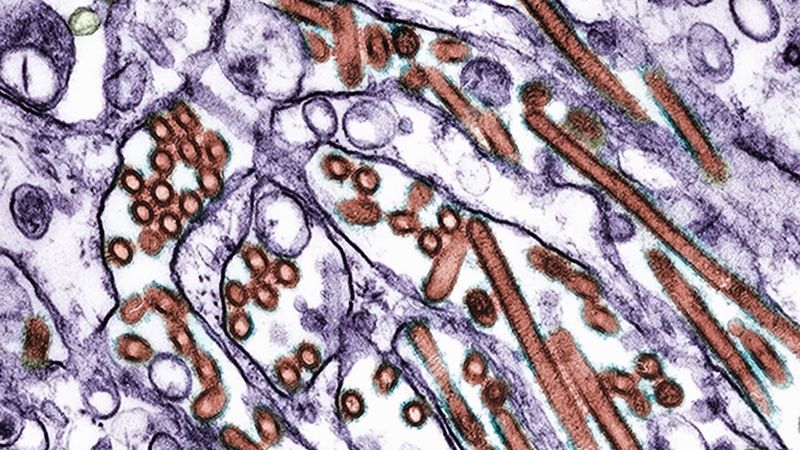
Canadian Teen's Bird Flu Strain Shows Human Adaptation Signs

A Canadian teenager hospitalized with the H5N1 bird flu virus has shown mutations that could potentially allow the virus to spread more easily among humans, though no further cases have been identified. The mutations enable the virus to attach to human cells more effectively, raising concerns among scientists about the virus's potential to adapt further. Despite these findings, experts stress that this is not the start of a pandemic, as the virus has not shown effective human-to-human transmission.

health1 year ago

Poland Urges Vaccination After Mutated Polio Virus Detected in Warsaw

Polish health officials have urged residents to get vaccinated after a mutated polio virus was detected in Warsaw's sewage system. Although no human cases have been reported, the virus poses a risk to unvaccinated individuals, potentially causing severe conditions like paralysis. Authorities have increased sewage monitoring and are promoting vaccination, especially for children, to prevent the disease's reintroduction. The last polio cases in Poland were in the 1980s, but global cases persist, highlighting the need for vigilance.

health1 year ago

Tufts Scientists Track H5N1 Bird Flu in Wildlife

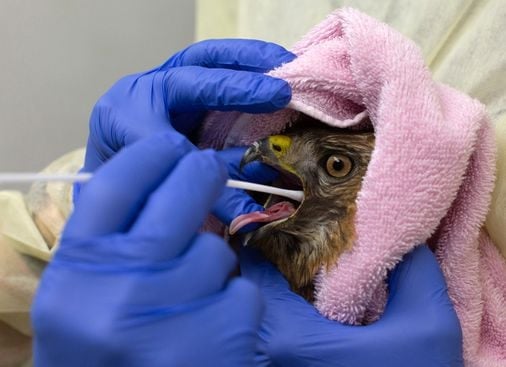
Scientists at Tufts University are intensively studying wildlife to track the H5N1 bird flu virus, which has recently infected a farm worker in Michigan. The lab tests a wide range of animal samples to monitor the virus's evolution and potential to infect humans. The CDC has heightened flu monitoring efforts, and a new dashboard tracks Influenza A viruses in wastewater. The Tufts lab is part of a national network focused on influenza research, and their continuous work helps identify patterns and mutations, such as the concerning PB2 E627K mutation found in both animals and a human case in Texas.

health1 year ago

"72-Year-Old Patient's 613-Day COVID Infection Spurs Fear of New Mutations"

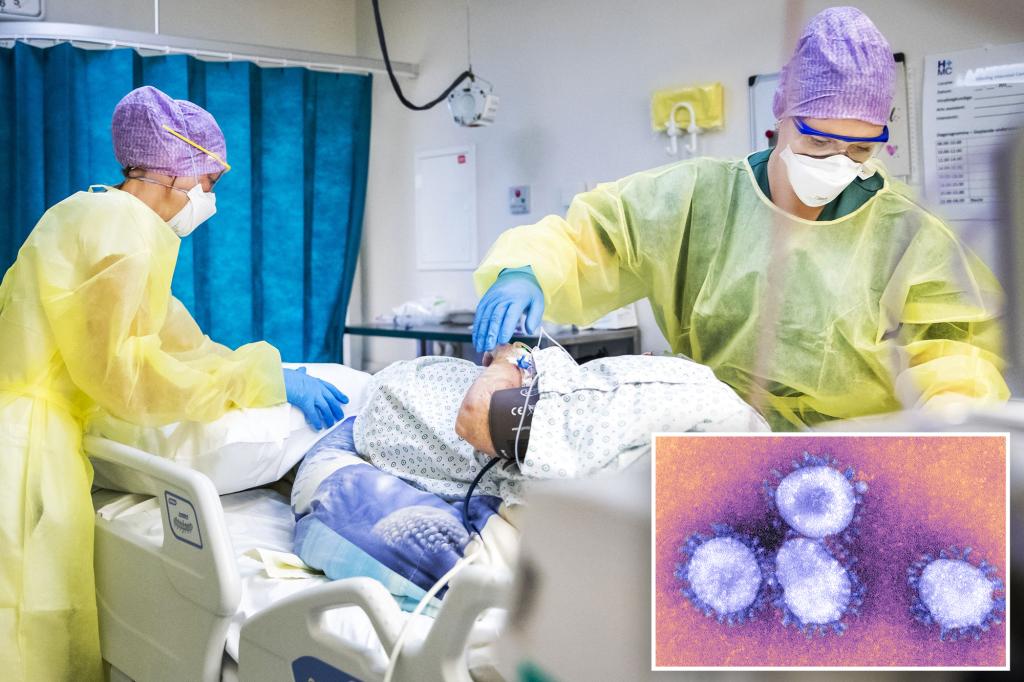
A 72-year-old Dutch man had the longest recorded case of COVID-19, lasting 613 days, during which the virus mutated nearly 50 times and ultimately led to his death. Despite receiving multiple vaccine doses, his immune system was unable to combat the virus due to an underlying blood disorder. Medical professionals found his body resistant to treatment, and the virus developed into an ultra-mutated variant. The case highlights the risk of persistent infections in immunocompromised individuals and the potential emergence of unique viral variants.

health1 year ago

"613-Day Covid Infection Sparks Concern Over New Mutations"

An immunocompromised 72-year-old man from Amsterdam had a Covid infection for 613 days, during which the virus mutated around 50 times before he died. This is the longest recorded Covid infection duration to date. The case highlights the potential for dangerous mutations in immunocompromised individuals and the importance of closely monitoring such patients. The man's prolonged infection led to the emergence of a novel, immune-evasive variant of the virus, but it was not transmitted to anyone else. Researchers emphasized the need to balance tracking infections in vulnerable patients with providing humane end-of-life care.

health1 year ago

"Emerging Pandemic Threat: Mutated Monkeypox Strain Discovered in DRC"

A new strain of mpox with "pandemic potential" has been discovered in the Democratic Republic of Congo, specifically in the mining town of Kamituga. Named "clade 1b," this mutated virus is better at spreading between people, particularly through sexual contact, and has mutations that evade some existing tests. The outbreak raises concerns due to its potential to spread nationally and internationally, especially given the highly mobile population in the area. Urgent action, including surveillance, contact tracing, and targeted vaccinations, is recommended to halt the spread of the new strain, as it poses a substantial risk of escalation beyond the current area and across borders.

science1 year ago

"Bird Flu Outbreak: Risks to Humans and Food Safety"

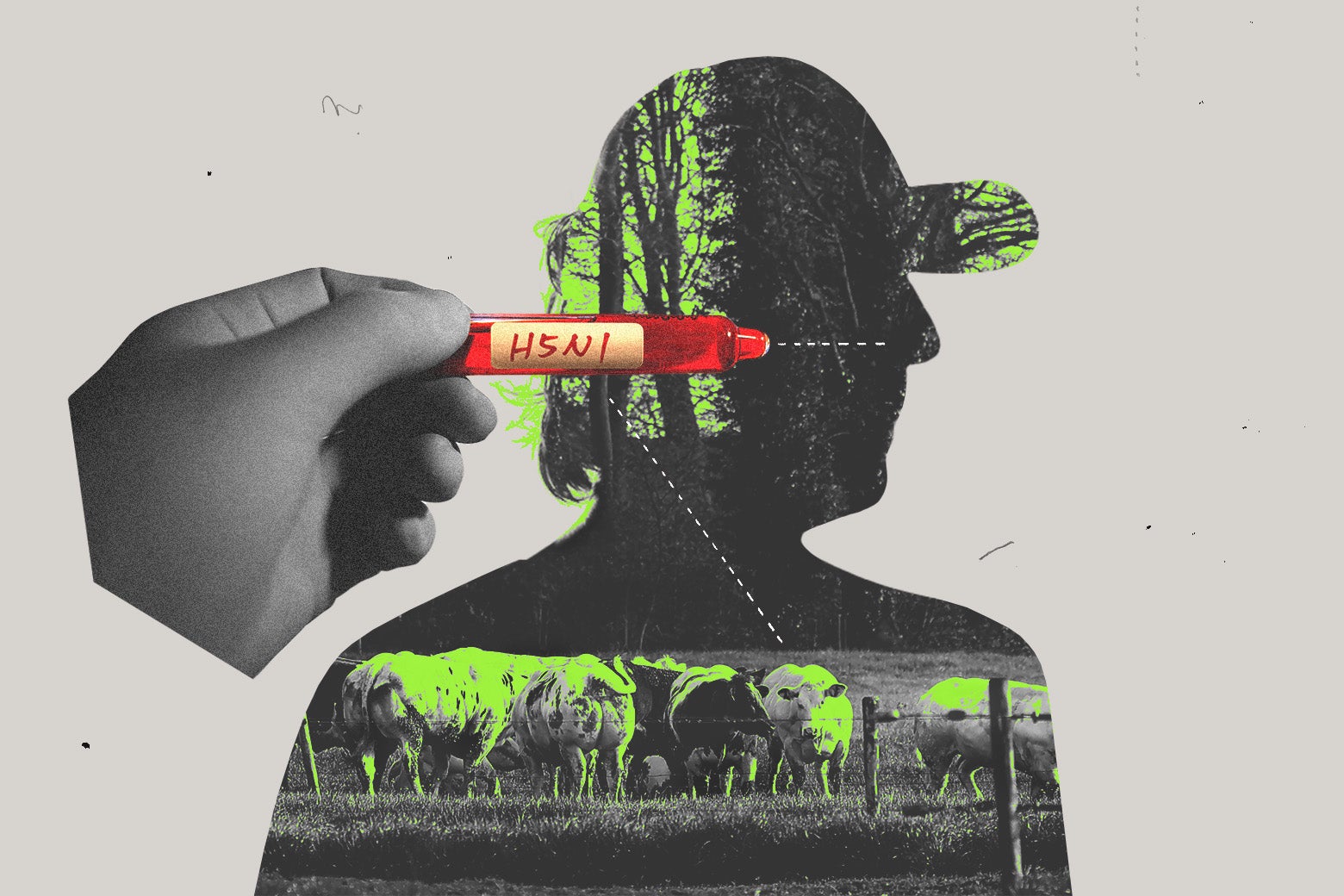
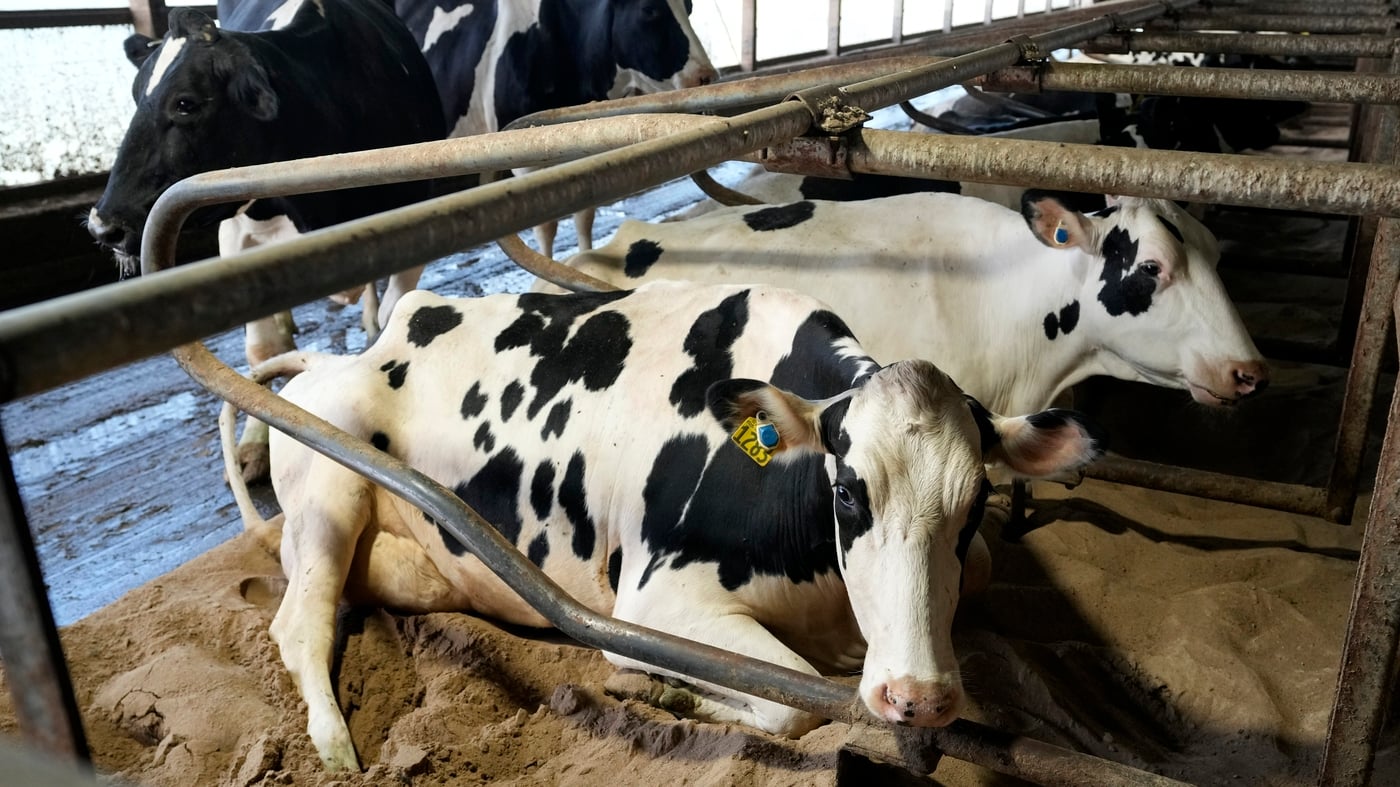
The recent infection of a farmworker in Texas with bird flu, transmitted by a cow, has raised concerns as the highly pathogenic H5N1 virus has been found on dairy cattle farms in several states. While the virus has previously affected various animal species worldwide, including polar bears and penguins, its transmission to cows is a surprising development. Although the risk of human infection remains low, scientists are monitoring the situation closely for potential mutations that could increase the virus's ability to infect humans. Surveillance and preparedness measures are in place, and the CDC advises being aware but not alarmed, with precautions recommended for handling birds and consuming animal products.

health1 year ago

"Assessing the Risk: Bird Flu's Threat to Humans and Livestock"

Experts are closely monitoring the recent bird flu infection in a Texas dairy worker, emphasizing that the virus has not become more contagious among cows or people. The CDC states that currently available vaccines and medicines remain effective against it, and the risk to the general public is low. While the virus has not shown sustained spread between people, concerns remain about potential mutations and transmission among mammals. Genetic sequencing of virus samples from cows and the infected patient suggests that the virus is closely related to birds and not thoroughly adapted to mammal-to-mammal transmission. Understanding how cows transmit the virus is crucial in preventing further spread, and pasteurized milk is safe to drink as the process kills the virus.

health-agriculture1 year ago

"Low Risk of Bird Flu Spillover to Humans in Cows and Chickens"

An outbreak of avian influenza, or bird flu, is affecting dairy cows in the U.S., raising concerns about potential risks to humans. While the virus has shown minor genetic changes and one human infection, human-to-human spread remains rare. Scientists are closely monitoring the outbreak's impact on mammals and the potential for problematic mutations. Existing bird flu vaccines could be adapted in case of human spread, and federal health officials stress that the U.S. has been preparing for avian flu outbreaks for over 20 years.

health2 years ago

"Monitoring the Spread of New COVID-19 Variant JN.1 and Its Symptoms"

The JN.1 subvariant, part of the Omicron lineage, exhibits high transmissibility and unique symptoms including fever, extreme fatigue, digestive disorders, trouble sleeping, anxiety, neurological symptoms, and respiratory issues. Experts emphasize the importance of understanding these symptoms and adhering to safety protocols such as wearing masks, maintaining distance, and getting vaccinated to protect against the JN.1 COVID-19 variant.

health-science2 years ago

"Chinese Lab Develops 100% Lethal Mutant COVID-19 Strain Targeting Brain: Report"

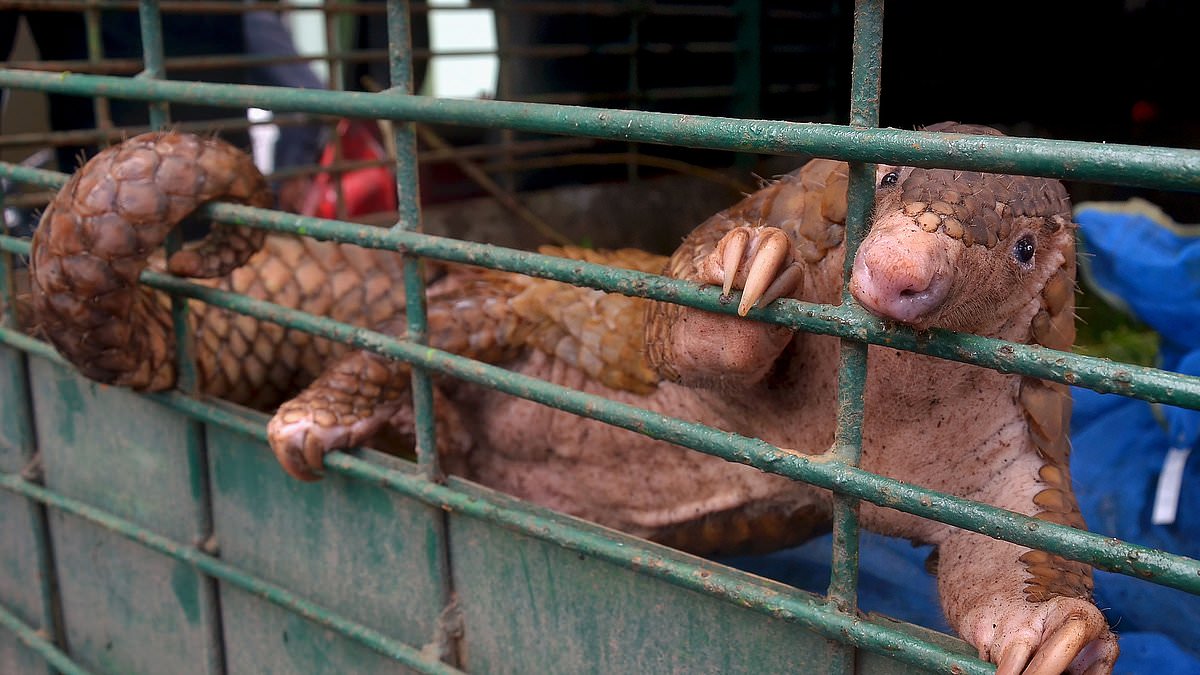
Chinese scientists have created a mutant COVID-19 strain, GX_P2V, with a 100% mortality rate in "humanized" mice, causing rapid and severe symptoms leading to death within eight days. The virus, a mutated version of a coronavirus found in Malaysian pangolins in 2017, infected multiple organs including the brain, raising concerns about spillover risk into humans. Critics have condemned the study as scientifically pointless and potentially dangerous, emphasizing the lack of biosafety information and the need to halt such research. The study is not linked to the Wuhan lab and does not clarify the virus's impact on humans, leaving the origin of COVID-19 still uncertain.

health2 years ago

"Emerging Mutations in Monkeypox Virus Raise Concerns for Public Health"

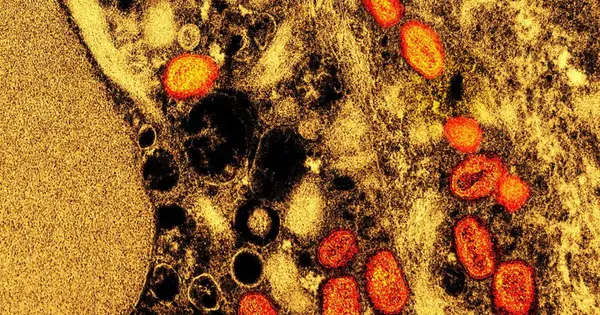
A new study reveals that the monkeypox virus is mutating into deadlier strains due to prolonged exposure to the human immune system. The virus, previously only spreadable from rats to humans, has now been found to circulate among humans since 2016. This discovery challenges the previous understanding of monkeypox as a zoonotic disease and highlights the need for revised public health messaging and outbreak management. Symptoms of monkeypox include rash, fever, sore throat, headache, muscle aches, and skin lesions.

sciencehealth2 years ago

Unveiling the Origins: Cross-species Virus Transmission and Wuhan Lab Controversy

A new study published in Nature suggests that pangolins may have served as the intermediary host between bats and humans in the transmission of the Covid-19 virus. Researchers found that the strain of coronavirus harbored in pangolins was nearly identical to the one that has infected humans, indicating that the virus likely jumped from pangolins to immunocompromised individuals, allowing it to mutate and replicate. This contradicts the theory that the virus originated from a leak at the Wuhan Institute of Virology. The study highlights the need for further investigation into the origins of the pandemic and the role of animal hosts in the transmission of infectious diseases.

health2 years ago

COVID-19 Mutating in Deer and Spreading to Humans, US Study Finds

A study conducted by Ohio State University has found that the COVID-19 virus is mutating in white-tailed deer, with over 10% of nasal swabs collected from deer in Ohio testing positive for the virus. Genetic analysis revealed that at least 30 of these infections in deer were transmitted from humans. Deer can carry the virus for up to nine months, potentially allowing for further replication and mutation. This highlights the need for continued vigilance and response efforts to control the spread of COVID-19 between humans and animals.