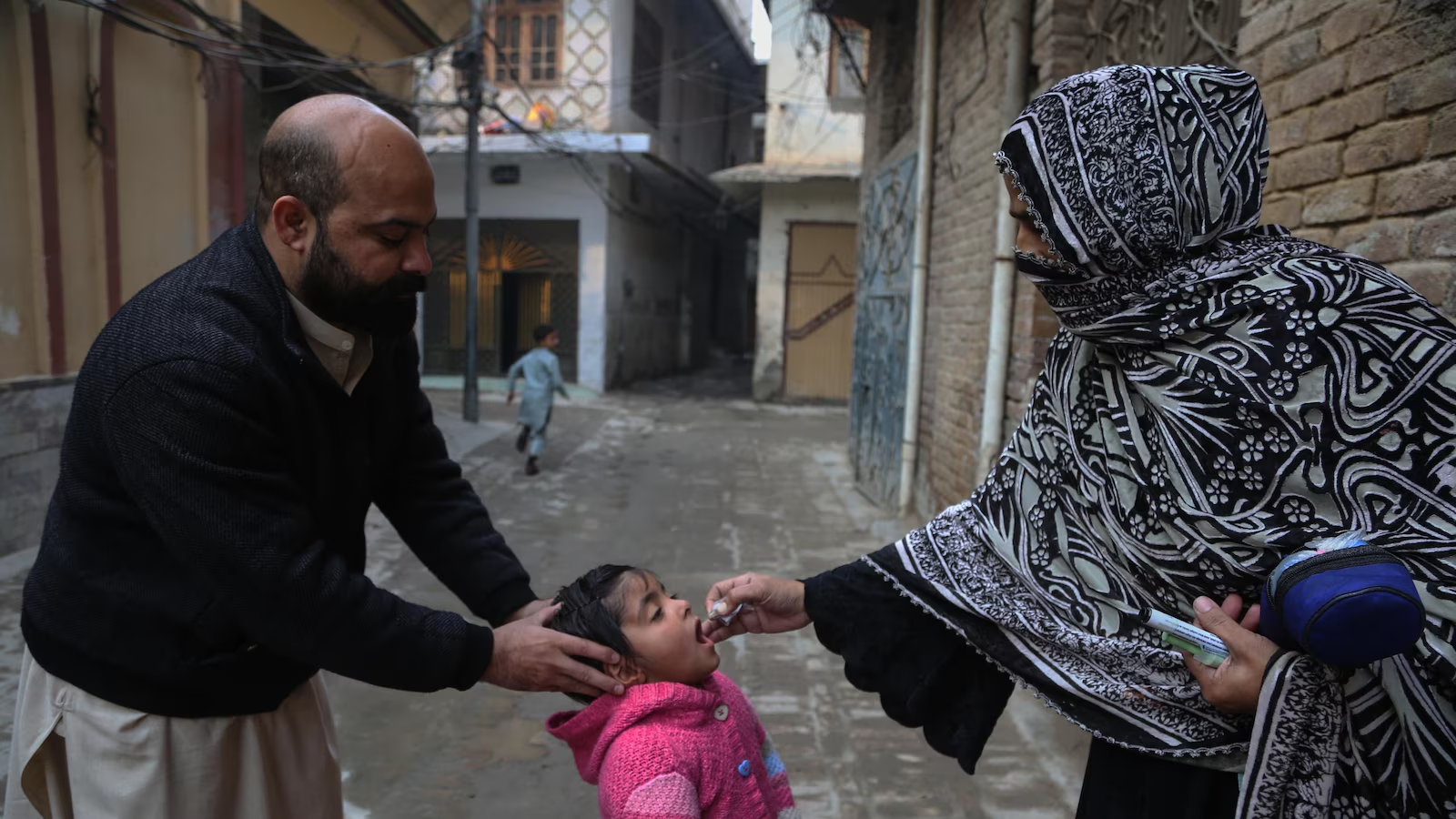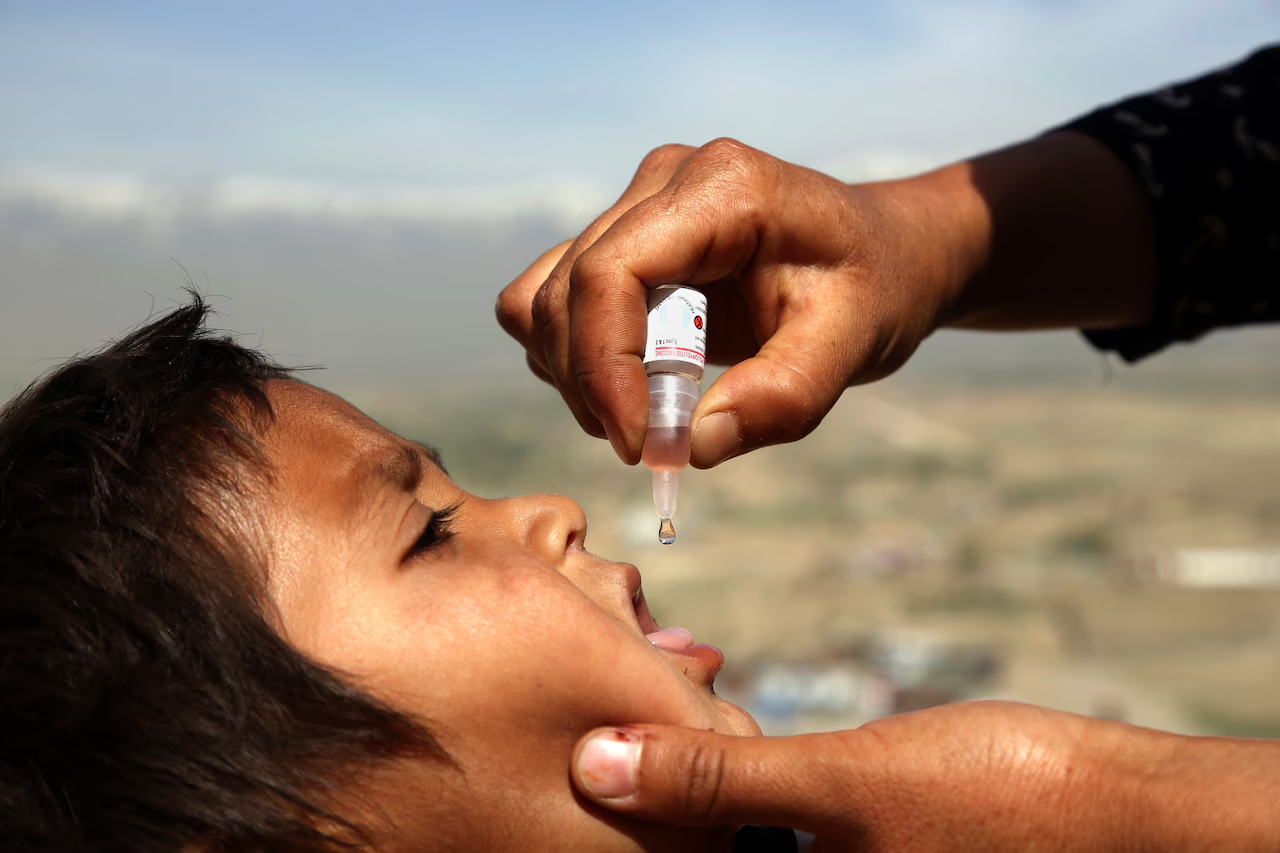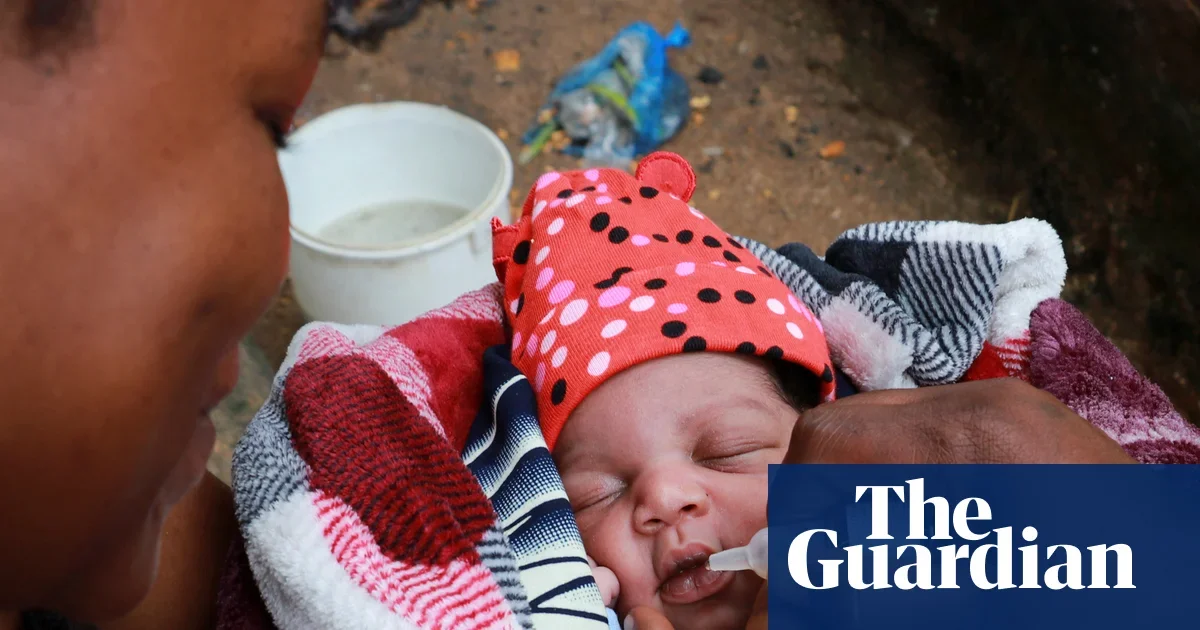
Pakistan has launched its final anti-polio vaccination campaign of 2025 to protect 45 million children amid a surge in cases, with efforts intensified despite security threats and militant attacks, aiming to eradicate the disease in the country.
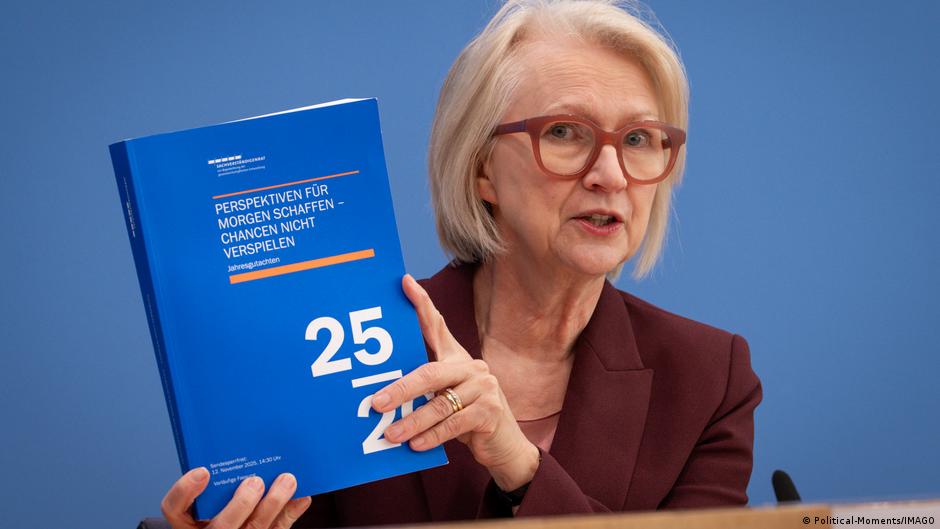
Germany is making significant policy adjustments, including a new military service model after coalition disputes, exemption from EU migration solidarity rules, detection of wild polio in wastewater, and addressing rising child poverty. Economic experts warn of sluggish growth and suggest tax reforms, while the government is urged to invest in infrastructure. Additionally, law enforcement successfully combats scams, and the Bundeswehr celebrates 70 years amid calls for better reputation and modernization.
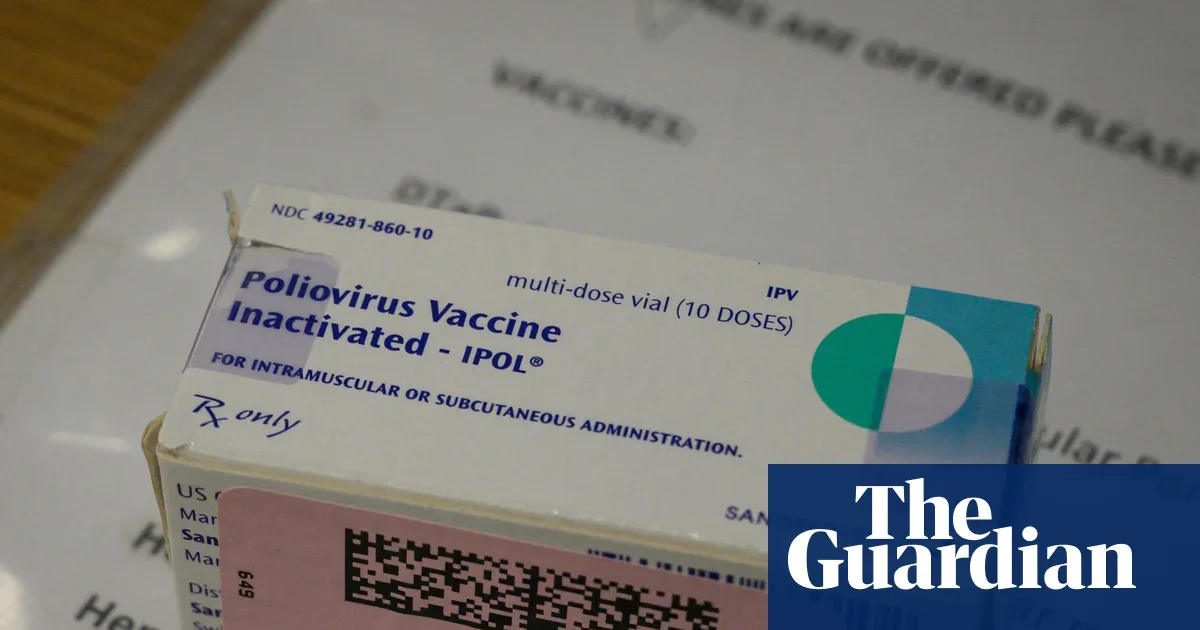
Idaho has enacted a law that bans vaccine requirements for all diseases, including polio and measles, leading to concerns about a potential return of deadly diseases and a public health crisis, contrasting with Florida's efforts to control such diseases.
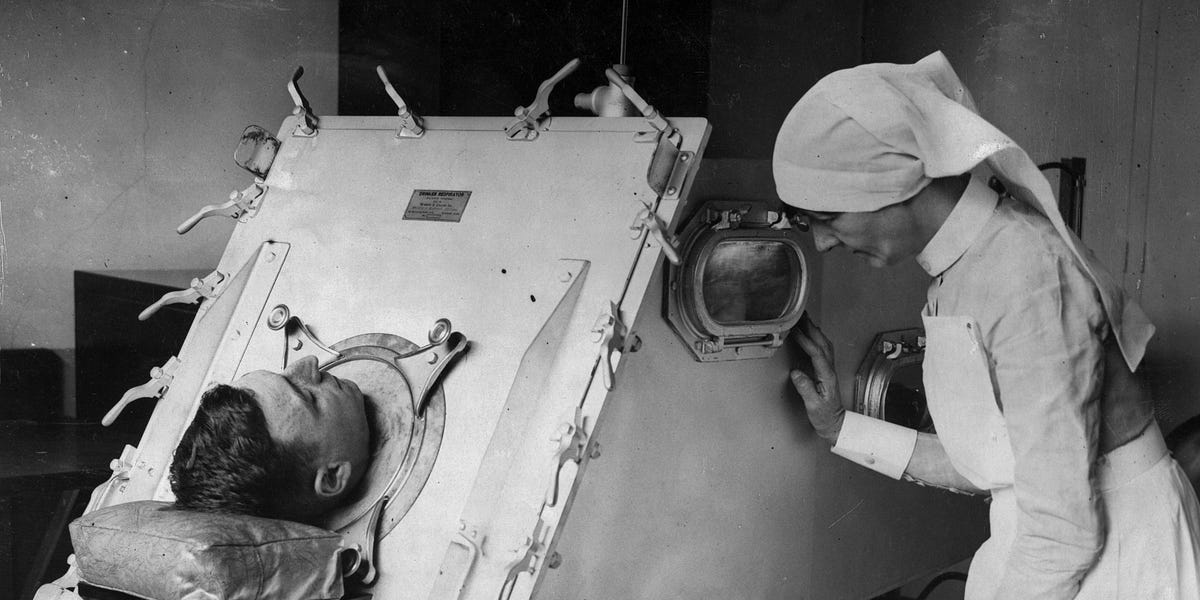
The article reflects on the history and significance of the polio vaccine, highlighting the personal and societal impact of polio, the scientific race between Salk and Sabin to develop a vaccine, and the importance of remembering this medical miracle to combat misinformation and appreciate scientific progress.
Two new poliovirus cases in Sindh raise Pakistan's total to 29 cases in 2025, highlighting ongoing challenges in eradicating polio amid vaccination efforts and public health campaigns across the country.
US COVID indicators are rising slightly, AstraZeneca launches at-home FluMist, and polio cases increase in four countries, while teen vaccination rates for some vaccines improve but HPV coverage remains stagnant, highlighting ongoing public health efforts and challenges.
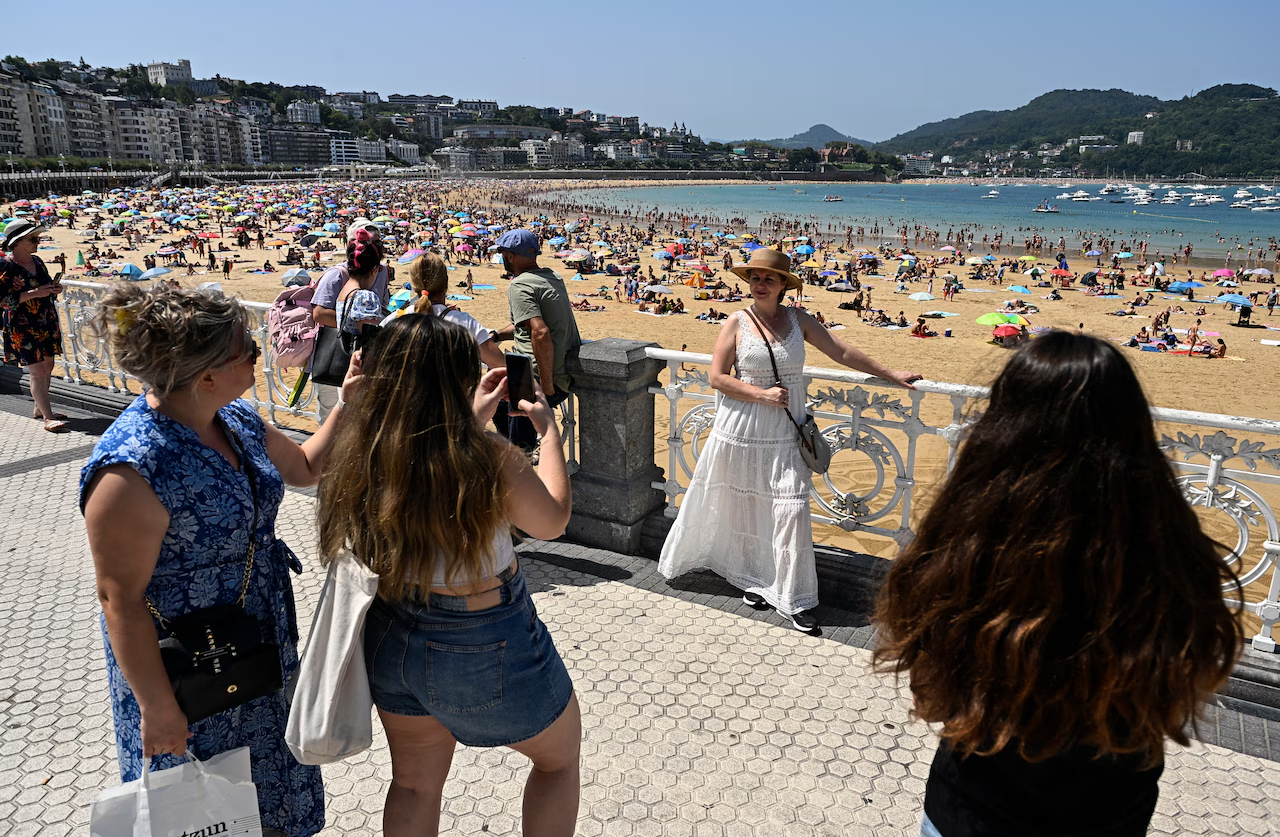
The U.S. CDC has issued a travel warning for five countries—Finland, Germany, Spain, the UK, and Kenya—due to circulating polio, advising travelers to practice enhanced precautions and ensure up-to-date vaccinations to prevent infection.
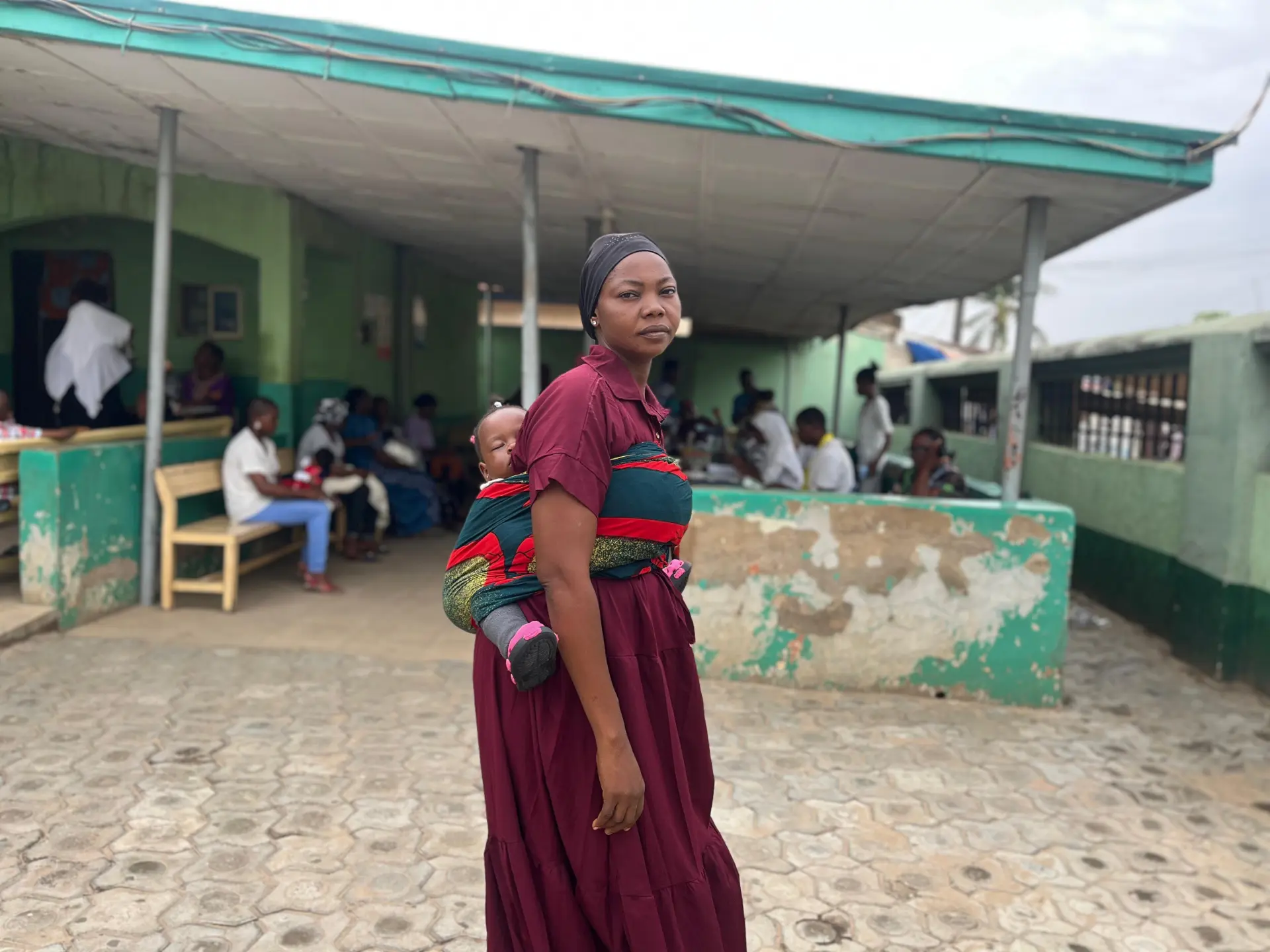
In Nigeria, women health workers play a crucial role in the fight against polio, especially in hard-to-reach and conservative communities, by vaccinating children and building trust despite challenges like misinformation and insecurity. Their efforts have contributed to Nigeria being declared free of wild poliovirus, though vaccine-derived strains still pose a threat, and their work has also empowered many women economically and socially. The success of these campaigns offers valuable lessons for global health initiatives, emphasizing community trust, innovation, and the importance of sustained efforts.
The CDC has issued level 2 travel warnings for the UK, Germany, Poland, Finland, and Spain due to reported polio cases, advising travelers to take enhanced precautions such as ensuring up-to-date vaccinations and practicing good hygiene, as polio remains a threat in some regions.
Multiple infectious disease outbreaks and health concerns are reported globally, including rising Mpox cases in Africa, Legionnaires disease in Harlem, circulating vaccine-derived polio in Germany and Israel, and measles detection in Nevada wastewater, highlighting ongoing public health challenges and the importance of awareness and prevention.
The CDC has issued a Level 2 health alert for Polio circulating in five European countries—Germany, Finland, Poland, Spain, and the UK—prompting travelers to ensure their vaccinations are up to date, especially since Polio can be asymptomatic but still contagious, and most adults are protected due to childhood vaccinations.
The global effort to eradicate polio faces setbacks due to fake records, vaccine mismanagement, misinformation, and cultural barriers in Pakistan and Afghanistan, where the disease persists, despite billions spent and decades of efforts.
COVID-19 cases are rising in the US, with new polio cases reported in four countries, a measles outbreak in Michigan, and raccoon roundworm infections in California children highlighting ongoing infectious disease concerns.
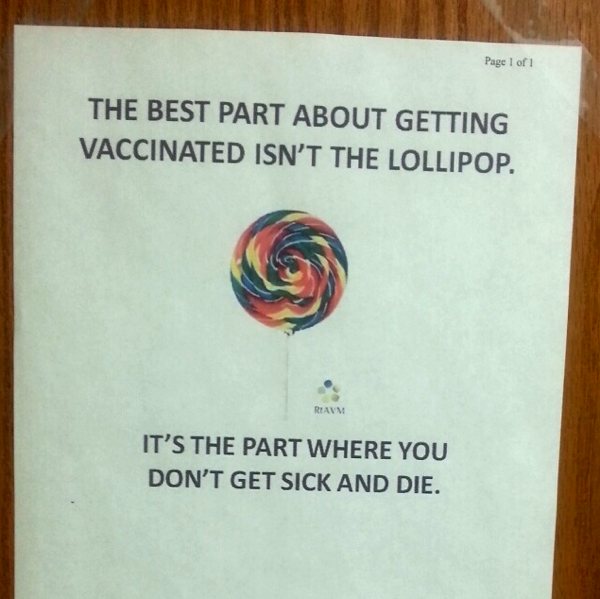
Vaccine rates in the US are declining rapidly, leading to a resurgence of preventable diseases like measles, rubella, and polio, with the potential for millions of infections and serious health consequences if trends continue.
Vermont experienced the first recorded polio epidemic in the US in 1894, initially misdiagnosed as meningitis, which marked the beginning of a series of outbreaks that would later be controlled through vaccination efforts, notably the development of the Salk vaccine in the 1950s, leading to a dramatic decline in cases worldwide.