Tag

Immunocompromised

All articles tagged with #immunocompromised

IDSA Issues COVID Vaccine Guidelines for Immunocompromised Individuals

Originally Published 2 months ago — by CIDRAP

Featured image for IDSA Issues COVID Vaccine Guidelines for Immunocompromised Individuals
Source: CIDRAP

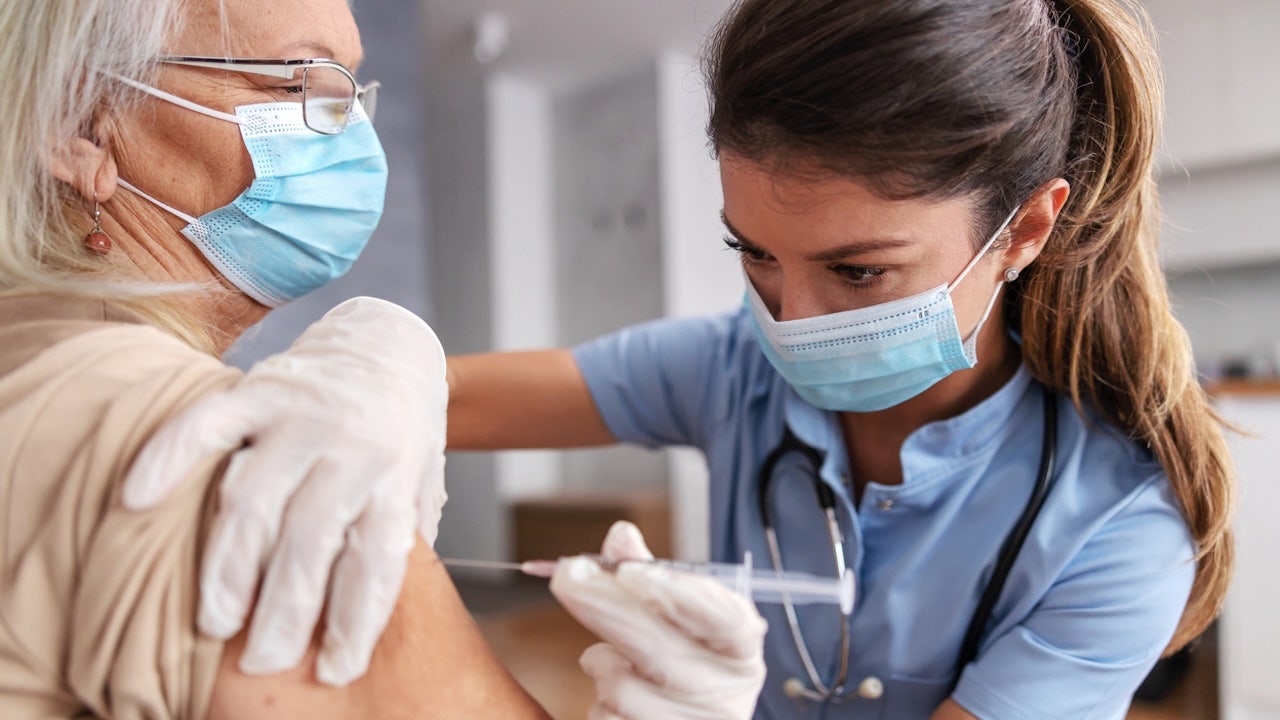
The IDSA has issued new guidelines recommending that immunocompromised individuals, including children and adults, receive an age-appropriate COVID-19 vaccine dose promptly for the upcoming respiratory virus season, emphasizing the importance of vaccination for their protection and encouraging close contacts to stay current with vaccines. The guidelines are based on recent evidence showing that vaccination reduces hospitalization, severe illness, and death among immunocompromised people, with recommendations for flexible timing and dosing based on individual circumstances.
Man Sets Record with 2-Year COVID Infection

Originally Published 3 months ago — by ScienceAlert

Featured image for Man Sets Record with 2-Year COVID Infection
Source: ScienceAlert

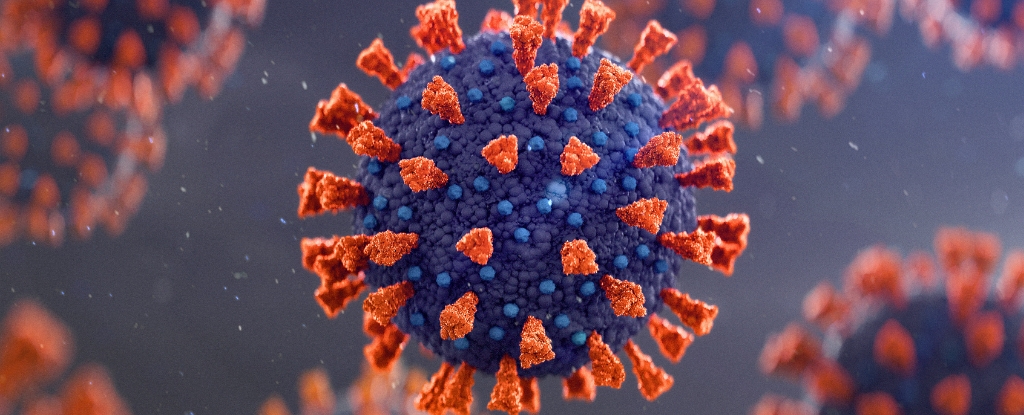
A man with advanced HIV experienced a persistent SARS-CoV-2 infection lasting over two years, leading to viral mutations similar to those seen in the Omicron variant, highlighting the importance of monitoring long-term infections and maintaining vaccination and masking efforts to prevent the emergence of new variants.

Beta-HPV directly linked to skin cancer in immunocompromised individuals

Originally Published 5 months ago — by National Institutes of Health (NIH) | (.gov)

NIH researchers discovered that beta-HPV can directly cause skin cancer in immunocompromised individuals by integrating into skin cell DNA, as demonstrated in a case where a stem cell transplant cured the patient's recurrent skin cancer, highlighting the virus's role in cancer development when immune response is defective.

Certain HPV Strain Linked to Skin Cancer

Originally Published 5 months ago — by NBC News

Featured image for Certain HPV Strain Linked to Skin Cancer
Source: NBC News

Doctors at the NIH discovered that a type of human papillomavirus (HPV), specifically beta HPV, can directly cause skin cancer in immunocompromised individuals by integrating into skin cell DNA, a finding that challenges previous beliefs that HPV only contributed passively to skin cancer development. The case involved a woman with a weakened immune system, and her cancer was successfully treated after a stem cell transplant restored her immune function.

Research Links Beta-HPV to Skin Cancer in Immunocompromised Patients

Originally Published 5 months ago — by Medical Xpress

Featured image for Research Links Beta-HPV to Skin Cancer in Immunocompromised Patients
Source: Medical Xpress

Research by NIH reveals that beta-HPV can directly cause skin cancer, specifically cutaneous squamous cell carcinoma, in immunocompromised individuals, demonstrated by a case where immune system restoration through stem cell transplant led to the resolution of the cancer and HPV-related diseases.

"72-Year-Old Patient's 613-Day COVID Infection Spurs Fear of New Mutations"

Originally Published 1 year ago — by New York Post

Featured image for "72-Year-Old Patient's 613-Day COVID Infection Spurs Fear of New Mutations"
Source: New York Post

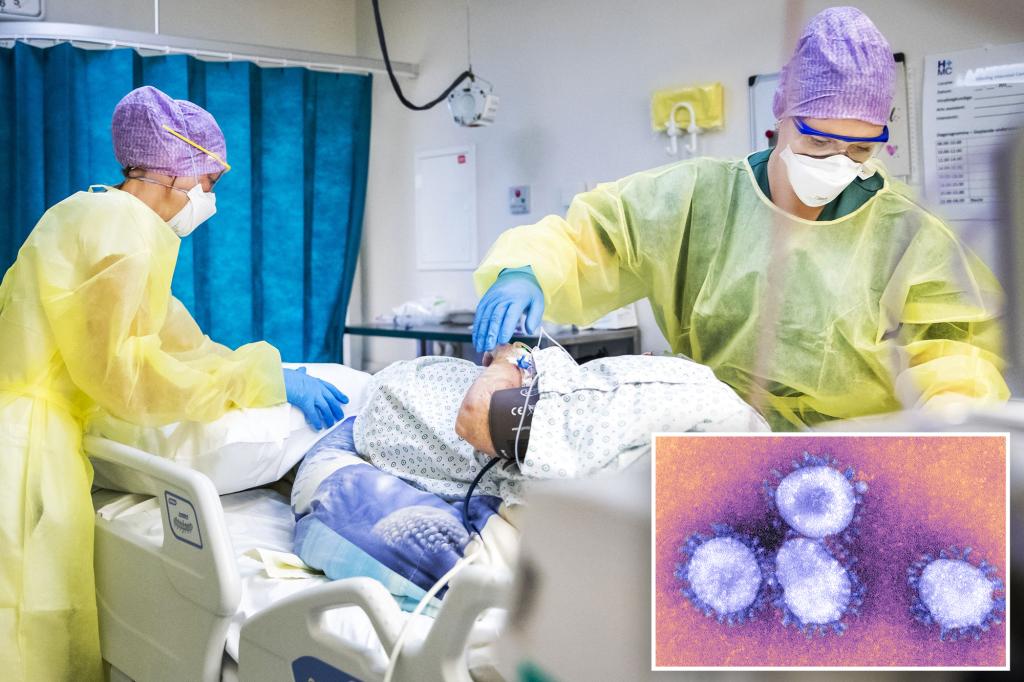
A 72-year-old Dutch man had the longest recorded case of COVID-19, lasting 613 days, during which the virus mutated nearly 50 times and ultimately led to his death. Despite receiving multiple vaccine doses, his immune system was unable to combat the virus due to an underlying blood disorder. Medical professionals found his body resistant to treatment, and the virus developed into an ultra-mutated variant. The case highlights the risk of persistent infections in immunocompromised individuals and the potential emergence of unique viral variants.

"613-Day Covid Infection Sparks Concern Over New Mutations"

Originally Published 1 year ago — by inews

Featured image for "613-Day Covid Infection Sparks Concern Over New Mutations"
Source: inews

An immunocompromised 72-year-old man from Amsterdam had a Covid infection for 613 days, during which the virus mutated around 50 times before he died. This is the longest recorded Covid infection duration to date. The case highlights the potential for dangerous mutations in immunocompromised individuals and the importance of closely monitoring such patients. The man's prolonged infection led to the emergence of a novel, immune-evasive variant of the virus, but it was not transmitted to anyone else. Researchers emphasized the need to balance tracking infections in vulnerable patients with providing humane end-of-life care.

"Yale Study Recommends Annual COVID Vaccination Plan"

Originally Published 1 year ago — by Verywell Health

Featured image for "Yale Study Recommends Annual COVID Vaccination Plan"
Source: Verywell Health

New research from the Yale School of Public Health suggests that most people will benefit from an annual COVID-19 vaccine, with certain groups potentially needing two vaccines a year. The study, published in the Annals of Internal Medicine, found that annual vaccination with a second dose for adults over 50 and children under 2 was linked to fewer hospitalizations, deaths, and healthcare spending. However, vaccination rates for the updated vaccine remain low, especially among children. Doctors recommend combining COVID and flu shots to increase vaccination rates, and individuals who are immunocompromised should consult their doctors for personalized vaccination schedules.

"FDA Approves New COVID Prophylactic for Immunocompromised Individuals"

Originally Published 1 year ago — by The New York Times

Featured image for "FDA Approves New COVID Prophylactic for Immunocompromised Individuals"
Source: The New York Times

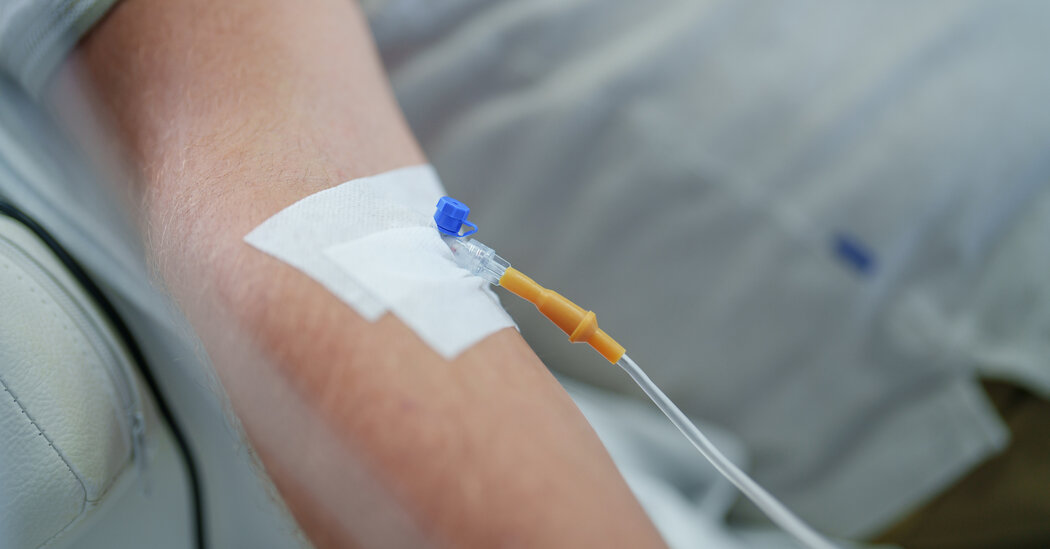
The FDA has authorized Pemgarda, a new monoclonal antibody infusion, for emergency use in immunocompromised individuals aged 12 and older who are unlikely to mount an adequate immune response after vaccination. This includes those who have received organ transplants or are undergoing cancer treatment. Pemgarda will be available in the next week or two and is administered as an infusion in healthcare settings. The drug aims to protect a small but vital group of individuals who are most at risk from Covid-19.

"FDA Approves PEMGARDA™ for COVID-19 Prevention in Immunocompromised"

Originally Published 1 year ago — by STAT

Featured image for "FDA Approves PEMGARDA™ for COVID-19 Prevention in Immunocompromised"
Source: STAT

The FDA has authorized a new antibody treatment, Pemgarda, to protect immunocompromised individuals from Covid-19, following the withdrawal of AstraZeneca's Evusheld due to its ineffectiveness against new Omicron variants. This drug is particularly important for immunocompromised patients who may not receive adequate protection from vaccination due to weakened immune systems. While there is a need for additional Covid-19 protections, it remains uncertain how many patients will opt for this new treatment. Invivyd, the drug's developer, estimates there are 9 million immunocompromised people in the U.S., with an initial focus on those with the most acute need. Pemgarda is a re-engineered version of the original antibody, designed to cover Omicron variants, and has been granted emergency use authorization by the FDA.

CDC Advises Second COVID Vaccine Dose for Adults 65 and Over

Originally Published 1 year ago — by Fox News

Featured image for CDC Advises Second COVID Vaccine Dose for Adults 65 and Over
Source: Fox News

The CDC recommends that adults 65 and older in the U.S. receive an additional COVID-19 booster shot due to the increased risk of severe disease from COVID-19 in this age group. This guidance is based on the higher risk of death from COVID-19 in older adults and the relatively low efficacy of the vaccines against current mismatched circulating strains. The compliance rate for the updated COVID vaccine among adults 65 and over is 41.8% as of Feb. 23, according to CDC data.

"Understanding Alaskapox: Symptoms, Transmission, and First Fatal Case"

Originally Published 1 year ago — by Forbes

Featured image for "Understanding Alaskapox: Symptoms, Transmission, and First Fatal Case"
Source: Forbes

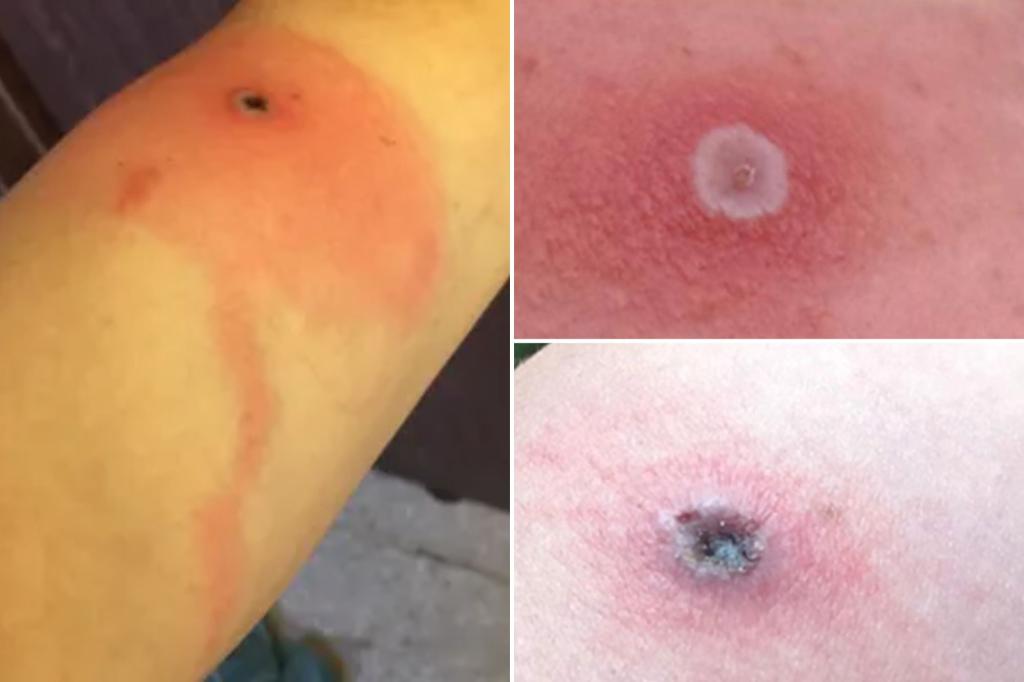
An elderly man from Alaska's Kenai Peninsula has become the first person to die from Alaskapox, a recently discovered virus closely related to smallpox and mpox. The virus, primarily found in small mammals, has historically caused mild illness but can be more severe in immunocompromised individuals. While the exact mode of transmission is unclear, officials suspect zoonotic spread from animals to humans. The incident has prompted increased awareness among clinicians, with recommendations including covering lesions and maintaining hygiene practices, particularly for immunocompromised patients.

"Kenai Peninsula Man Succumbs to Alaskapox, State's First Fatal Case"

Originally Published 1 year ago — by Hindustan Times

Featured image for "Kenai Peninsula Man Succumbs to Alaskapox, State's First Fatal Case"
Source: Hindustan Times

Alaska reports its first fatal case of Alaskapox, a viral disease from the same genus as smallpox and monkeypox, which claimed the life of an elderly immunocompromised man. The man, who lived in the woods with a cat, may have contracted the disease from the animal. Health officials are urging clinicians to be more aware of the virus, as it is most common in small mammals and can cause skin lesions and other symptoms.

"First Fatal Case of Alaskapox Confirmed in Elderly Man on Kenai Peninsula"

Originally Published 1 year ago — by New York Post

Featured image for "First Fatal Case of Alaskapox Confirmed in Elderly Man on Kenai Peninsula"
Source: New York Post

Alaska health officials confirmed the state’s first fatal case of Alaskapox, a viral disease that was first identified in an adult in Fairbanks in 2015. The elderly immunocompromised man from the Kenai peninsula died while undergoing treatment, making him one of only seven reported Alaskapox infections. Health officials are urging clinicians to be more aware of the virus, which is most common in small mammals, and are investigating how the man may have contracted it, speculating that it could have been from a cat he lived with.