Scientists have confirmed that Yersinia pestis caused the Justinian Plague 1,500 years ago by analyzing genetic material from human remains in Jerash, Jordan, providing definitive biological evidence of the bacterium's role in one of history's earliest pandemics, and revealing patterns of recurrent plague outbreaks over millennia.

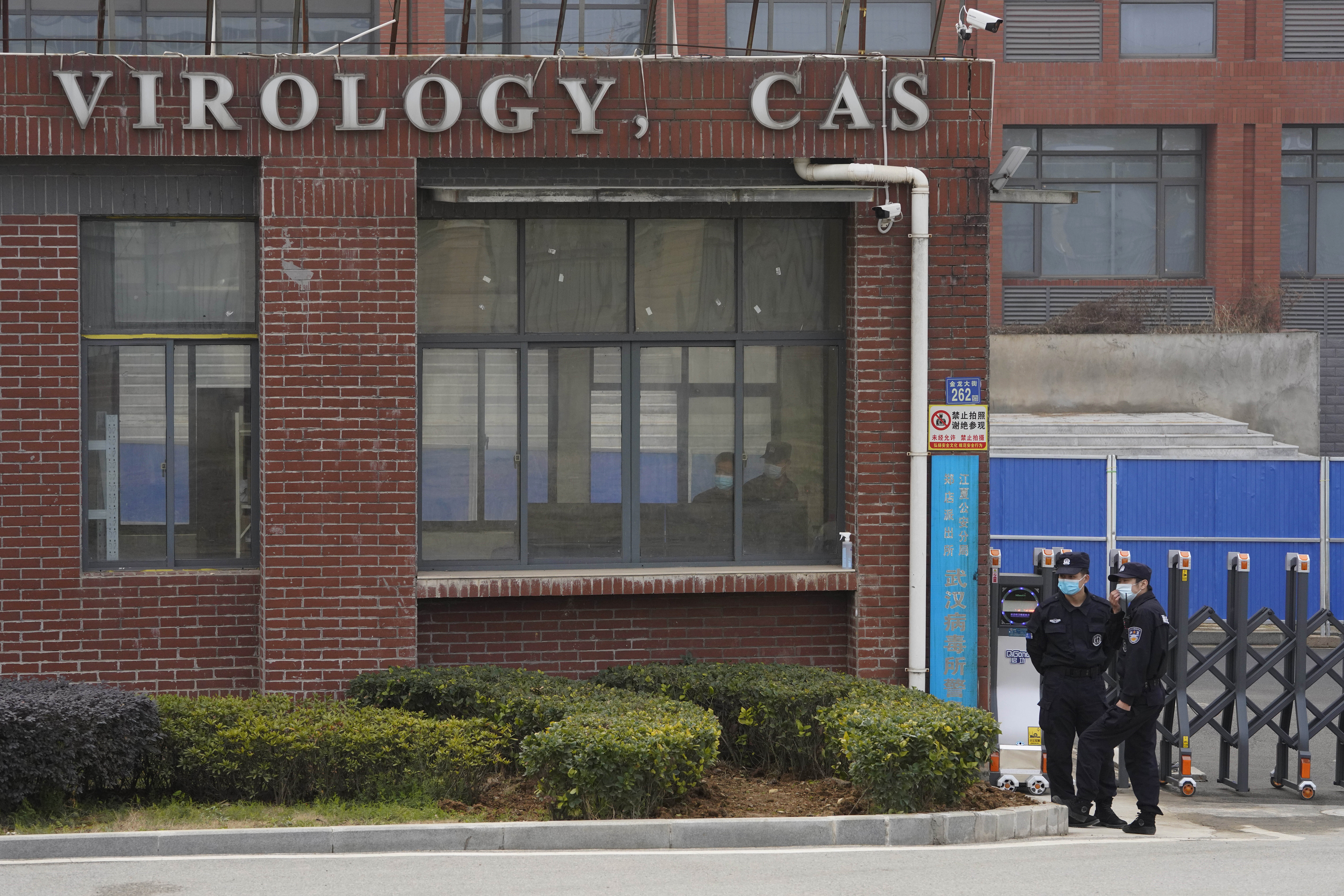
Newly obtained documents reveal that American scientists planned to collaborate with the Wuhan Institute of Virology to engineer novel coronaviruses with features similar to SARS-CoV-2, including furin cleavage sites and receptor binding domains adept at infecting human receptors, a year before the virus emerged. The documents detail experiments that could have generated the virus' rare properties and challenge arguments against the relevance of the research proposal to the origins of the pandemic. The grant proposal, rejected by the Defense Advanced Research Projects Agency, suggests that data central to the pandemic may be found not only in China but also in the U.S.
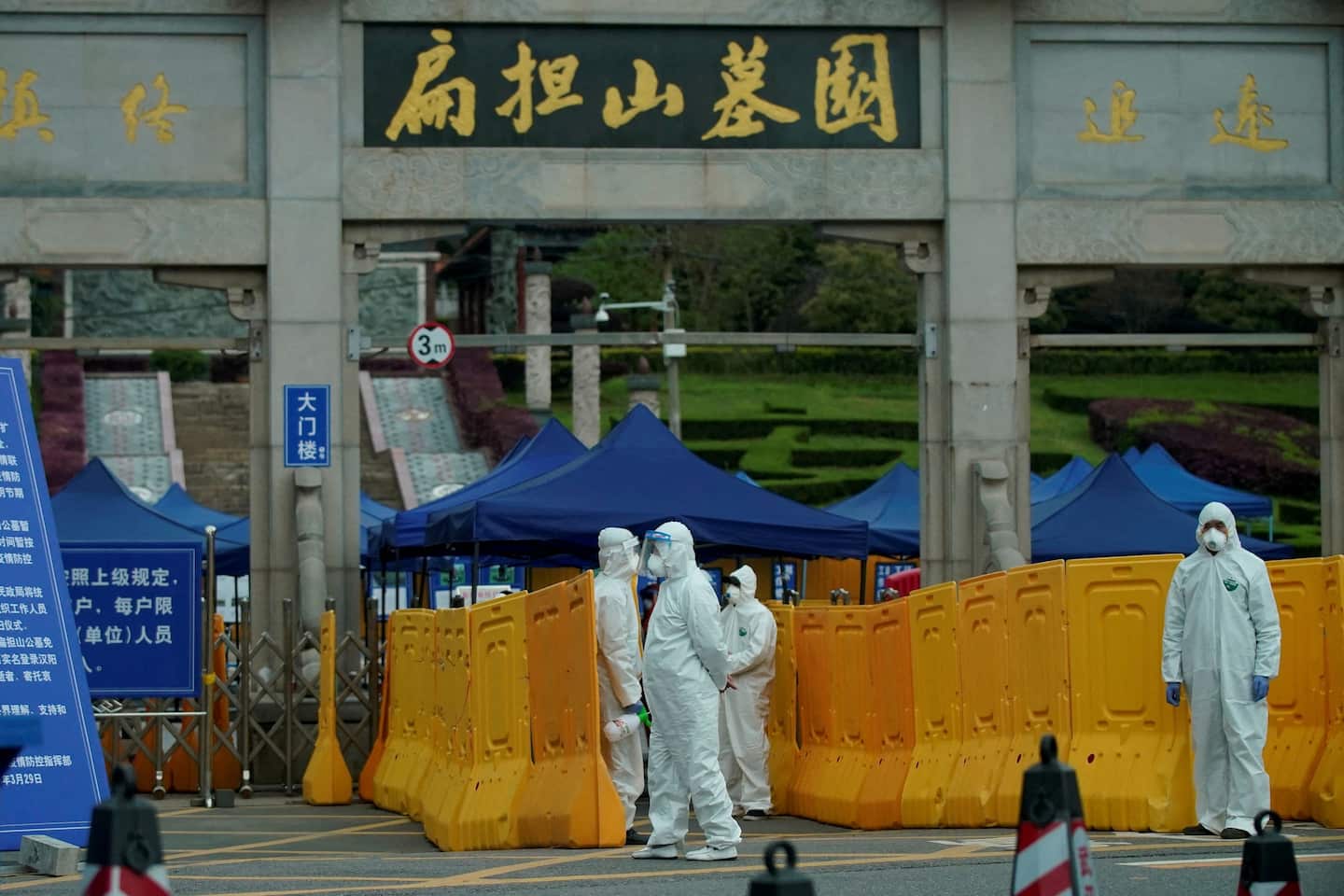
A study on the origins of the COVID-19 pandemic, which concluded that the Huanan Seafood Wholesale Market in Wuhan was the likely epicenter, has been criticized by statisticians who found flaws in the data and methodology used. The critics identified alternative potential origins for the virus and emphasized the need for further investigation. However, the original authors defended their study, pointing to circumstantial evidence and epidemiological links to the market. The definitive evidence for the pandemic's origins remains elusive, but the Huanan Seafood Market continues to be a strong candidate based on available data.
A Chinese scientist attempted to publish the genetic profile of the coronavirus to a U.S. database two weeks before Beijing officially released the sequence, potentially delaying research on tests, treatments, and vaccines. The incident raises questions about how Chinese officials and scientists shared information in the early days of the pandemic, but experts caution that it does not provide insight into the virus's origins. The failure to publish the genetic sequence is seen as a missed opportunity that could have expedited medical interventions. The incident has prompted further scrutiny into the transparency of Chinese officials regarding the virus's origins and the suppression of information by government authorities.
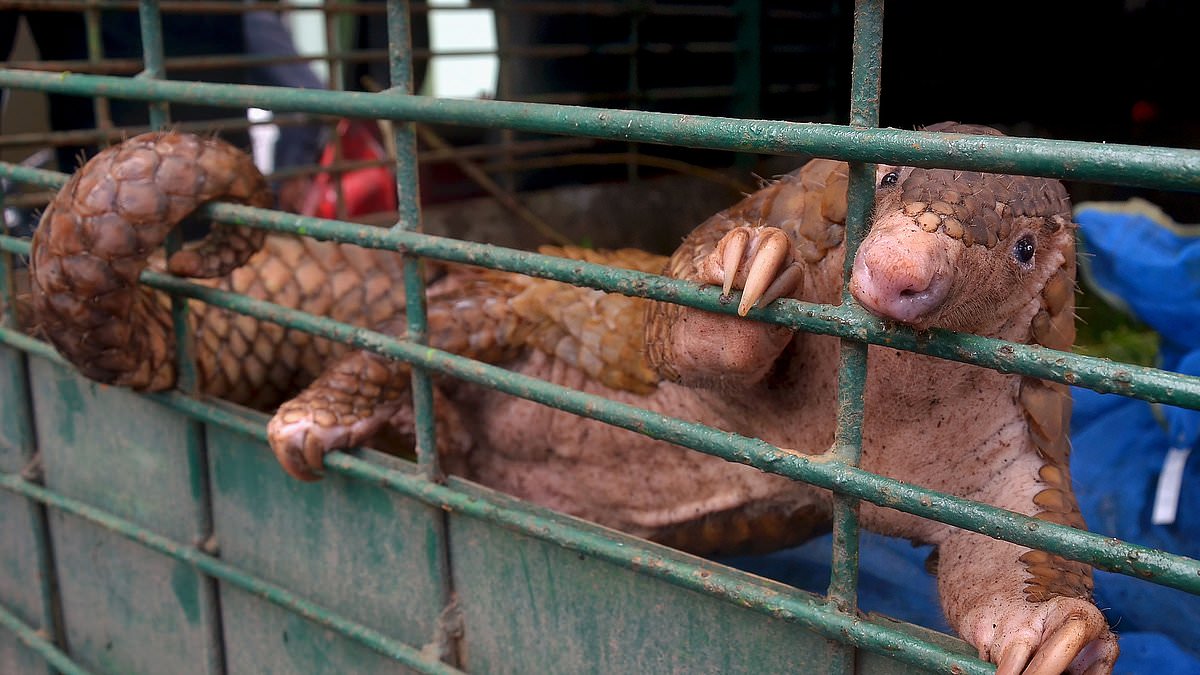
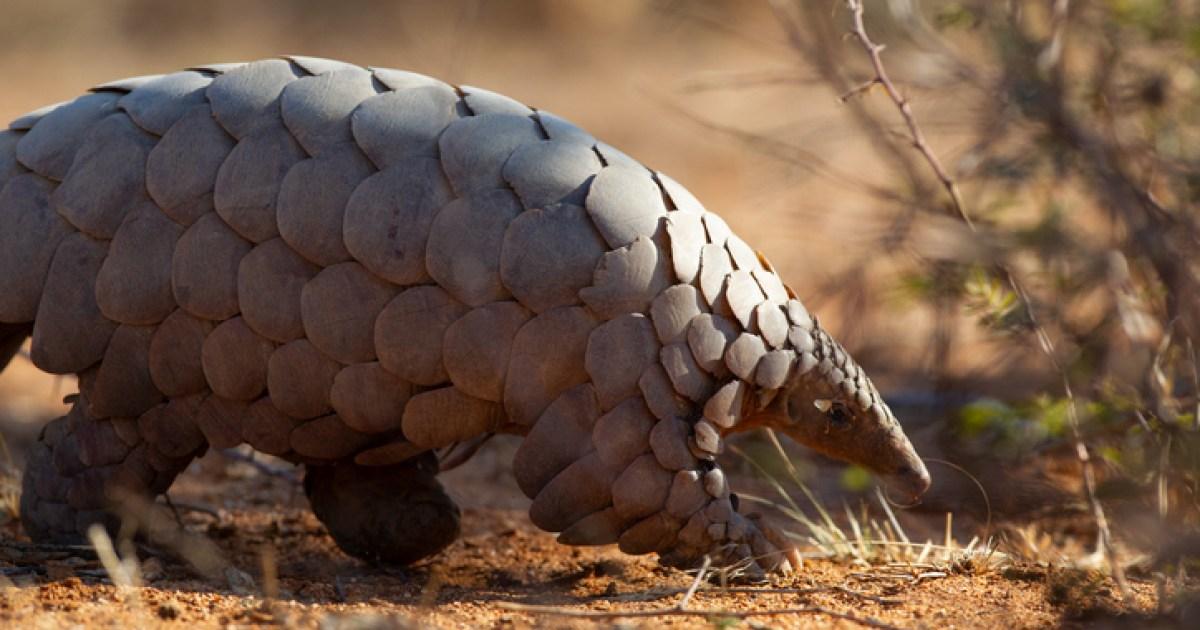
A new study published in Nature suggests that pangolins may have served as the intermediary host between bats and humans in the transmission of the Covid-19 virus. Researchers found that the strain of coronavirus harbored in pangolins was nearly identical to the one that has infected humans, indicating that the virus likely jumped from pangolins to immunocompromised individuals, allowing it to mutate and replicate. This contradicts the theory that the virus originated from a leak at the Wuhan Institute of Virology. The study highlights the need for further investigation into the origins of the pandemic and the role of animal hosts in the transmission of infectious diseases.
Scientists from the University of Virginia have discovered that the SARS-CoV-2 virus, which causes Covid-19, can infect cells through alternative pathways when the ACE2 receptor is blocked. This finding may explain how the virus easily jumps between species, including domestic animals and minks. Understanding how the virus moves between species could help predict its future evolution and potential outbreaks. The study does not provide conclusive evidence on the origins of the pandemic, but highlights the need to monitor and understand the spread of coronaviruses to prevent future pandemics.
The US intelligence report on the origins of Covid-19 says that both natural and laboratory-associated origins remain plausible hypotheses. The report confirms that researchers at China's Wuhan Institute of Virology fell ill in the fall of 2019, but it's not certain that they were sick with Covid-19. The report also confirms that the Wuhan lab did not always adhere to safety protocols in studying coronaviruses. The intelligence agencies are divided on the origin theory, with some favoring the natural origin theory and others favoring the lab leak hypothesis. Republicans in Congress have accused the Biden administration of trying to cover up the lab leak theory.
A report by Senate Republicans suggests that a Chinese laboratory conducting advanced coronavirus research faced a series of biosafety problems in November 2019 that coincided with the emergence of the Covid pandemic. The report concludes that the pandemic more likely began from a lab accident than naturally, via an animal infecting humans.
A 302-page Senate report obtained by Axios suggests that the coronavirus pandemic may have originated from a laboratory accident due to biosafety issues in Wuhan, China. The report evaluates the two leading theories, transfer from wild animals or an accident at a Chinese government lab, and concludes the latter is stronger. The report's case for a lab accident being the cause relies on several lines of evidence, including the absence of naturally occurring viruses with the same composition of the coronavirus and evidence that the virus was circulating in Wuhan before the first known cases connected to the wet market were reported.
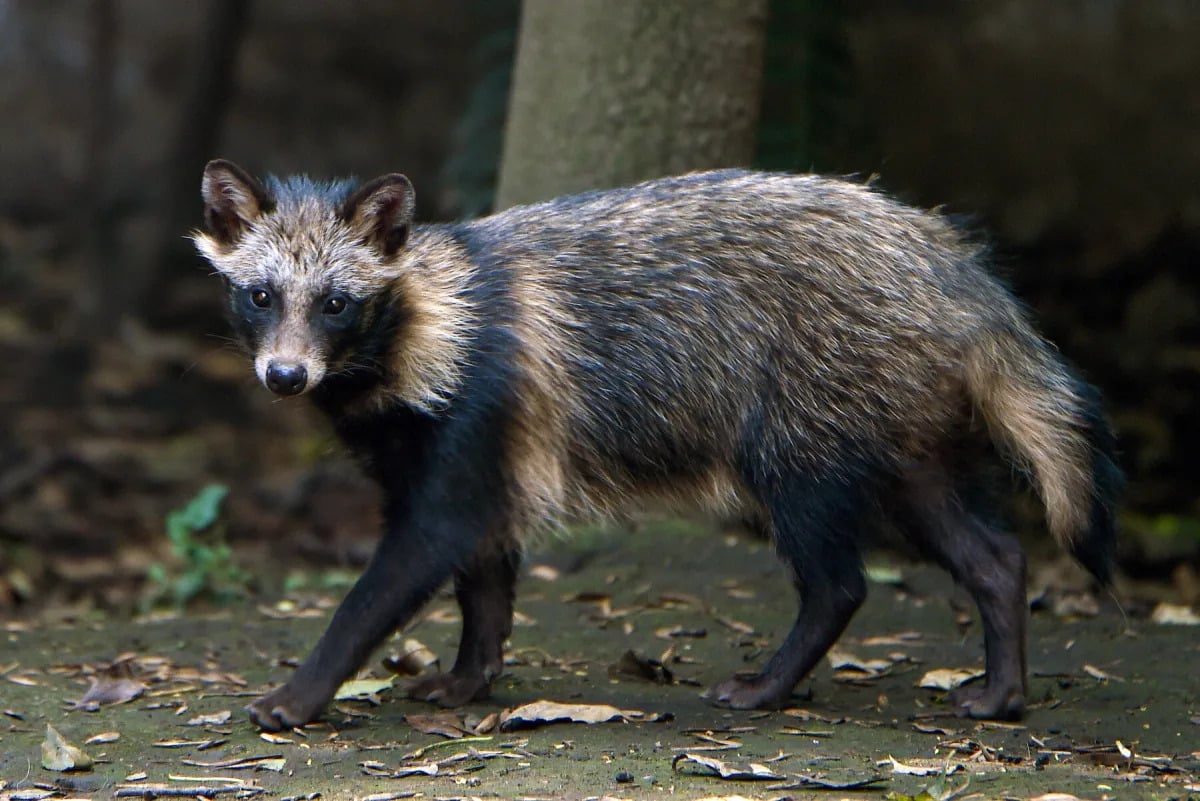
Genetic data from swabs taken from the Huanan Seafood Wholesale Market in Wuhan, China, has linked the coronavirus with raccoon dogs for sale there, adding evidence to the case that the pandemic could have been ignited by an infected animal that was being dealt through the illegal wildlife trade. The genetic data was drawn from samples taken from the market in January 2020, shortly after Chinese authorities had shut down the market because of suspicions that it was linked to the outbreak of a new virus.