Ebola Outbreak in DR Congo Causes 15 Deaths
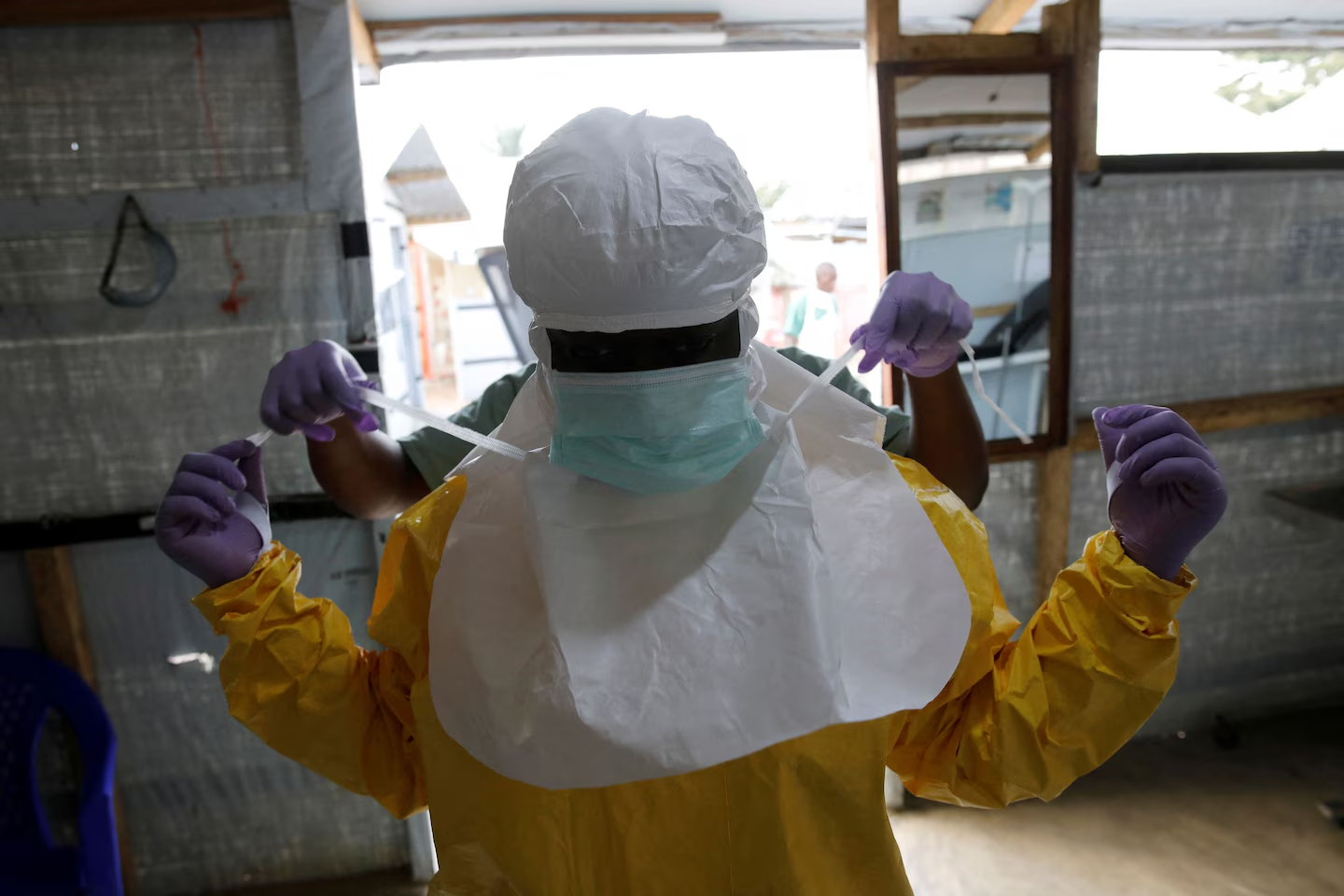
At least 15 people have died in a new Ebola outbreak in the Democratic Republic of Congo, prompting health alerts and response efforts.
All articles tagged with #democratic republic of congo

At least 15 people have died in a new Ebola outbreak in the Democratic Republic of Congo, prompting health alerts and response efforts.

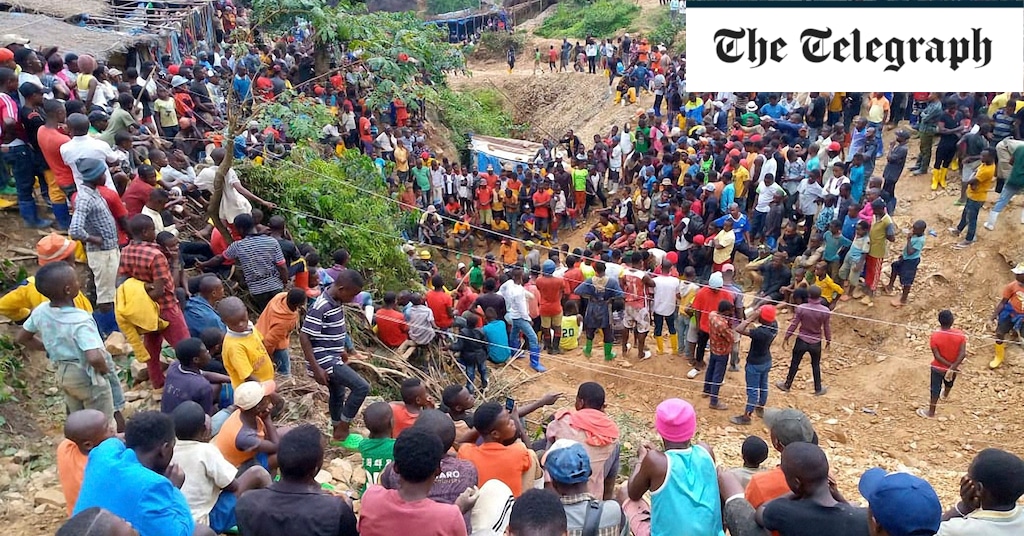
Africa CDC has deployed experts to the Democratic Republic of Congo to investigate an outbreak of an unknown disease, referred to as "Disease X," which has a high mortality rate among children. The agency is collaborating with local health authorities and international partners to enhance disease monitoring and laboratory capabilities, focusing on genomic surveillance and decentralized infrastructure. This effort aims to improve outbreak response and preparedness, with Africa CDC providing advanced diagnostic tools and expertise to support the investigation and control measures.

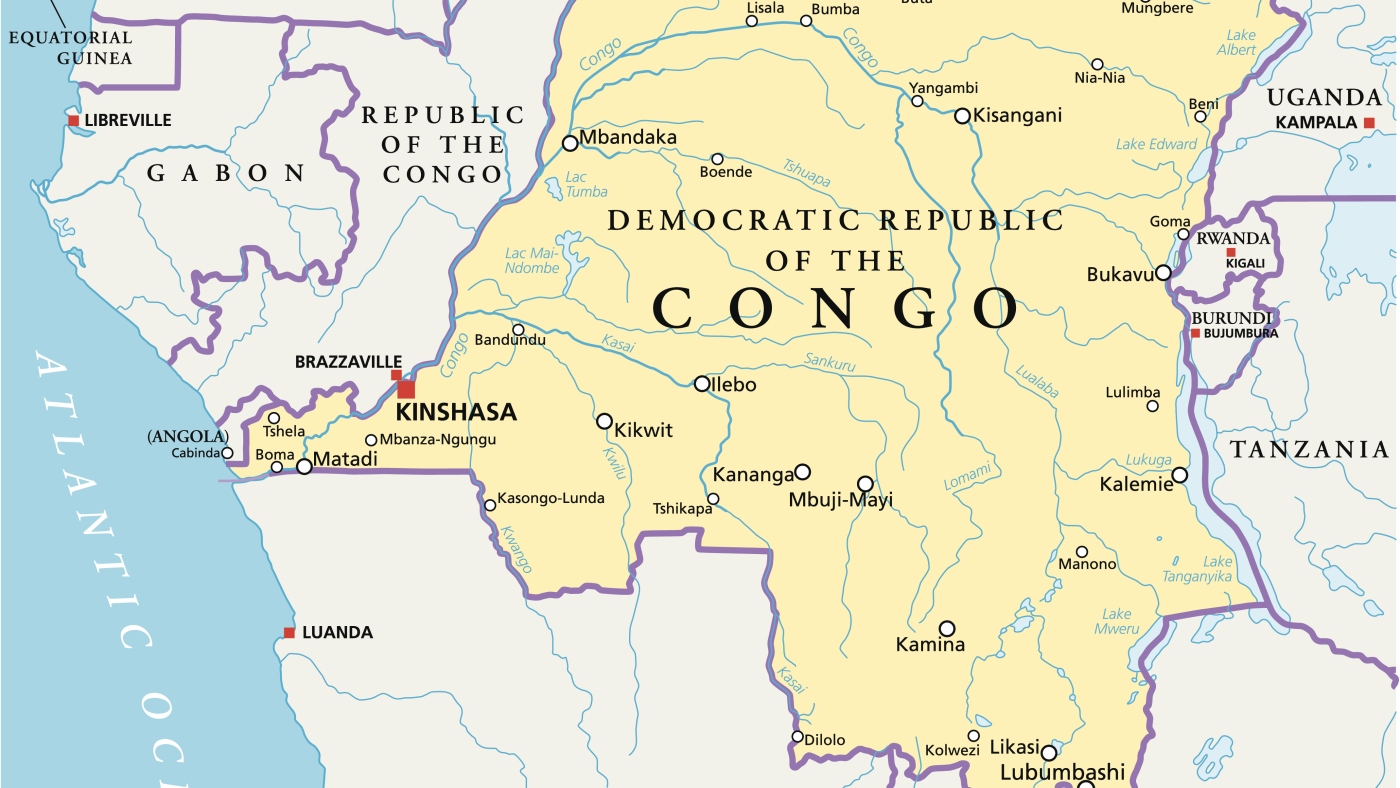
A mysterious illness, dubbed Disease X, has emerged in Kwango Province, Democratic Republic of Congo, with nearly 400 cases and 79 deaths reported. The disease, which presents symptoms like fever and cough, is under investigation by local and international health authorities, including the WHO and Africa CDC. While the disease's nature and transmission method remain uncertain, preliminary tests suggest it may be airborne. The delay in alerting national authorities highlights the need for improved disease surveillance. International teams are actively involved in containment efforts.

A mystery flu-like disease in Congo has killed 71 people, nearly half of whom were children, prompting the government to be on high alert. The disease, which presents symptoms such as fever, headache, cough, and anemia, has led to deaths primarily due to respiratory issues and lack of blood transfusions. Epidemiologists are investigating the outbreak in the southern Kwango province. This health crisis comes as Congo is already dealing with a significant mpox epidemic, with over 47,000 suspected cases and more than 1,000 deaths, leading to a vaccination campaign initiated in October.

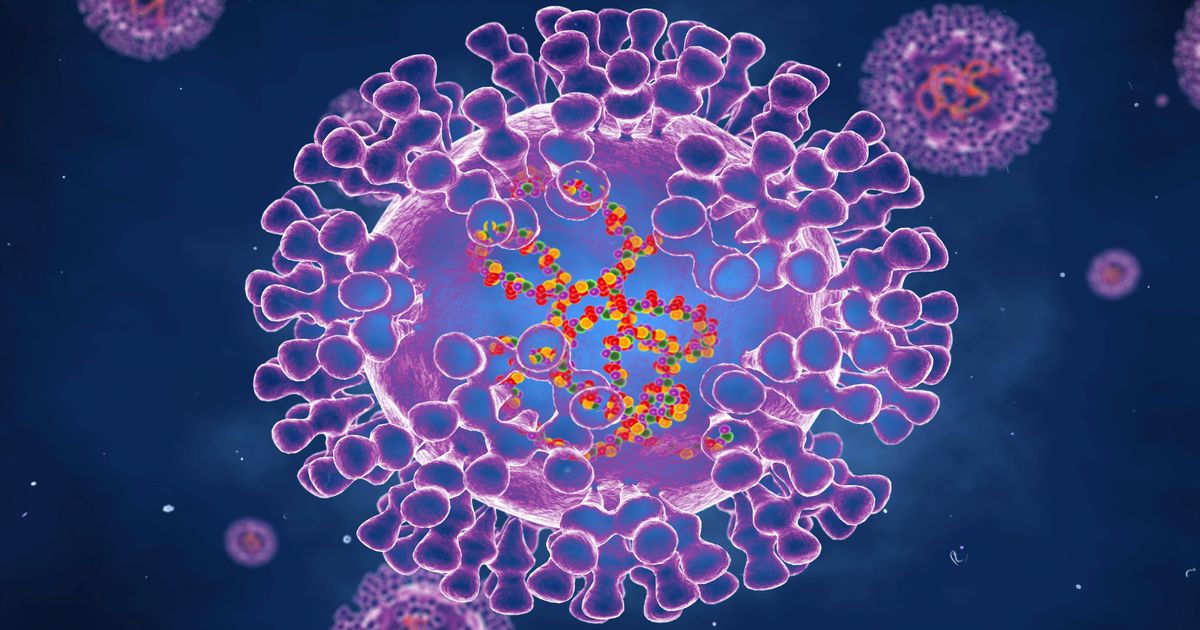
Scientists have discovered a new strain of monkeypox, officially known as mpox, with "pandemic potential" in a mining town in the Democratic Republic of Congo. The mutated version, named "clade 1b", is thought to be better at spreading and has raised concerns about the potential for national and international spread. Health ministers have called for swift action to avert another global outbreak, as the virus has a history of causing mild illness but can lead to serious cases and has already resulted in deaths.

A new strain of mpox with "pandemic potential" has been discovered in the Democratic Republic of Congo, specifically in the mining town of Kamituga. Named "clade 1b," this mutated virus is better at spreading between people, particularly through sexual contact, and has mutations that evade some existing tests. The outbreak raises concerns due to its potential to spread nationally and internationally, especially given the highly mobile population in the area. Urgent action, including surveillance, contact tracing, and targeted vaccinations, is recommended to halt the spread of the new strain, as it poses a substantial risk of escalation beyond the current area and across borders.

The genocide against the Tutsi in Rwanda in 1994 has had a profound impact on the Democratic Republic of Congo (DRC), particularly in the eastern regions where Congolese Tutsi communities reside. The involvement of these communities in the Rwandan civil war and subsequent conflicts has shaped regional dynamics, with both Rwanda and the DRC using Tutsi populations to justify their military involvement. The fallout from the genocide continues to fuel tensions and conflicts in the DRC, highlighting the need for political solutions and international support to address the lasting impact of these historical events.

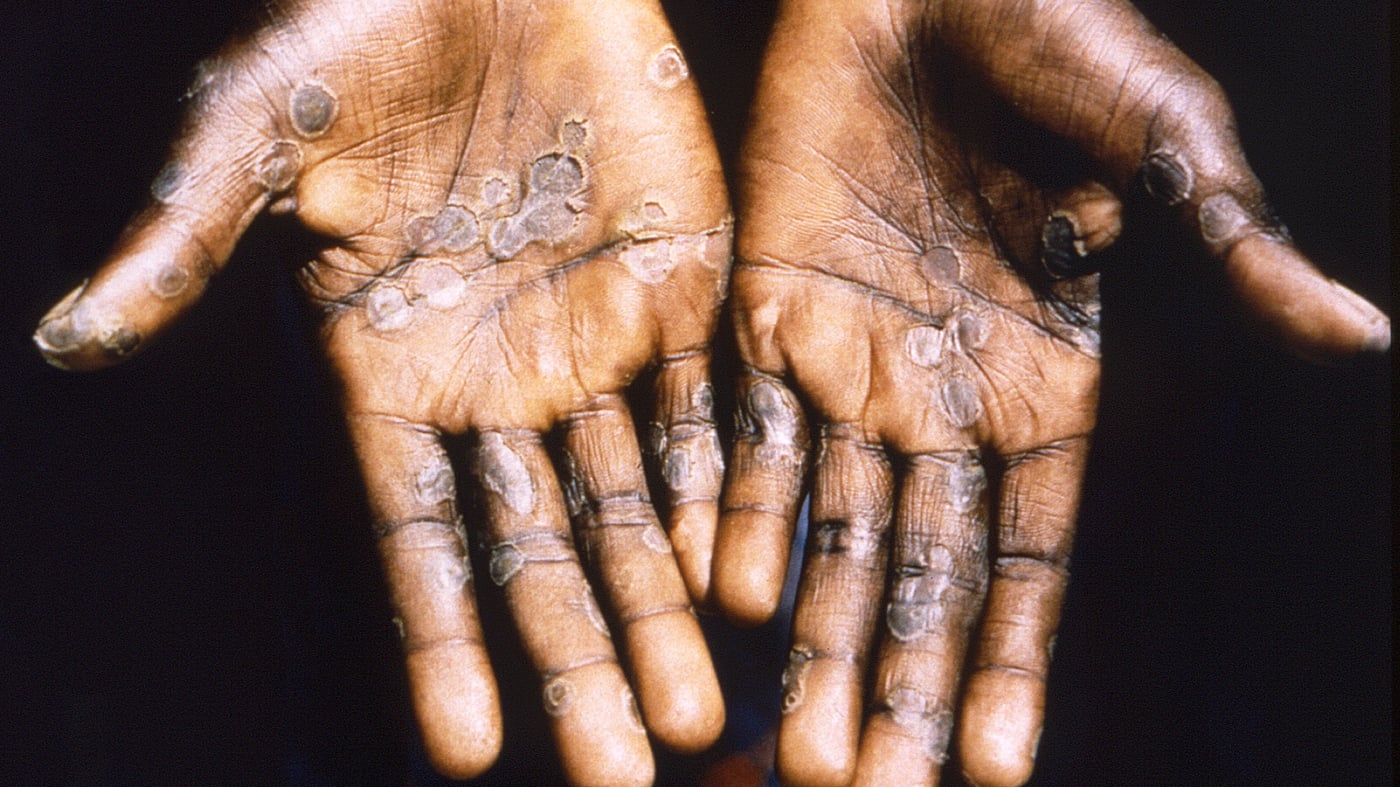
The Democratic Republic of Congo is experiencing a major outbreak of mpox, with a particularly deadly strain causing concern among public health experts. The virus is spreading rapidly, affecting mostly children, and is now being transmitted in new ways, including sexually. Diagnostic tests are struggling to keep up with the evolving virus, and vaccine distribution faces challenges due to supply issues and the country's existing health crises. The global health community is urgently working to respond to the escalating situation and prevent further spread of the disease.

The governments of the Democratic Republic of Congo and the Republic of Congo have denounced former President Donald Trump's baseless claims that their countries have emptied prisons to send violent criminals to the US border as migrants. Both countries have stated that Trump's assertions are entirely false, with no evidence to support them. Experts, media databases, and federal figures also found no evidence to corroborate Trump's claims, which have been part of a pattern of unsubstantiated stories about foreign countries supposedly sending undesirable migrants to the US.

The United States strongly condemns the escalating violence in eastern Democratic Republic of Congo caused by the Rwanda-backed M23 armed group, urging them to immediately cease hostilities and withdraw from their current positions. The US also condemns Rwanda's support for the M23 armed group and calls for the withdrawal of Rwanda Defense Force personnel from DRC. Additionally, the US calls on the DRC government to support confidence building measures and cease cooperation with the Democratic Forces for the Liberation of Rwanda, while supporting regional diplomatic efforts for de-escalation and a negotiated solution.

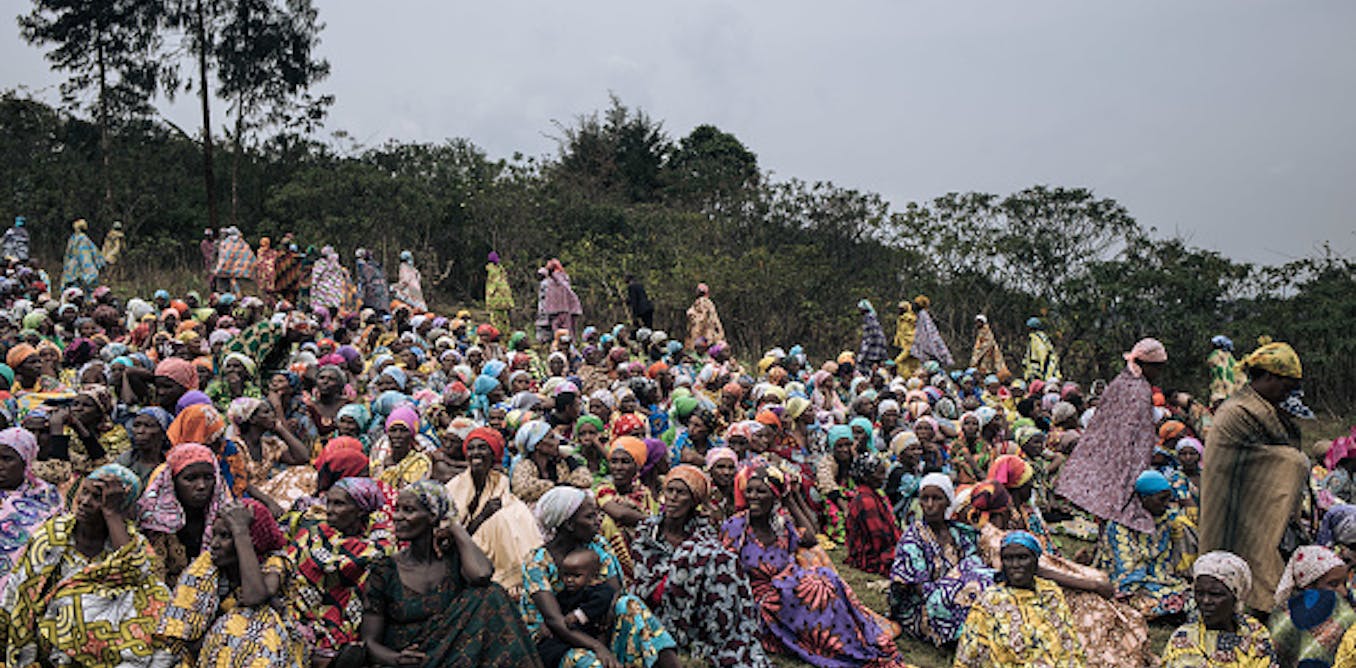
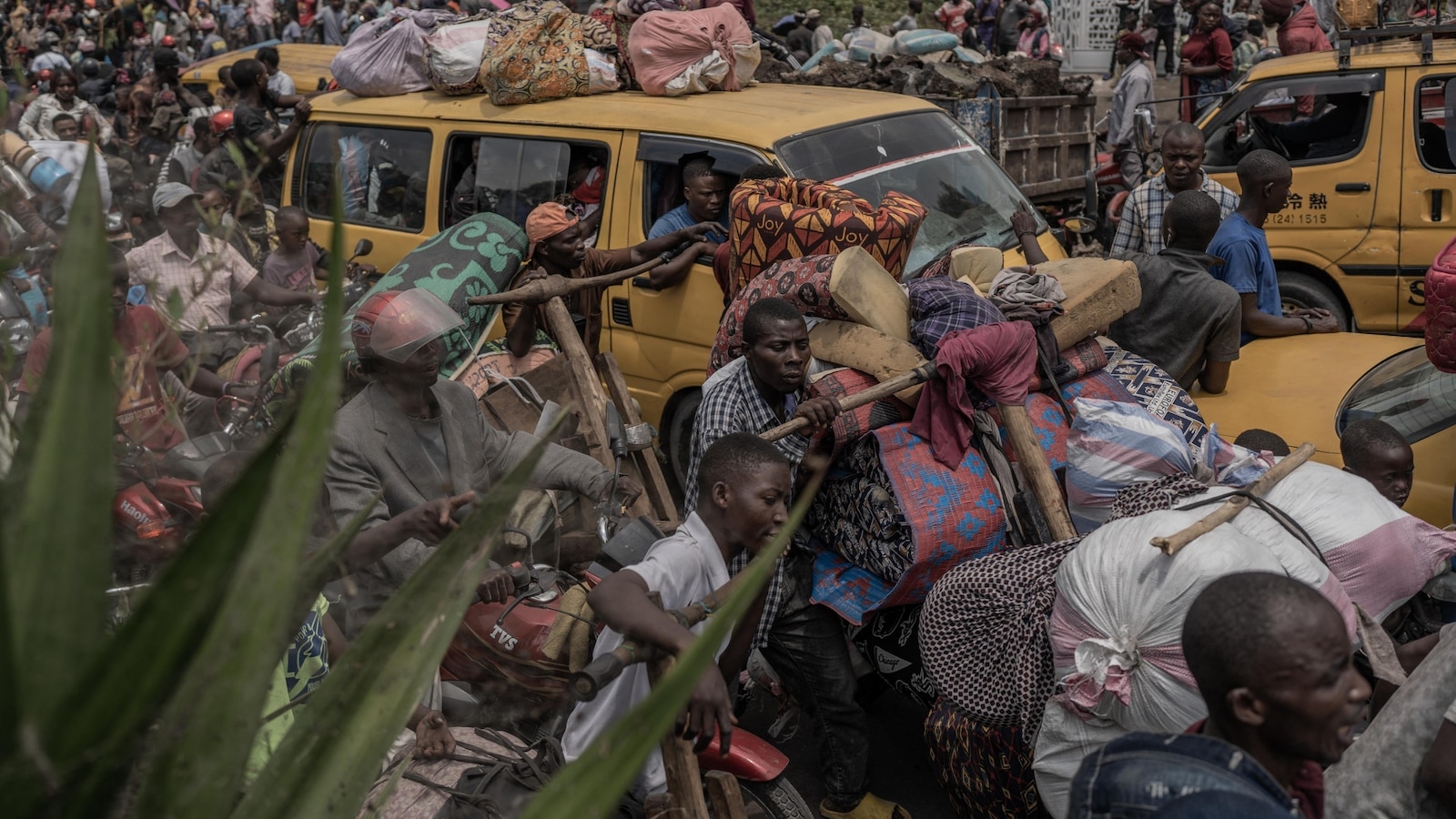
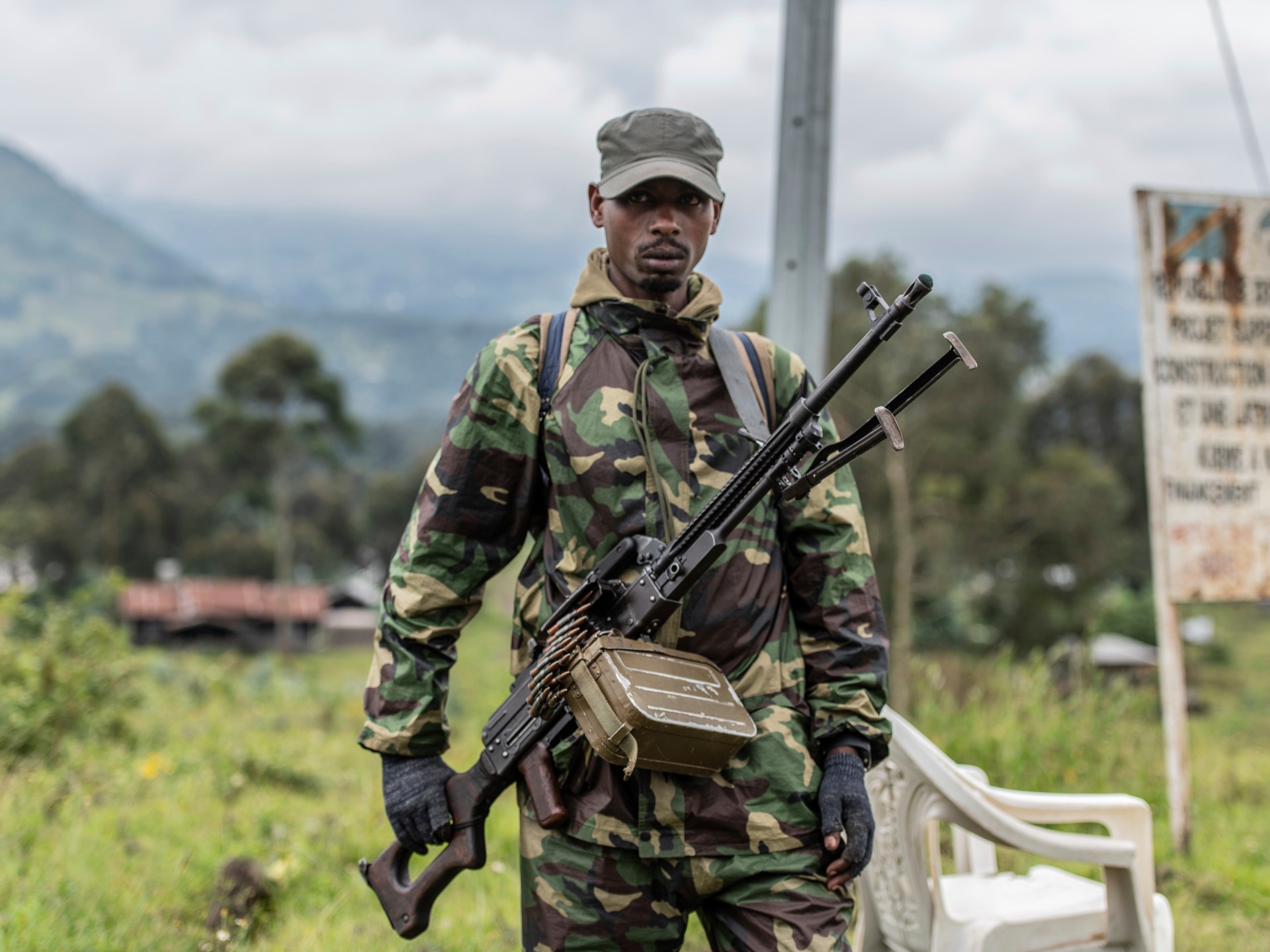
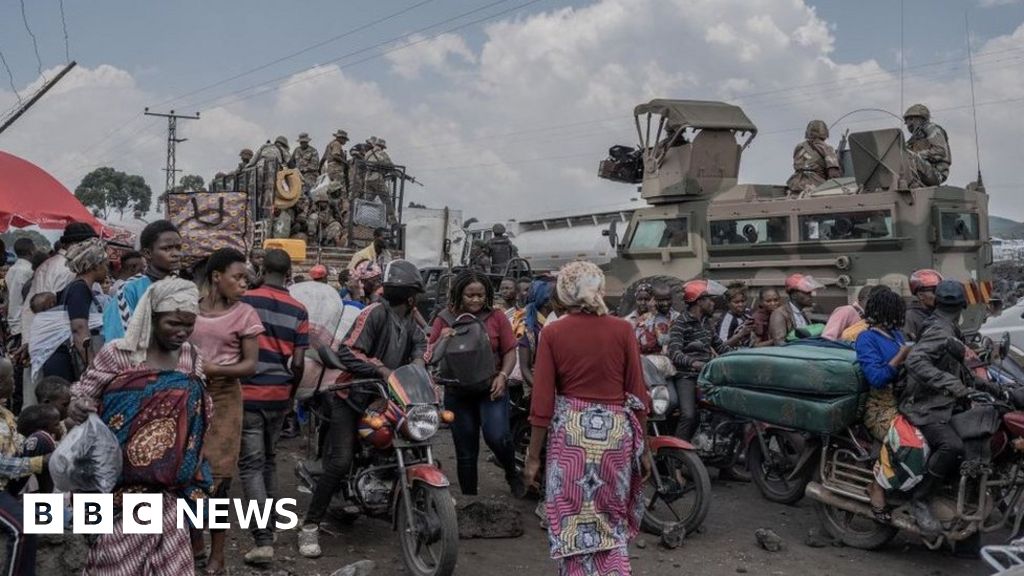
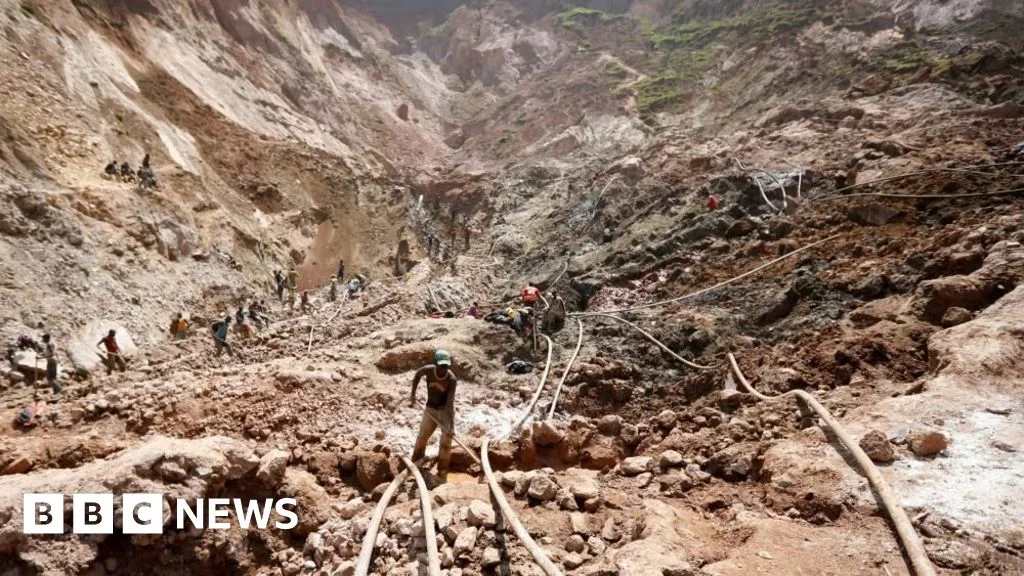
Over 200 people have been killed and thousands forced to flee as violence escalates in eastern Democratic Republic of Congo, with the M23 rebel group advancing towards Goma, the capital of North Kivu province. The conflict, fueled by historic ethnic and national rivalries, competition for mineral resources, and geopolitical tensions, has led to widespread displacement and destruction. The international community is urging de-escalation and supporting regional initiatives aimed at resolving the crisis.

Two South African soldiers were killed and three injured by mortar fire in eastern Democratic Republic of Congo, where they were deployed as part of a Southern African Development Community (SADC) mission to combat armed rebel groups. The violence in the region has escalated, with many attributing attacks to the M23 rebel group, which is accused of receiving military support from neighboring Rwanda. The conflict has led to over one million people being displaced, posing a significant threat to the aid system in eastern Congo.

South Africa is deploying thousands of troops to the Democratic Republic of Congo (DRC) to assist in resisting rebel attacks, with casualties already reported. The conflict in the DRC involves numerous rebel groups vying for control of the resource-rich eastern region, with the M23 rebels causing significant humanitarian crisis. Previous military interventions by East African and UN forces have been perceived as failures, leading to the deployment of a Southern African Development Community (SADC) force. However, concerns remain about the effectiveness of SADC troops against the M23 rebels, especially given their involvement in another conflict in Mozambique.

South African troops in the Democratic Republic of Congo suffered their first fatalities since their recent deployment, with two soldiers killed and three injured by a mortar bomb. The troops are part of a regional force assisting DR Congo's military in confronting armed groups, including the M23 rebellion. South Africa plans to contribute 2,900 troops in total to the force, which is part of a 16-member regional bloc. The deployment follows the exit of an East African force at the DR Congo government's request, with President Félix Tshisekedi hoping for more success with the new southern African force.

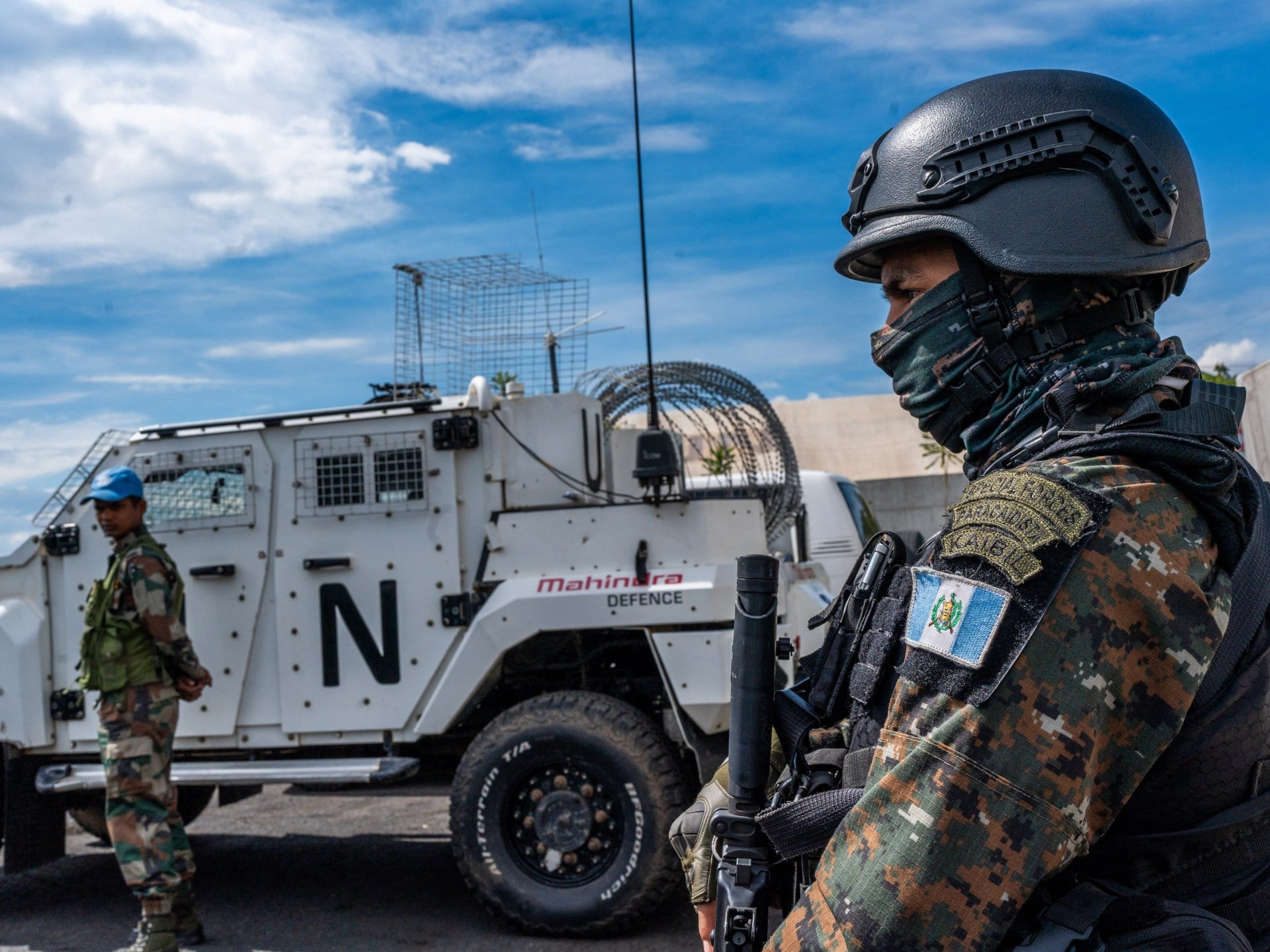
Thousands of people, including children, are seeking shelter in an overwhelmed hospital in North Kivu province, DRC, as fighting escalates between the M23 rebel group and the Congolese army. Medical facilities are receiving an influx of war-wounded patients, and at least 150,000 people, including 78,000 children, have been forced to flee their homes in the past week. The United Nations has called on the M23 group to cease its offensive, while the UN peacekeeping mission is set to complete its withdrawal from the country this year. The conflict has caused a humanitarian disaster, forcing over one million people from their homes since March 2022.