Tag

Jn1 Variant

All articles tagged with #jn1 variant

health1 year ago

FDA Advisors Endorse JN.1-Based COVID Vaccine for Fall

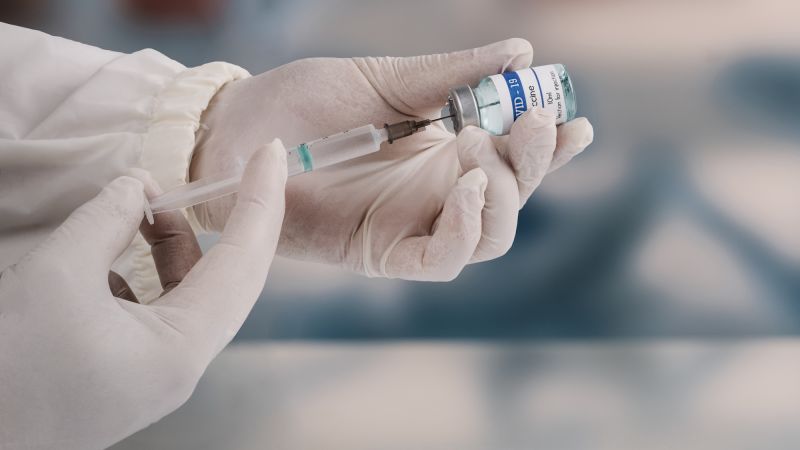
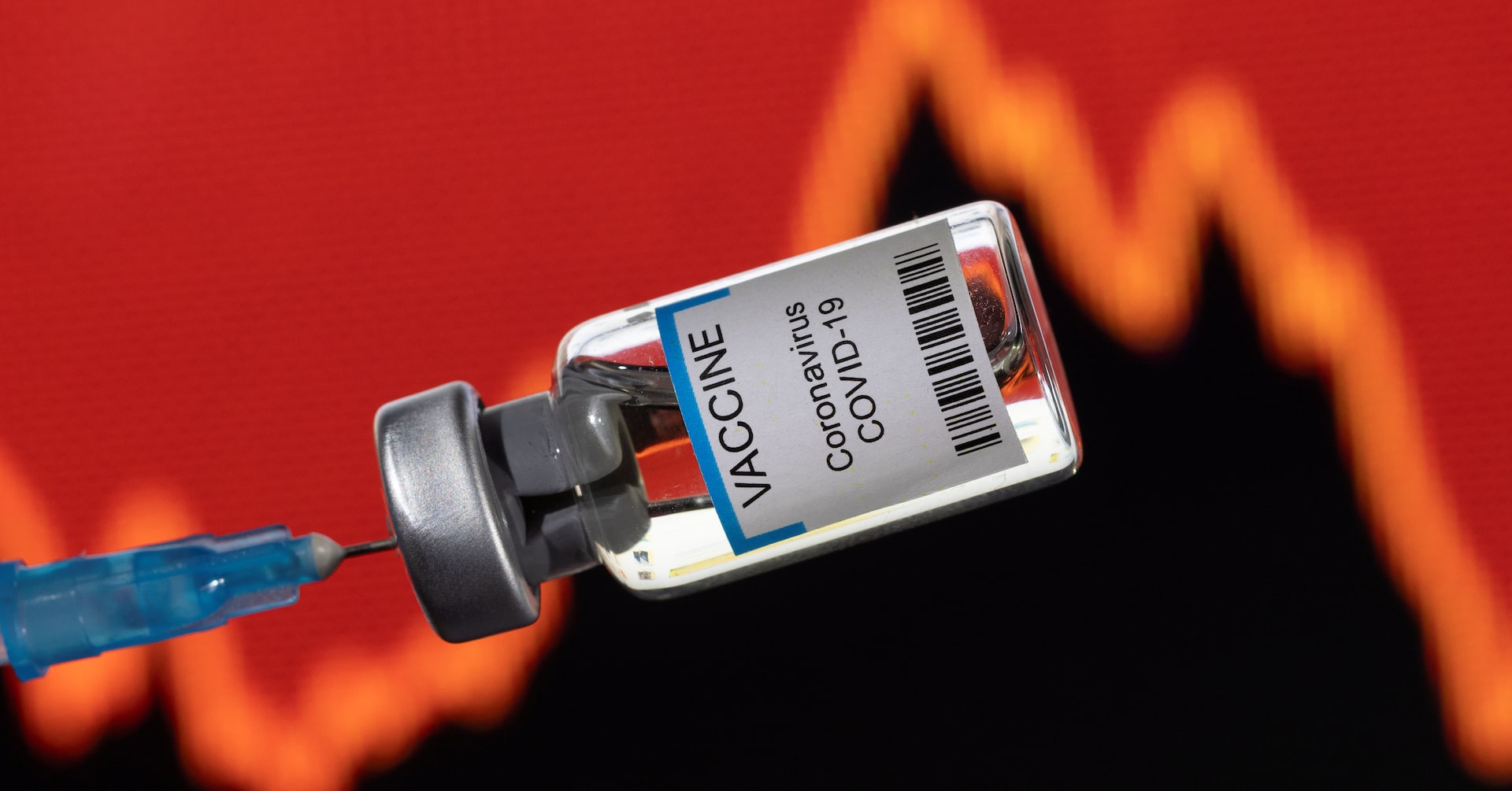
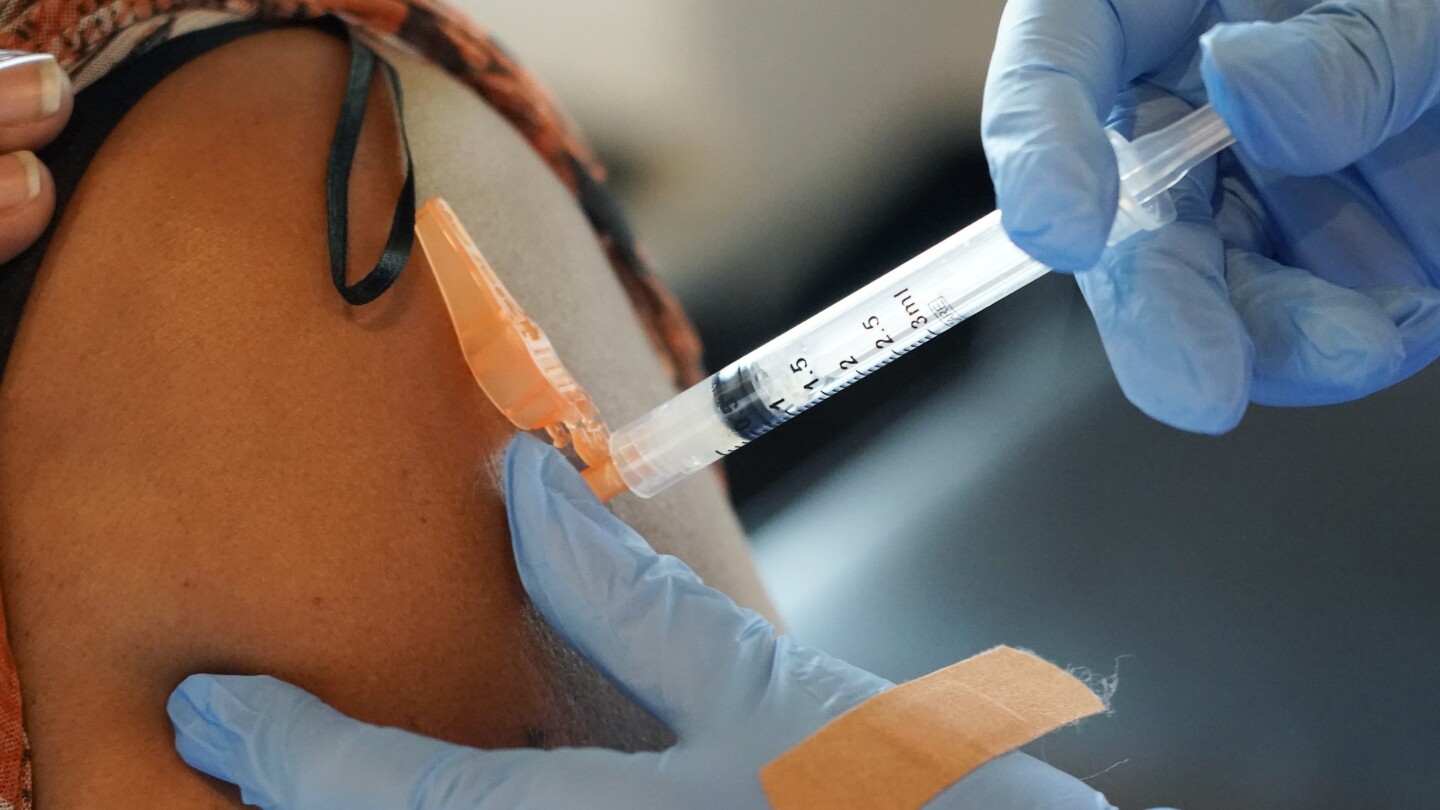
The FDA's advisory committee has unanimously recommended updating the Covid-19 vaccine to target the JN.1 lineage for the 2024-2025 season. This new monovalent vaccine aims to improve protection against the most common variants currently in circulation. The decision now awaits full FDA approval, with manufacturers like Pfizer, Moderna, and Novavax prepared to supply the updated shots by fall. Despite low current Covid-19 cases and hospitalizations, experts emphasize the need for updated vaccinations to maintain protection, especially as immunity from previous shots wanes over time.

health1 year ago

FDA Panel to Review Targeting JN.1 Variant in New COVID Shots

FDA advisers will vote on whether COVID-19 vaccines for 2024-25 should target the JN.1 variant, the most dominant strain this year. Novavax shares rose 11% following the release of related documents. The FDA staff suggested that vaccine makers might need to consider targeting subvariants like KP.2 due to the virus's evolution. The meeting was postponed to gather more data on the circulating virus. This decision differs from WHO's April recommendation to target only the JN.1 strain.

health-covid-191 year ago

CDC Considers Ending 5-Day Covid Isolation Guidelines

The CDC is reportedly planning to end its recommendation for a five-day Covid-19 isolation period, allowing those with mild symptoms to return to school or work if fever-free for 24 hours, pending approval from the Biden administration. Other states have already loosened their isolation policies, and the CDC's decision comes amid rising infections and hospitalizations, largely attributed to the JN.1 variant, which has shown reduced effectiveness of Covid-19 vaccines.

health1 year ago

"Unveiling the Prolonged Impact: Insights into Long COVID and Immunity Duration"

Despite a decrease in severe cases, COVID-19 remains a concern with the emergence of the JN.1 variant, a hypermutated subvariant of omicron. Immunity from a COVID-19 infection typically wanes after 3-4 months, making vaccination crucial for protection. Vaccines may not fully prevent infection, but they significantly reduce the risk of severe disease. The oral antiviral medication Paxlovid is approved for mild or moderate COVID-19 cases, and may also reduce the risk of long COVID. Long COVID, affecting about 20 million Americans, presents a range of symptoms and challenges, with no definitive treatment yet. Experts emphasize the importance of vaccination and ongoing research to address the evolving landscape of COVID-19.

health1 year ago

"Understanding and Adapting to the JN.1 COVID Variant"

The emergence of the JN.1 COVID-19 variant, with significant evolutionary changes and global spread, highlights the ongoing threat of the virus and the need for sustained global health efforts. The variant's distinct characteristics, including immune evasion and unique cell entry, raise concerns about disease severity and transmission. While current vaccines and treatments remain effective, continued surveillance and research are crucial for pandemic preparedness and response, emphasizing the importance of comprehensive strategies to reduce COVID transmission and impacts.

health1 year ago

"Japan Braces for 10th Wave of COVID-19"

Japan is likely experiencing its 10th wave of COVID-19 infections, driven by the highly contagious new JN.1 variant, with reported cases increasing for nine consecutive weeks. Infectious disease expert Norio Sugaya has urged the public to take precautions, as the country shifted to a monitoring method covering cases reported by selected medical institutions and lowered the status of COVID-19 under the infectious disease law to Class 5 last May.

health1 year ago

"Understanding and Defending Against the Fast-Spreading JN.1 COVID Variant"

The JN.1 variant of COVID-19 is rapidly spreading across the U.S., with the CDC reporting it as the predominant variant. While it may be more transmissible, there is no evidence that it causes more severe disease or poses an increased risk to public health. Vaccination is still effective against this variant, and getting vaccinated is crucial in preventing further spread and potential mutations. With only 11% of the U.S. population vaccinated, health experts emphasize the importance of increasing vaccination rates to reduce the spread of the virus and mitigate the risk of new variants.

health1 year ago

"JN.1 Variant Dominates: CDC Reports 86% of US COVID Cases"

The JN.1 variant of COVID-19, a highly contagious offshoot of the Omicron strain, now accounts for around 86 percent of cases in the United States, marking a significant increase from less than 5 percent in early November. Despite its rapid spread, available evidence does not suggest that JN.1 causes more severe disease than other variants. The World Health Organization has declared it a "variant of interest" due to its genetic features potentially evading previous immunity. Symptoms of JN.1 infection are similar to previous Omicron variants, and it has become the most dominant variant globally.

health1 year ago

JN.1 Variant Dominates: CDC Data Reveals Impact on COVID Cases

The emergence of the JN.1 variant of COVID-19 represents a significant evolutionary "step change" in the pandemic, as it has rapidly spread and become dominant in many regions, driving a major wave of infections. JN.1 is distinct from previous variants, with over 30 mutations in its spike protein and the ability to evade immunity. While it remains unclear if JN.1 is more severe, it poses a significant global health threat and highlights the ongoing need for comprehensive strategies to reduce transmission and impacts. Continued global surveillance and intensified research are crucial for pandemic preparedness and response.

health-covid-192 years ago

"Understanding COVID Variant JN.1: Prevalence, Symptoms, and Prevention"

The JN.1 variant of COVID-19 has become the most prevalent strain in the U.S., accounting for up to 86% of new cases, with symptoms similar to previous iterations. Low vaccination rates and the rapid evolution of the virus contribute to its spread, prompting the CDC to emphasize the importance of vaccination and testing. The latest COVID vaccines are expected to reduce the risk of severe illness or hospitalization from JN.1, and individuals, especially those at higher risk, are urged to take precautions such as wearing masks, avoiding crowded places, and getting tested if symptomatic.

health2 years ago

"Understanding the Impact of COVID Variant JN.1 on the Pandemic"

The JN.1 variant of COVID-19 has become the most prevalent strain in the U.S., accounting for up to 86% of new cases, with concerns about its rapid spread and the need for updated vaccinations. Symptoms are similar to previous strains, and precautions such as vaccination, testing, and wearing masks are recommended, especially for high-risk individuals. The CDC warns of potential strain on healthcare systems due to rising cases of flu, RSV, and COVID-19, and urges people to stay home if sick.

health2 years ago

"Understanding COVID Variant JN.1: Severity and Symptoms Revealed"

CDC data shows that the JN.1 variant of COVID-19, currently the most common strain in the US, is not more severe than previous forms. The agency stated that there is no evidence that JN.1 causes more severe disease and that current COVID-19 vaccines are expected to provide protection against it. Despite its rapid growth, the variant does not present an increased risk to public health relative to other circulating variants, and existing vaccines, tests, and treatments are anticipated to be effective against it.

health2 years ago

"Timing and Accuracy of Home COVID Tests for New Variant Contagion"

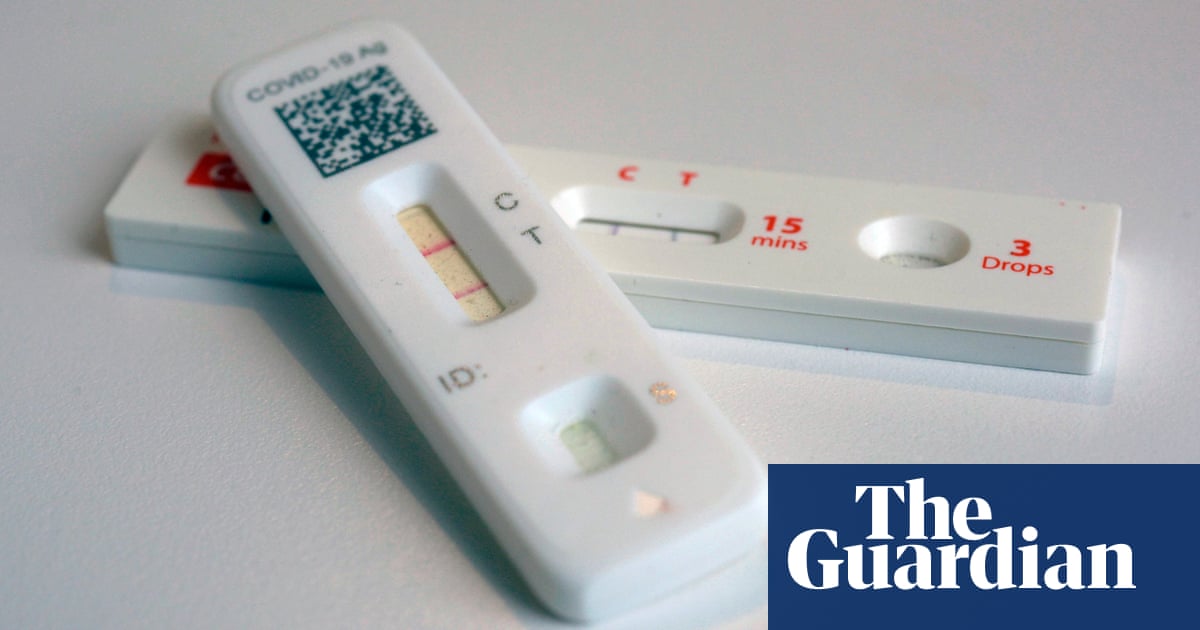
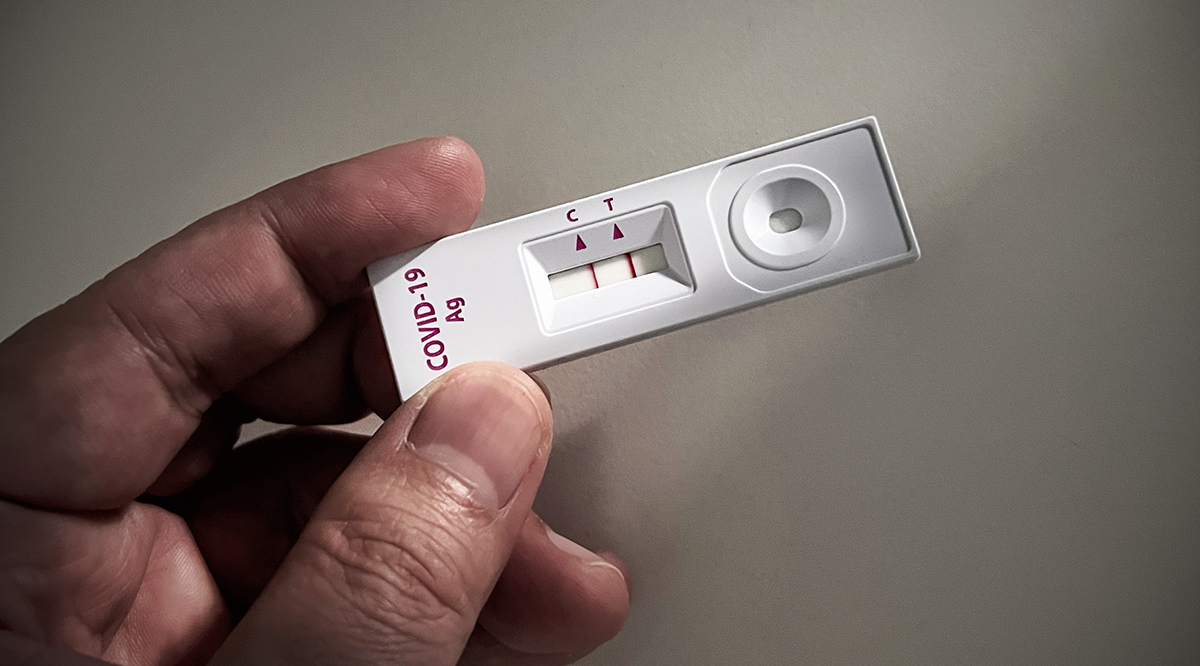
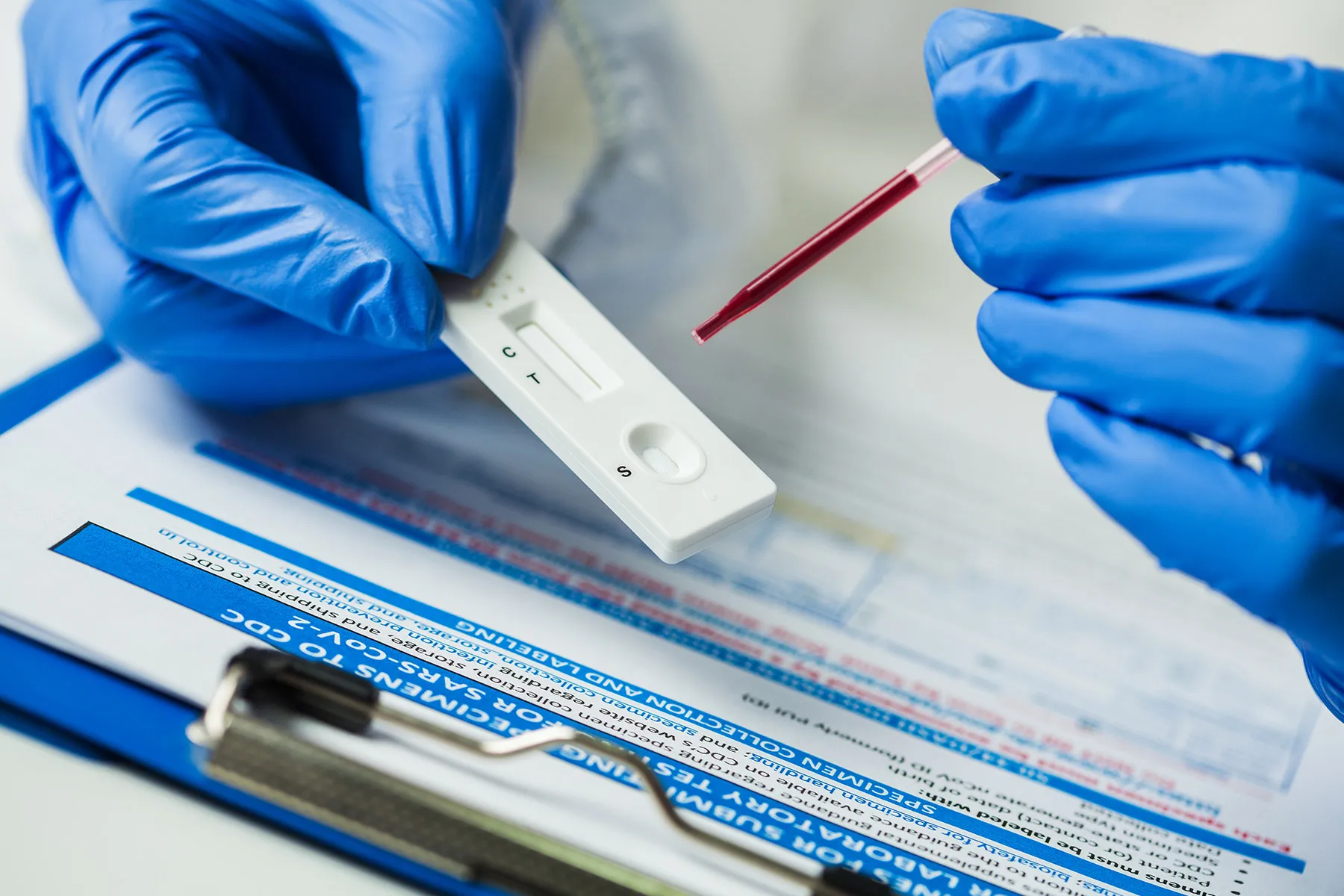
The JN.1 variant of COVID-19 may take longer to show a positive result on home antigen tests, triggering concerns about their effectiveness. Infectious disease experts attribute this to our stronger immune systems, which now detect the virus earlier, causing symptoms to appear sooner. A study found that viral load peaks around the fourth day of symptoms, affecting the sensitivity of home tests. The CDC advises retesting or getting a PCR test if a home test is negative, but acknowledges the challenges and costs of repeat testing.

health2 years ago

"JN.1 Variant Dominates 86% of US COVID Cases, CDC Reports"

The CDC estimates that the JN.1 subvariant accounts for about 85.7% of COVID-19 cases in the United States as of Jan. 19, making it the most widely circulating variant of SARS-CoV-2 in the country and globally. There is currently no evidence that JN.1 causes more severe disease than other variants, and available vaccines are expected to increase protection against it. JN.1, classified as a "variant of interest" by the World Health Organization, has seen an increase from the estimated prevalence of 55% to 68% of cases in the U.S. as per the CDC's projections from Jan. 5.