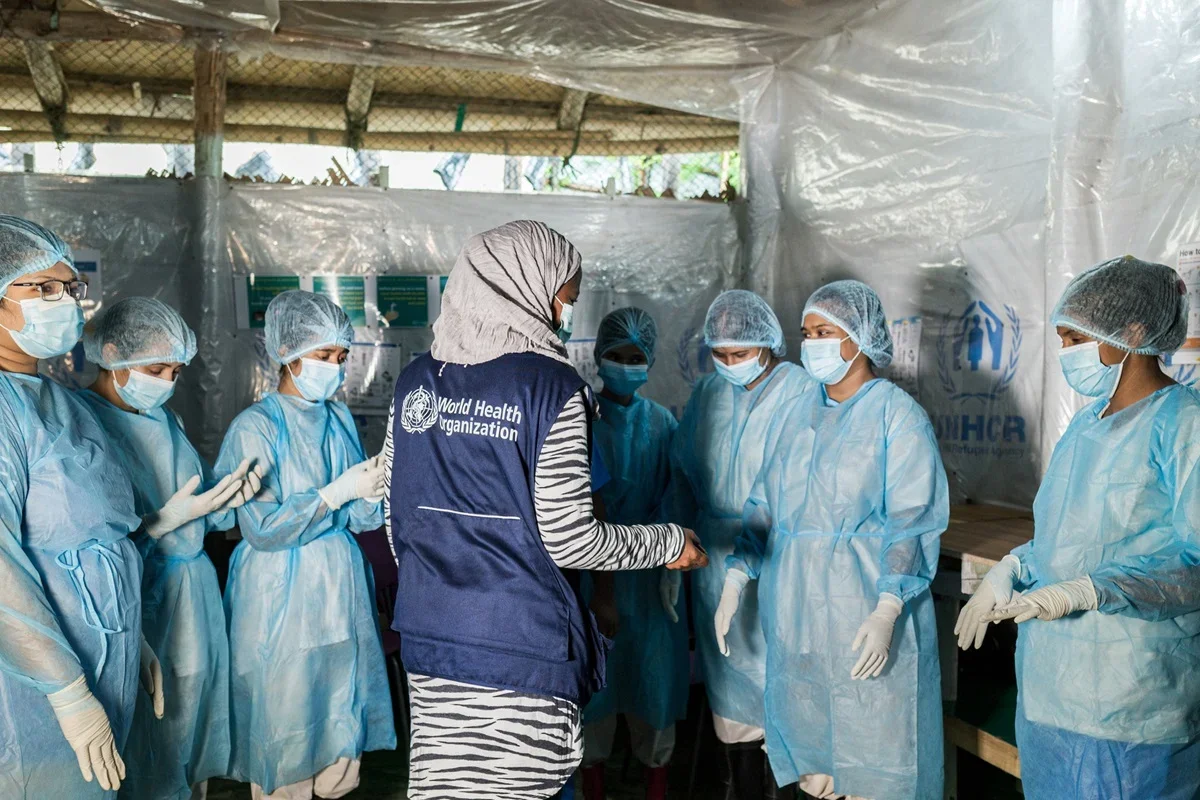
The Biden Administration has unveiled a new Global Health Security Strategy aimed at preventing, detecting, and responding to the spread of infectious diseases globally. The strategy includes expanding health security partnerships to 50 countries, improving coordination across the U.S. government, and seeking international commitments to pandemic preparedness. However, experts express concerns about gaps in the strategy, including insufficient funding and lack of focus on disinformation about vaccines and public health. The U.S. initiative comes as the World Health Organization works on its own pandemic accord, with negotiations ongoing about information sharing, vaccine distribution, and financing.
The Biden administration has announced a new partnership with 50 countries, primarily in Africa and Asia, to help them identify and respond to infectious diseases in an effort to prevent future pandemics like COVID-19. The Global Health Security Strategy aims to enhance testing, surveillance, communication, and preparedness in these countries. This initiative comes as countries struggle to reach a worldwide accord on pandemic responses, with ongoing talks for a pandemic treaty facing major disputes. The U.S. will continue its global health strategy to prevent future pandemics, with several government agencies providing support to refine infectious disease responses in partner countries. The U.S. has already begun assisting Congo in its response to an mpox virus outbreak, and aims to have 100 countries signed onto the program by the end of the year.
A new strain of mpox with "pandemic potential" has been discovered in the Democratic Republic of Congo, specifically in the mining town of Kamituga. Named "clade 1b," this mutated virus is better at spreading between people, particularly through sexual contact, and has mutations that evade some existing tests. The outbreak raises concerns due to its potential to spread nationally and internationally, especially given the highly mobile population in the area. Urgent action, including surveillance, contact tracing, and targeted vaccinations, is recommended to halt the spread of the new strain, as it poses a substantial risk of escalation beyond the current area and across borders.
The Biden-Harris Administration has released the U.S. Global Health Security Strategy (GHSS) to strengthen global health security, aiming to prevent, detect, and respond to health security threats. The strategy focuses on bilateral partnerships, political commitment, financing, and leadership, as well as maximizing linkages between health security and complementary programs. It sets out three goals to guide the United States' affirmative agenda to advance global health security, aiming to make the world safer from the risk posed by pandemics and other health security events.
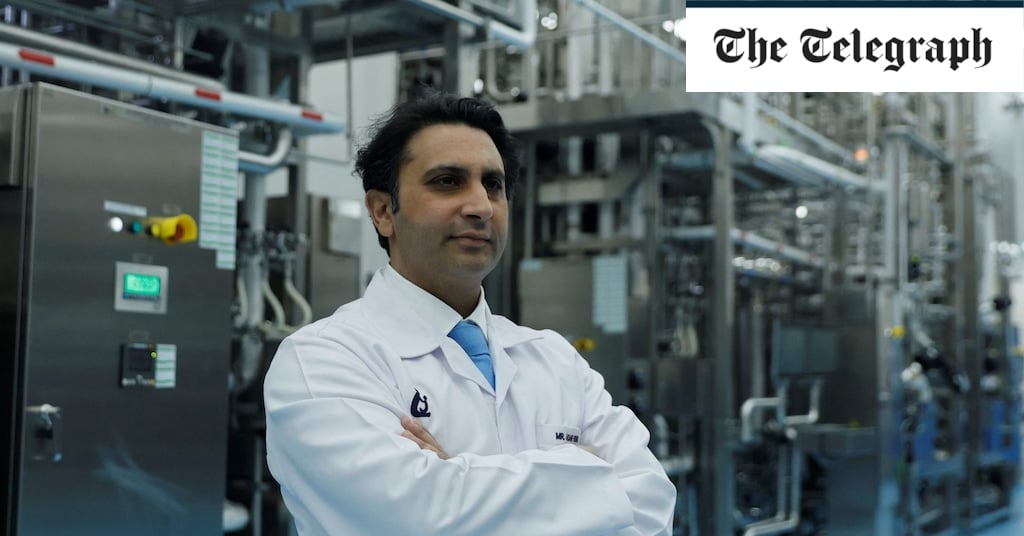
Adar Poonawalla, CEO of Serum Institute of India, emphasizes the importance of investing in vaccine manufacturing facilities to prepare for future pandemics, warning that political will is fading post-Covid. The institute, known as the "pharmacy of the world," is expanding its focus to prepare for potential future pandemics, with a two-pronged approach involving stockpiling and rapid manufacturing capabilities. While efforts in Europe to enhance vaccine manufacturing capacity are proactive, the UK is criticized for its lack of political interest in this area. Poonawalla stresses the need for diverse global manufacturing capabilities to avoid supply-chain issues and ensure equitable access to vaccines, emphasizing the commitment to fair distribution and global health equity.
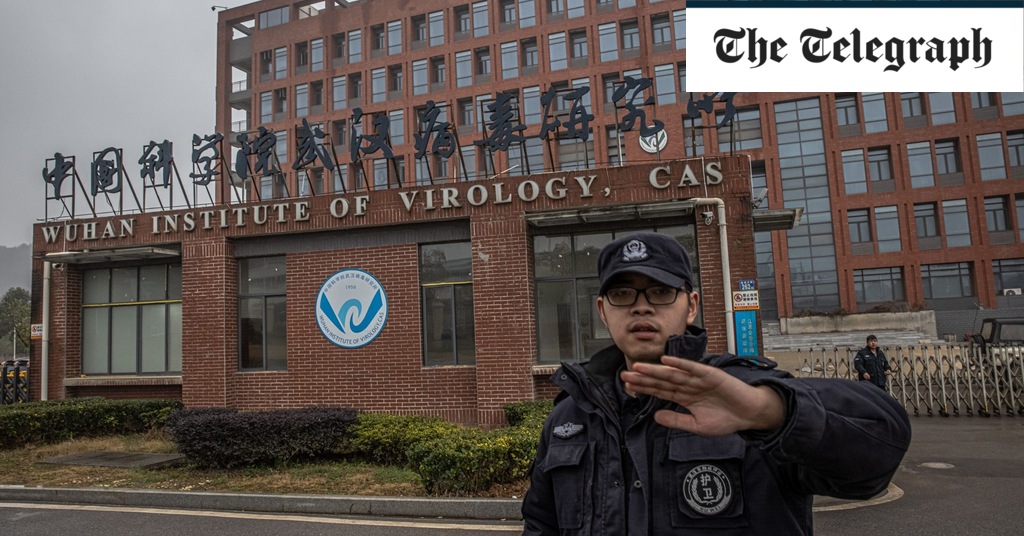
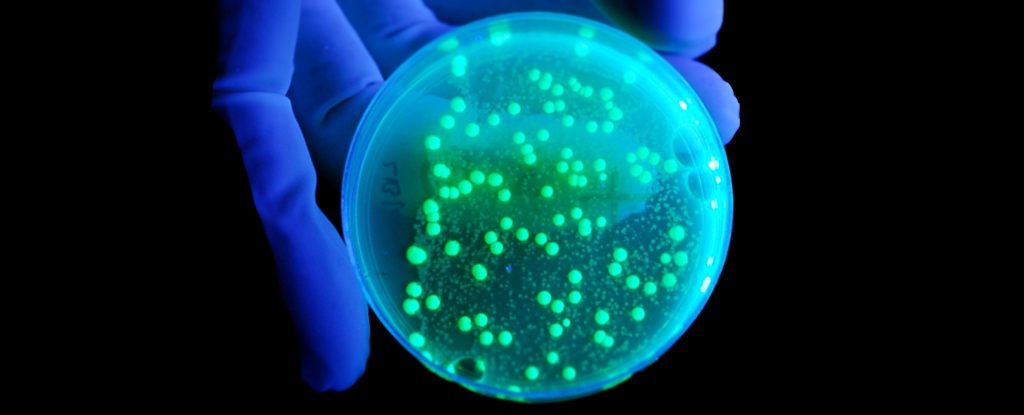
Chinese scientists have cloned and mutated a Covid-like virus found in a pangolin to infect 'humanized' mice, sparking controversy. Similar research is also taking place in the UK and other countries, aiming to understand Covid variants and develop a universal vaccine. The G2P2-UK Consortium in the UK is leading this research, using 'reverse genetics' to study mutations and their impact on virus characteristics. While safety protocols are in place, concerns about lab accidents and the need for updated regulations persist. Despite risks, scientists argue that such research is crucial for improving preparedness against future biological threats.
The World Health Organization has warned that a future outbreak of a hypothetical pathogen known as Disease X is a matter of time, urging world leaders to consider the possibility and take proactive measures. With a fatality rate 20 times that of COVID-19 and no vaccine, Disease X represents the potential for a devastating global pandemic. The WHO is emphasizing the need for preparedness, including the establishment of a pandemic fund and technology transfer hub to address vaccine distribution inequities. Lessons from COVID-19 highlight the importance of effective public communication, economic and mental health planning, and flexible education and healthcare systems in anticipation of future pandemics.
Four years after COVID-19 emerged, efforts to prevent future pandemics are intensifying. Dr. Ian Lipkin's team at Columbia University has developed a system for rapid analysis of pathogens, which could have identified COVID-19 sooner. The Global Alliance for Preventing Pandemics (GAPP) is being adopted by countries to share surveillance data quickly. Ginkgo Bioworks is monitoring pathogens in airplane wastewater and building biosecurity programs globally. Training is provided to public health workers worldwide to identify pathogens locally. The goal is to create a "global immune system" through continuous monitoring and technological advances in genetic sequencing, aiming to predict and prepare for future outbreaks more effectively.
The Board of Gavi, the Vaccine Alliance, has approved investments in a six-in-one vaccine and discussed potential new vaccines for lower-income countries. Gavi will continue to provide COVID-19 vaccines to high-risk groups until 2025 and has approved pilot investments for investigational candidate vaccines against Marburg and Ebola Sudan. The Board also emphasized Gavi's role in pandemic prevention and response, including supporting vaccine manufacturing in Africa. Gavi aims to expand access to new vaccines and strengthen global health security by establishing pilot stockpiles of investigational vaccines for outbreak response. The Board also discussed plans for future vaccine investment strategies and acknowledged the importance of vaccines in addressing climate change and epidemic threats.
The World Health Organization (WHO) and European Commission have launched a digital health partnership to establish a global system that will help facilitate global mobility and protect citizens across the world from on-going and future health threats, including pandemics. WHO will take up the European Union (EU) system of digital COVID-19 certification in June 2023 to develop a wide range of digital products to deliver better health for all. The initiative follows the 30 November 2022 agreement between Commissioner Kyriakides and Dr Tedros to enhance strategic cooperation on global health issues.
Dr. Daniel Bausch, who has spent over 20 years responding to disease outbreaks, is now focusing on the importance of diagnostics in pandemic preparedness. He notes that diagnostics are often ignored, and there is a shocking lack of access to existing tests, especially in low-income countries. The equity gap on testing mainly comes down to economics, and the solution lies with tackling economic and logistical hurdles to diagnostic development. Despite the obstacles, Bausch is excited by recent scientific developments in the field of diagnostics, including at-home tests and molecular multiplex assays. He also notes that low-income countries are now leading the way in outbreak response.