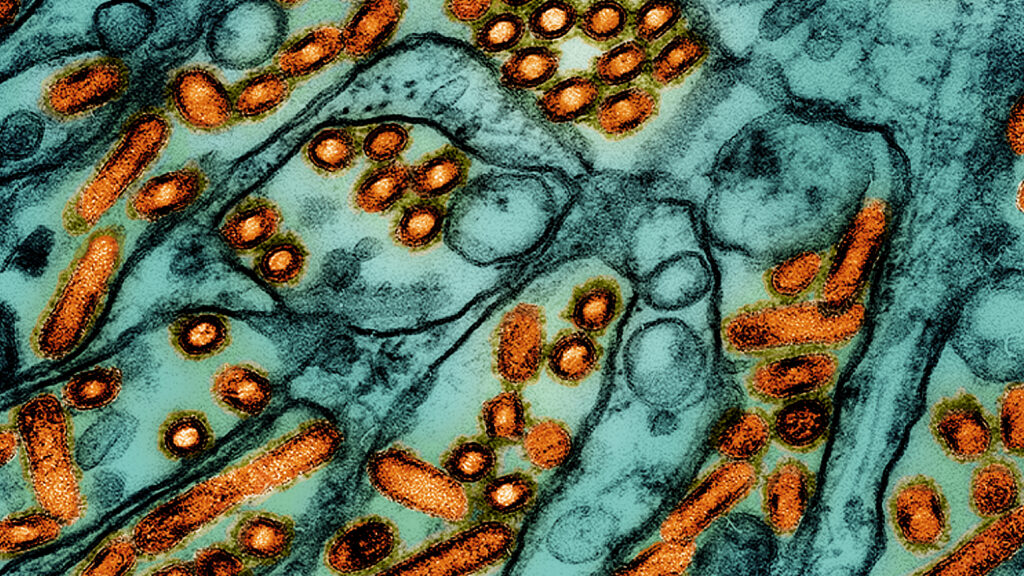
health-agriculture3.175 min read
"Michigan's Second Human Case of H5N1 Bird Flu Linked to Dairy Cows"
1 year ago•Source: STAT

The latest health agriculture stories, summarized by AI

The World Health Organization has reported the detection of the H5N1 bird flu virus strain in high concentrations in raw milk from infected animals, with the virus also found in cows and goats, marking a surprising development. While the virus has been detected in milk, the duration of its survival in this medium is still under investigation. The WHO emphasized the importance of safe food practices, including consuming only pasteurized milk and milk products, and noted that there are candidate vaccine viruses available in case of a pandemic.

Los Angeles Times•1 year ago
Los Angeles Times•1 year ago
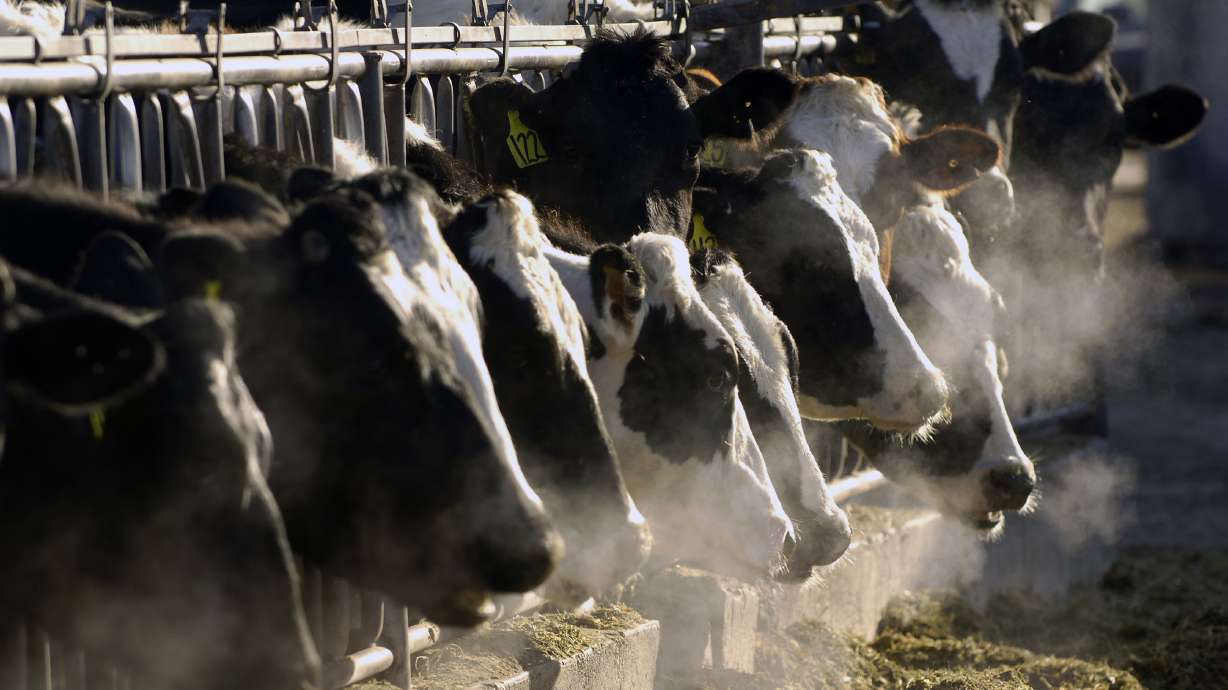
A bird flu outbreak has affected over two dozen dairy herds in eight U.S. states, with the virus detected in cattle for the first time. Health officials emphasize low risk to public health and reassure the safety of the food supply. While the virus has been found in chickens, the FDA states that the risk of affected eggs entering the retail market is low due to federal inspections and safeguards. Pasteurization is deemed effective in eliminating the virus from milk, but concerns remain about raw milk products. Producers are advised not to sell raw milk from infected cows, and health officials caution against the consumption of raw milk due to the risk of foodborne illness.
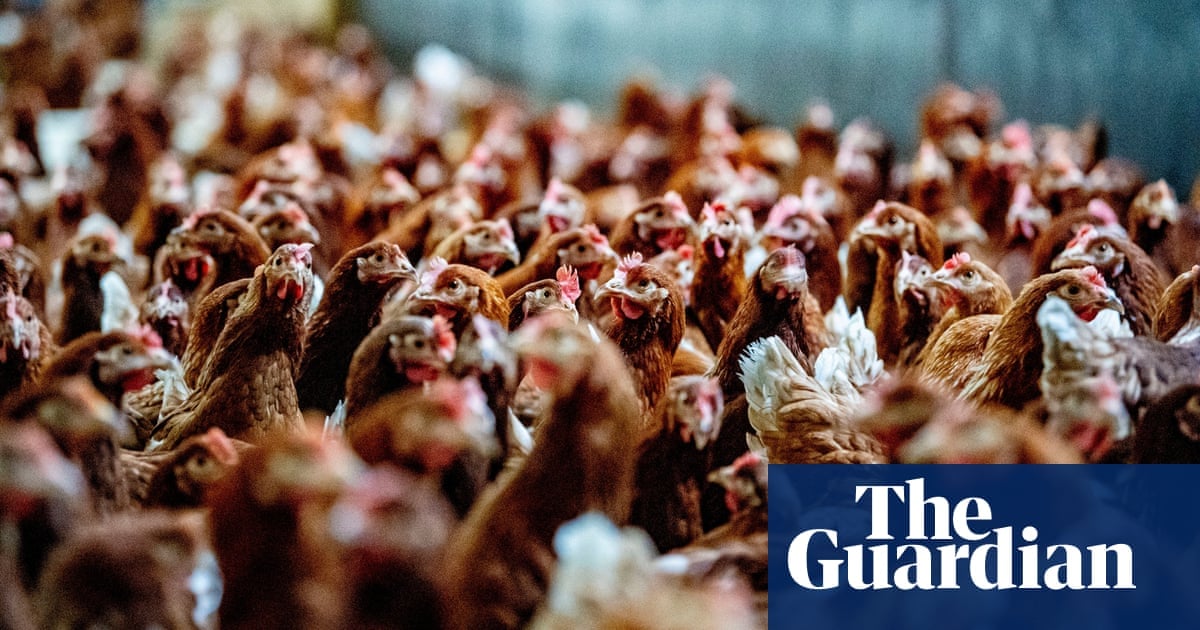
Avian influenza has been detected among chickens in Texas and Michigan, leading to concerns about potential supply chain issues and price increases for poultry and eggs. The virus has also been found in livestock, including cows and baby goats, with experts emphasizing the need for increased surveillance and funding for monitoring. While the risk of human-to-human transmission remains low, health officials are advising caution for those in close contact with birds and animals, and vaccine production could be impacted if the virus continues to spread among domesticated flocks.
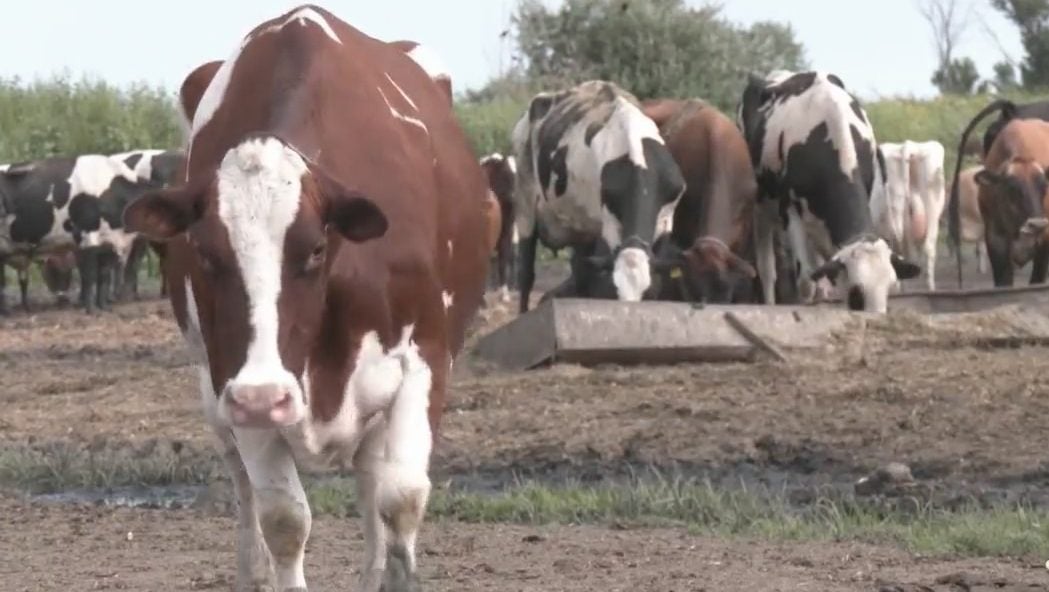
Avian flu has been confirmed in a South Dakota dairy herd, marking the first case in the state but one of several in the U.S. The Centers for Disease Control reassures the safety of the commercial milk supply and consumer health, emphasizing the importance of pasteurization in inactivating bacteria and viruses in milk. Dairy operators are advised to monitor their herds and enforce biosecurity plans, as symptoms in dairy cattle include decreased lactation and low appetite. The infections in dairy milk have been linked to wild birds due to the contaminated environment from waterfowl migration.
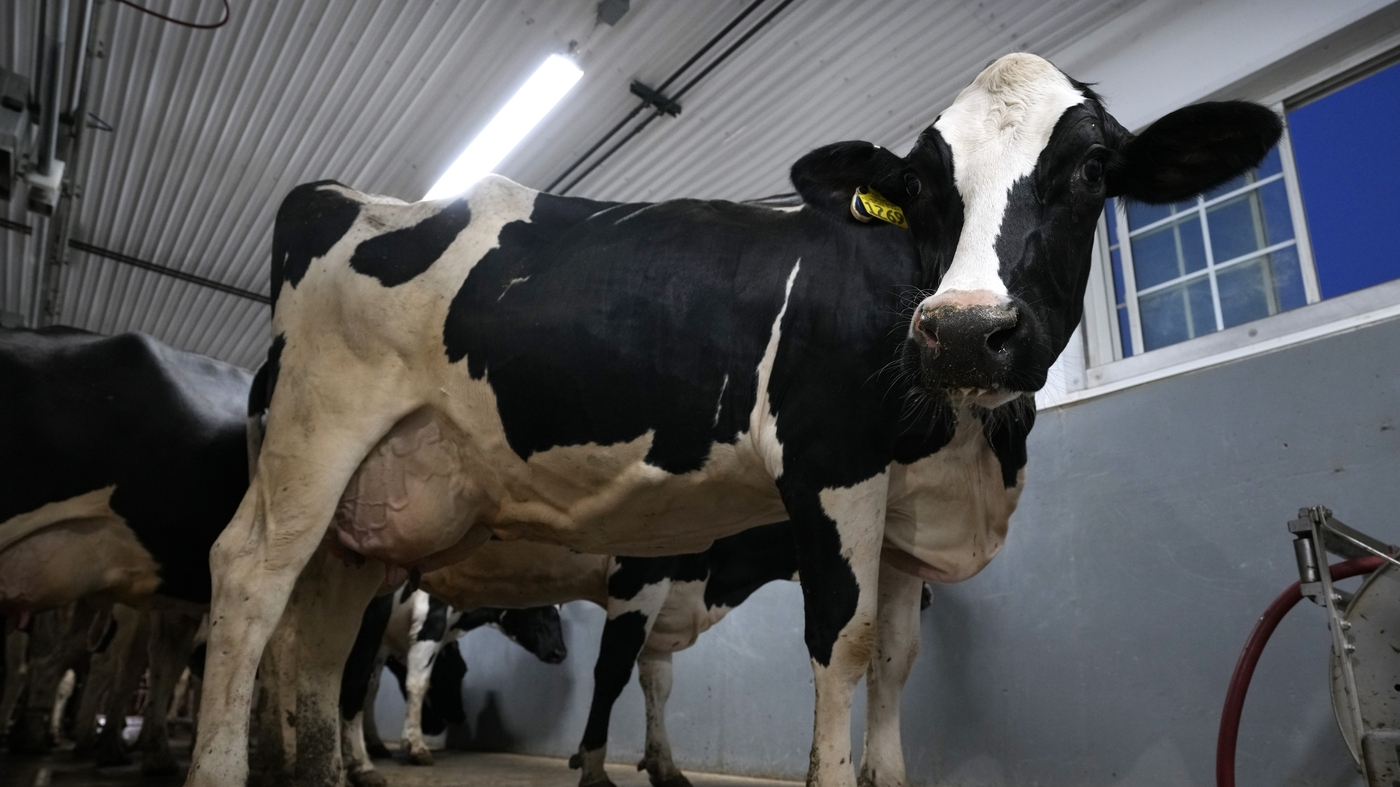
Scientists are concerned about the potential risks to humans as bird flu spreads among dairy cattle, with a focus on understanding virus mutations that could make it a threat to mammals. While the virus has shown some signs of evolving to better replicate inside mammals, it has not yet demonstrated efficient airborne transmission between humans. Research on virus transmission in mammals, particularly through experiments on ferrets, offers some clues but also highlights the need for caution in interpreting the results.
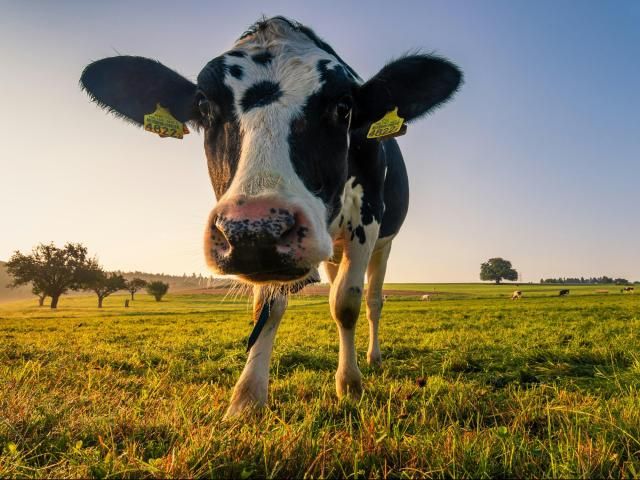
Highly pathogenic avian influenza, or bird flu, has been found in a North Carolina dairy herd, with previous detections in several other states prompting the suspension of cattle movement to North Carolina. The state's agriculture commissioner assures the safety of pasteurized milk products nationwide, as the risk of human infection remains low. Health officials emphasize the importance of pasteurization and advise against consuming raw milk, with no concerns about the safety of the commercial milk supply at this time. Measures are being taken to handle the situation, as bird flu outbreaks are reported across multiple states, affecting not only poultry but also spreading to other animals like cattle and even a black bear in North Carolina.

A highly contagious strain of bird flu is affecting both chickens and dairy cows in the U.S., leading to the culling of millions of birds and a potential increase in egg prices. While egg prices are expected to rise due to the reduced supply, dairy prices may not be significantly impacted as the virus appears less deadly and contagious in cattle. Despite the outbreak, commercial broiler operations and poultry prices have not been greatly affected, and both eggs and milk remain safe to consume after pasteurization.
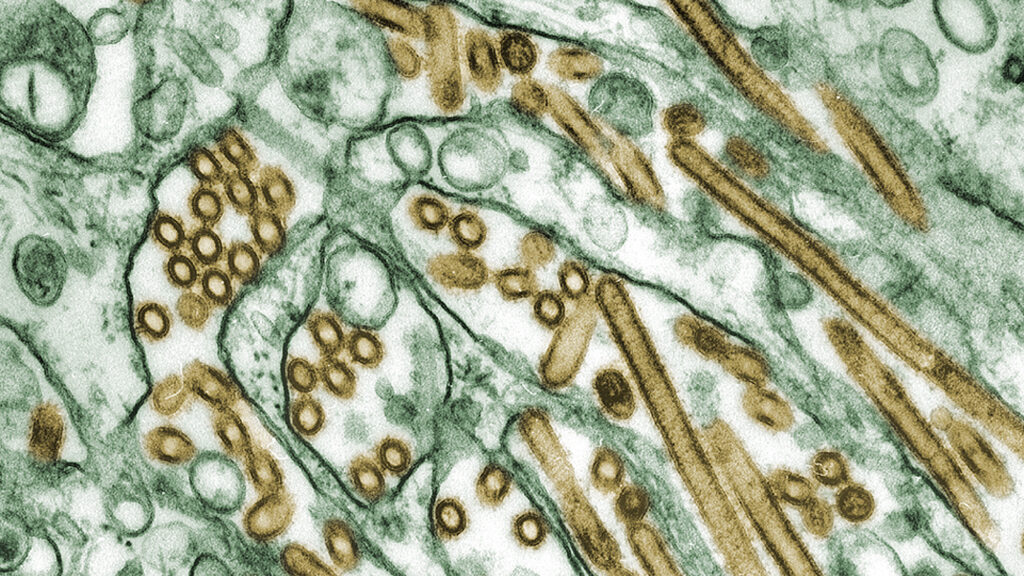
The CDC has issued a warning to healthcare providers to be vigilant for potential cases of H5N1 bird flu among dairy farm workers, following an outbreak in 16 dairy herds across six states. The agency recommends rapid assessment of suspected human cases and the use of personal protective equipment on affected farms. While one human infection has been confirmed, there is no evidence of human-to-human transmission. Infected cows have shown mild symptoms, and contaminated milk should be destroyed. The virus's transmission route among cows is still unclear, but genetic analyses suggest minimal adaptation for mammalian infection.
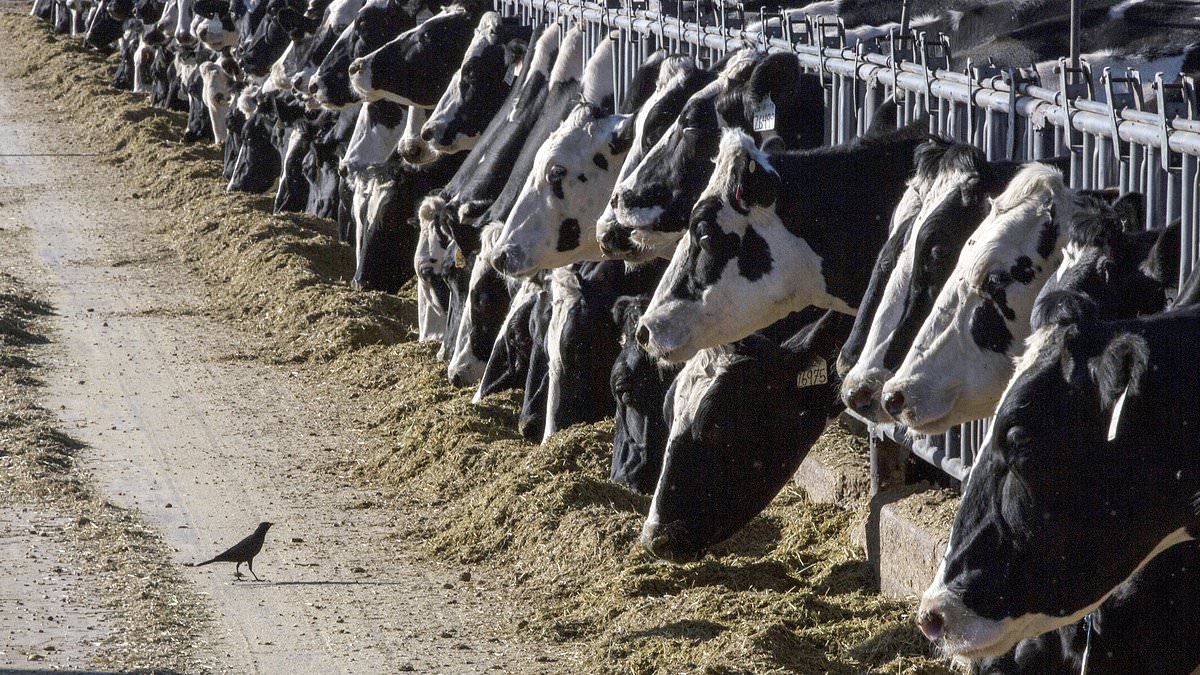
Bird flu outbreaks have been reported in fifteen farms across six US states, raising concerns about the virus spreading to people. The virus has been detected in cattle, leading to culling of nearly 2 million birds and potential impact on the milk supply and egg prices. A farm worker in Texas has tested positive for the virus, and concerns are growing about the virus's ability to infect a wide range of mammals. Health agencies are monitoring the situation closely, as experts worry about the virus gaining mutations that could enable it to infect and spread between mammals.
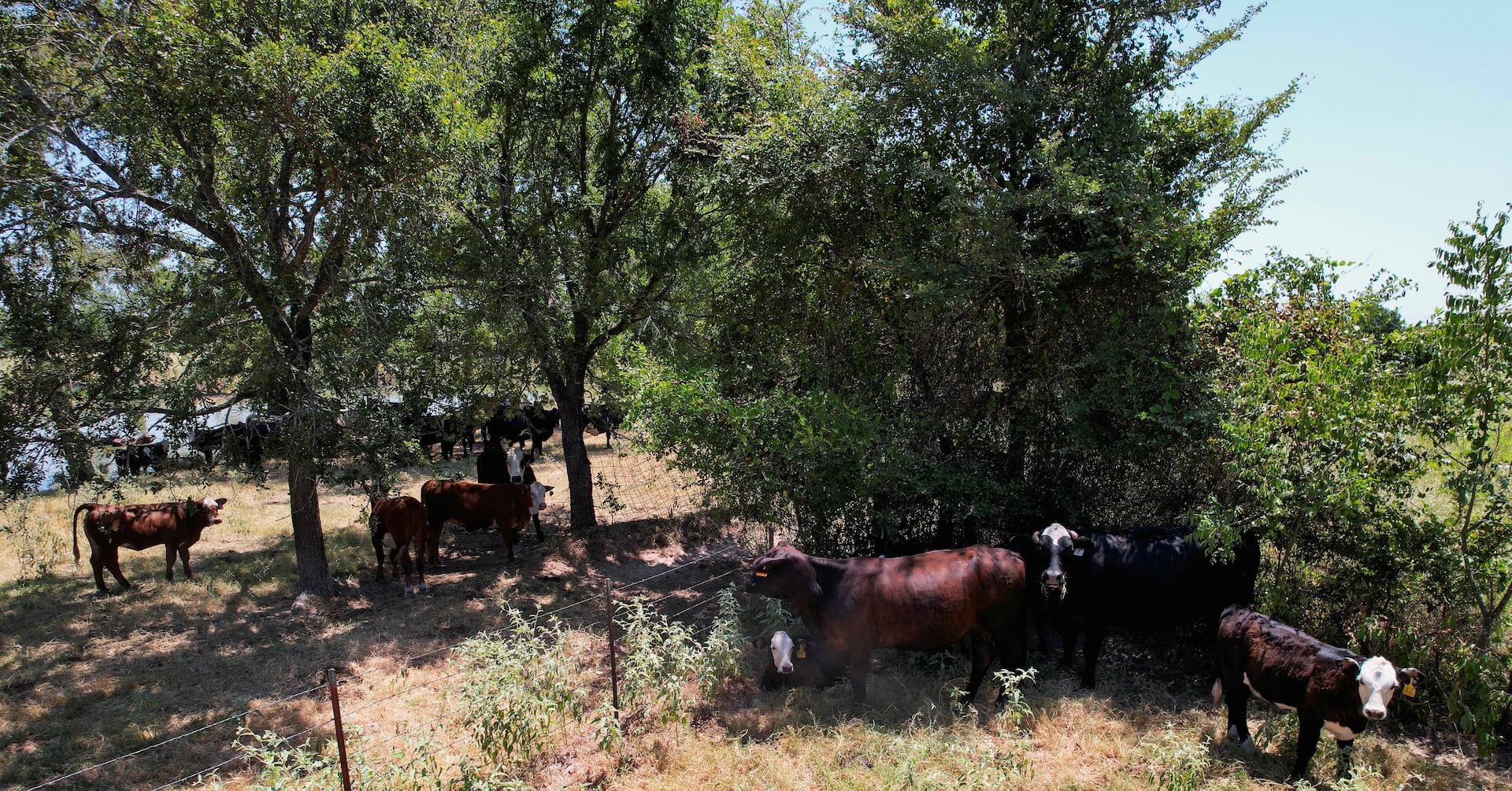
Bird flu has spread to a dairy herd in Ohio for the first time and has been detected in additional herds in Kansas and New Mexico, raising concerns about potential risks to humans. The U.S. Department of Agriculture has confirmed infections in herds across six states, with the virus likely introduced by wild birds. The widening geographic reach and spread to an increasing number of species have heightened the risks of human infection, although the U.S. Centers for Disease Control and Prevention considers the risk to be low.
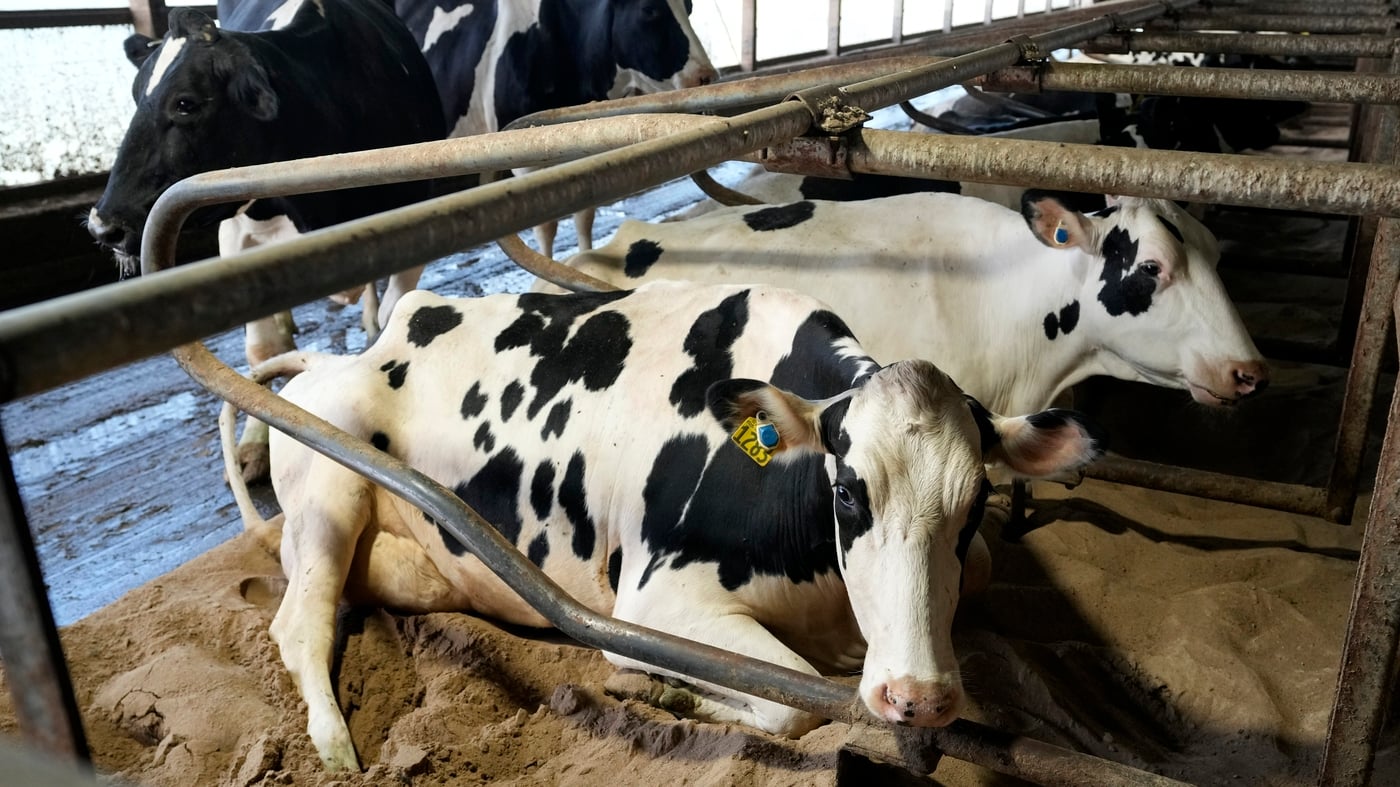
An outbreak of avian influenza, or bird flu, is affecting dairy cows in the U.S., raising concerns about potential risks to humans. While the virus has shown minor genetic changes and one human infection, human-to-human spread remains rare. Scientists are closely monitoring the outbreak's impact on mammals and the potential for problematic mutations. Existing bird flu vaccines could be adapted in case of human spread, and federal health officials stress that the U.S. has been preparing for avian flu outbreaks for over 20 years.