Tag

Viral Infections

All articles tagged with #viral infections

Covid and Flu Increase Heart Attack Risk Threefold

Originally Published 2 months ago — by The New York Times

Featured image for Covid and Flu Increase Heart Attack Risk Threefold
Source: The New York Times

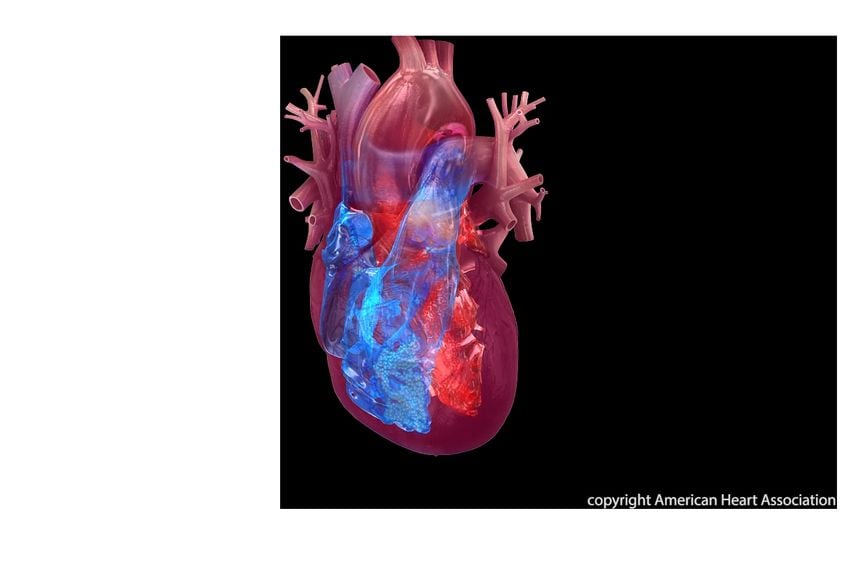
A new study confirms that viral infections like Covid-19 and flu significantly increase the risk of heart attack and stroke, with risks tripling or quadrupling shortly after infection. The research emphasizes the importance of vaccination and managing other risk factors to reduce cardiovascular complications associated with viral illnesses.
Viral Infections Linked to Higher Cardiovascular Risk

Originally Published 2 months ago — by www.heart.org

Featured image for Viral Infections Linked to Higher Cardiovascular Risk
Source: www.heart.org

A review of 155 studies shows that acute viral infections like influenza and COVID-19 significantly increase the short-term risk of heart attack and stroke, while chronic infections such as HIV, hepatitis C, and shingles elevate long-term cardiovascular risk. Vaccination and preventive measures may help reduce these risks, especially in vulnerable populations.

Viral Infections Like Flu and Shingles Increase Heart Attack and Stroke Risks

Originally Published 2 months ago — by CNN

Featured image for Viral Infections Like Flu and Shingles Increase Heart Attack and Stroke Risks
Source: CNN

Research shows that viral infections like flu, shingles, HIV, hepatitis C, and Covid-19 can increase the risk of heart attacks and strokes both immediately and long-term. Vaccination and timely antiviral treatment are recommended to reduce this risk, especially for individuals with existing cardiovascular risk factors.

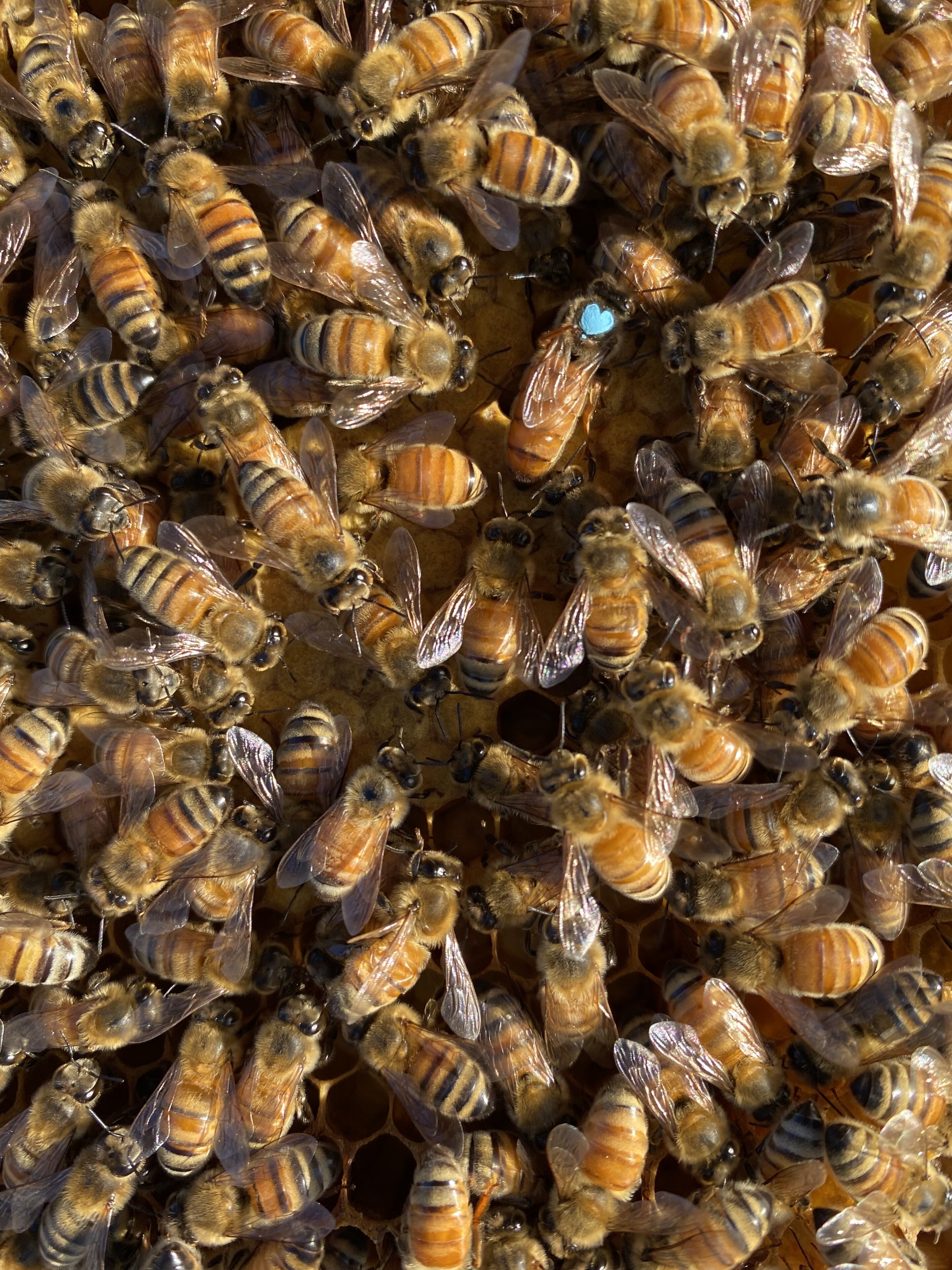
Viral Infections Trigger Queen Bee Replacements, Threatening Food Security

Originally Published 2 months ago — by Phys.org

Featured image for Viral Infections Trigger Queen Bee Replacements, Threatening Food Security
Source: Phys.org

Research shows that viral infections weaken honey bee queens by reducing egg production and pheromone levels, prompting worker bees to replace them. This process, known as supersedure, can disrupt hive stability and productivity, but supplementing colonies with synthetic pheromones like methyl oleate may help manage and prevent premature queen replacement, offering new strategies for beekeepers to maintain healthy colonies.

Viral Infections May Reactivate Dormant Breast Cancer Cells, Increasing Relapse Risk

Originally Published 4 months ago — by HuffPost

Featured image for Viral Infections May Reactivate Dormant Breast Cancer Cells, Increasing Relapse Risk
Source: HuffPost

New research suggests that respiratory viruses like COVID and flu may reactivate dormant breast cancer cells in the lungs through immune responses, potentially increasing the risk of metastasis, highlighting the importance of vaccination and preventive measures for cancer survivors.

Respiratory Viruses May Reactivate Dormant Breast Cancer Cells

Originally Published 5 months ago — by The Conversation

Featured image for Respiratory Viruses May Reactivate Dormant Breast Cancer Cells
Source: The Conversation

A new study in mice suggests that respiratory infections like COVID and flu can reactivate dormant breast cancer cells through immune responses involving IL-6, increasing the risk of metastasis and relapse. Protecting cancer survivors from infections and targeting IL-6 may help prevent cancer recurrence.

Vaccines potentially double as a shield against dementia

Originally Published 6 months ago — by Financial Times

Featured image for Vaccines potentially double as a shield against dementia
Source: Financial Times

A study by Oxford University suggests that certain vaccines, particularly those containing the AS01 adjuvant like Shingrix and Arexvy, may reduce the risk of dementia by boosting the immune system and suppressing viruses, with potential implications for new prevention strategies. The research analyzed health records of 430,000 people and found a significant association between vaccination and decreased dementia diagnoses, though further studies are needed to confirm the mechanisms involved.

Doctors Warn of Risks from Widely Used Anti-Inflammatory Drugs and Viral Infections

Originally Published 7 months ago — by Daily Mail

Featured image for Doctors Warn of Risks from Widely Used Anti-Inflammatory Drugs and Viral Infections
Source: Daily Mail

A study warns that JAK inhibitors, common anti-inflammatory drugs used for conditions like rheumatoid arthritis and alopecia, may weaken the immune response to viruses, increasing the risk of severe infections, especially during outbreaks. Researchers suggest caution in prescribing these drugs and call for further research to optimize their use, particularly for vulnerable populations.

"Hand, Foot, and Mouth Disease Outbreak Linked to Water Parks and Playgrounds"

Originally Published 1 year ago — by Daily Mail

Featured image for "Hand, Foot, and Mouth Disease Outbreak Linked to Water Parks and Playgrounds"
Source: Daily Mail

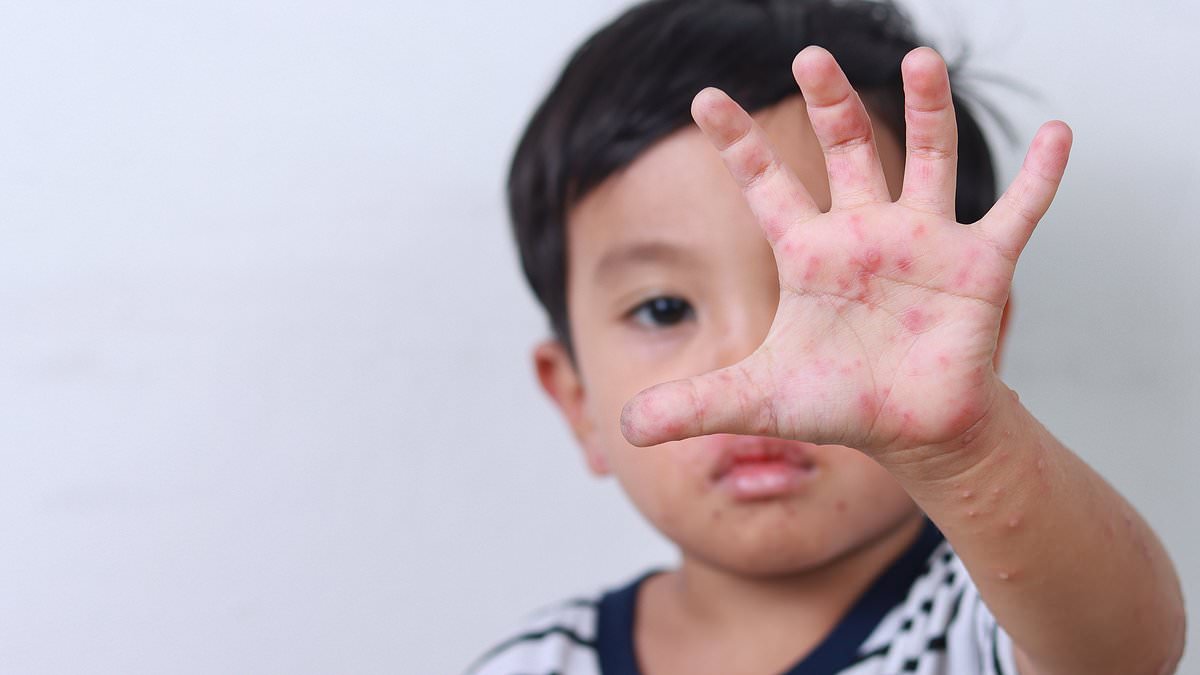
Two young boys in Texas contracted hand, foot, and mouth disease (HFMD) after visiting water parks, leading to severe symptoms including painful lesions, high fever, and seizures. Pediatricians warn that HFMD cases rise in early summer and fall, and the disease is highly contagious, often spread through contact with infected fluids or water. Parents are advised to be vigilant and ensure children avoid contact with others if diagnosed.

"Immune System, Not Viral Infections, Linked to Neurological Damage, Study Finds"

Originally Published 1 year ago — by Medical Xpress

Featured image for "Immune System, Not Viral Infections, Linked to Neurological Damage, Study Finds"
Source: Medical Xpress

Researchers from McMaster University have discovered that it's the immune system's response, specifically a unique population of T cells called NKG2D+CD8+ T cells, and their aggressive production of inflammatory proteins, that is responsible for neurological damage suffered from acute viral infections like Zika, COVID-19, and septic shock. This finding offers a new target for treatments of neurological diseases sparked by acute viral infections, and a potential treatment involving an antibody is already in clinical trials for different uses in humans.

"Unraveling the Mystery of Lingering Cold Symptoms: Expert Insights"

Originally Published 2 years ago — by CNN

Featured image for "Unraveling the Mystery of Lingering Cold Symptoms: Expert Insights"
Source: CNN

The CDC reports rising hospitalizations for Covid-19, influenza, and RSV, with many experiencing prolonged symptoms lasting beyond the typical recovery period for viral respiratory illnesses. Dr. Leana Wen explains that lingering symptoms are not uncommon, especially for those with underlying health conditions, and advises seeking medical care based on age, preexisting conditions, testing, symptom progression, and individual intuition. Recovery may involve rest, light exercise, and tailored discussions with healthcare providers.

"Research on Half a Million Patients Strengthens Viral Connection to Alzheimer's"

Originally Published 2 years ago — by ScienceAlert

Featured image for "Research on Half a Million Patients Strengthens Viral Connection to Alzheimer's"
Source: ScienceAlert

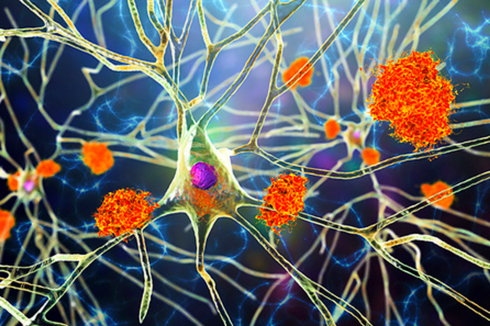
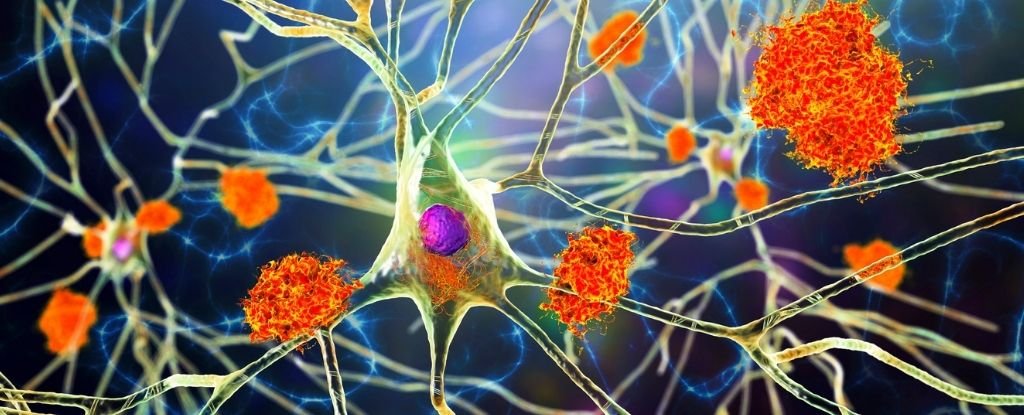
A comprehensive study analyzing around 500,000 medical records has found significant links between severe viral infections and an increased risk of neurodegenerative diseases such as Alzheimer's and Parkinson's. Notably, individuals who had viral encephalitis were 31 times more likely to develop Alzheimer's. The study also highlighted that many of the implicated viruses are neurotrophic and can cross the blood-brain barrier, suggesting that vaccinations for preventable diseases like influenza and shingles could potentially mitigate some risk of developing neurodegenerative diseases. While the study does not establish causality, it supports the hypothesis that viral infections and subsequent inflammation in the nervous system may be common risk factors for neurodegenerative disorders.