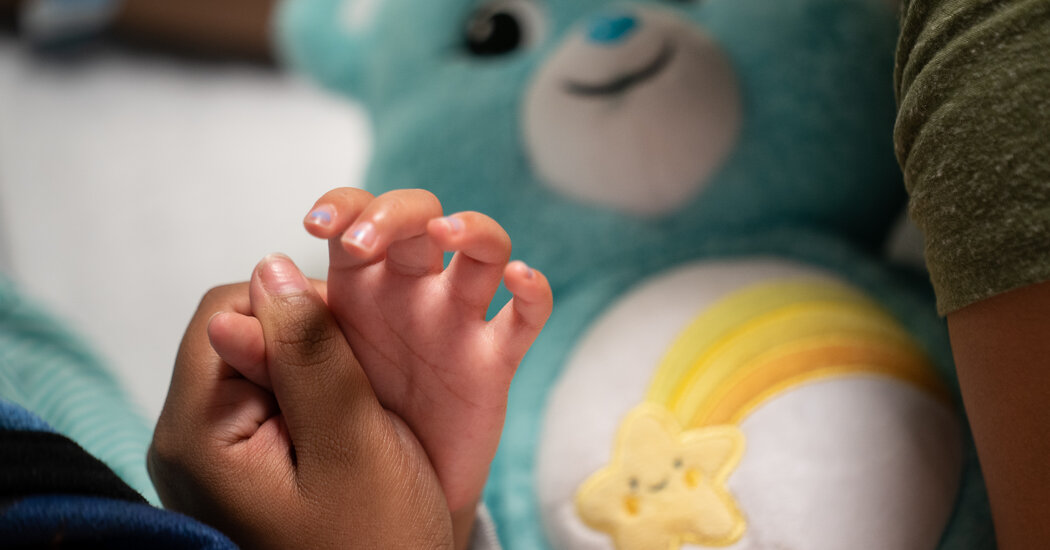
A baby born small with early health issues and years of fevers and hair loss finally received a diagnosis after doctors used genetic testing, illustrating how genomic analysis can crack puzzling pediatric illnesses.
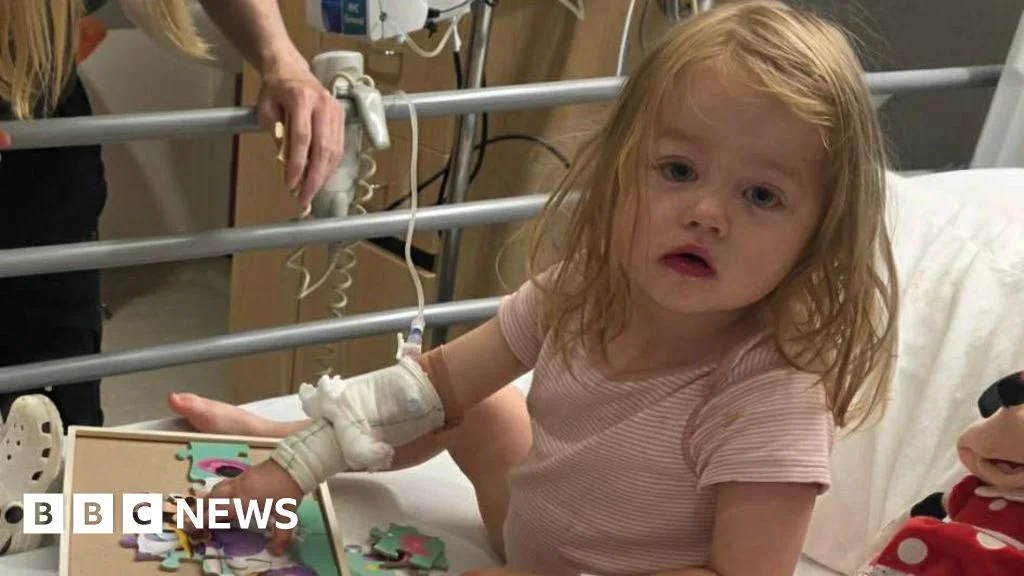
A two-year-old girl in Paisley was diagnosed with Kawasaki disease 10 days after fever began; early treatment with IVIG helped avert potential heart damage, and her family backs awareness efforts like the Light a Landmark campaign to help parents spot signs.
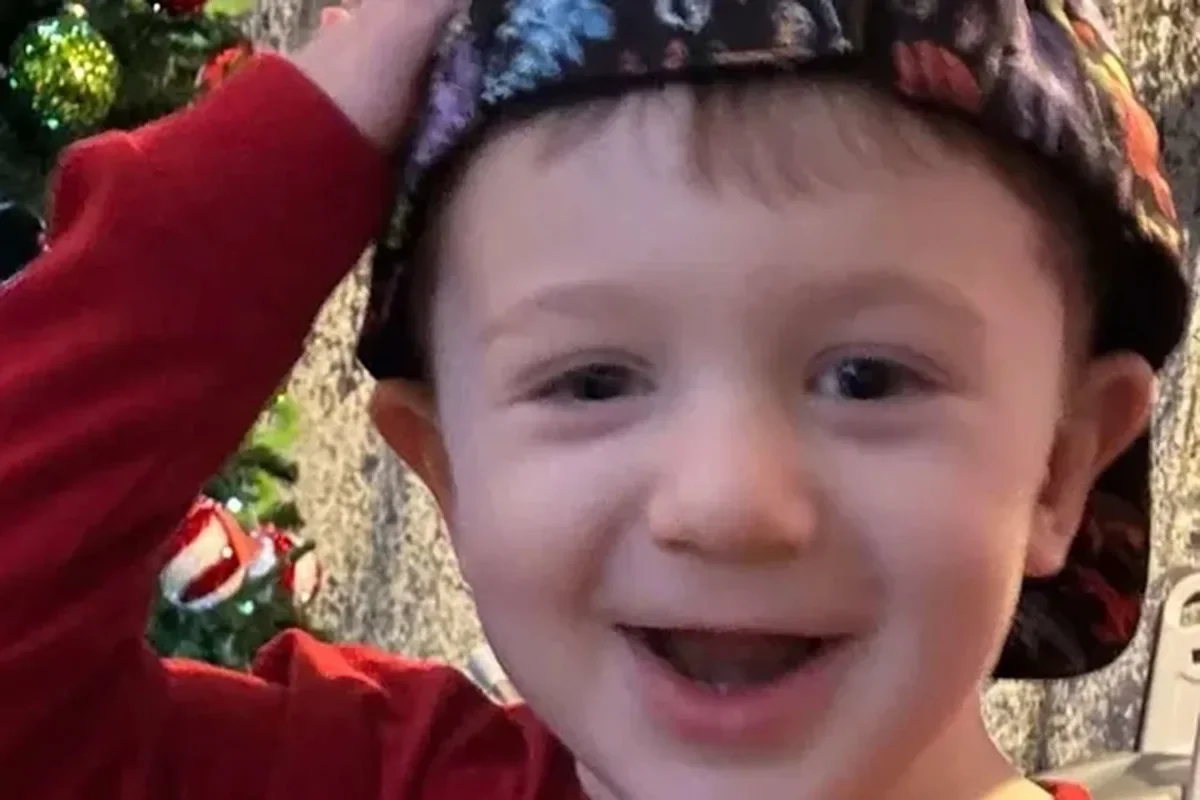
A 2-year-old boy, Hudson Hughie Martin, died after a Kawasaki disease diagnosis, a rare inflammatory illness that can resemble flu-like symptoms and affect the heart; diagnosed at 7 months, he underwent two rounds of treatment but developed a heart aneurysm and died following a collapse at home on Jan. 8. His parents say there is no definitive test for Kawasaki disease and urge awareness of its signs to ensure timely care, as a GoFundMe fundraiser was set up to support the family.
Researchers have developed the first comprehensive reference charts for blood vessel stiffness in healthy young people, which could enable early detection of cardiovascular risk long before symptoms appear, guiding preventive treatment in pediatric and adolescent populations.
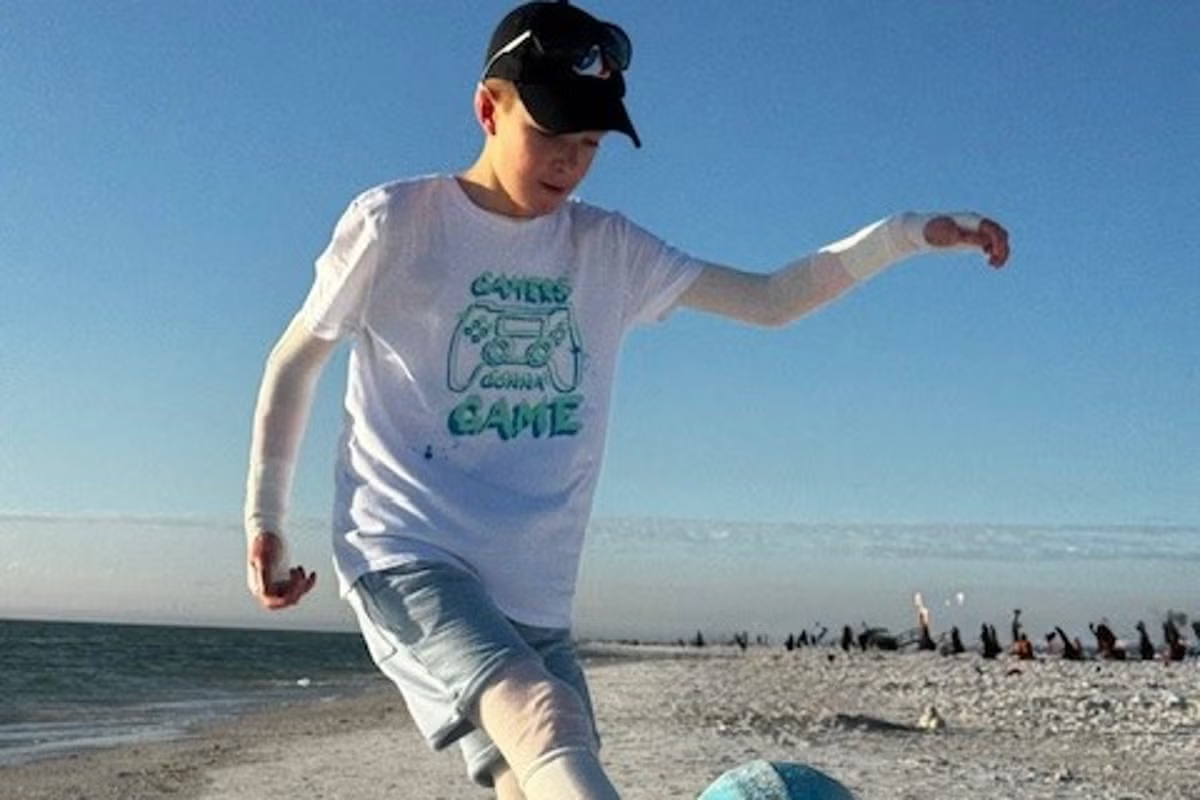
A 12-year-old boy with a rare skin disorder, recessive dystrophic epidermolysis bullosa, has improved his quality of life and ability to play sports after participating in a clinical trial involving stem cell infusions, which showed promising results in healing wounds and reducing inflammation.
A 6-year-old girl developed a rare case of orbital cellulitis caused by a dental infection that spread to her sinuses and eye, highlighting the importance of prompt diagnosis and treatment to prevent permanent vision loss and life-threatening complications.
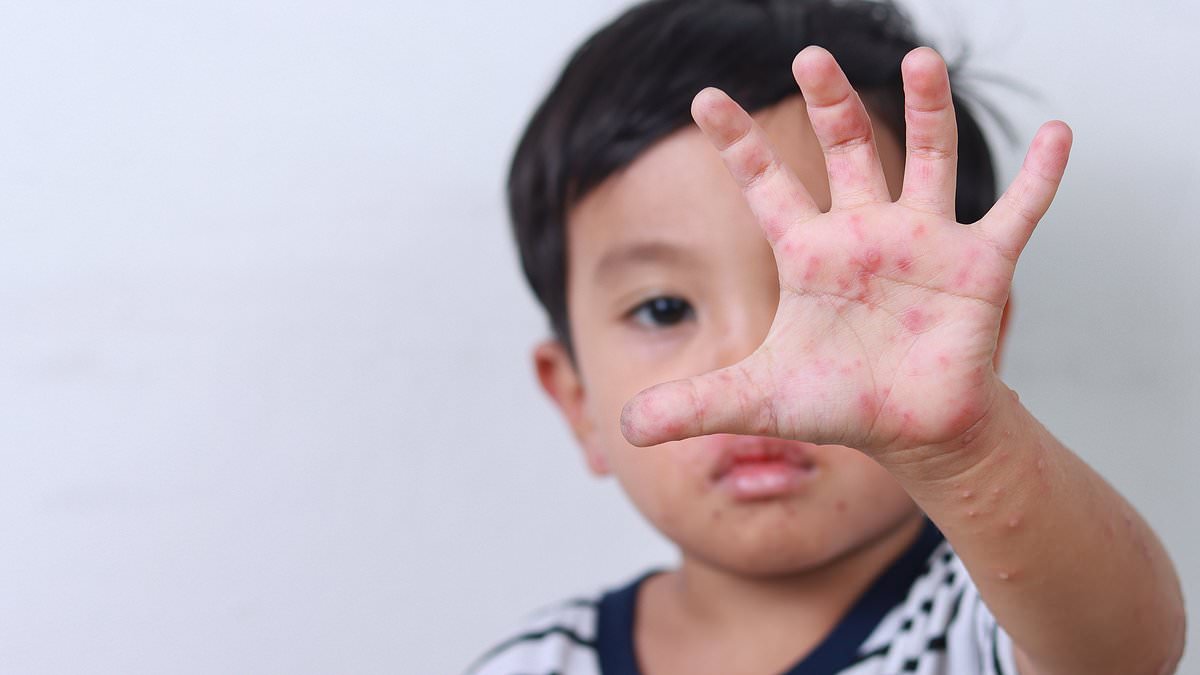
Hand, foot, and mouth disease is experiencing an unusual surge this summer, with more cases reported in schools and daycares across several states, although exact data is limited due to reporting practices.
A recent study published in JAMA Network Open suggests a potential link between childhood tonsillectomy and an increased risk of stress-related disorders later in life. The research, which analyzed data from Sweden's health database, found that individuals who had their tonsils removed were 43% more likely to develop stress disorders, including a 55% higher risk of PTSD. While the study adjusted for various factors, the exact cause of this correlation remains unclear, with possibilities ranging from increased infection susceptibility to changes in the immune system.
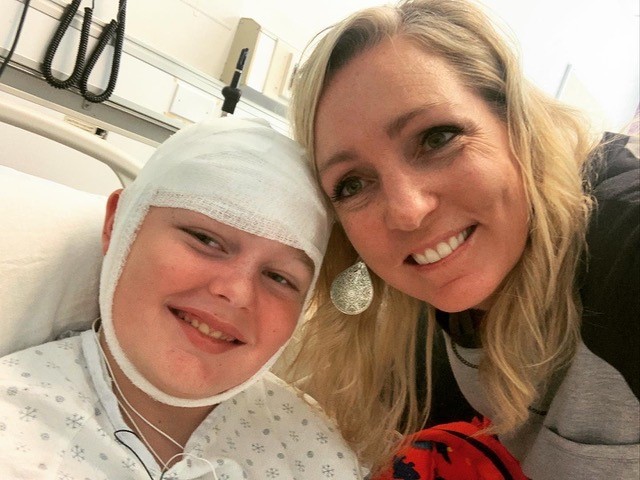
Twelve-year-old Owen Jacobsen, who suffered from frequent seizures due to a brain tumor, has found relief following a successful neurosurgery using Laser Interstitial Thermal Therapy (LITT) at Intermountain Primary Children’s Hospital. The minimally invasive procedure, performed by Dr. Robert Bollo, has left Owen seizure-free since September 2023, allowing him to return to his normal activities and thrive. The hospital is recognized for its excellence in neurology and neurosurgery outcomes.
Cases of walking pneumonia and whooping cough are rising nationally and locally, with experts attributing the increase to diminished immunity from COVID-19 mitigation measures like masking and social distancing. Walking pneumonia, caused by Mycoplasma pneumoniae, lacks a specific vaccine but can be treated with antibiotics. Whooping cough, or pertussis, is spreading particularly in Ohio, with Montgomery County reporting significant cases. Vaccination remains the best protection against whooping cough, with DTaP and Tdap vaccines recommended for children and pregnant women.
Two young boys in Texas contracted hand, foot, and mouth disease (HFMD) after visiting water parks, leading to severe symptoms including painful lesions, high fever, and seizures. Pediatricians warn that HFMD cases rise in early summer and fall, and the disease is highly contagious, often spread through contact with infected fluids or water. Parents are advised to be vigilant and ensure children avoid contact with others if diagnosed.
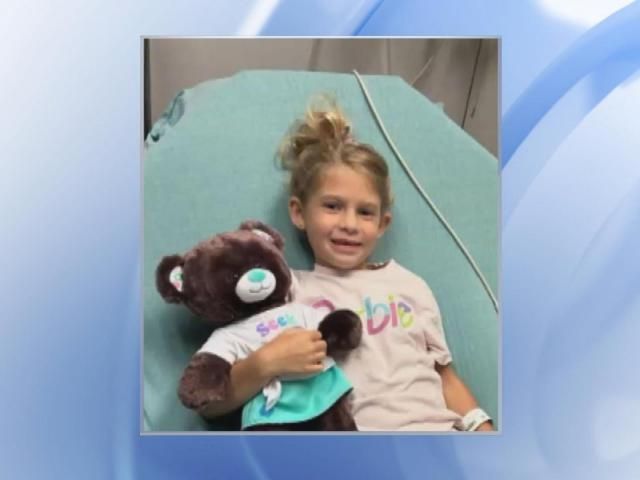
A Johnston County family is fighting to help their 6-year-old daughter, Noelle Franklin, overcome stage 4 bone cancer, with significant support from the community. Noelle, who was previously healthy, was diagnosed after a bump on her leg led to a biopsy. The family is receiving treatment at Duke Health and has been bolstered by a Facebook page and GoFundMe campaign. A benefit event is planned in Clayton to further support their cause.
A new study published in NEJM Evidence suggests that introducing smooth peanut butter to infants as early as 4 months old and continuing until around age 5 can reduce the risk of developing a peanut allergy by 71% in adolescence. This approach, based on the principle of oral tolerance induction, has shown lasting protection against peanut allergies, even when peanut consumption is not consistent after age 5. The findings support early peanut introduction under pediatric guidance, especially for children at low risk for allergies.
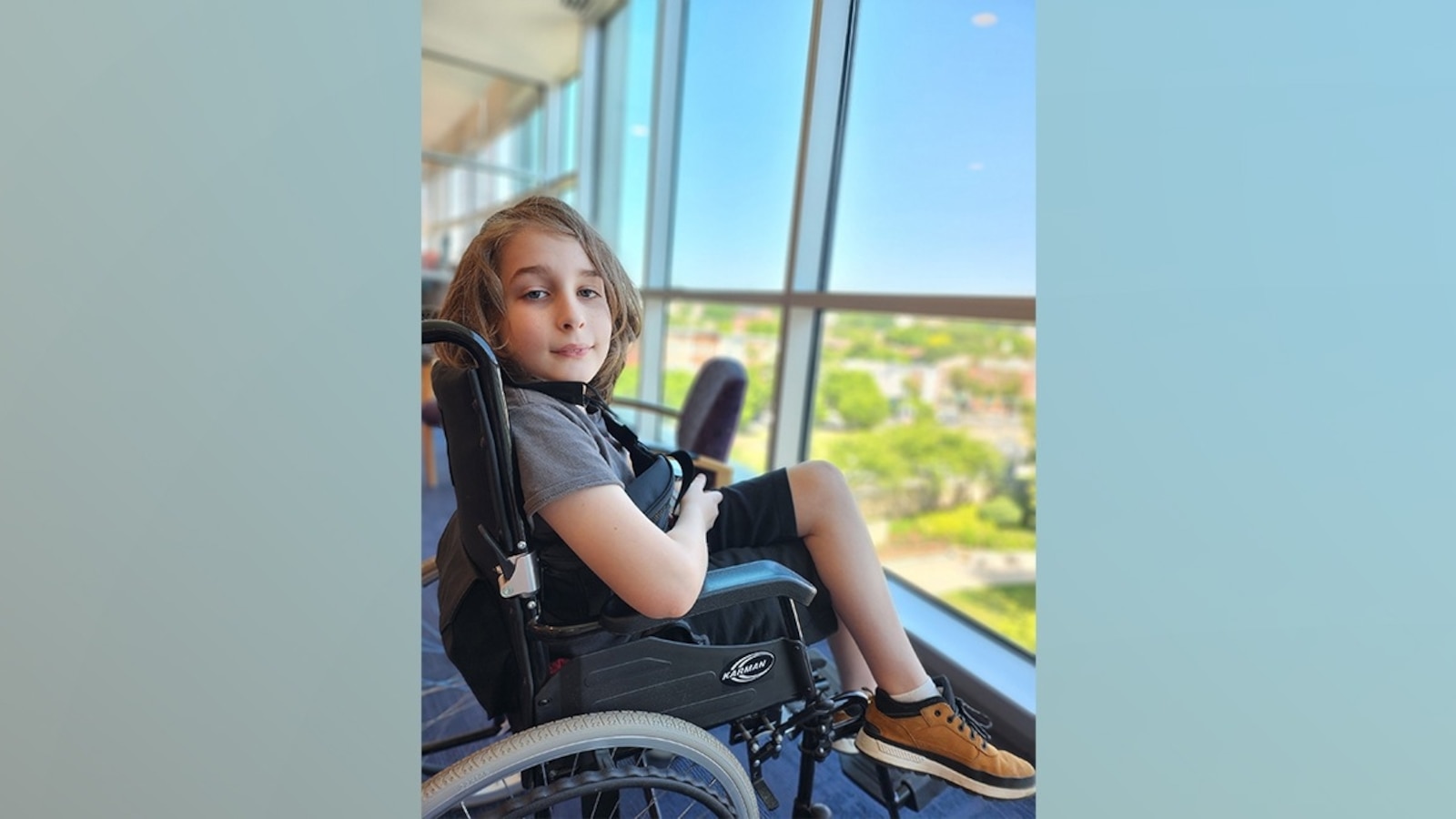
Theo Huot de Saint-Albin, a 12-year-old boy, has been battling long COVID for four years, experiencing chronic migraines, postural orthostatic tachycardia syndrome (POTS), muscle pain, extreme fatigue, and brain fog. He is one of potentially millions of children in the U.S. affected by long COVID, with symptoms lasting for months or years. Despite facing misdiagnoses and challenges, Theo received a diagnosis and is receiving treatment at the Pediatric Post-COVID-19 Rehabilitation Clinic at the Kennedy Krieger Institute, where a multidisciplinary team is helping kids manage their symptoms and return to normal life.
A recent study suggests that up to 5.8 million children are experiencing long COVID, with symptoms varying widely and potentially leading to serious health issues such as multisystem inflammatory syndrome and an increased risk of type 1 diabetes. One mother, Amanda Goodhart, shares the heartbreaking struggle of watching her 6-year-old son, Logan, battle long COVID with limited treatment options and ongoing symptoms, including circulatory and gastrointestinal problems. The study underscores the urgent need for more research and effective treatments for pediatric long COVID.