Boots, a fox with neurological damage and an inability to hunt, has been deemed too friendly and unsuitable for release into the wild, leading to his care at Newhouse Wildlife Rescue where he enjoys human companionship and belly rubs, highlighting the challenges of caring for injured or atypical wild animals.
Dr. Robert Love, a neuroscientist, warns that excessive intake of certain supplements like manganese, iron, and copper can harm brain health, leading to issues such as memory loss and neurological decline. He emphasizes the importance of moderation and adhering to recommended guidelines to maintain cognitive function and prevent neurological damage.
A Reddit user shares their ongoing battle with B12 deficiency, revealing the severe impact it has had on their health, including neurological damage and ongoing numbness in their extremities. The deficiency was diagnosed as pernicious anemia, an autoimmune condition that affects the body's ability to absorb vitamin B12. The user's experience serves as a warning about the potential long-term consequences of untreated B12 deficiency, emphasizing the importance of timely diagnosis and treatment.
Researchers from McMaster University have discovered that it's the immune system's response, specifically a unique population of T cells called NKG2D+CD8+ T cells, and their aggressive production of inflammatory proteins, that is responsible for neurological damage suffered from acute viral infections like Zika, COVID-19, and septic shock. This finding offers a new target for treatments of neurological diseases sparked by acute viral infections, and a potential treatment involving an antibody is already in clinical trials for different uses in humans.
The brain can sustain irreversible damage or die from oxygen deprivation within minutes, with permanent damage occurring as quickly as four minutes after blood flow stops. Factors such as the extent of oxygen loss, individual health, and pre-existing cardiovascular conditions can influence the exact timing of brain cell death. In cases of cardiac arrest, brain electrical activity ceases within 10 to 30 seconds, and rapid treatment is crucial to prevent severe damage or death. The article emphasizes that the rate of damage varies from person to person and is not meant as medical advice.
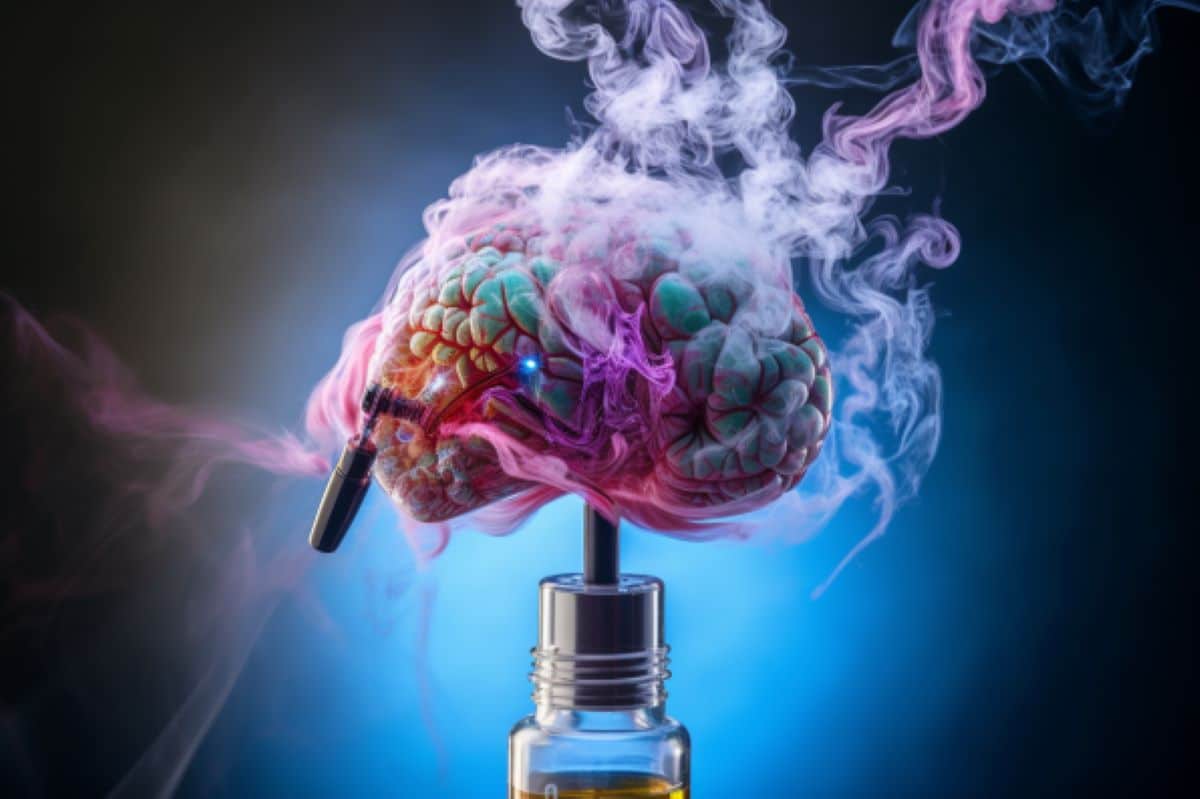
Researchers at Temple University, funded by the National Institutes of Health (NIH), are investigating the effects of combining e-cigarettes and alcohol on the blood-brain barrier. E-cigarette use alone can disrupt the barrier and cause brain inflammation, while combining e-cigarettes and alcohol may lead to mitochondrial dysfunction and cognitive decline. The study aims to identify biomarkers that can detect blood-brain barrier injury in substance users, potentially leading to the development of screening strategies for early detection and assessment of brain damage.
Exposure to wildfire smoke, which contains toxic chemicals and volatile organic compounds, can have lasting and even permanent effects on the brain and body. Studies have shown that wildfire smoke can damage neurons, impair immune function, disrupt circadian rhythms, and cause lung scarring. The composition of wildfire smoke varies depending on what is being burned, making it difficult to predict the exact health impacts. Research suggests that long-term exposure to wildfire smoke may increase the risk of cognitive decline, dementia, autism spectrum disorders, and attention deficit hyperactivity disorder (ADHD). It is important to monitor air quality, use air filters indoors, and take precautions to reduce exposure to wildfire smoke.
A health system in the Midwest has been ordered to pay $19 million to the parents of a 10-year-old boy whose meningitis was misdiagnosed at birth, leading to permanent brain damage. The jury found the staff of Duluth Clinic to be solely responsible for the injuries to Johnny Galligan. Currently, Johnny is confined to a wheelchair, has serious neurological problems, and is almost completely deaf and blind. In a separate case, a Missouri doctor accused of incorrectly treating a woman's embolism has been found not liable for her death.