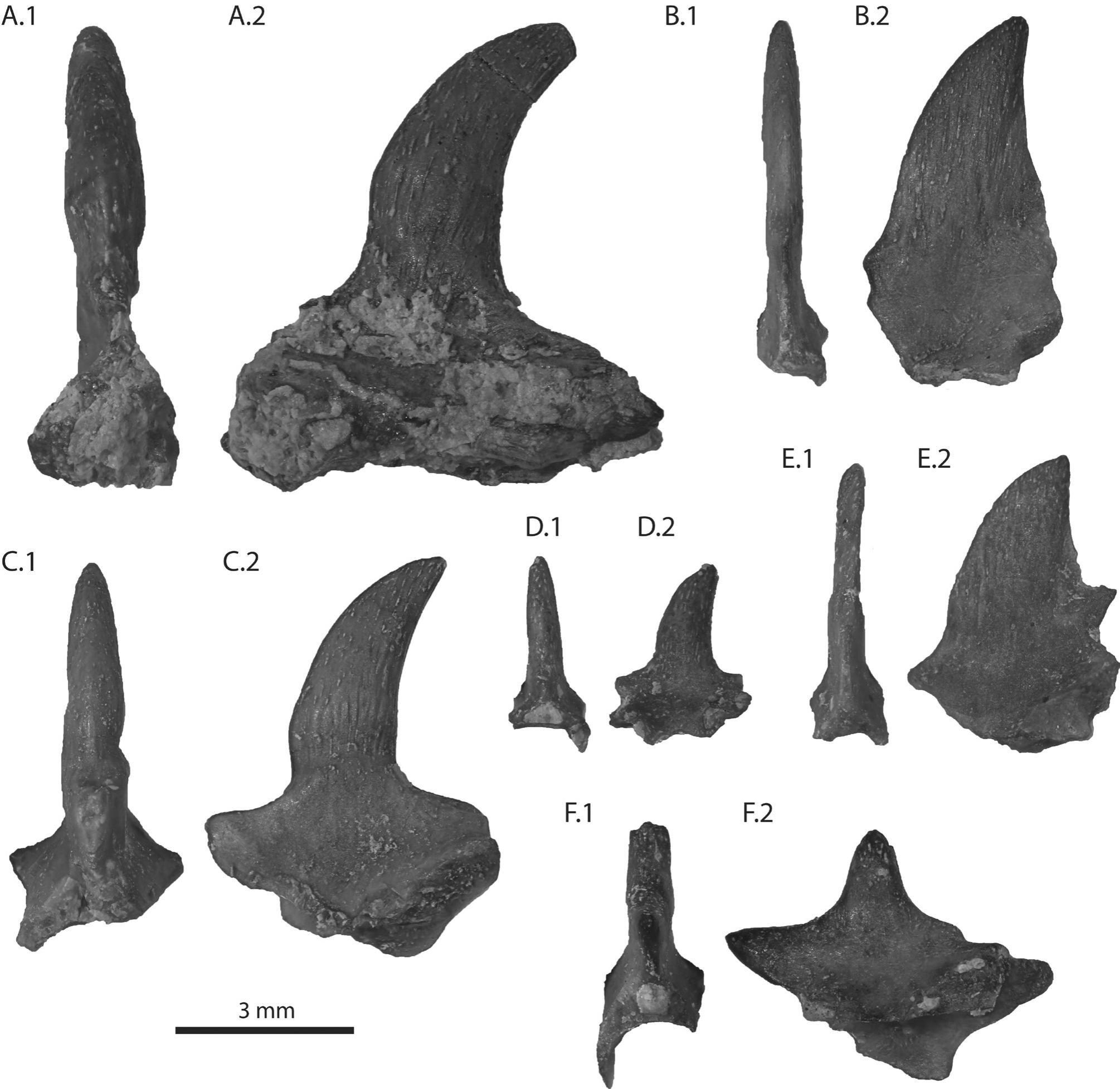
Researchers discovered three distinct tanystropheid archosauromorphs, including a new genus and species, Akidostropheus oligos, from Triassic freshwater deposits at Petrified Forest National Park, highlighting diverse nonmarine ecosystems and potential defensive adaptations in these ancient reptiles.
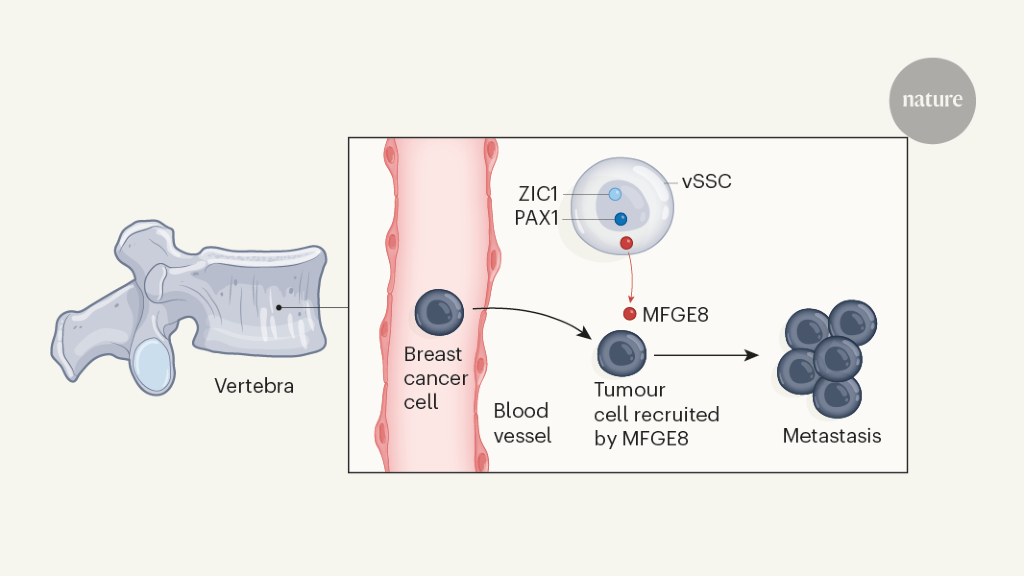
Stem cells derived from vertebrae produce a factor that attracts tumor cells, providing insight into why tumor cells tend to migrate to the vertebrae rather than long bones. Understanding the mechanisms behind the spread of tumors to bone can help develop targeted therapies for metastasis.
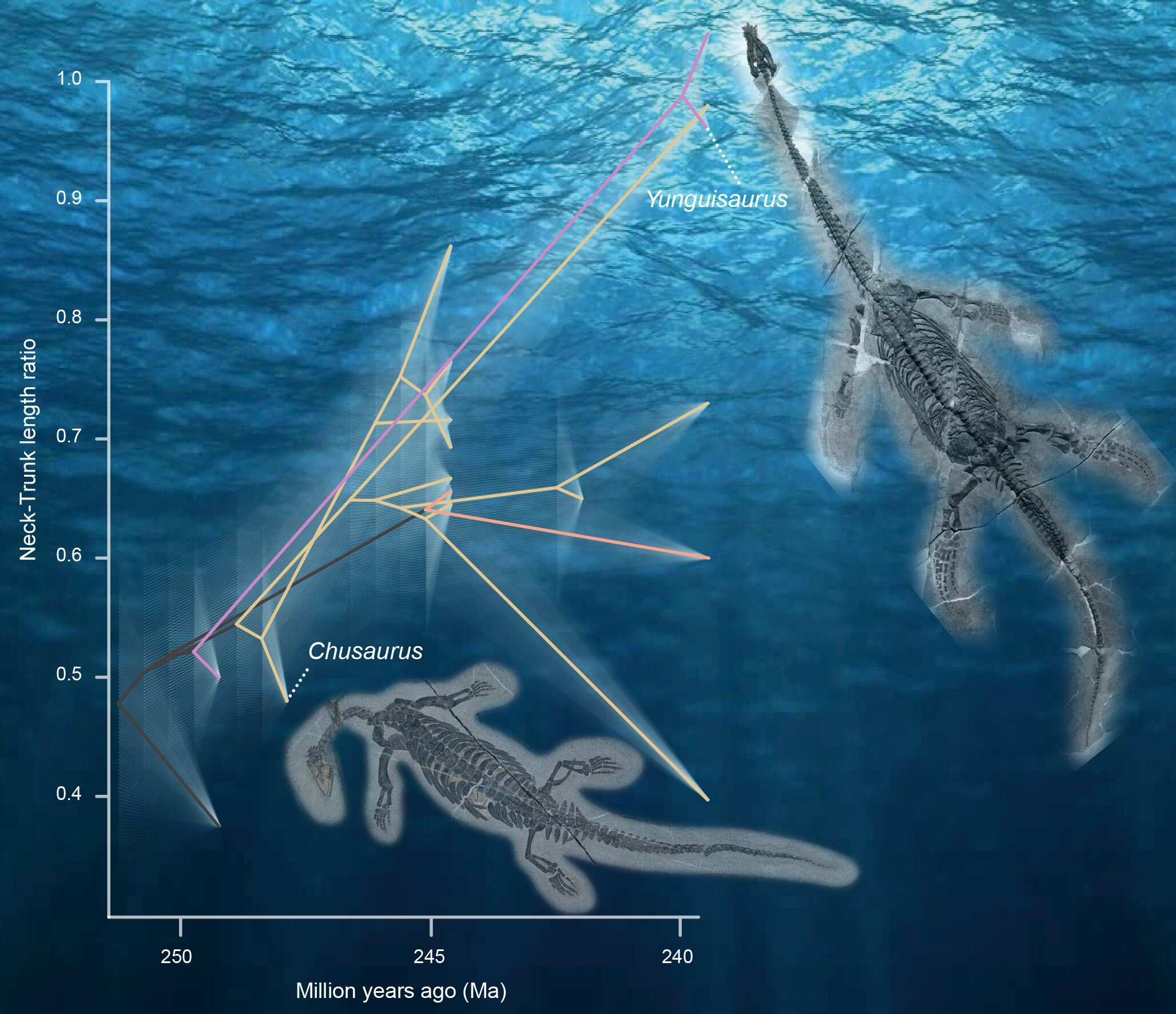
Plesiosaurs, marine reptiles that lived around 250 million years ago, rapidly developed their long necks over a five million year period by adding new vertebrae. The discovery was made by researchers in China and the UK who studied the fossils of a short-necked plesiosaur ancestor called Chusaurus xiangensis. The findings shed light on the rapid evolution of marine reptiles during the recovery period following the end-Permian mass extinction.