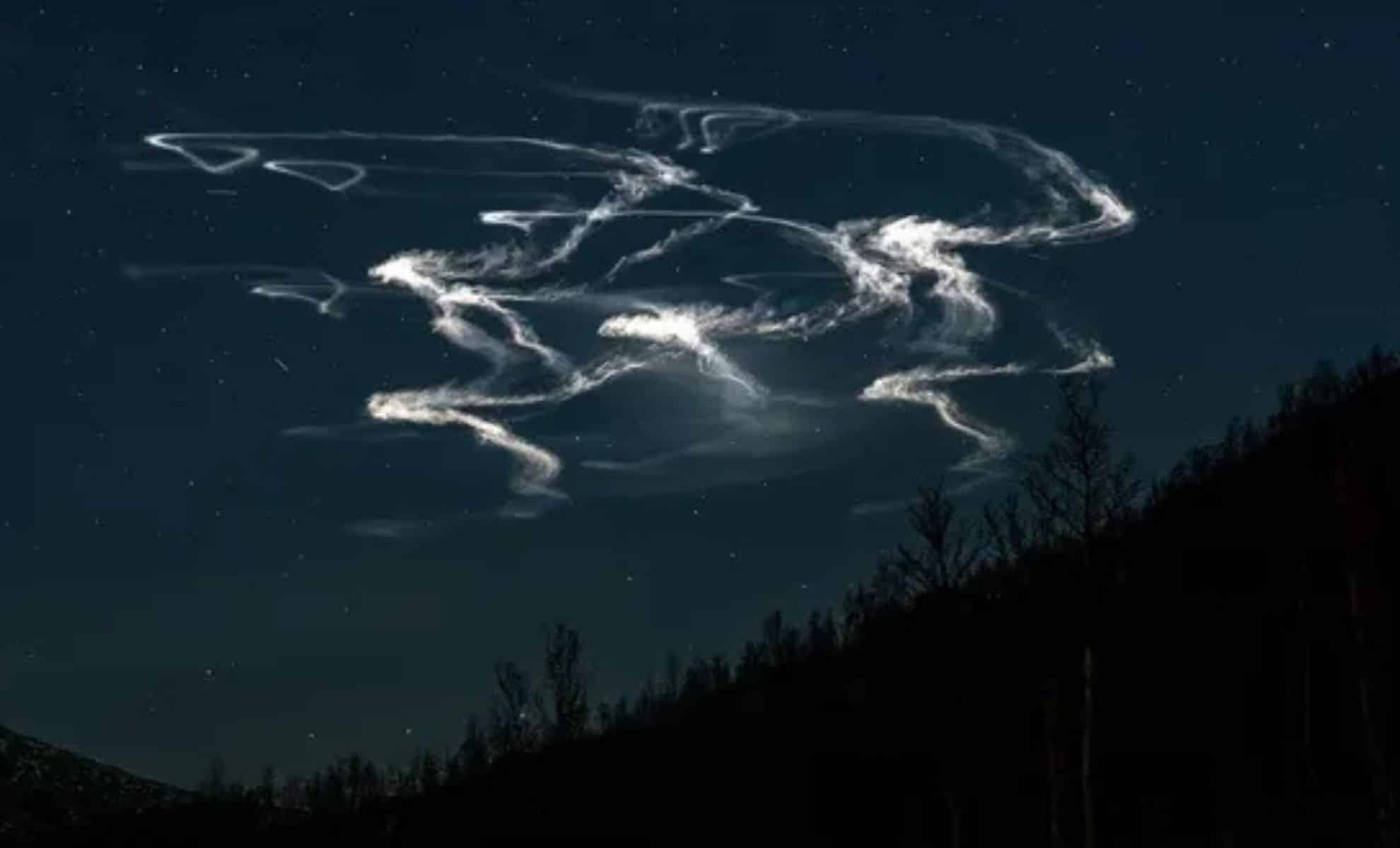
NASA conducted the Vorticity Experiment (VortEx) over Northern Norway, launching rockets that released glowing artificial clouds to study atmospheric turbulence and gravity waves. These clouds, created using trimethyl aluminum, served as visual markers to reveal energy flows between atmospheric layers, crucial for understanding weather and climate dynamics. The experiment, set against the northern lights, provided insights into the turbopause, a key atmospheric region, and has implications for both Earth and planetary science.
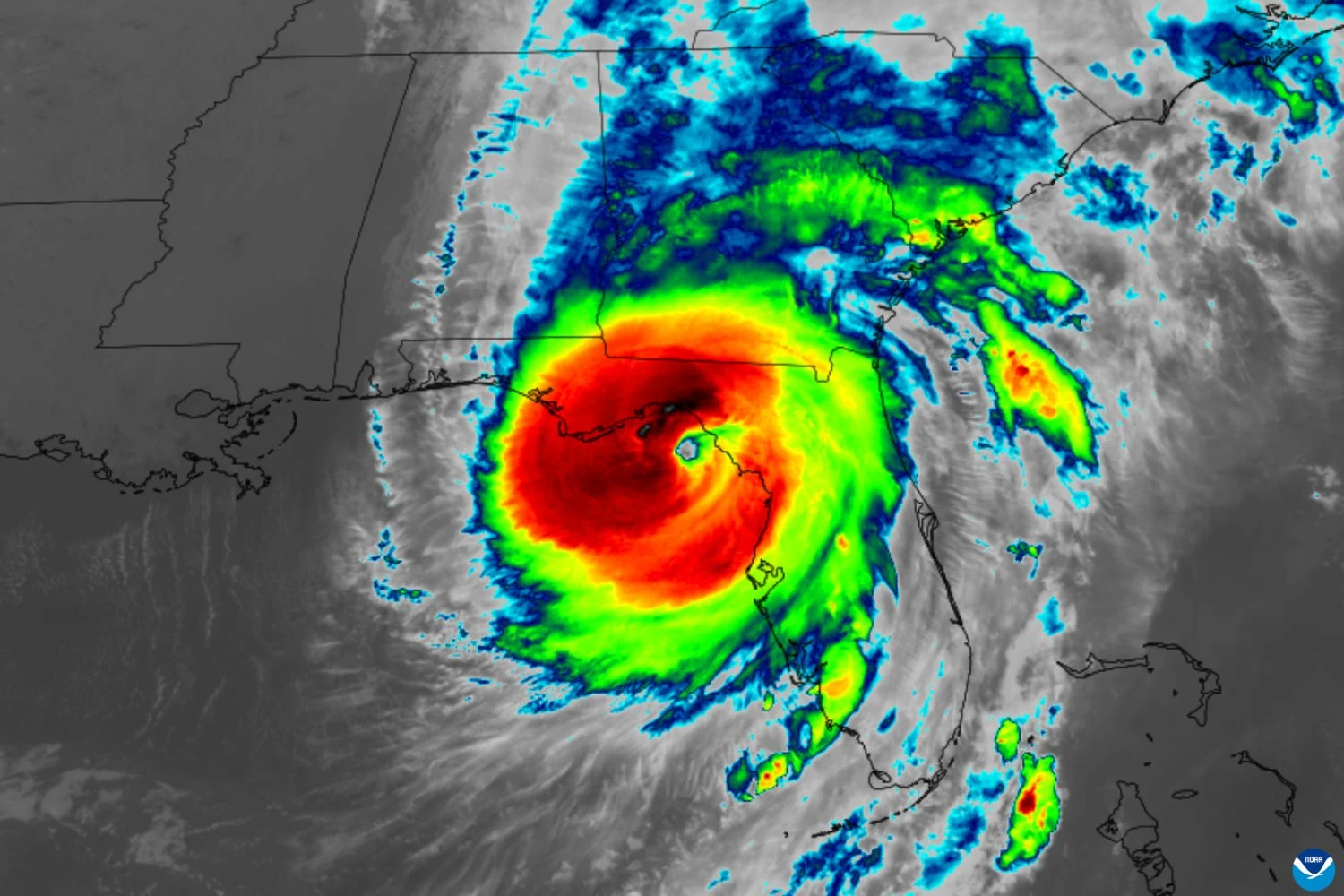
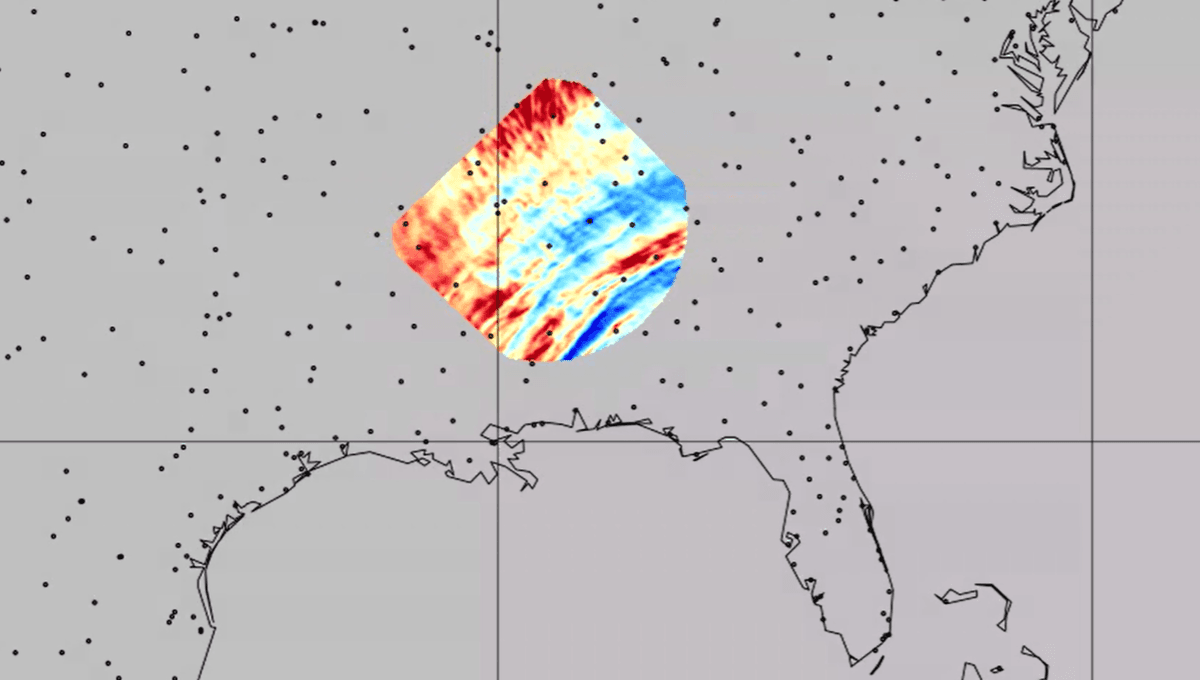
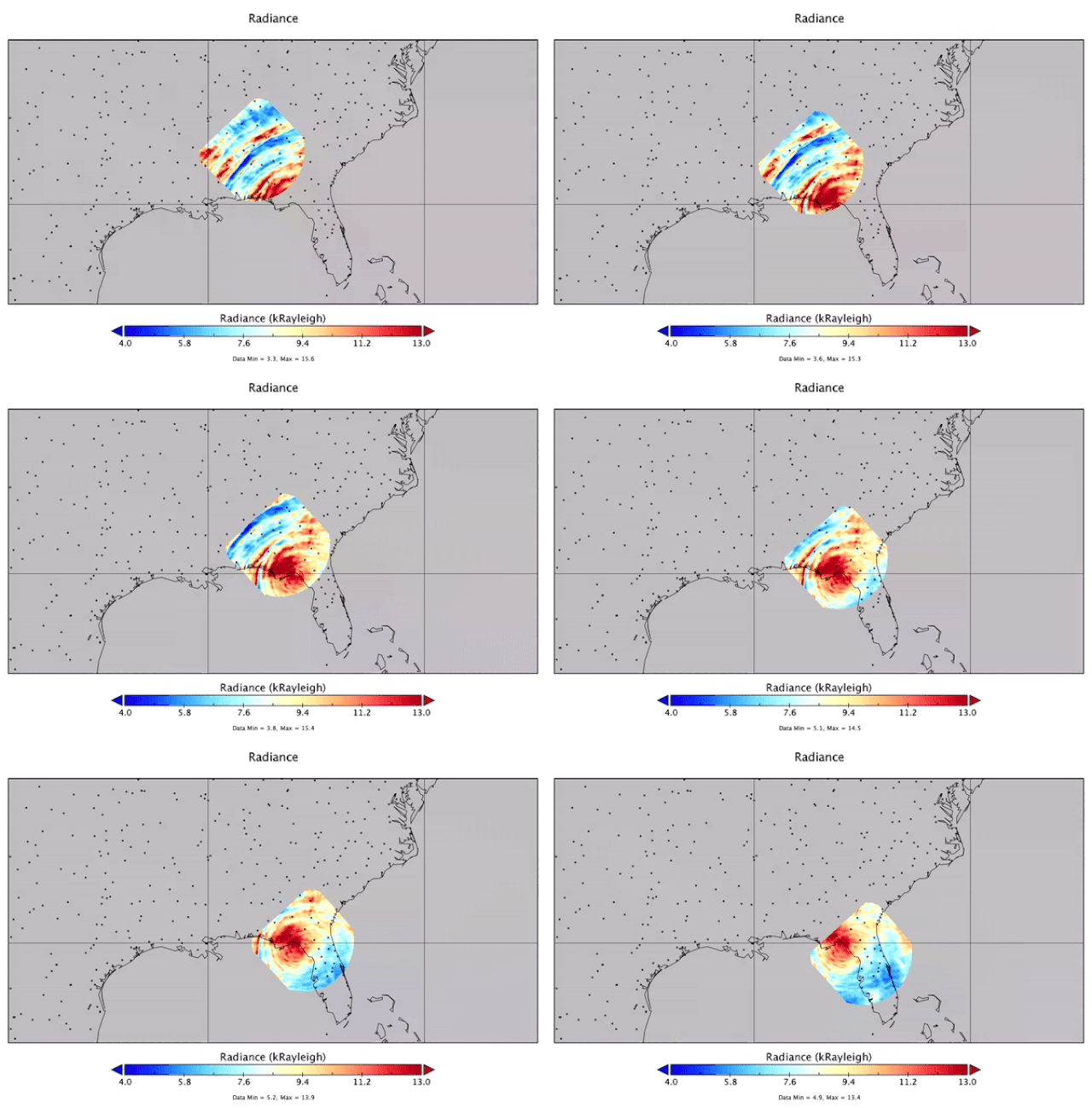
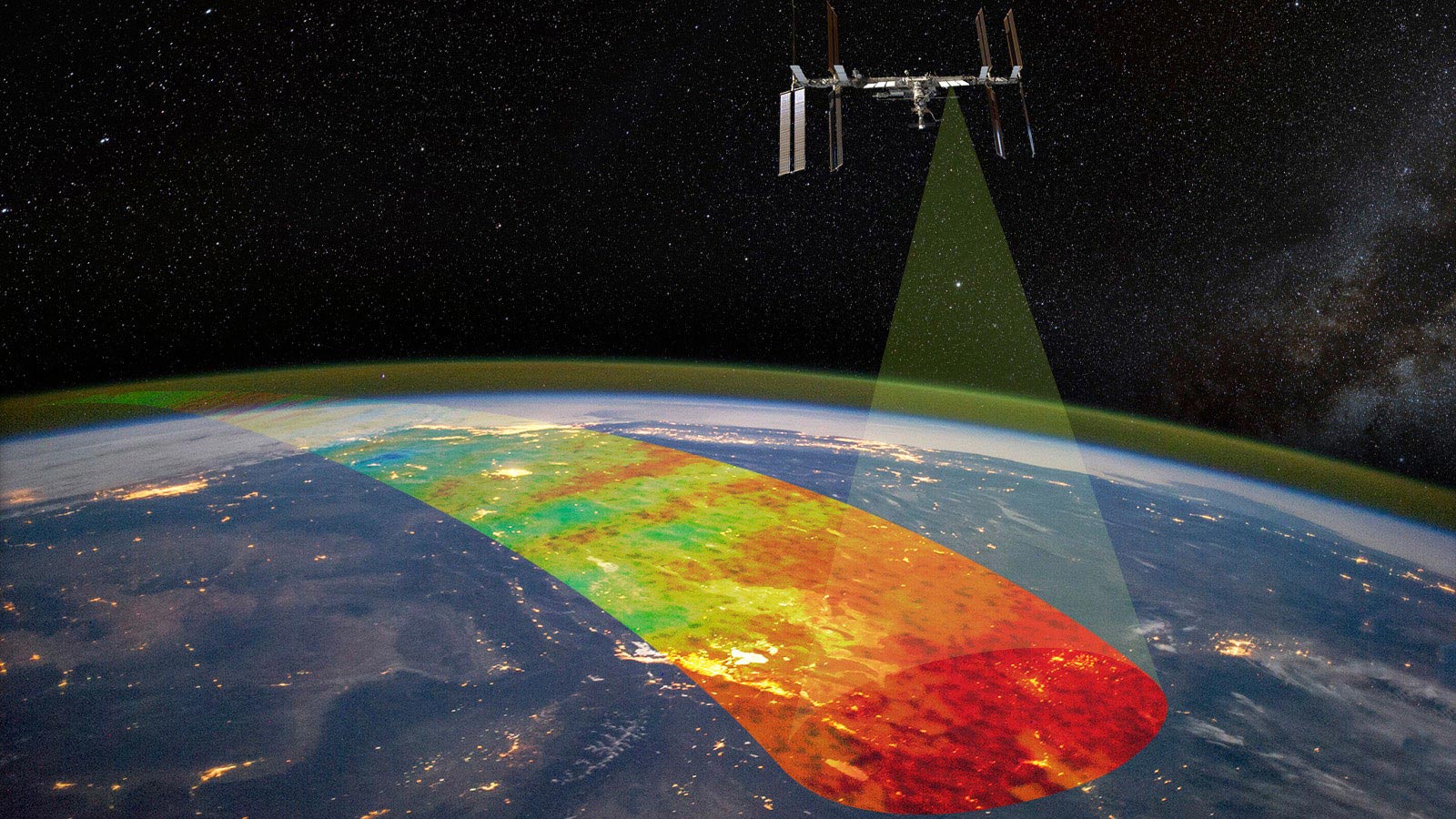
NASA's Atmospheric Waves Experiment aboard the International Space Station captured images of gravity waves generated by Hurricane Helene, highlighting the storm's intensity and the instrument's capabilities. Gravity waves, distinct from gravitational waves, are atmospheric ripples caused by natural phenomena like hurricanes. The data, visualized in infrared wavelengths, helps scientists understand the impact of terrestrial weather on space weather, which can affect low-Earth orbit instruments and communications. Helene, a Category 4 storm, caused significant damage in the southeastern U.S., including power outages and flooding.
Hurricane Helene, which recently hit Florida's Gulf Coast, not only caused destruction on land but also triggered significant gravity waves in Earth's atmosphere, reaching altitudes near the edge of space. These waves, observed by the Atmospheric Waves Experiment on the International Space Station, are formed by the interaction of different atmospheric layers and are crucial for understanding space weather interactions. Unlike gravitational waves, gravity waves are common and have been observed on other planets as well.
NASA's Atmospheric Waves Experiment captured images of atmospheric gravity waves from Hurricane Helene, which made landfall in Florida as a Category 4 storm. These waves, distinct from gravitational waves, are vertical ripples in the atmosphere caused by events like hurricanes. The AWE instrument on the International Space Station detects these waves by measuring airglow in the mesosphere. The images are among the first released by NASA, aiming to understand the impact of Earth's weather on space weather.
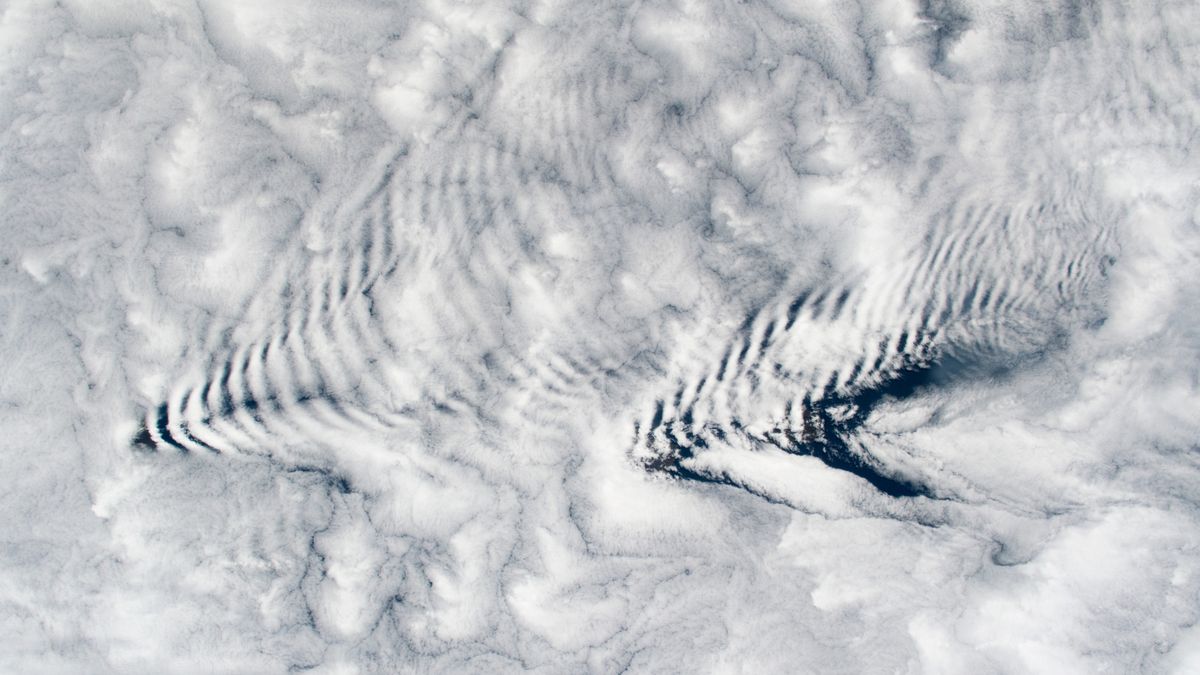
An astronaut aboard the International Space Station captured a photo of two perfectly aligned wave clouds above the Crozet Islands in the Southern Ocean. These wave clouds, formed by air oscillating over island mountains, are rare and more commonly found over large bodies of water. The Crozet Islands are uninhabited except for a small research station studying local wildlife.
NASA's Atmospheric Waves Experiment (AWE) has captured its first images of the mesosphere from the International Space Station (ISS), confirming the instrument is functioning as designed. AWE aims to study atmospheric gravity waves (AGWs) in the mesopause region to understand how they form and their effects on the upper atmosphere. This research is crucial for comprehending space weather impacts on satellite operations and communication systems. AWE is led by Ludger Scherliess at Utah State University and managed by NASA's Goddard Space Flight Center.
Unusual and captivating cloud formations stretching over 1,000 kilometers appeared over Western Australia and the Northern Territory. Experts speculate that gravity waves and disturbances in the stable atmosphere caused the complex patterns. The large clouds with arced edges may have been shaped by gravity waves on a larger scale, while the cloud boundaries could have been influenced by the topography below. The clouds resembled fallstreak clouds but formed at lower levels. The spectacle was short-lived, disappearing by late morning due to destabilization of the lower atmosphere.