The article highlights five scientifically proven foods—oats, okra, berries, barley, and avocados—that can help lower cholesterol levels and improve heart health, emphasizing the benefits of plant-based diets and soluble fiber intake.
Vitamin B12 deficiency is a common but often overlooked condition that can cause fatigue, mood swings, memory issues, and nerve problems, especially among vegetarians, vegans, and older adults. It mimics symptoms of depression and ageing but can be easily corrected through diet, supplements, and medical testing if detected early.
A Hyderabad neurologist highlights that persistent forgetfulness and mood swings in a young vegetarian IT professional were caused by a severe Vitamin B12 deficiency, which was successfully treated with supplements, emphasizing the importance of awareness and early diagnosis especially among vegetarians.
Ravi Chandra, an Indian-origin CFO, reversed his type 2 diabetes by ditching medication and taking up running, participating in 29 races since. He runs 8-9km six days a week and uses the maximal aerobic function technique. His vegetarian diet consists of carbohydrates, cooked veggies, and fruits, and he occasionally eats fish or chicken. His blood glucose levels returned to normal within three months of starting running, and he has not required medication since.
This article provides a 7-day high-protein vegetarian meal plan created by a dietitian, focusing on plant-based protein sources and omitting added sugars. The plan includes at least 75 grams of protein and 28 grams of fiber per day, with options for 1,200, 1,500, and 2,000 calorie levels. It emphasizes the benefits of a vegetarian diet, such as increased fiber intake and potential improvements in heart health and weight loss. The plan features protein-rich foods like beans, lentils, nuts, dairy, eggs, soy, and whole grains, and offers meal-prep suggestions for each day.
A study conducted by the University of Leeds reveals that both vegetarian men and women face a 50% higher risk of hip fractures compared to those who regularly consume meat. The research, which analyzed data from over 413,914 participants, found that vegetarians, regardless of gender, had a significantly greater risk of hip fractures. The study also identified low body mass index (BMI) and inadequate protein intake as potential factors contributing to the increased risk. While the overall risk of hip fractures among vegetarians was low, the health benefits of a vegetarian diet, such as a lower risk of cancer and cardiovascular disease, may still outweigh the increased risk of hip fractures.
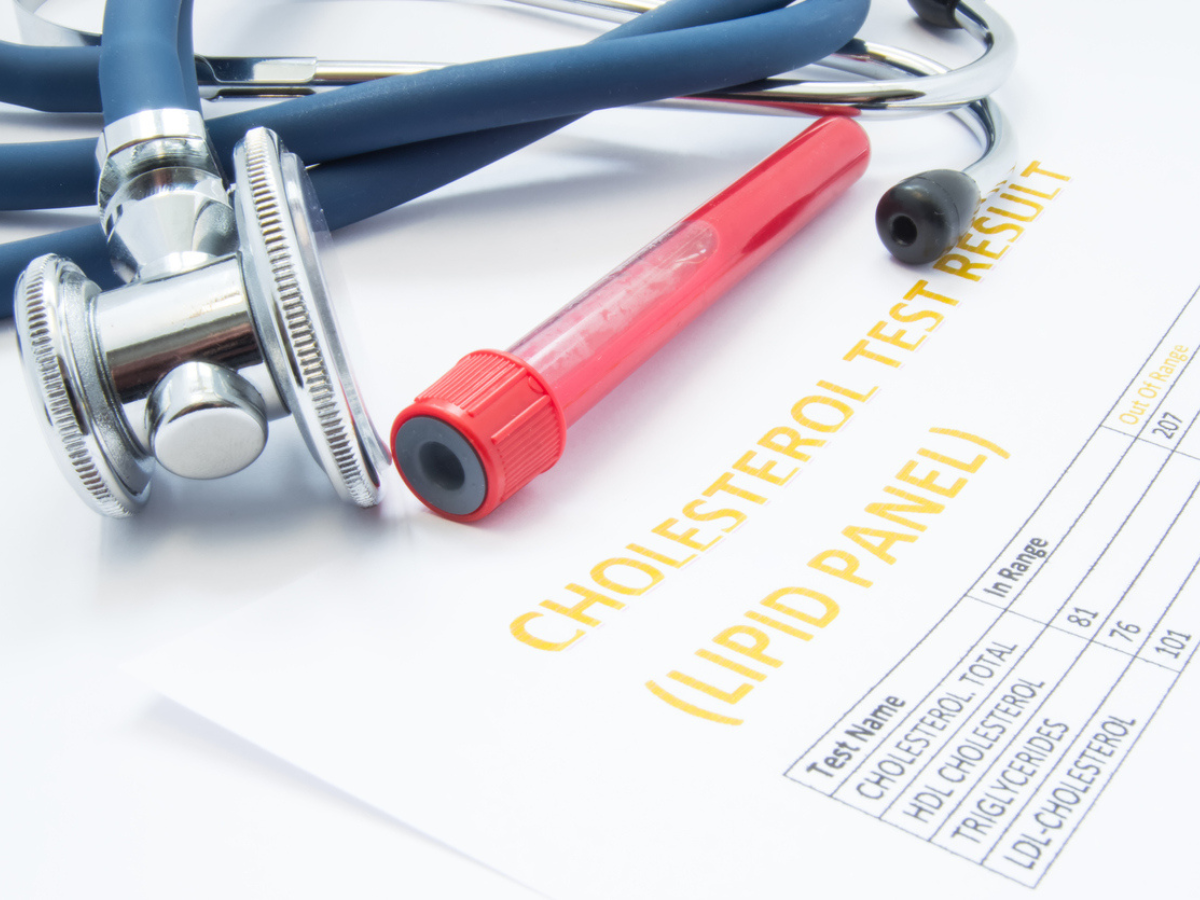
New research finds that people who follow a vegetarian or vegan diet have lower levels of LDL (bad) cholesterol than those who eat meat. For the study, researchers analyzed data from 30 studies that looked at the impact of vegetarian or vegan diets vs. a meat-eating diet on cholesterol in adults. The researchers found that levels of low-density lipoproteins (LDL, or “bad” cholesterol), decreased 10% in people who followed a plant-based diet compared to people who ate meat, while total cholesterol dropped by 7%.
A new study published in the European Heart Journal has found that vegetarian and vegan diets can lower cholesterol levels, which is a major risk factor for heart disease. The study analyzed data from 30 randomized trials with a total of 2,372 participants and found that plant-based diets were associated with reduced concentrations of total cholesterol, low-density lipoprotein cholesterol, and apolipoprotein B. Foods such as oats, barley, whole grains, beans, eggplants, okra, nuts, vegetable oils, seasonal fruits, soy, and fatty fish can help lower cholesterol. However, the researchers noted that statin treatment is superior to plant-based diets in reducing lipid and lipoprotein levels.
A recent study suggests that a strain of E. coli bacteria carried in food may be responsible for over 480,000 UTIs in the US each year. While UTIs are common in people with multiple sclerosis (MS), they can be caused by a variety of factors, including catheterization and disease-modifying therapies. A vegetarian diet may lower the risk of uncomplicated UTIs, according to a 2020 study.