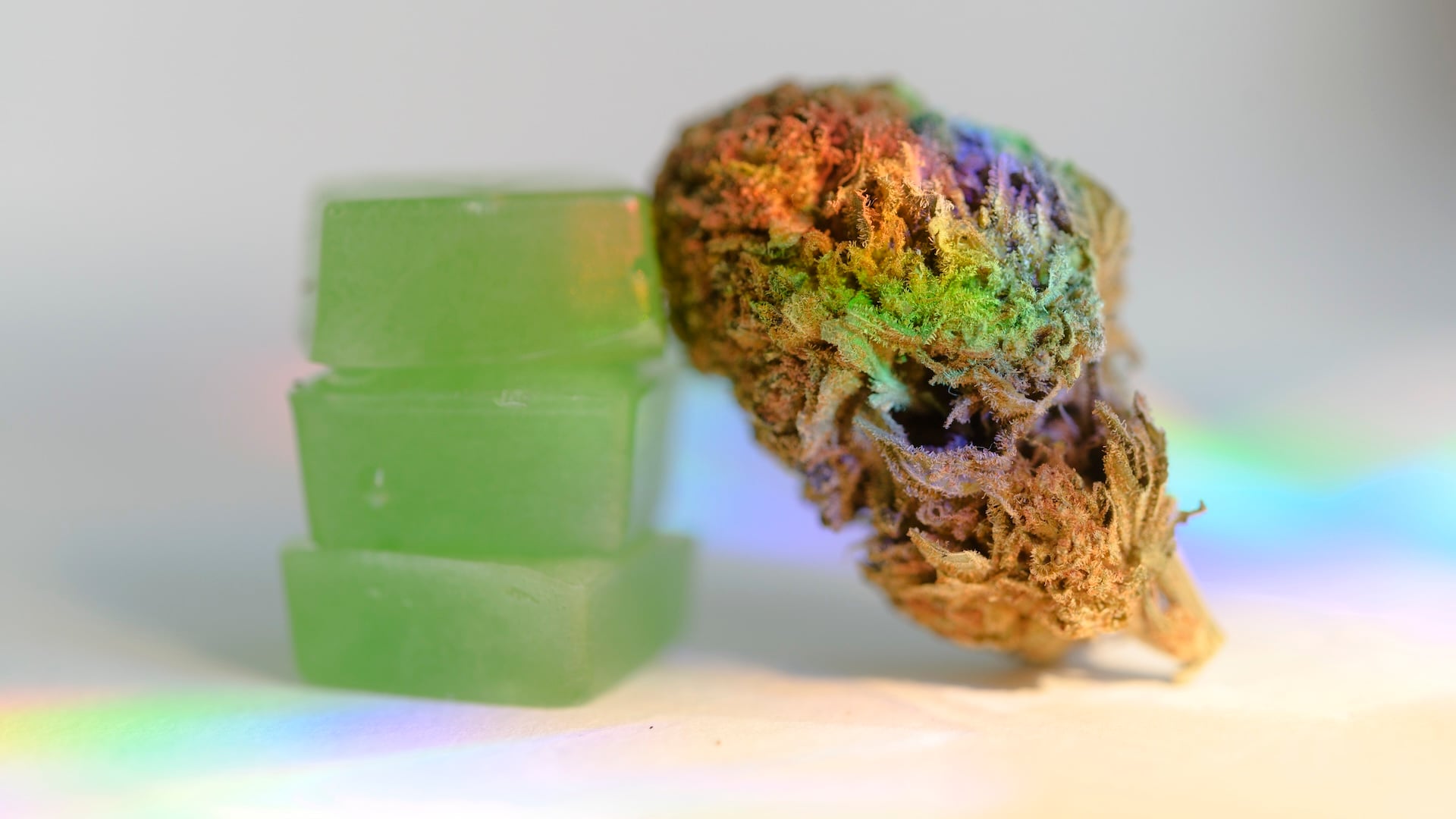
A recent study published in JAMA Cardiology found that chronic cannabis use, whether smoked or consumed as edibles, is linked to impaired artery function, increasing the risk of cardiovascular disease, heart attacks, and strokes, with smoked cannabis having a more severe effect on vascular health.
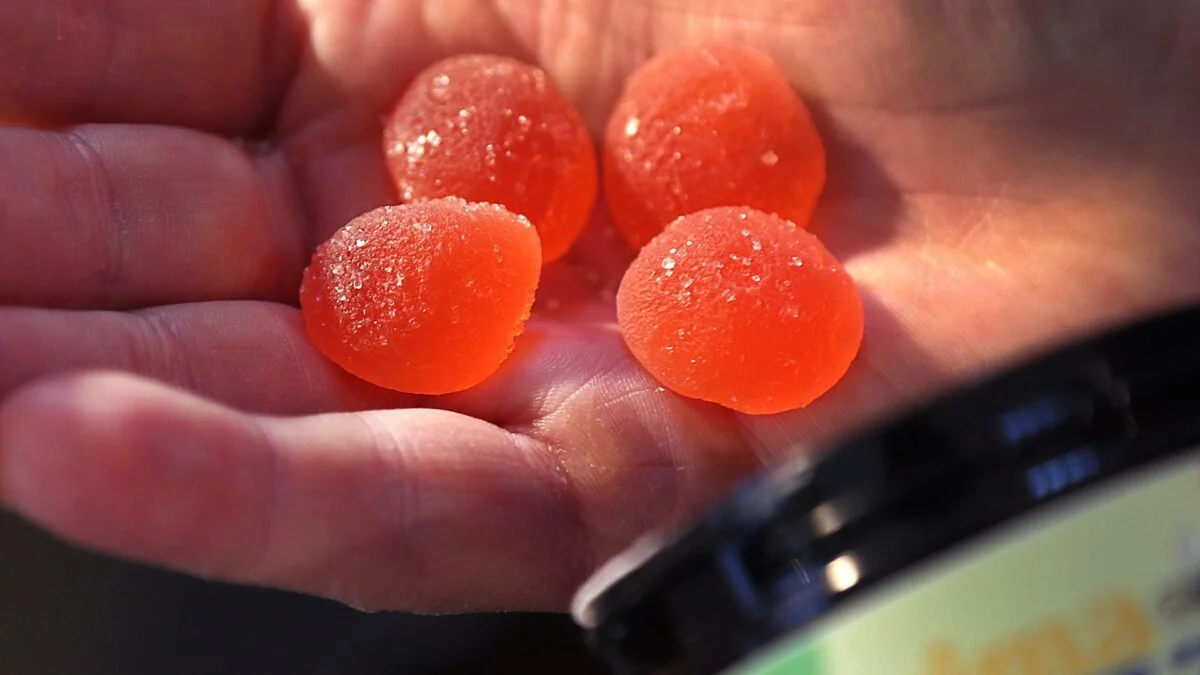
New research indicates that both smoking cannabis and consuming THC edibles may impair blood vessel function and increase cardiovascular risk, challenging the perception that edibles are harmless for heart health.
A recent study indicates that cannabis use, whether smoked or ingested, is associated with reduced blood vessel function and increased risk of endothelial dysfunction, which could lead to cardiovascular issues like heart attacks and hypertension. Smoking cannabis appears to have a more immediate impact on serum properties, while both methods impair vascular health, challenging the perception that edibles are a safer alternative. The findings highlight the need for further research into the mechanisms and long-term effects of cannabis on heart health.
A UCSF study reveals that chronic marijuana use, whether smoked or eaten as edibles, significantly impairs blood vessel function by about 50%, with smoking causing additional harmful changes in blood serum, thereby increasing the risk of heart attack and hypertension.
A study from UC San Francisco found that long-term cannabis use, whether smoked or eaten as edibles, impairs blood vessel function and increases the risk of heart disease, with edible cannabis having a similar impact as smoking marijuana.
A study from the University of Birmingham suggests that drinking cocoa, rich in flavanols like epicatechin, may help mitigate the negative vascular effects of consuming fatty foods during stress. While fatty foods can impair vascular function and delay recovery from stress, cocoa's flavanols improve blood vessel function and reduce stress-related blood pressure increases. The study highlights cocoa as a potential dietary strategy to counteract stress and fatty food consumption, though it doesn't affect stress-induced brain oxygenation changes.
Comfort eating fatty foods during times of stress can hinder the body's recovery and negatively impact mental health, cognitive function, and increase the risk of heart disease. Researchers found that consuming fatty foods reduced blood flow to the brain and impaired vascular function. They suggest opting for healthier alternatives like fruits and vegetables, particularly those rich in polyphenols, to prevent the negative effects on the body.
Consuming fatty foods before a stressful event can hinder the body's recovery from stress effects. A study found that high-fat meals reduced vascular function and brain oxygenation, and negatively affected mood. Low-fat meals showed less impact on stress recovery, while foods rich in polyphenols like fruits and vegetables could prevent vascular function impairment altogether. The research suggests that choosing low-fat or polyphenol-rich foods can offer a healthier way to cope with stress.
Erectile dysfunction is a common problem affecting half of all men between the ages of 40 and 70, often due to issues with vascular function. Factors such as smoking, diabetes, and low testosterone levels can disrupt the release of nitric oxide, which is essential for achieving and sustaining an erection. High blood pressure and cholesterol can also contribute to erectile problems. It is recommended to see a doctor for blood tests and an ultrasound scan to determine the underlying cause. As for using a vibration plate, while it may provide some improvement in fitness, regular physical exercise is still considered the best activity for overall health. Additionally, a recent study suggests that long-term use of proton pump inhibitors, such as omeprazole or lansoprazole, may increase the risk of developing diabetes.
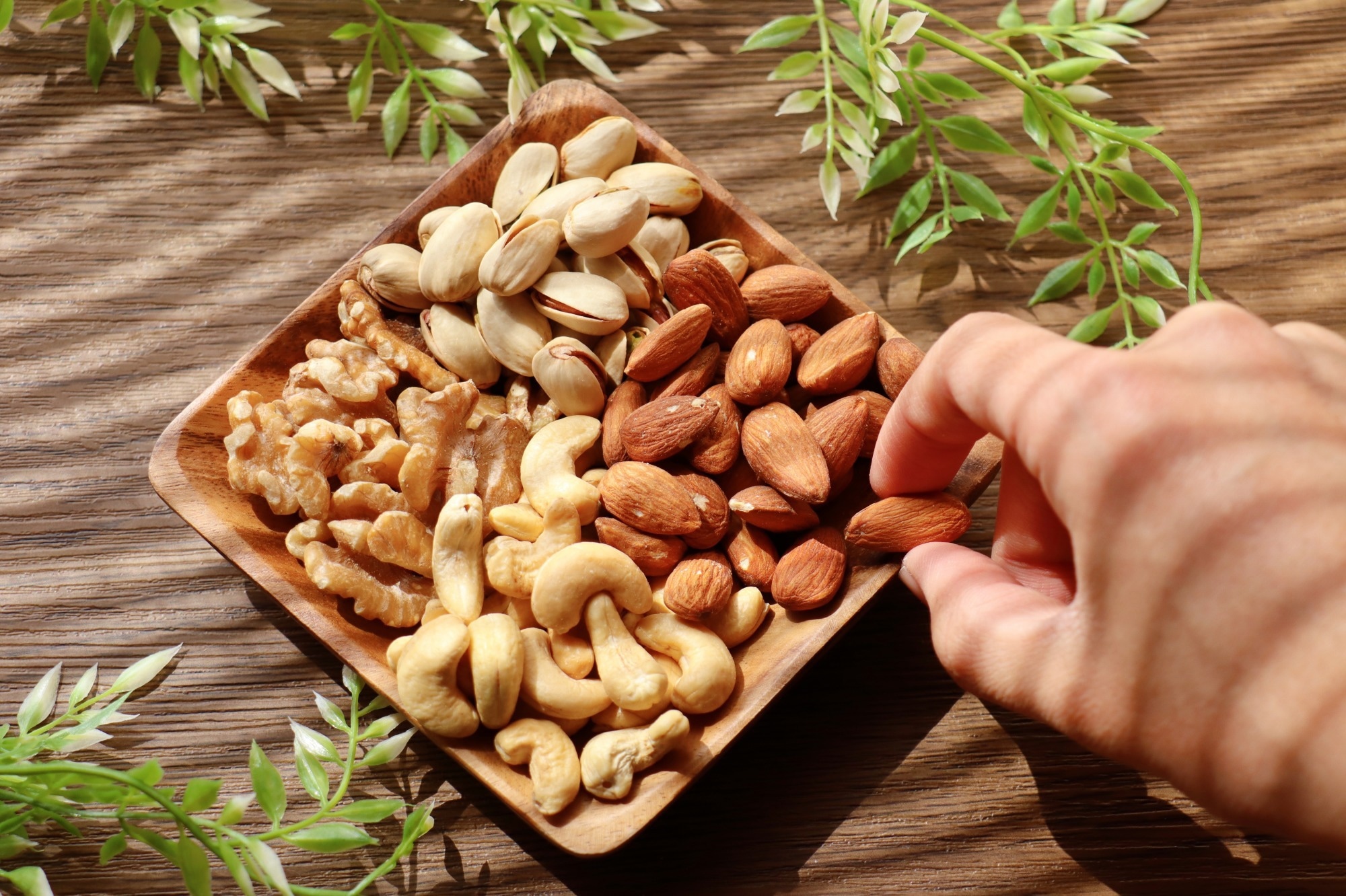
A study published in Clinical Nutrition found that long-term consumption of mixed nuts, including cashews, walnuts, hazelnuts, and pistachios, can improve brain vascular function and memory in healthy males and post-menopausal females between 60 and 70 years of age. The study showed an increase in regional cerebral blood flow and improvements in cognitive performance within the memory domain without changes in psychomotor speed and executive function. The mixed nut intervention also resulted in improvements in different characteristics of the peripheral vascular tree.