Tag

Fatty Foods

All articles tagged with #fatty foods

Cocoa and Green Tea: Stress-Relief and Heart Health Benefits

Originally Published 1 year ago — by Medical News Today

Featured image for Cocoa and Green Tea: Stress-Relief and Heart Health Benefits
Source: Medical News Today

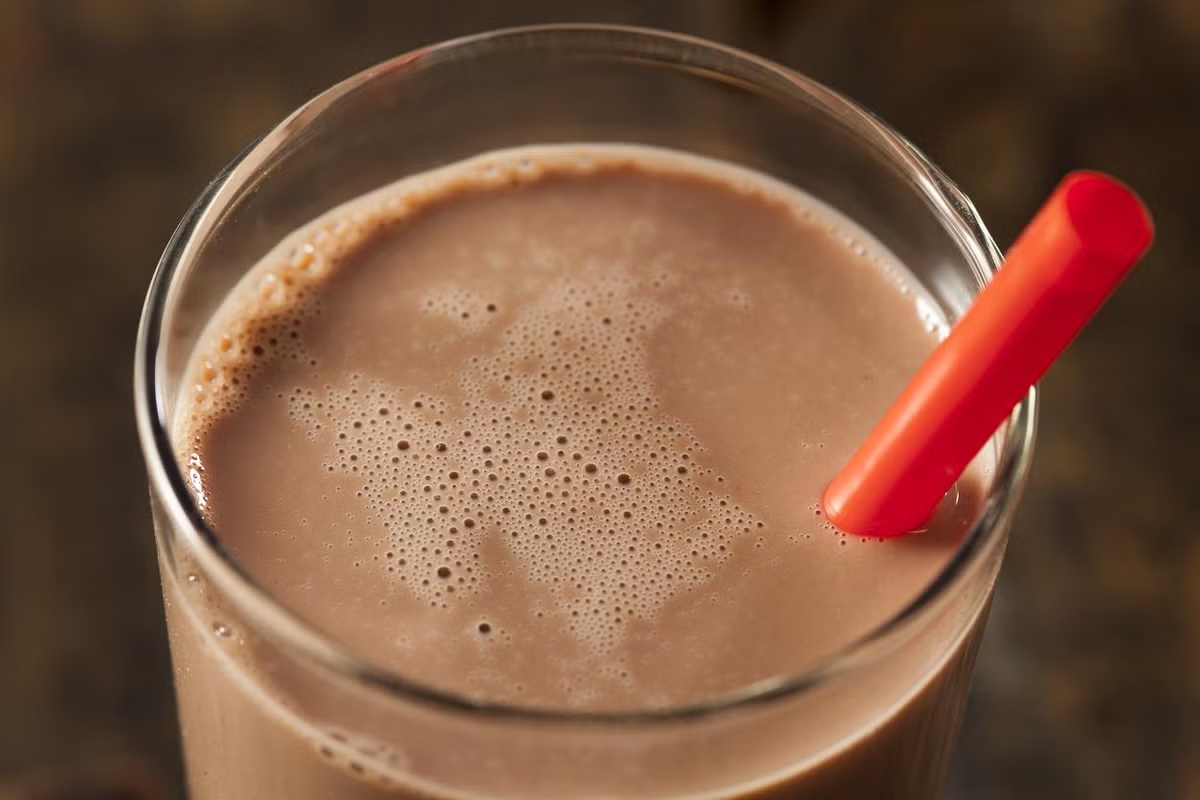
A study from the University of Birmingham suggests that drinking cocoa, rich in flavanols like epicatechin, may help mitigate the negative vascular effects of consuming fatty foods during stress. While fatty foods can impair vascular function and delay recovery from stress, cocoa's flavanols improve blood vessel function and reduce stress-related blood pressure increases. The study highlights cocoa as a potential dietary strategy to counteract stress and fatty food consumption, though it doesn't affect stress-induced brain oxygenation changes.
Cocoa and Green Tea: The Antidote to Stress-Induced Junk Food Cravings

Originally Published 1 year ago — by The Independent

Featured image for Cocoa and Green Tea: The Antidote to Stress-Induced Junk Food Cravings
Source: The Independent

A study from the University of Birmingham suggests that consuming cocoa high in flavanols can mitigate the negative cardiovascular effects of eating fatty foods during stress. Flavanols, found in cocoa, green tea, and berries, help maintain blood vessel function and regulate blood pressure. The research highlights the potential health benefits of incorporating flavanol-rich foods into diets, especially for those who consume high-fat foods when stressed.

"Pre-Surgery Fatty Food Consumption Linked to Memory Impairment"

Originally Published 1 year ago — by ScienceAlert

Featured image for "Pre-Surgery Fatty Food Consumption Linked to Memory Impairment"
Source: ScienceAlert

A new animal study suggests that consuming fatty foods in the days before surgery may exacerbate the inflammatory processes linked to cognitive decline, potentially leading to prolonged memory difficulties. Rats fed a high-fat diet for three days before a surgery-like procedure showed persistent signs of memory deficits lasting up to two weeks, accompanied by increased brain inflammation. However, DHA omega-3 fatty acid supplements were found to blunt the post-surgery inflammatory response and prevent associated memory problems in both young and older rats. Further research is needed to determine the translation of these findings to humans, especially obese surgical patients, and to understand the potential impact of gender differences in response to general anesthetics.

"Experts Warn: Cut These 4 Fatty Foods to Protect Heart Health in 2024"

Originally Published 1 year ago — by SheFinds

Featured image for "Experts Warn: Cut These 4 Fatty Foods to Protect Heart Health in 2024"
Source: SheFinds

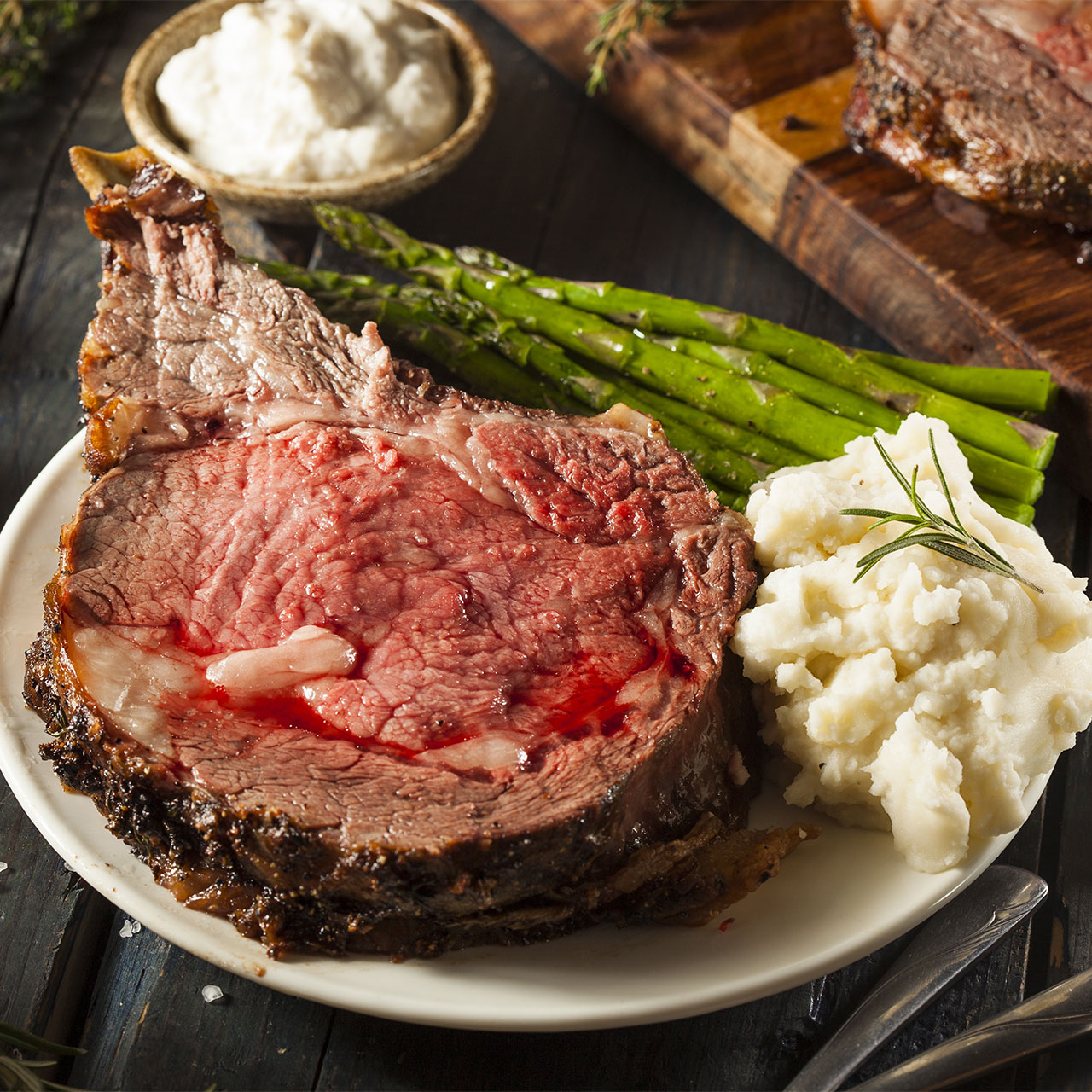
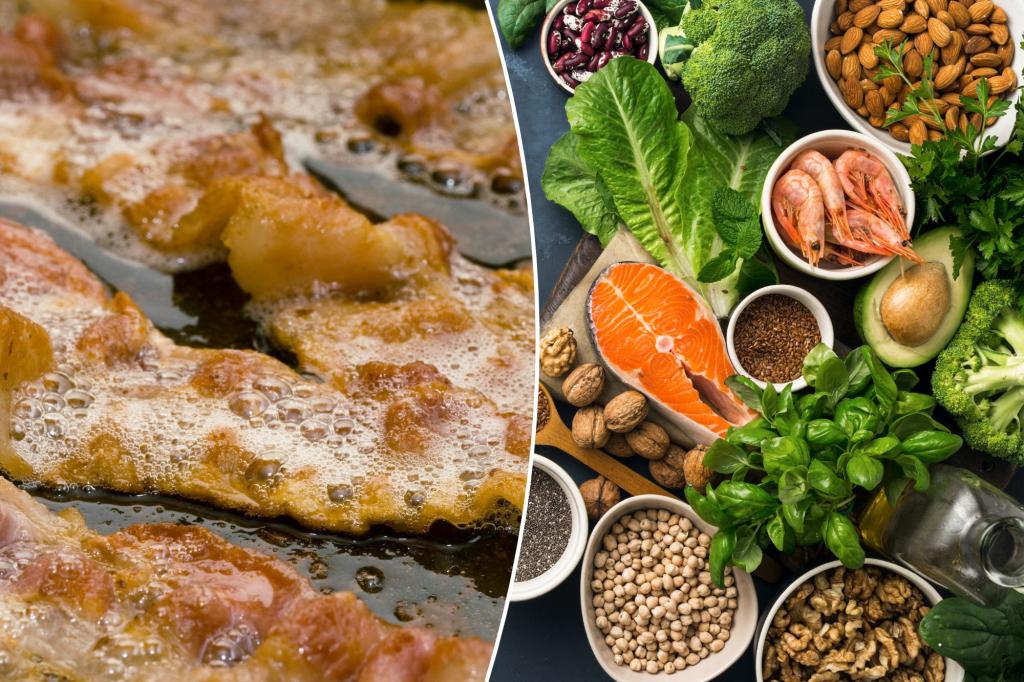
Registered dietitian Lisa Andrews warns against consuming bacon, full-fat ice cream, prime rib, and doughnuts due to their detrimental effects on artery health and heart function. These high-fat foods are high in saturated fats, cholesterol, and sugar, which can lead to atherosclerosis, plaque buildup in the arteries, and an increased risk of heart disease. Making heart-healthy food choices is essential for overall well-being, and cutting out these fatty foods can help protect arteries and preserve heart health in 2024 and beyond.

The Impact of Fatty Foods on Stress Response and Brain Function

Originally Published 2 years ago — by PsyPost

Featured image for The Impact of Fatty Foods on Stress Response and Brain Function
Source: PsyPost

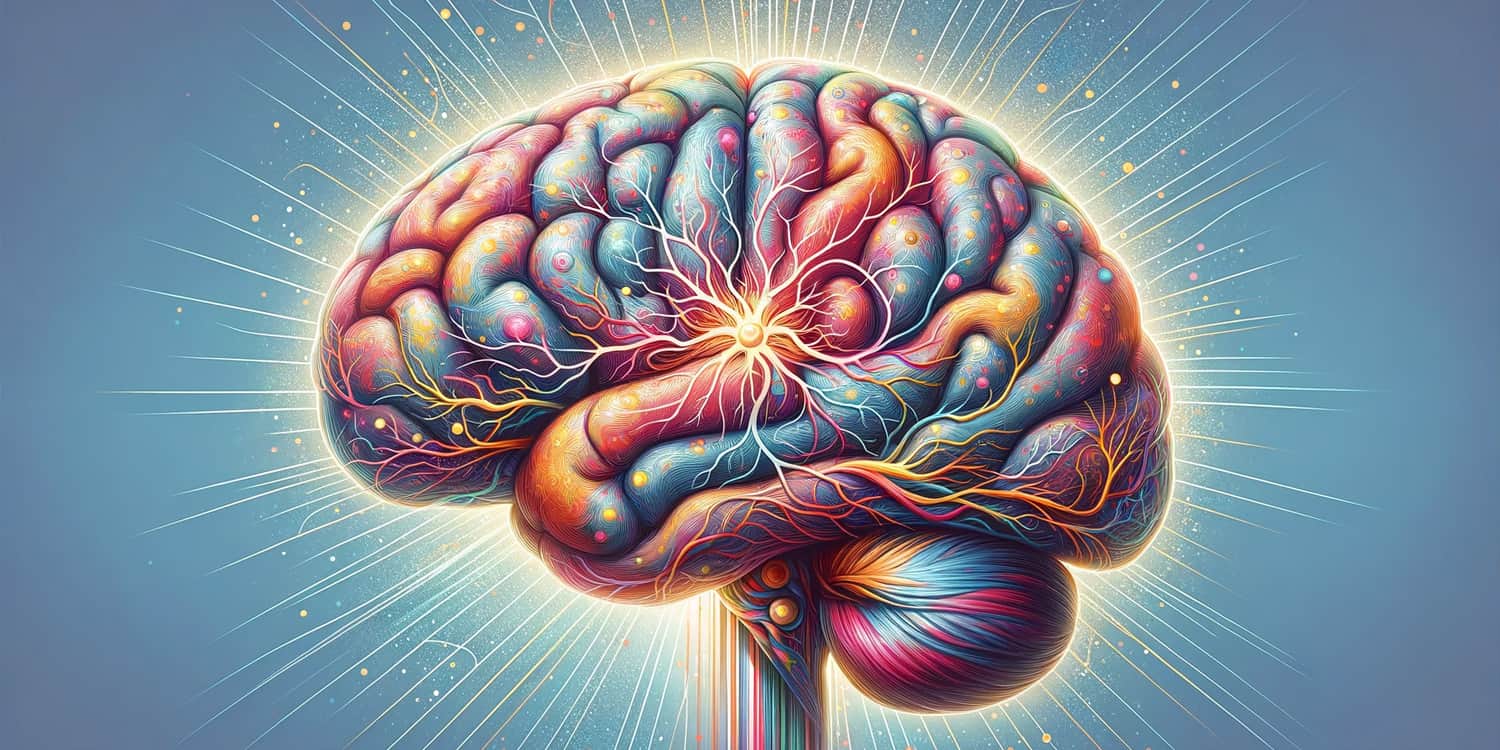
Consuming a high-fat meal can impair blood flow to the brain during stressful situations, potentially affecting mood and cognitive performance, according to a study conducted at the University of Birmingham. The research found that a fatty diet reduced the brain's ability to regulate blood flow in response to mental challenges, particularly in the prefrontal cortex, a region crucial for attention control and decision-making. The study also revealed that fat consumption influenced mood, with participants reporting greater mood disturbances, such as fatigue, following a high-fat meal. The findings highlight the importance of food choices during stressful times and suggest that opting for healthier options may help protect brain function.

The Impact of Fatty Snacks on Stress Recovery

Originally Published 2 years ago — by Neuroscience News

Featured image for The Impact of Fatty Snacks on Stress Recovery
Source: Neuroscience News

Consuming fatty foods before a stressful event can hinder the body's recovery from stress effects. A study found that high-fat meals reduced vascular function and brain oxygenation, and negatively affected mood. Low-fat meals showed less impact on stress recovery, while foods rich in polyphenols like fruits and vegetables could prevent vascular function impairment altogether. The research suggests that choosing low-fat or polyphenol-rich foods can offer a healthier way to cope with stress.

The Brain's Influence on Craving Fatty Foods: Milkshake Neuroscience

Originally Published 2 years ago — by Nature.com

Featured image for The Brain's Influence on Craving Fatty Foods: Milkshake Neuroscience
Source: Nature.com

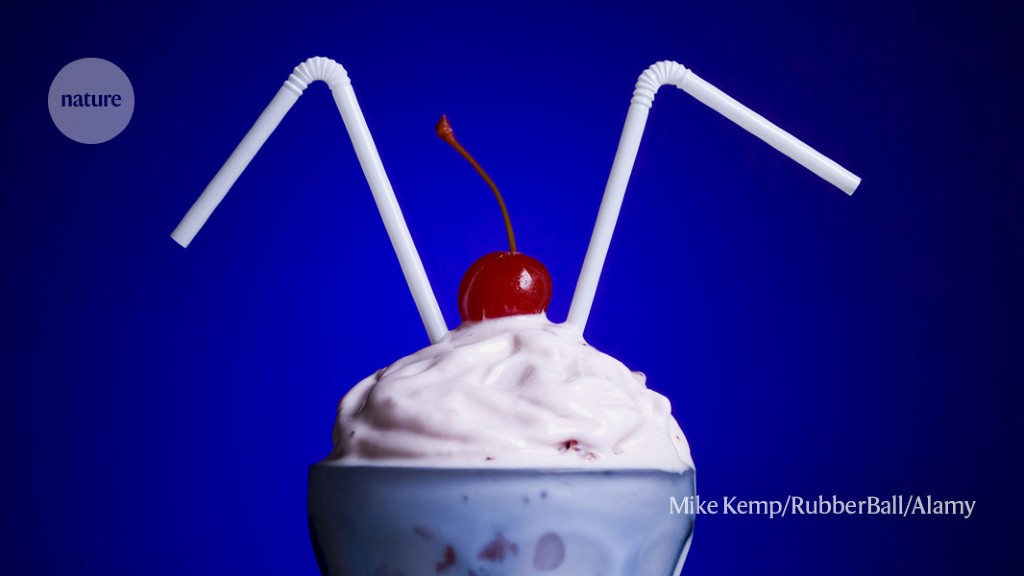
Brain imaging studies have revealed that high-fat foods, such as milkshakes, activate the orbitofrontal cortex (OFC) in the brain, which is involved in reward processing. Researchers found that the smooth texture of fatty foods influences the allure of the food and guides eating behavior. The study also showed that individuals with more sensitive OFCs to fatty texture were more likely to consume larger amounts of high-fat foods. These findings could contribute to the development of low-calorie food formulations and provide insights into the neural mechanisms of overeating.

The Impact of Fatty Foods on Memory

Originally Published 2 years ago — by Neuroscience News

Featured image for The Impact of Fatty Foods on Memory
Source: Neuroscience News

A study from Ohio State University has found that high-fat diets can negatively impact memory formation, particularly in aging mice. The research identified the omega-3 fatty acid DHA as a potential defense against the brain inflammation caused by high-fat diets. The study focused on microglia and hippocampal neurons, finding that palmitic acid from high-fat foods induced increased inflammation in both cell types. However, pre-treatment with DHA had a protective effect against inflammation. The study also revealed that a high-fat diet in aging mice disrupted specific brain cell signaling, hindering the creation of new memories. This research provides insights into how fatty foods affect brain cells and memory, especially as we age.

How Junk Food Rewires Your Brain to Crave Sweets

Originally Published 2 years ago — by New York Post

Featured image for How Junk Food Rewires Your Brain to Crave Sweets
Source: New York Post

A study by Yale University and the Max Planck Institute for Metabolism Research has found that eating fatty and sugary foods every day alters the reward circuits in human brains to create lasting preferences. Participants were given yogurt high in fat and sugar twice daily for eight weeks, while the other group received a low-fat, low-sugar version. At the end of the eight weeks, participants were offered puddings with varying fat contents and apple juice containing differing sugar levels and told to rate them for fattiness, creaminess, oiliness, sweetness, desire and satisfaction. The study found that those eating food higher in fat and sugar continued to crave it, and even small human dietary changes can rewire brain circuits and increase the long-term risk of overindulgence or weight gain.