Tag

Stress

All articles tagged with #stress

Nature as a Neural Reset: Brief Outdoor Time Calms the Brain
science1 day ago

Nature as a Neural Reset: Brief Outdoor Time Calms the Brain

A synthesis of 100+ brain-imaging studies shows that short time in nature triggers a neural reset—reducing amygdala activity, easing sensory processing via fractal patterns, restoring attention, and quieting repetitive self-talk—effects that deepen with longer, real-world immersion and support nature-based health strategies like green design and social prescribing.


Worrying About Aging Could Speed Up Your Biological Clock
health10 days ago

Worrying About Aging Could Speed Up Your Biological Clock

A study of 726 women found that higher anxiety about aging—especially fears of declining health—was linked to faster epigenetic aging (via DunedinPACE and GrimAge clocks), suggesting health worries may biologically accelerate aging, though causation isn’t proven. Experts note that chronic worry can trigger stress responses, inflammation, and sleep disruption, and advise focusing on present health, differentiating one’s health from others, and seeking mental-health support if anxiety disrupts daily life.

Persistent Belly Fat: The Sure Sign Your Cortisol Is Elevated
health1 month ago

Persistent Belly Fat: The Sure Sign Your Cortisol Is Elevated

Doctors note that the number-one sign of chronically elevated cortisol is unexplained belly fat from visceral fat, which can occur even without changes to diet or exercise; cortisol levels can rise due to stress, illness, sleep deprivation, pregnancy, inflammation, and certain foods or medications, so consult a physician if you notice persistent abdominal weight gain accompanied by other health changes.

Stop the Stress Olympics: Rest to Recharge and Perform Better
health1 month ago

Stop the Stress Olympics: Rest to Recharge and Perform Better

In a culture that glamorizes busyness, the article argues that rest—not more grinding—boosts energy and quality work. It offers practical steps: pair deep work blocks (about 90 minutes) with 30-minute breaks, protect evenings and weekends when possible, and identify the seven rest types (physical, mental, emotional, social, sensory, creative, spiritual). It also highlights the value of enlisting supportive others to push back against the overwork culture.

Cold water therapy delivers brief relief, with uncertain long-term gains, study finds
health1 month ago

Cold water therapy delivers brief relief, with uncertain long-term gains, study finds

Researchers from the University of South Australia conducted a comprehensive review and meta-analysis of 11 studies with 3,177 participants to assess cold water immersion. They found that it can temporarily reduce stress (about 12 hours) and may improve sleep and reduce illness-related absences in some cases, with brief cold showers showing small quality-of-life gains. However, benefits are often short-lived, highly context-dependent, and not guaranteed across populations. A temporary inflammatory spike occurs after exposure, which may aid adaptation rather than signal harm. Caution is advised for people with pre-existing health conditions, and more high-quality, long-term research is needed to identify who benefits most and how best to implement cold-water exposure.

Signs You're in Survival Mode and How to Break Free
health-and-wellness2 months ago

Signs You're in Survival Mode and How to Break Free

The article explains that being stuck in survival mode, a state of constant fight or flight caused by modern stressors, can lead to mental and physical health issues. It lists 11 signs of survival mode, including feeling constantly tired, irritable, anxious, overwhelmed, and experiencing difficulty focusing, which can help individuals identify and address this state to improve their well-being.

Mitochondria: The Brain's Tiny Engines Influencing Mood and Mental Health
health2 months ago

Mitochondria: The Brain's Tiny Engines Influencing Mood and Mental Health

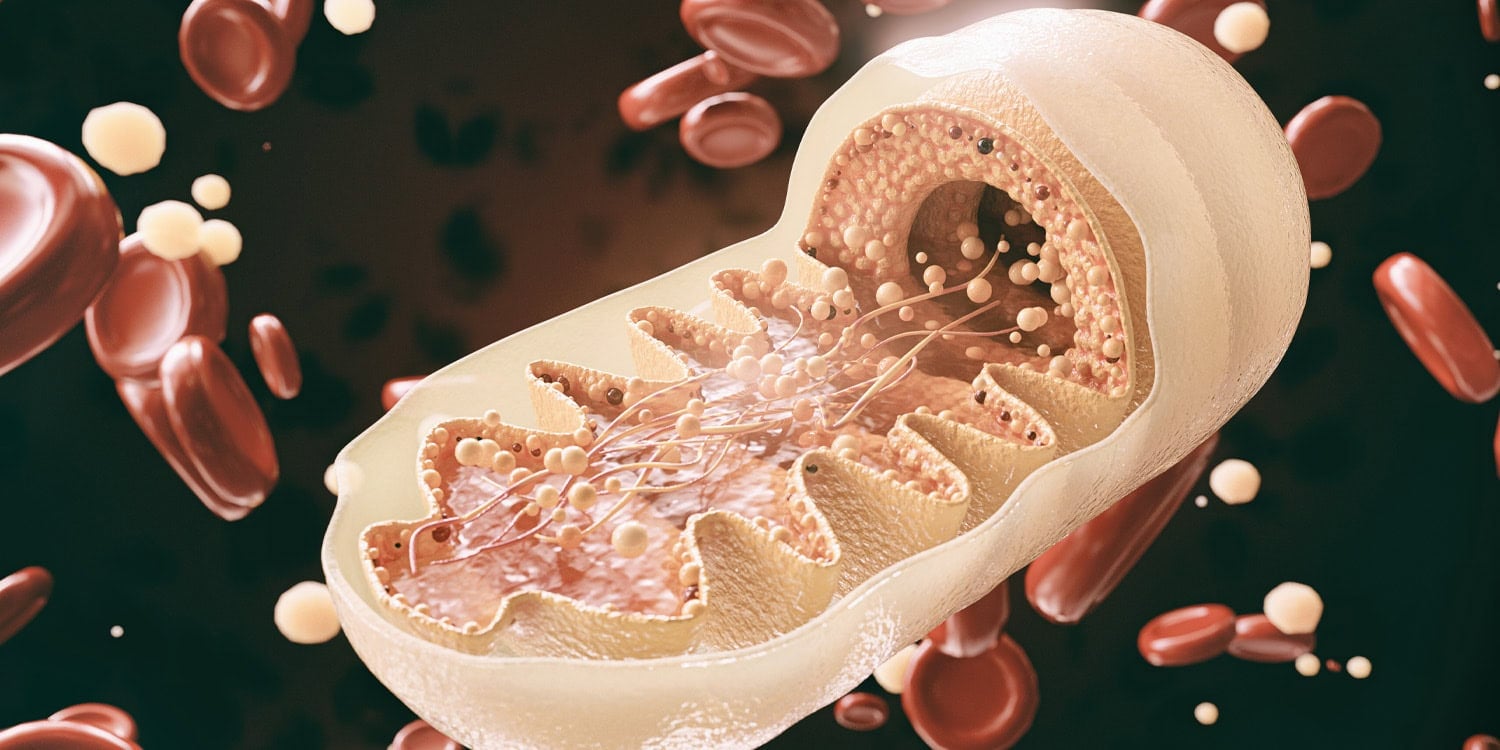
A recent study highlights the role of mitochondria, the energy-producing organelles in brain cells, as key mediators linking stress, trauma, and mental health. Chronic stress and social isolation impair mitochondrial function, leading to mental and physical health issues, but lifestyle interventions like exercise and therapy can restore mitochondrial health and resilience.

Mitochondria Connect Stress, Brain Function, and Mental Health
health2 months ago

Mitochondria Connect Stress, Brain Function, and Mental Health

A scientific review suggests that mitochondria, the energy-producing structures in cells, play a key role in translating psychological stress and loneliness into physical health outcomes, with chronic stress impairing mitochondrial function and contributing to diseases like depression and cardiovascular issues. The review highlights the importance of mitochondrial health in resilience and potential interventions such as exercise to improve cellular and mental well-being.